About Indophile
Thousands of years. Countless stories. One subcontinent.
Indophile is a digital knowledge platform for the history, archaeology, archaeogenetics, geography, languages, religions and material culture of the Indian subcontinent — built as one interconnected, evidence-driven database.
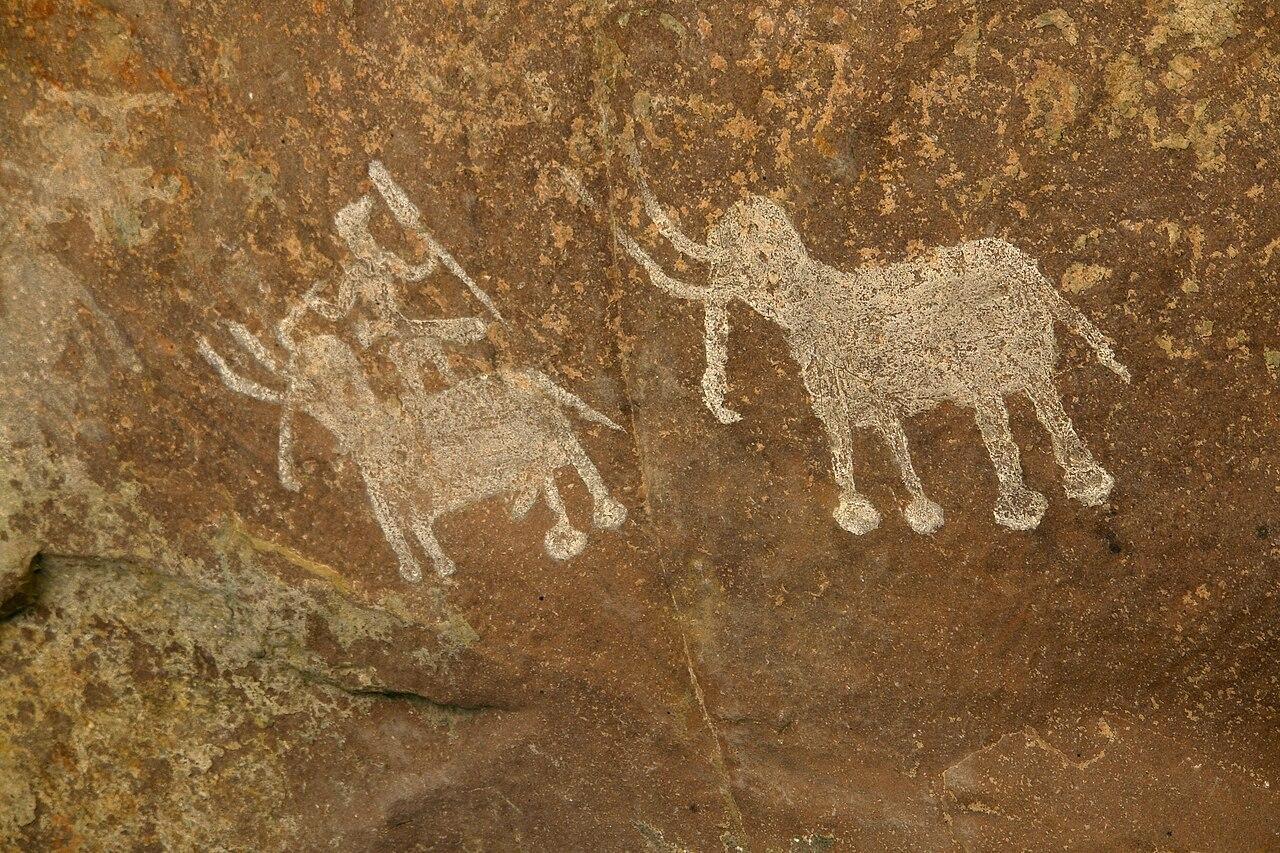
Most of what we know about the deep past of South Asia comes not from chronicles but from evidence in the ground: a stone tool in a river terrace, a seal in a drain, an edict on a boulder, a genome from a cemetery. Indophile is built around that evidence.
The atlas, the timeline, the encyclopedia and the research archive are not separate sections. They are different windows onto a single database in which a site knows its civilisation, an inscription knows its ruler, and a genetic study knows the excavation its samples came from.
The platform covers present-day India, Pakistan, Bangladesh, Nepal, Bhutan, Sri Lanka and the Maldives, with the historical connections to Afghanistan and Central Asia that the evidence demands. Modern borders appear for orientation only.
We aim to be neutral and evidence-driven: competing interpretations are presented as such, traditional accounts are respected and labelled, and nothing is invented to fill a gap.
- Entries
- 634
- Places
- 249
- Sources
- 151
Build phases
Phase 1 — Foundation
Brand, homepage, navigation, timeline, atlas, article template, search, structured database.
Phase 2 — Historical content
Prehistory; Indus civilisation; Iron Age and Mahajanapadas; Mauryan and classical period.
Phase 3 — Specialised knowledge
Archaeogenetics database, migration visualisations, scripts, architecture, trade networks, artefact archive.
Phase 4 — Expansion
Medieval, early modern, colonial and modern history; advanced layers; user collections; community contributions.
Questions or corrections? Every entry shows its sources; corrections should cite evidence. See how we classify evidence.