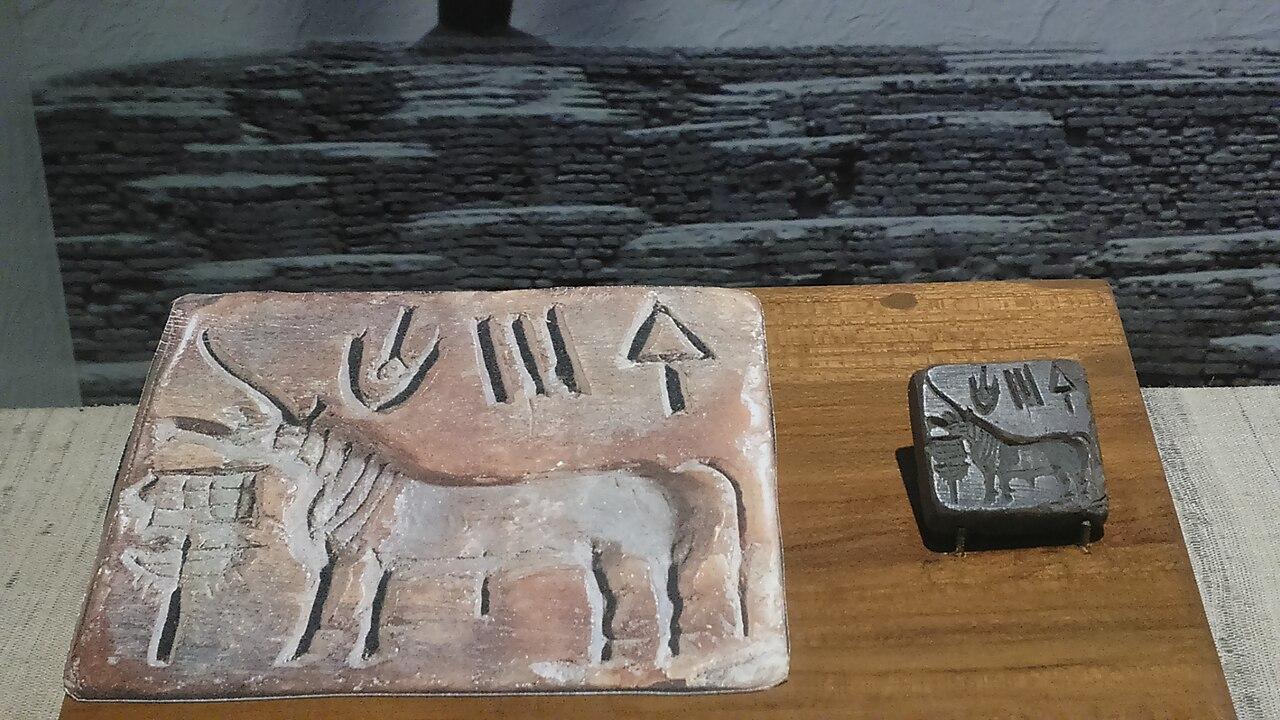
Skip to content
INDOPHILE

An interactive historical atlas of the Indian subcontinent

History is written in the land beneath our feet.

Explore the people, civilisations, migrations, discoveries and ideas that shaped the Indian subcontinent over thousands of years.

Connected entries
634
Mapped places
249
Cited sources
151
Years of human presence
1.5M

Explore through time

Sixteen windows onto the past

Period boundaries are conventions, not events. They overlap and differ from region to region; each is marked with how securely its dates are known.

Open the full timeline
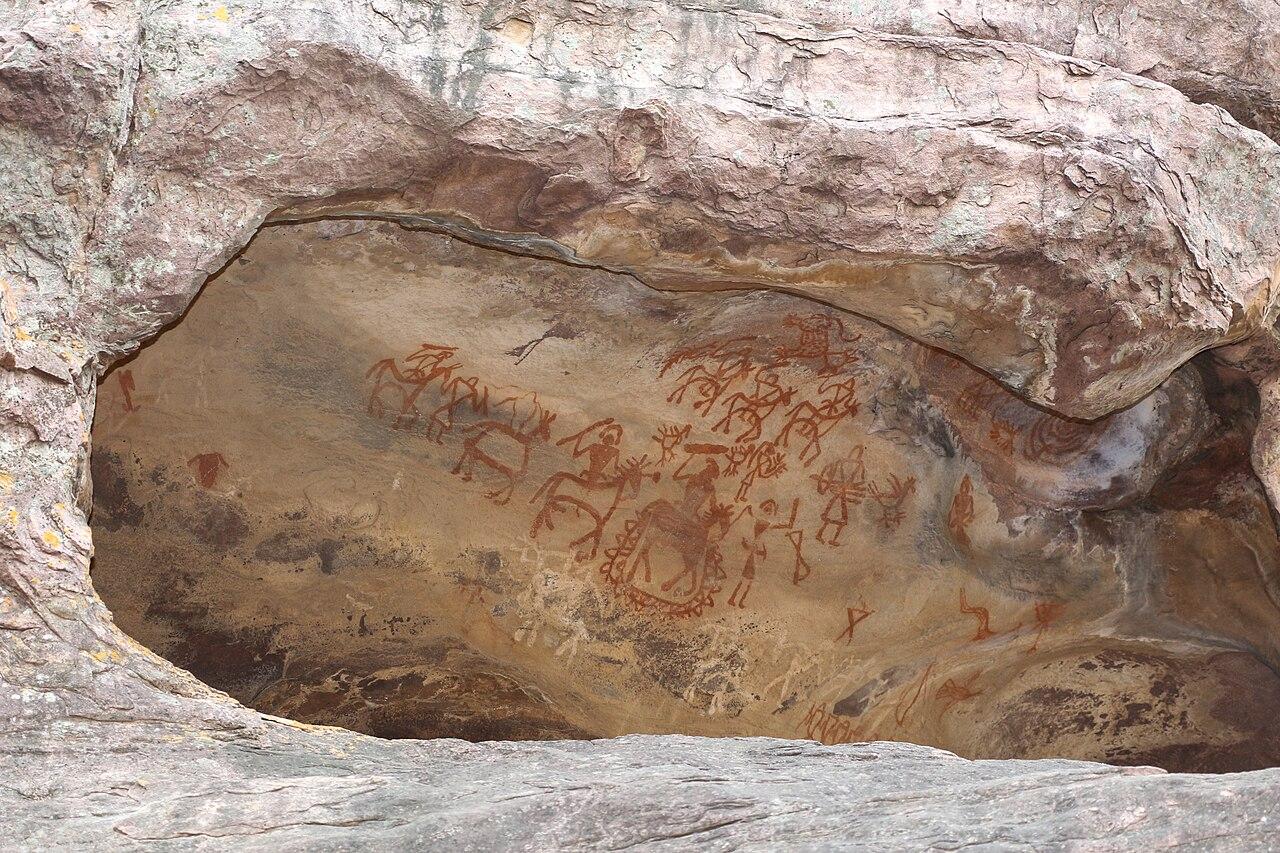
Paintings in Rock Shelter 8, Bhimbetka.
01c. 1.5 million years ago – c. 7000 BCE(Approximate)

Prehistory and Early Human Settlements

From the first toolmakers more than a million years ago to Mesolithic foragers, the subcontinent's deep past is read from stone tools, rock shelters and the sediments of ancient rivers.

Political & cultural developments

  • Acheulian handaxe makers present in South India by around 1.5 million years ago, on published burial dating
  • Middle Palaeolithic technologies, including Levallois methods, appear several hundred thousand years ago
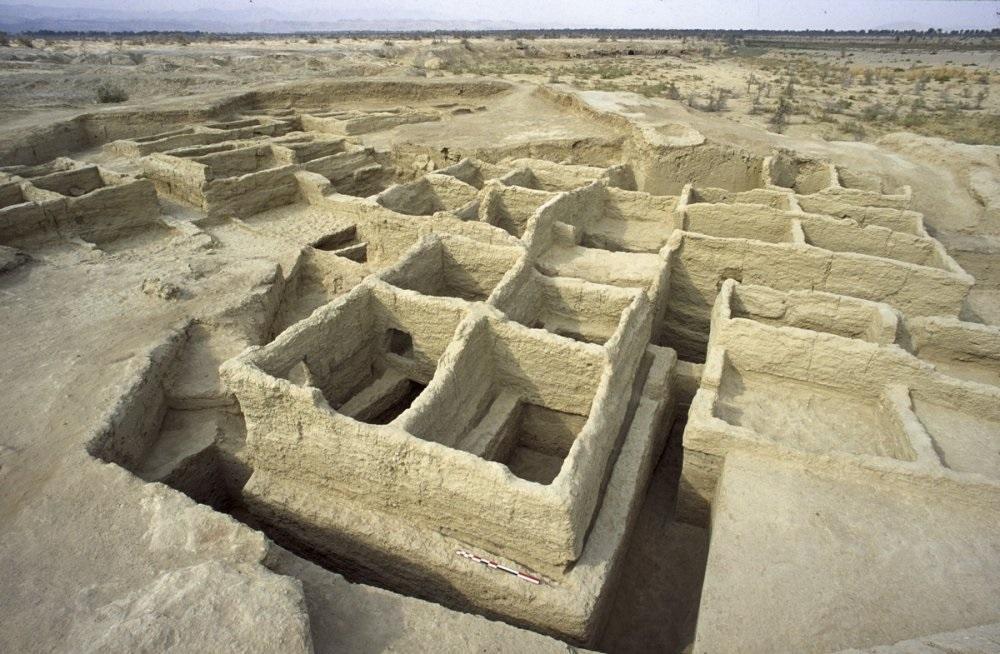
Mud-brick remains at Mehrgarh.
02c. 7000 – 1000 BCE(Approximate)

Neolithic and Chalcolithic Cultures

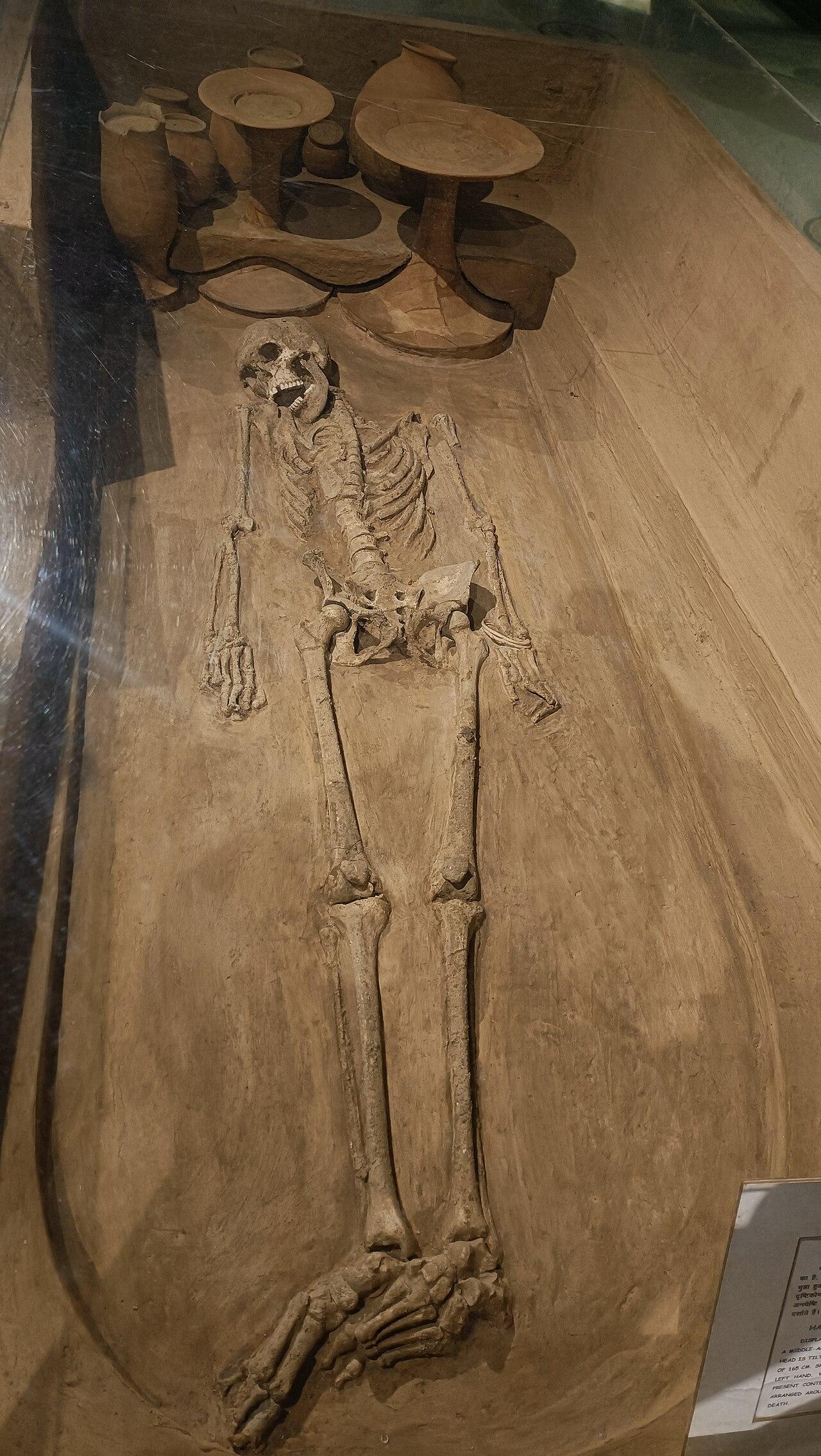
Farming, herding and village life emerge — earliest at Mehrgarh on the Iranian borderlands, later and in distinct regional forms in Kashmir, the Ganga plain, the Deccan and the south.

Political & cultural developments

  • Cultivation of barley and wheat and herding of cattle, sheep and goat at Mehrgarh
  • Pit-dwelling Neolithic communities in Kashmir

Key sites

Mehrgarh · Burzahom · Inamgaon · Ahar

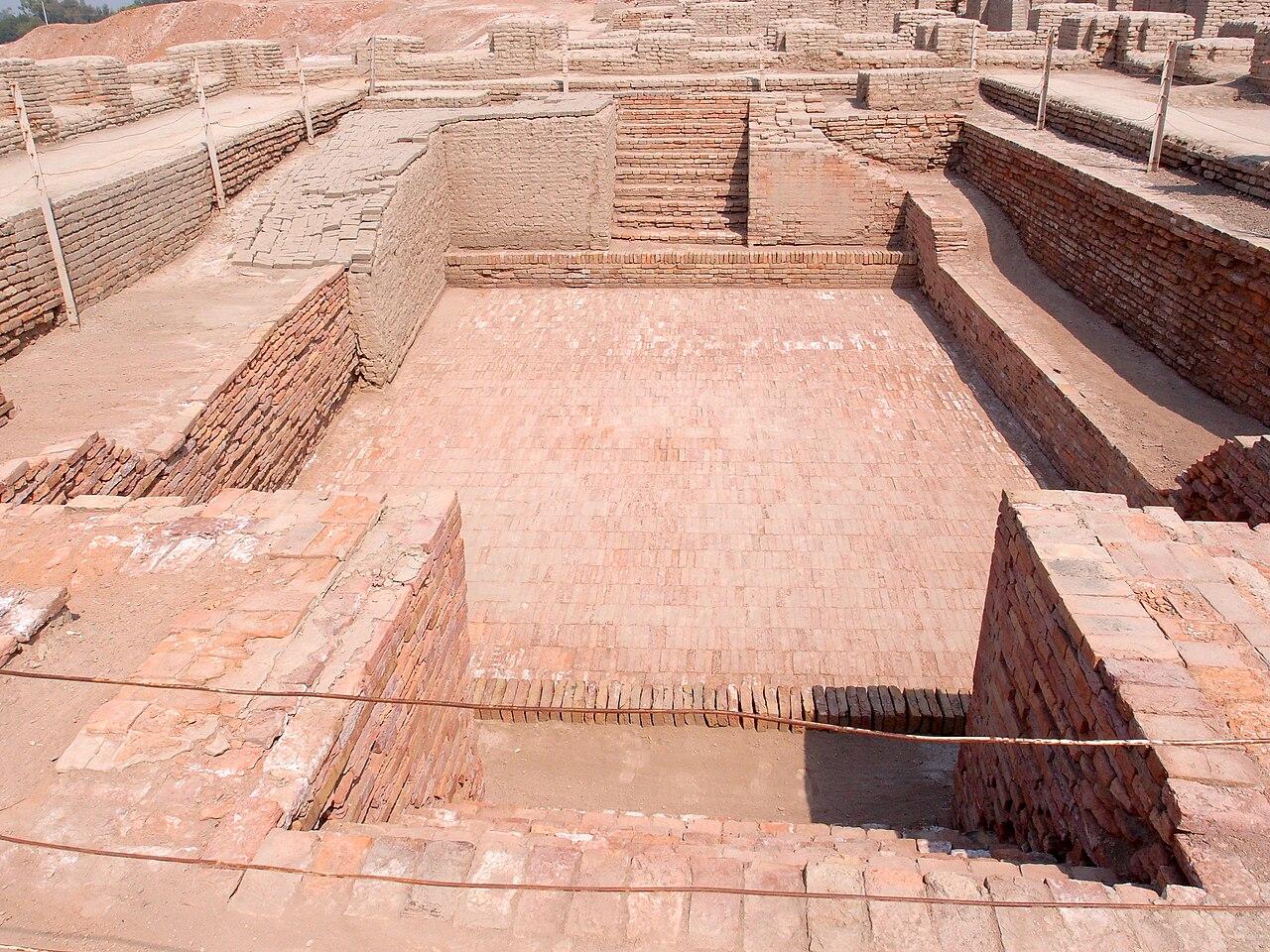
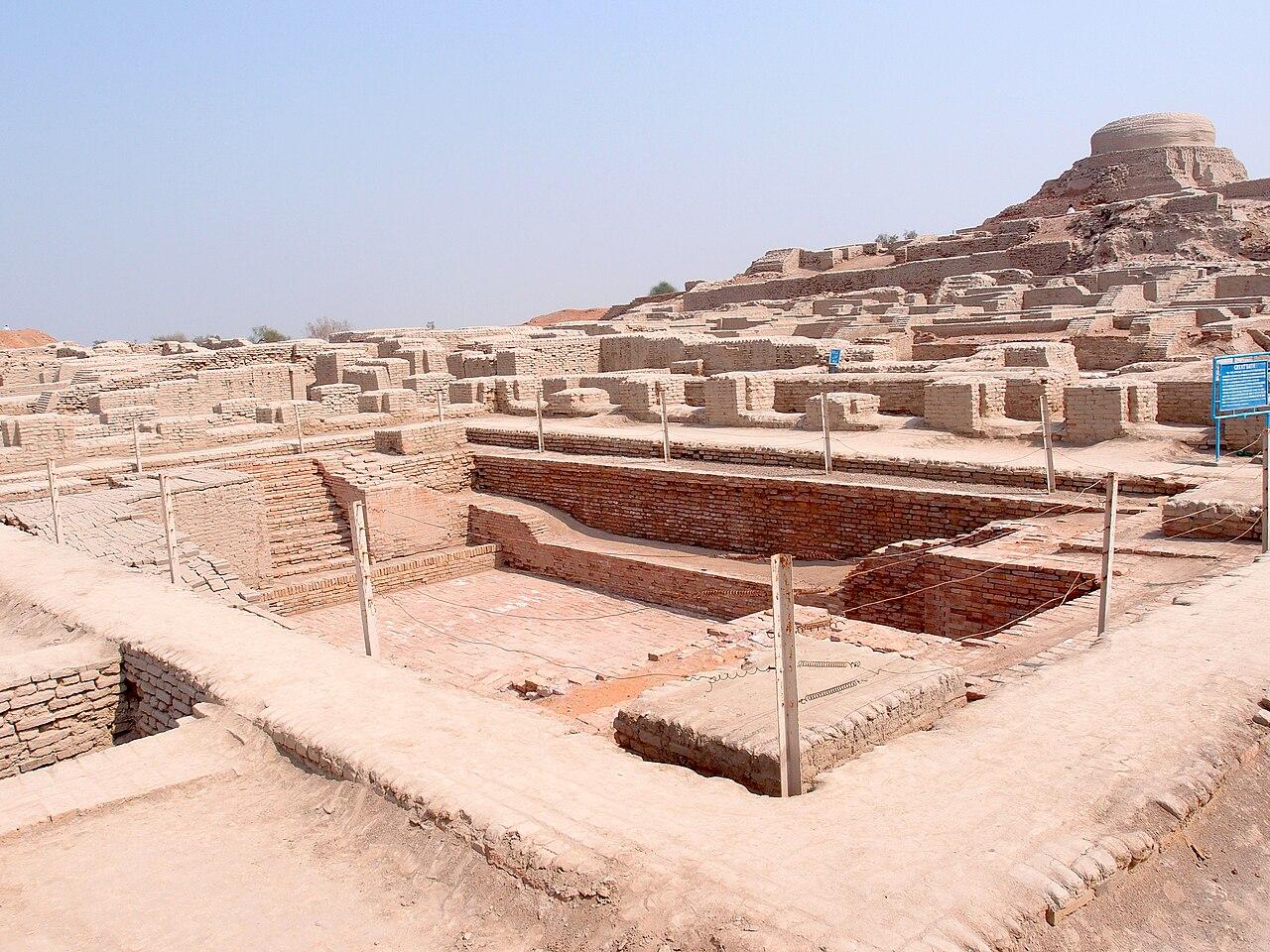
The Great Bath, Mohenjo-daro.
03c. 3300 – 1300 BCE(Approximate)

Indus Valley Civilisation

Between roughly 2600 and 1900 BCE, cities with planned streets, standardised weights and a still-undeciphered script spread across a vast area from Balochistan to the upper Ganga plain and Gujarat.

Political & cultural developments

  • Regional Early Harappan cultures integrate into a widely shared urban tradition
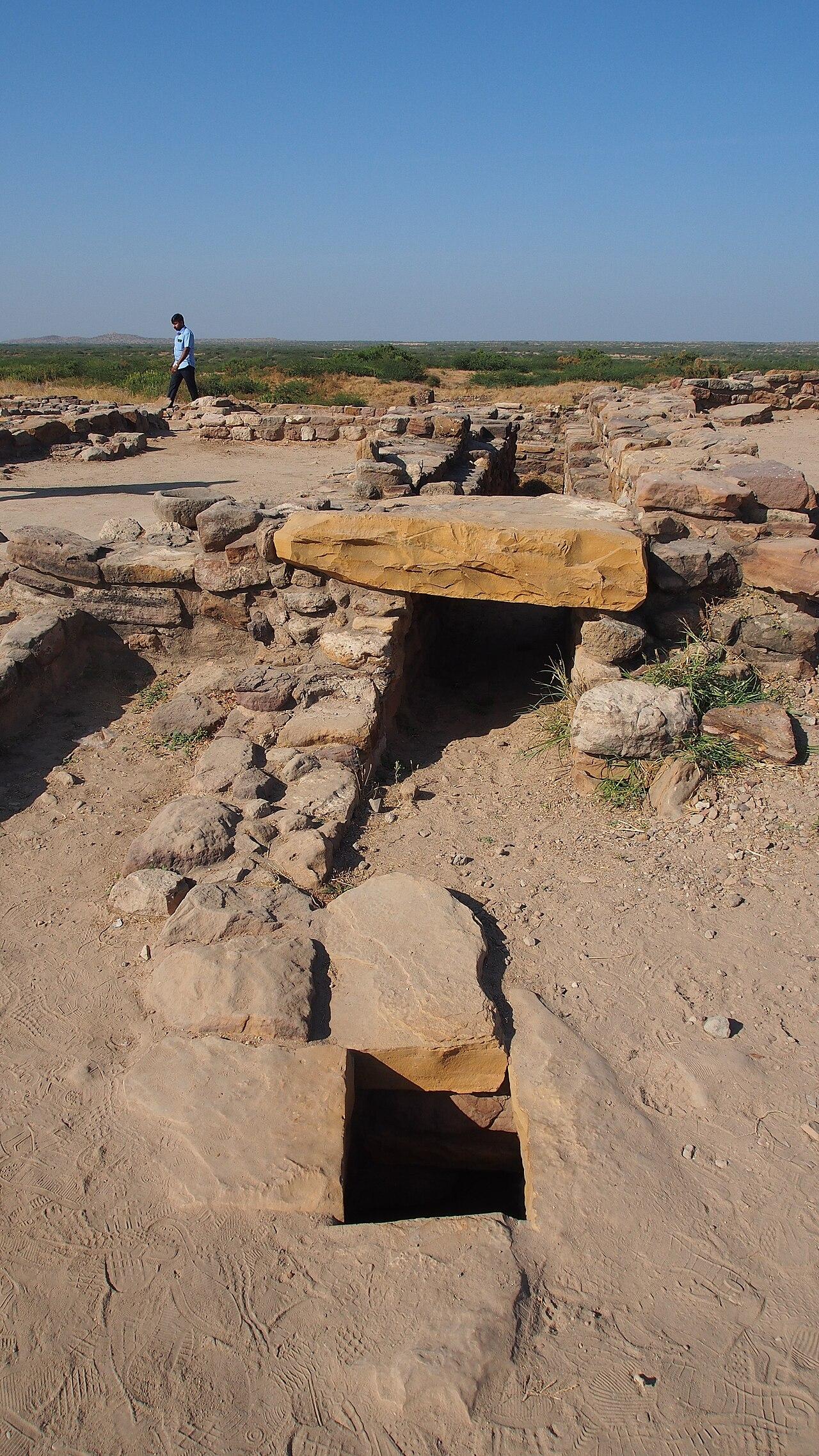
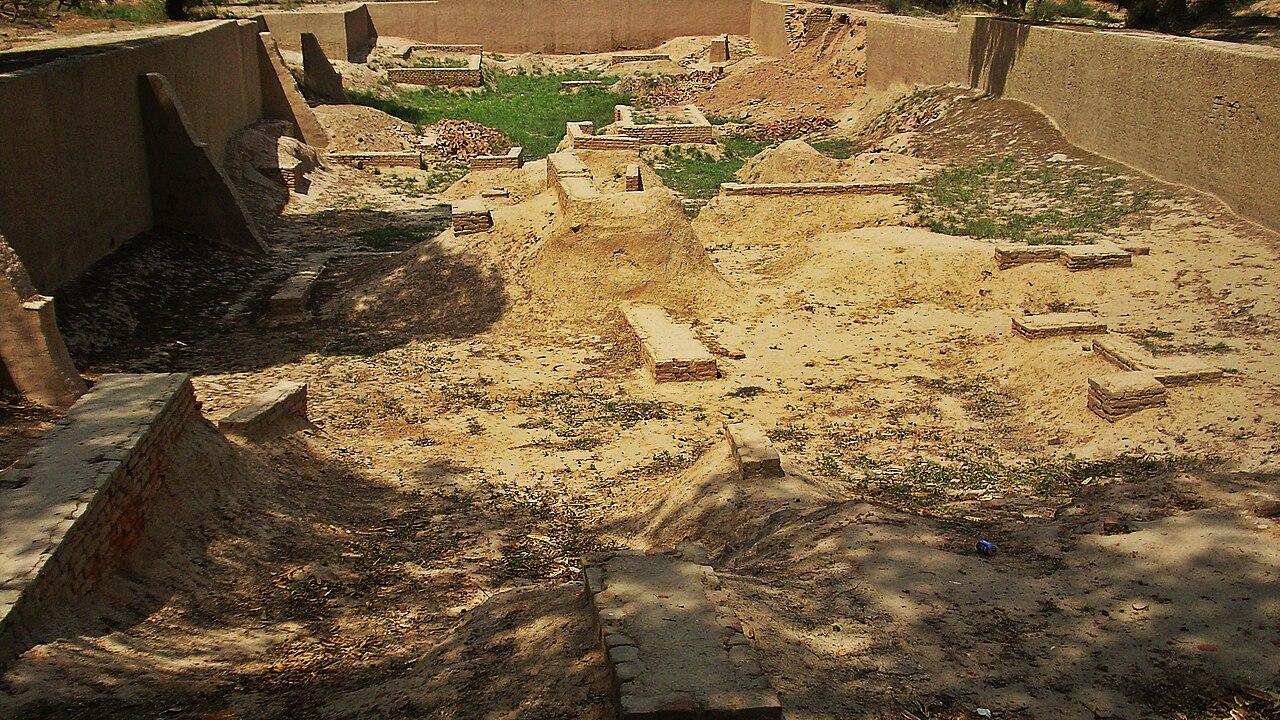
  • Baked-brick cities with drainage at Mohenjo-daro, Harappa, Dholavira and Rakhigarhi
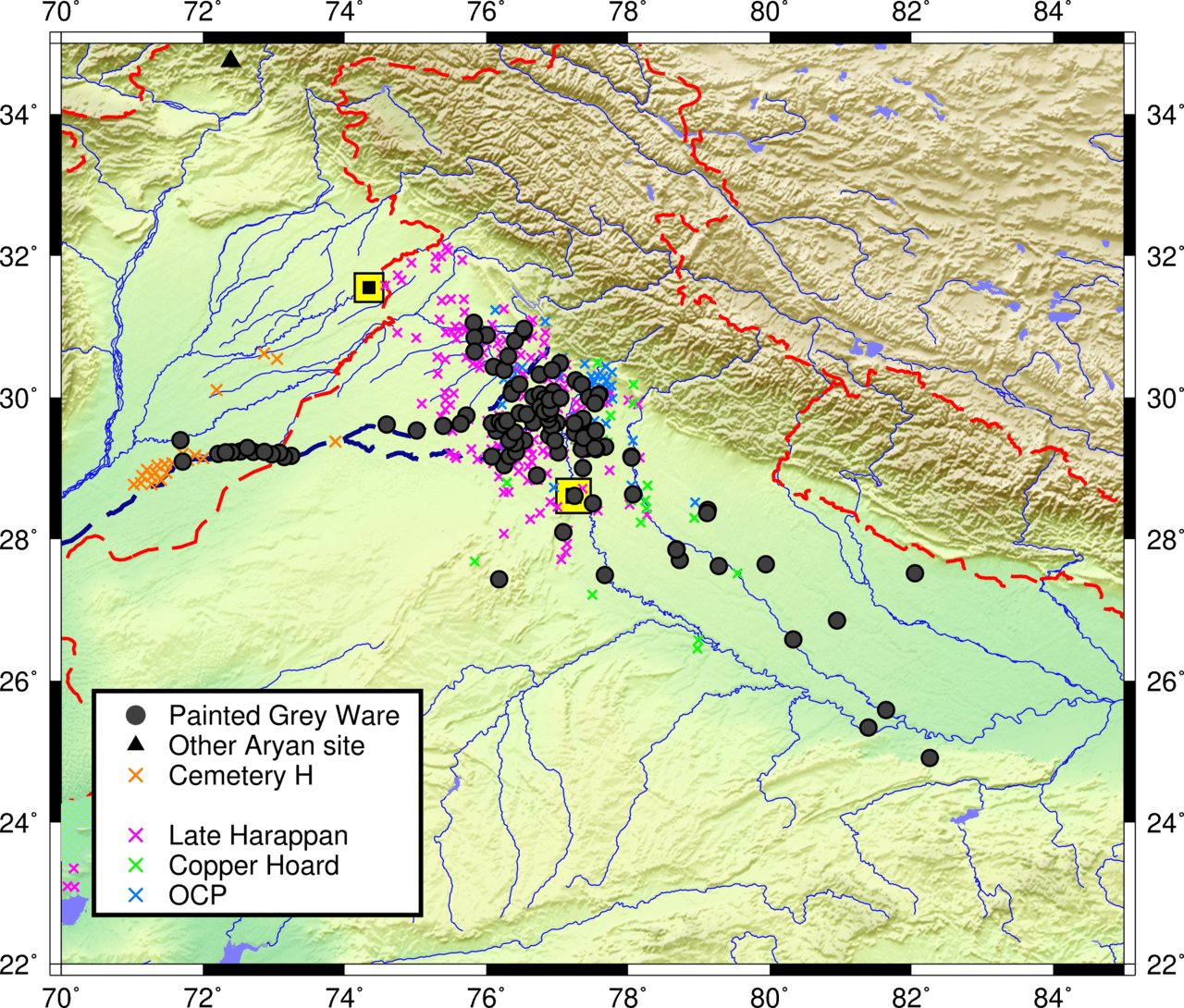
Distribution of selected Painted Grey Ware sites (schematic).
04c. 1500 – 600 BCE (conventional)(Debated)

Vedic and Early Iron Age

The composition of the Vedic texts, the spread of iron and the Painted Grey Ware culture of the Ganga–Yamuna plain. Textual and archaeological evidence are distinct and do not map neatly onto each other.

Political & cultural developments

  • Composition and oral transmission of the Rigveda, followed by later Vedic texts
  • Iron objects appear in several regions from the late 2nd millennium BCE
05
05c. 600 – 322 BCE(Conventional date)

Mahajanapadas

Early states, fortified cities, coinage and new religious movements — Buddhism, Jainism and the Ajivikas — emerge in the Ganga valley, with kingdoms and assembly-governed republics side by side.

Political & cultural developments

  • Buddhist and Jain texts list sixteen great janapadas
  • Kingdoms such as Magadha and Kosala alongside gana-sanghas such as the Vajji confederacy
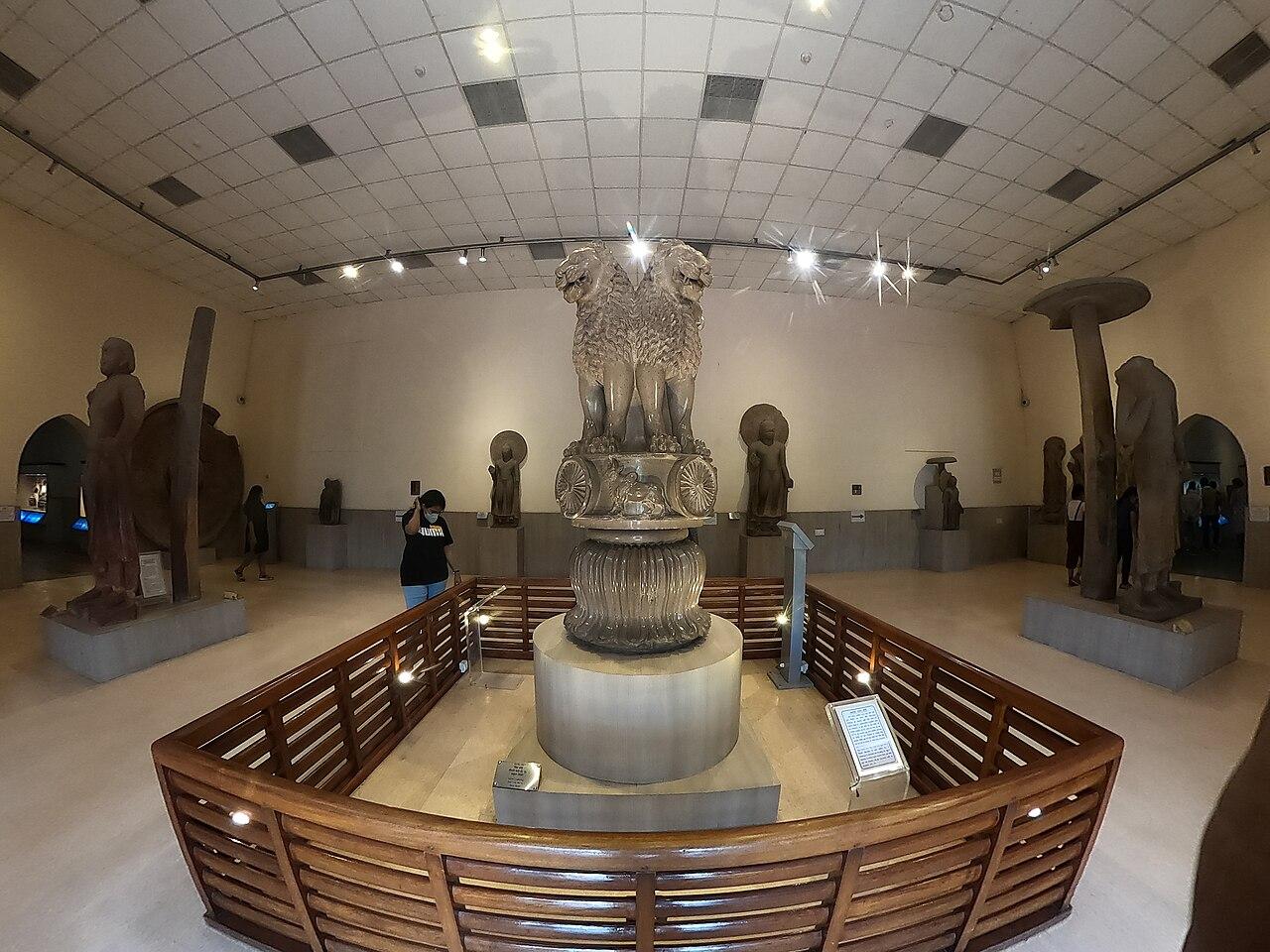
The Lion Capital of Ashoka from Sarnath.
06c. 322 – 185 BCE(Conventional date)

Mauryan Empire

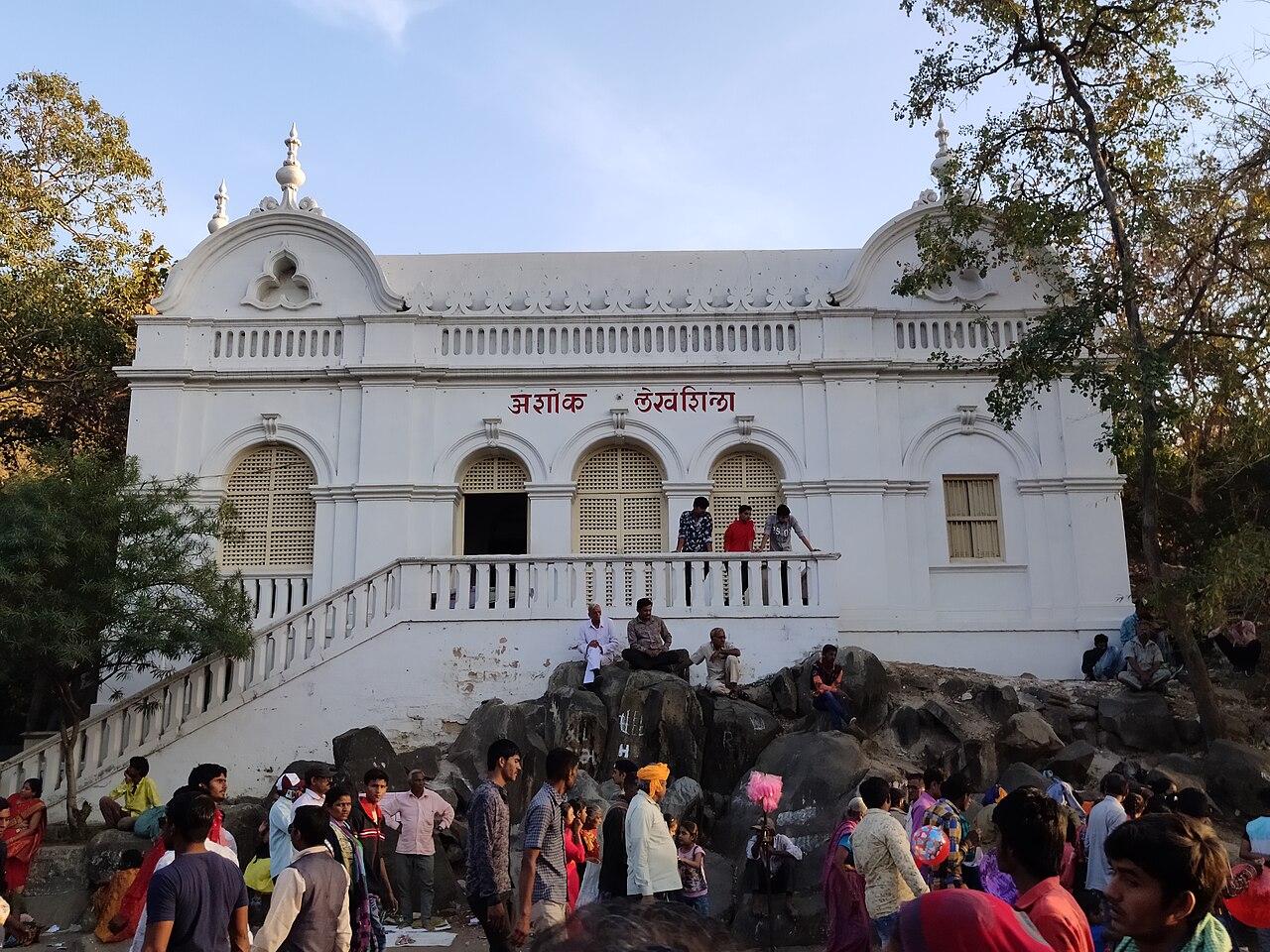
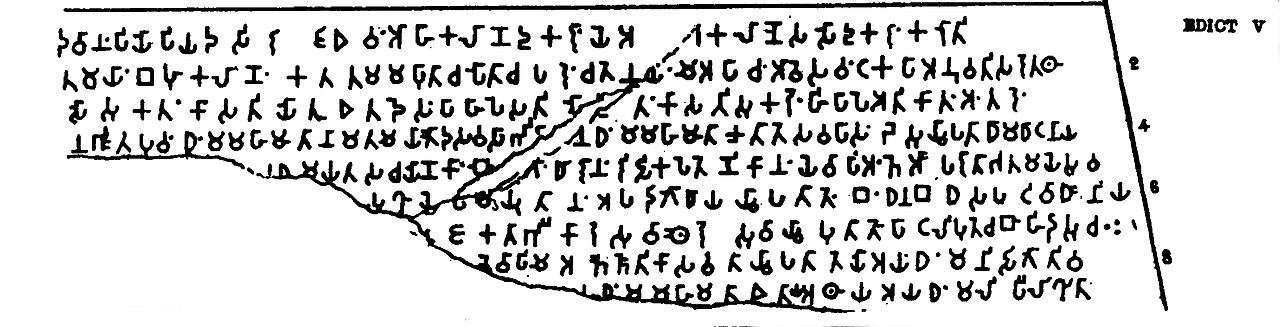
The first polity to unite most of the subcontinent. Its best evidence is not a chronicle but stone: Ashoka's inscriptions, spread from Kandahar to Karnataka.

Political & cultural developments

  • Chandragupta Maurya establishes power at Pataliputra
  • Treaty with Seleucus I; Megasthenes at the Mauryan court
07
07c. 185 BCE – 320 CE(Conventional date)

Post-Mauryan Period

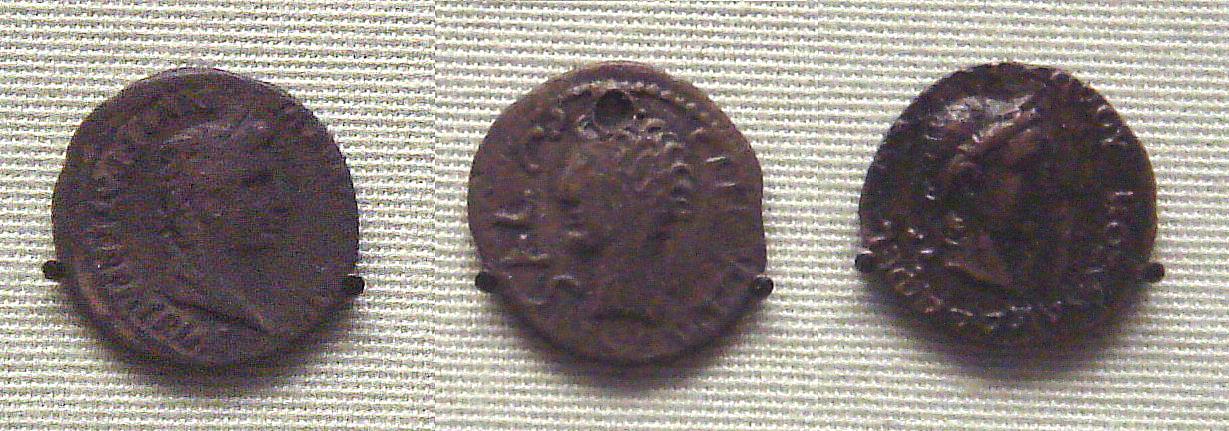
Regional kingdoms, Indo-Greek and Kushan rulers in the north, the Satavahanas in the Deccan, Tamil chiefdoms in the south — and an ocean trade linking all of them to Rome.

Political & cultural developments

  • Shunga rule in the Ganga valley
  • Indo-Greek kingdoms and bilingual coinage in the northwest

Key sites

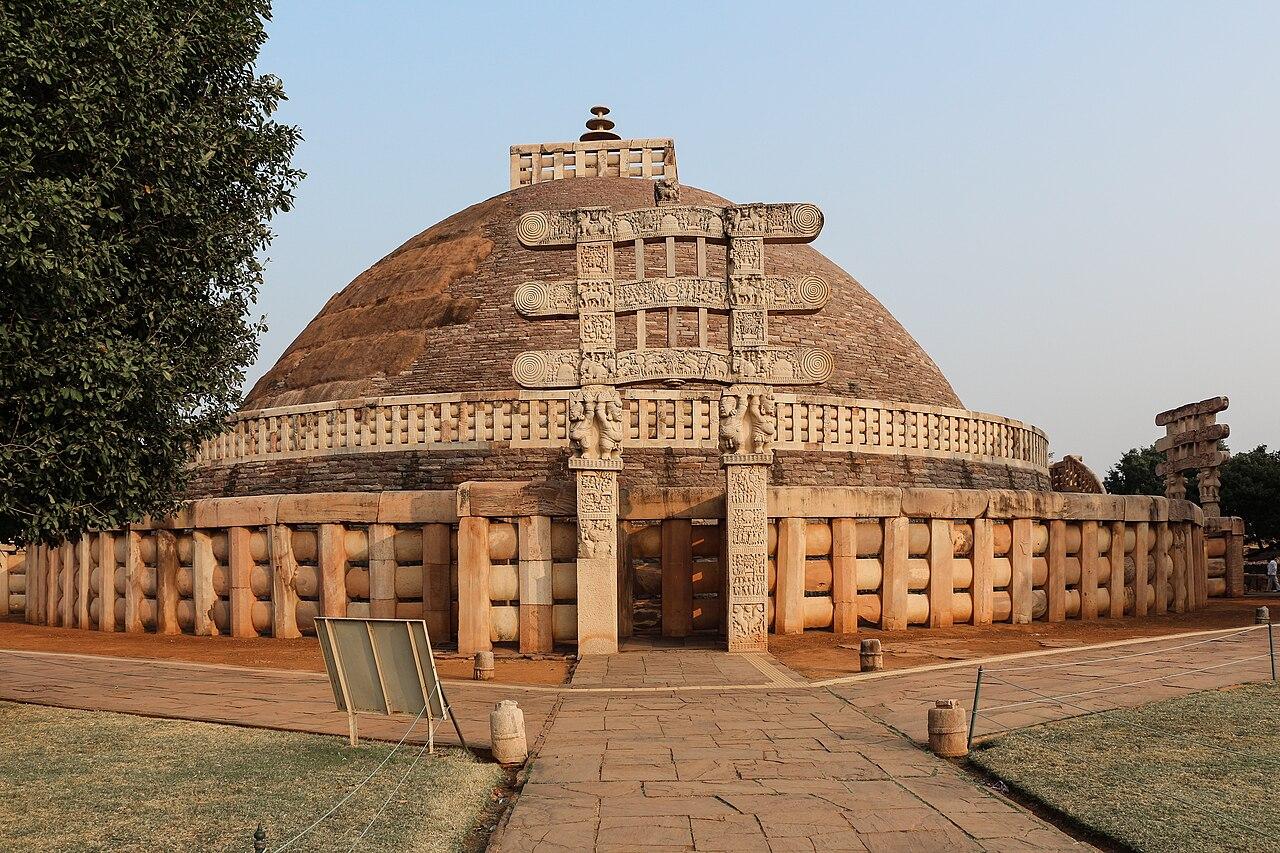
Taxila · Mathura · Sanchi · Amaravati

11In preparation · Phase 4
111206 – 1526 CE(Conventional date)

Delhi Sultanate

Five successive dynasties ruled from Delhi, reshaping north Indian politics, architecture and the Persianate administrative tradition.

Political & cultural developments

  • Mamluk, Khalji, Tughluq, Sayyid and Lodi dynasties
12In preparation · Phase 4
121526 – 1857 CE(Secure date)

Mughal Period

From Babur's victory at Panipat to the empire's long decline, the Mughals built one of the largest early-modern states.

Political & cultural developments

  • First battle of Panipat (1526)
  • Akbar's administrative reforms

Key sites

Panipat

14In preparation · Phase 4
141858 – 1947 CE(Secure date)

British Colonial Period

Company rule and, after 1858, direct Crown rule — and the colonial institutions, including the Archaeological Survey of India, that shaped how the past was studied.

Political & cultural developments

  • Archaeological Survey founded (1861)
  • Decipherment of Brahmi (1837)
16In preparation · Phase 4
161947 CE – present(Secure date)

Modern South Asia

The nation-states of South Asia and the institutions — museums, archaeological surveys, universities — that now research and protect its heritage.

Political & cultural developments

  • Independence of Sri Lanka (1948)
  • Independence of Bangladesh (1971)

Featured discoveries

Evidence that changed the story

The archaeology archive

The Historical Atlas

Scroll through time. Watch the subcontinent change.

Archaeological sites, inscriptions, ports, trade routes and modelled population movements — every point drawn from a sourced record. Territories are estimated from the find-spots of dated evidence, never hand-drawn.

Loading atlas…
Open the full atlas

50-year steps

250BCE

18