Curated collection · 7 entries
The Evolution of Indian Scripts
Writing in South Asia has a gap of more than a millennium between the Indus script and Ashoka's Brahmi. This collection traces what came after.
Curated by Indophile Editorial
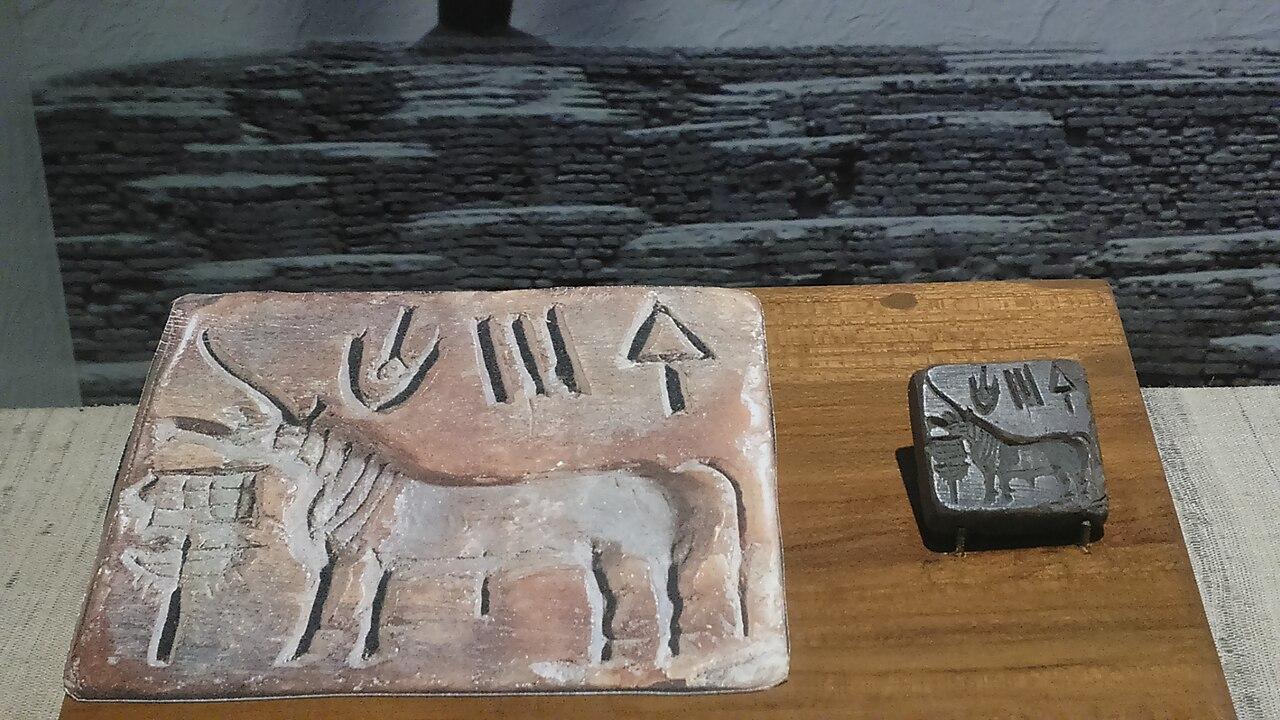
- 01Script / languagec. 2600 – 1900 BCE(Approximate)
Indus script
Undeciphered.
Short sequences of signs on seals, tablets and pottery from the Indus civilisation. Undeciphered.
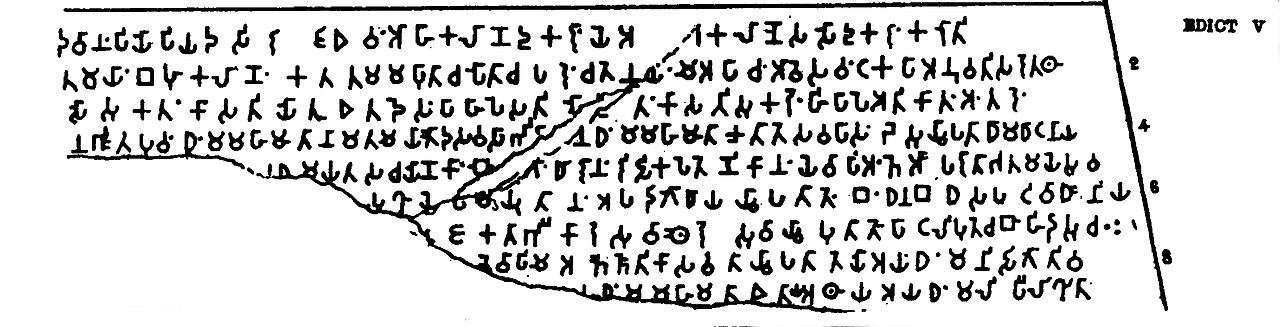
- 02Script / languageSecurely attested from the mid-3rd century BCE(Secure date)
Brahmi
The ancestor of most South Asian scripts.
The script of most of Ashoka's edicts and the ancestor of nearly all later scripts of South and Southeast Asia, from Devanagari to Tamil and Thai.
- 03Script / languagec. 260 BCE – 400 CE(Approximate)
Kharoshthi
Right to left, from Aramaic.
A script derived from Aramaic, used in Gandhara and adjoining regions from the 3rd century BCE to around the 3rd–4th century CE.
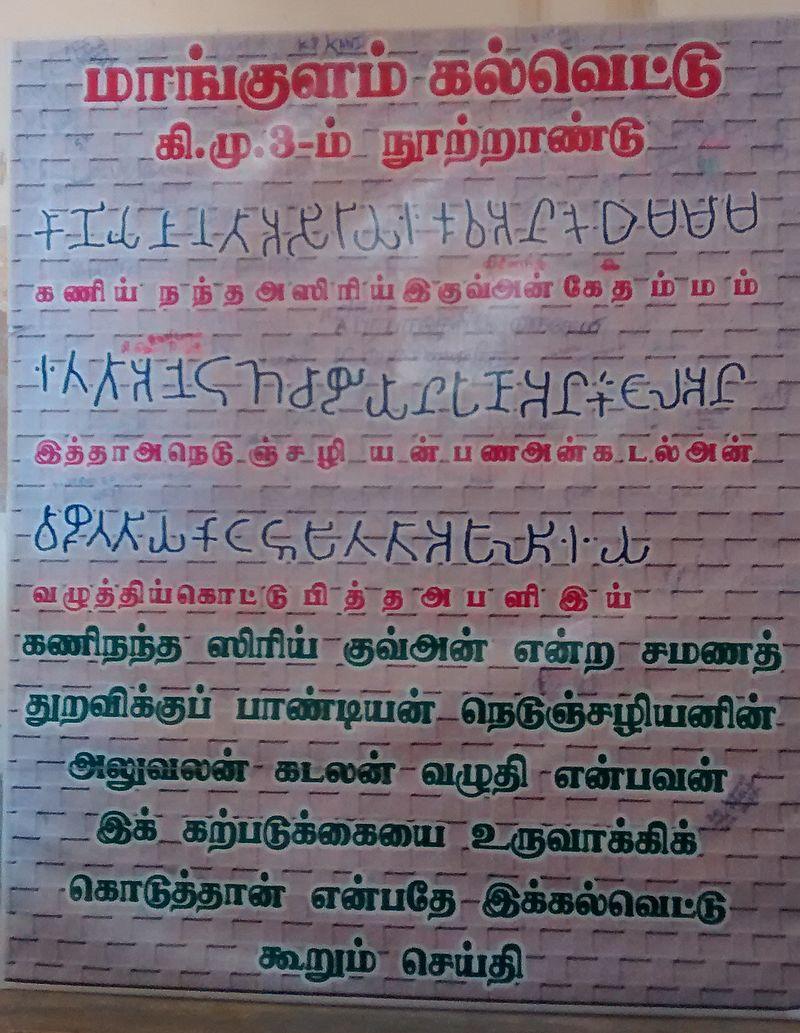
- 04Script / languagec. 3rd/2nd century BCE – 3rd century CE (start debated)(Debated)
Tamil-Brahmi
Writing Old Tamil.
An adaptation of Brahmi to write Old Tamil, found in cave inscriptions and on pottery across Tamil Nadu and beyond.
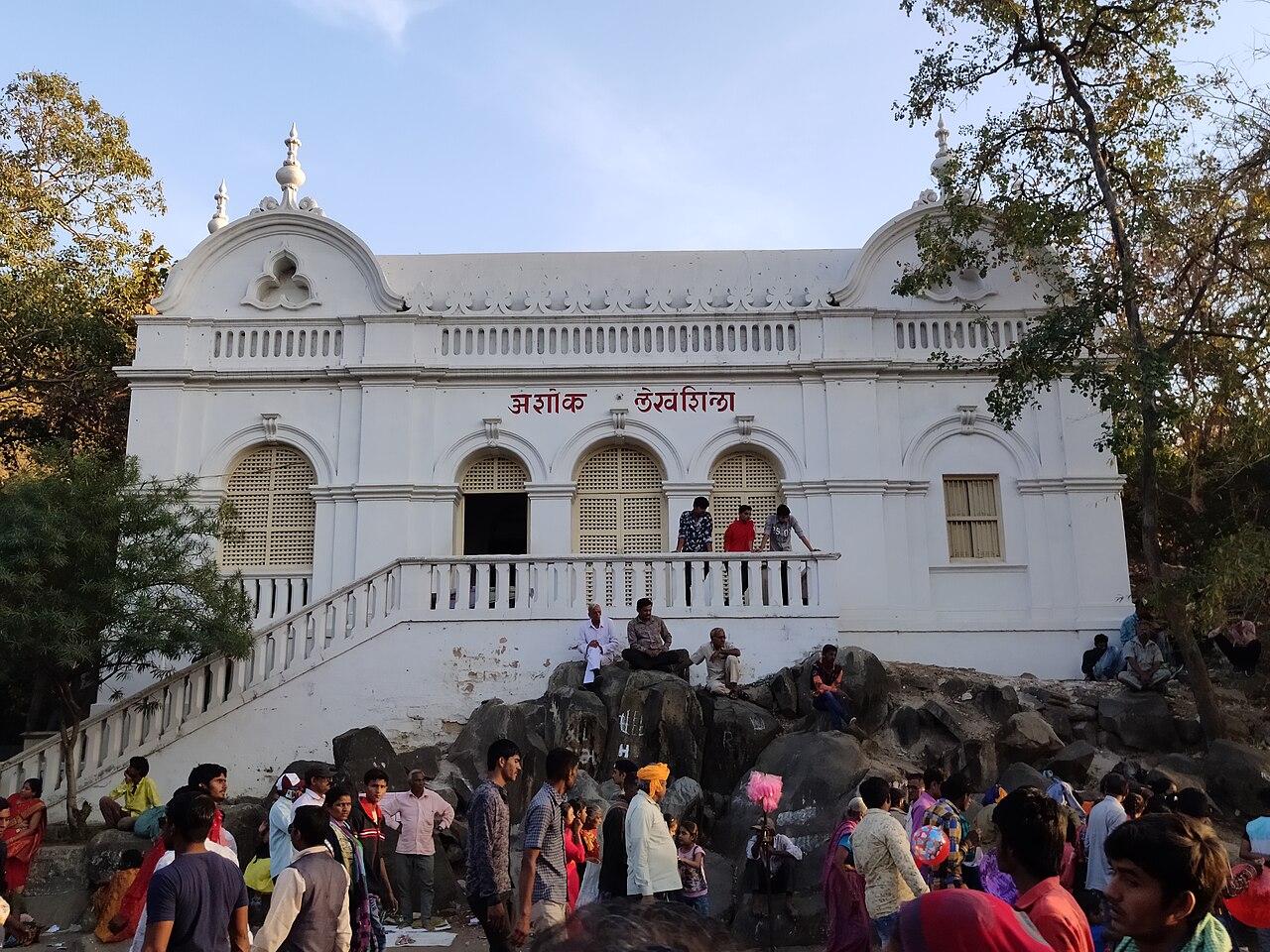
- 05Sitec. 3rd century BCE – 5th century CE(Secure date)
Junagadh Rock (Girnar)
Three empires on one stone.
A single granite boulder carrying three layers of history: Ashoka's fourteen major rock edicts, Rudradaman's Sanskrit inscription (c. 150 CE) and Skandagupta's record (mid-5th century CE).
- 06Article260 – 232 BCE(Conventional date)
Reading Ashoka
Read: Reading Ashoka.
Ashoka's edicts as historical sources: their distribution, languages, decipherment and limits.
- 07Person1799 – 1840(Secure date)
James Prinsep
The decipherer.
Assay master at the Calcutta Mint and secretary of the Asiatic Society who deciphered Brahmi in 1837, making Ashoka's edicts readable.
Sources & Further Reading
Sources & further reading
- bookParpola, A. (1994). Deciphering the Indus Script. Cambridge University Press.
- journal articleFarmer, S., Sproat, R. & Witzel, M. (2004). The Collapse of the Indus-Script Thesis: The Myth of a Literate Harappan Civilization. Electronic Journal of Vedic Studies 11(2): 19–57.
- journal articleRao, R. P. N. et al. (2009). Entropic evidence for linguistic structure in the Indus script. Science 324(5931): 1165. doi:10.1126/science.1170391
- bookSalomon, R. (1998). Indian Epigraphy: A Guide to the Study of Inscriptions in Sanskrit, Prakrit, and the Other Indo-Aryan Languages. Oxford University Press.
- inscription corpusHultzsch, E. (1925). Inscriptions of Asoka. Corpus Inscriptionum Indicarum, Vol. I (new edition). Clarendon Press.
- inscription corpusMahadevan, I. (2003). Early Tamil Epigraphy: From the Earliest Times to the Sixth Century A.D.. Harvard Oriental Series 62. Harvard University Press / Cre-A.
- excavation reportTamil Nadu State Department of Archaeology (2019). Keeladi: An Urban Settlement of Sangam Age on the Banks of River Vaigai. Government of Tamil Nadu.
- inscription corpusFleet, J. F. (1888). Inscriptions of the Early Gupta Kings and their Successors. Corpus Inscriptionum Indicarum, Vol. III. Government of India.
- bookLahiri, N. (2015). Ashoka in Ancient India. Harvard University Press.
- bookThapar, R. (2002). Early India: From the Origins to AD 1300. Allen Lane / University of California Press.