Architecture, art & material culture
What people built, carved and cast.
Organised by form rather than by dynasty, so that traditions can be compared across regions and centuries. Patrons are named only where an inscription or reliable record establishes them.
Rock art
Painted shelters from the Mesolithic onward.
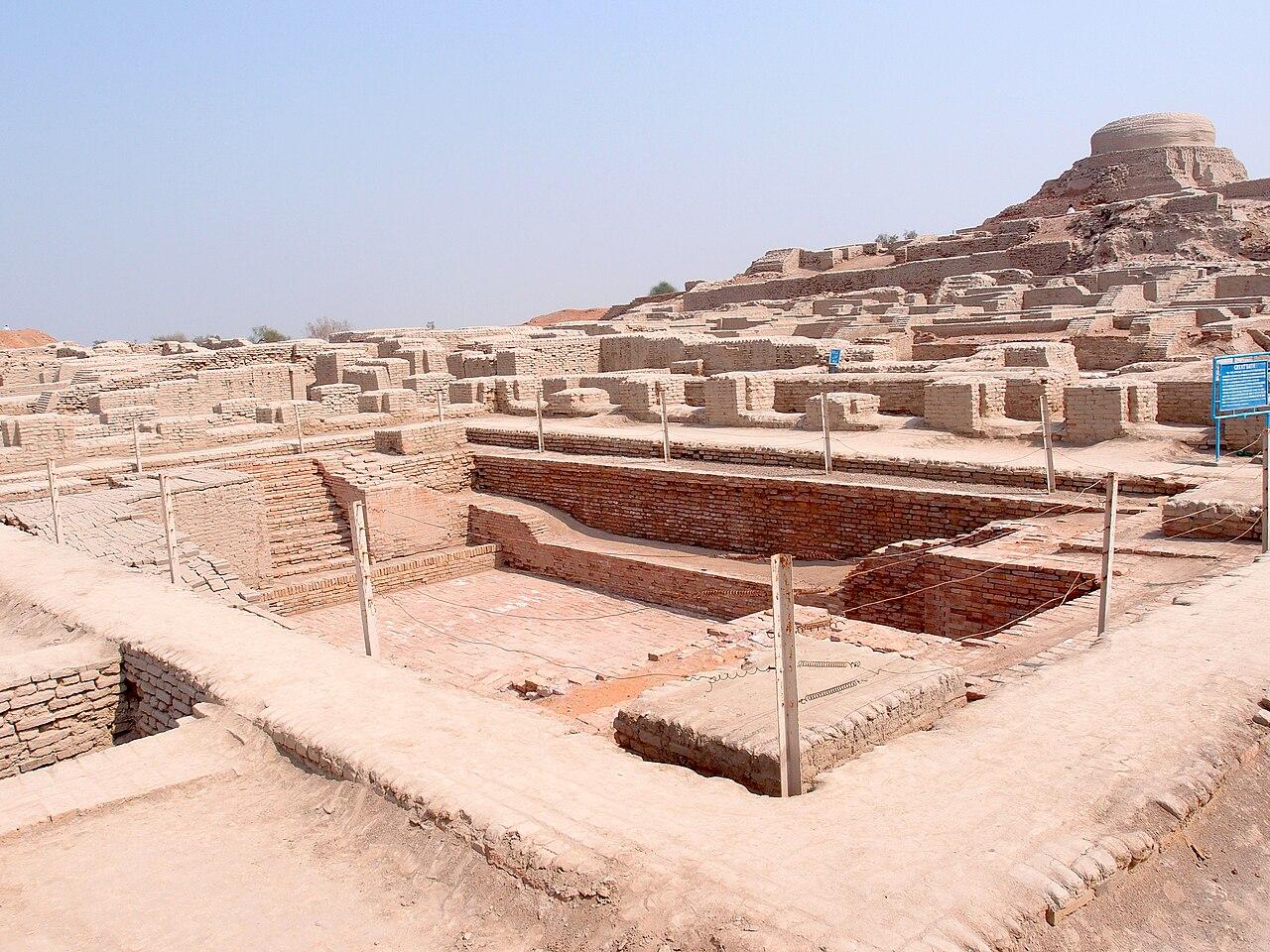
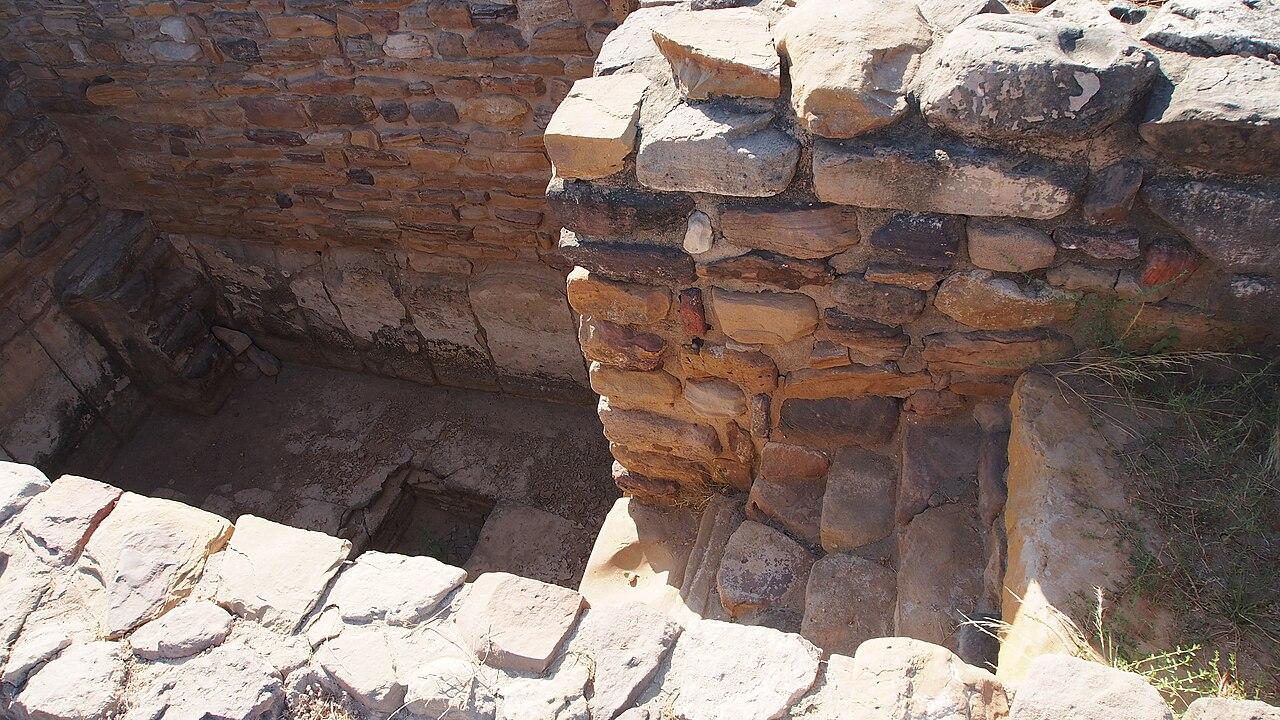
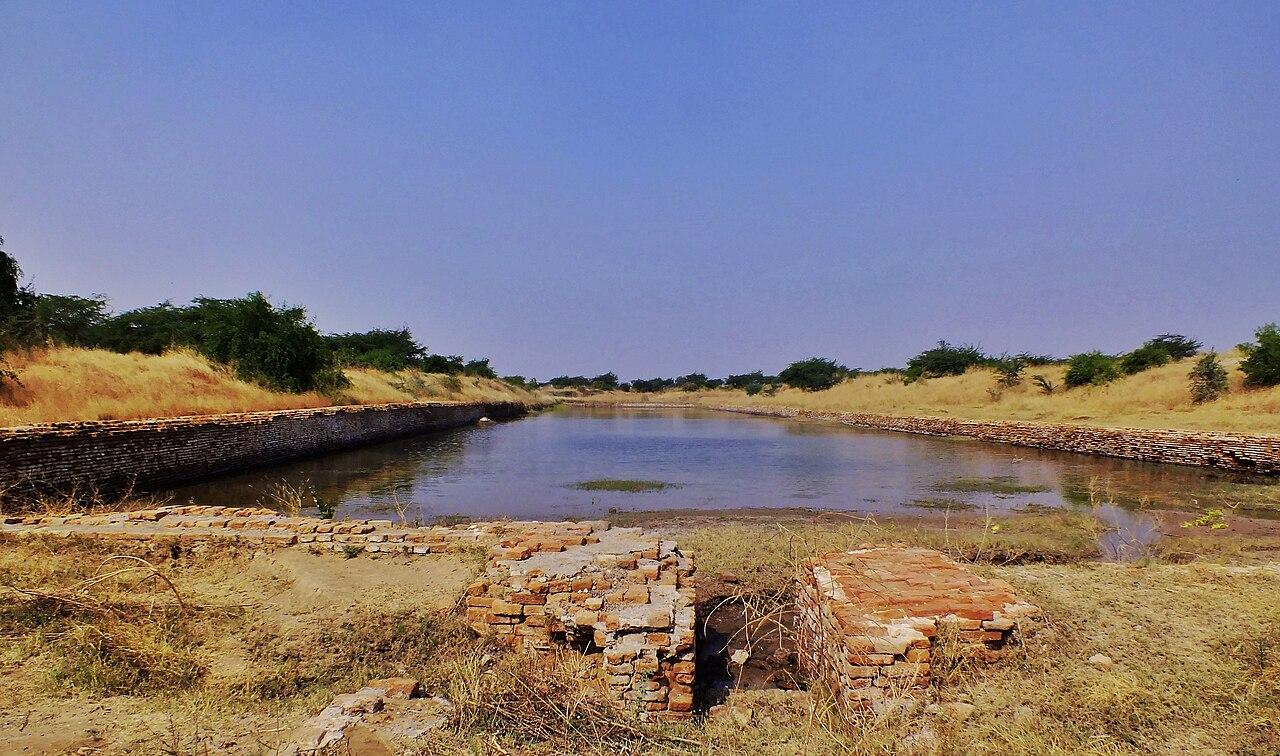
Urban architecture
Baked brick, dressed stone and water engineering.
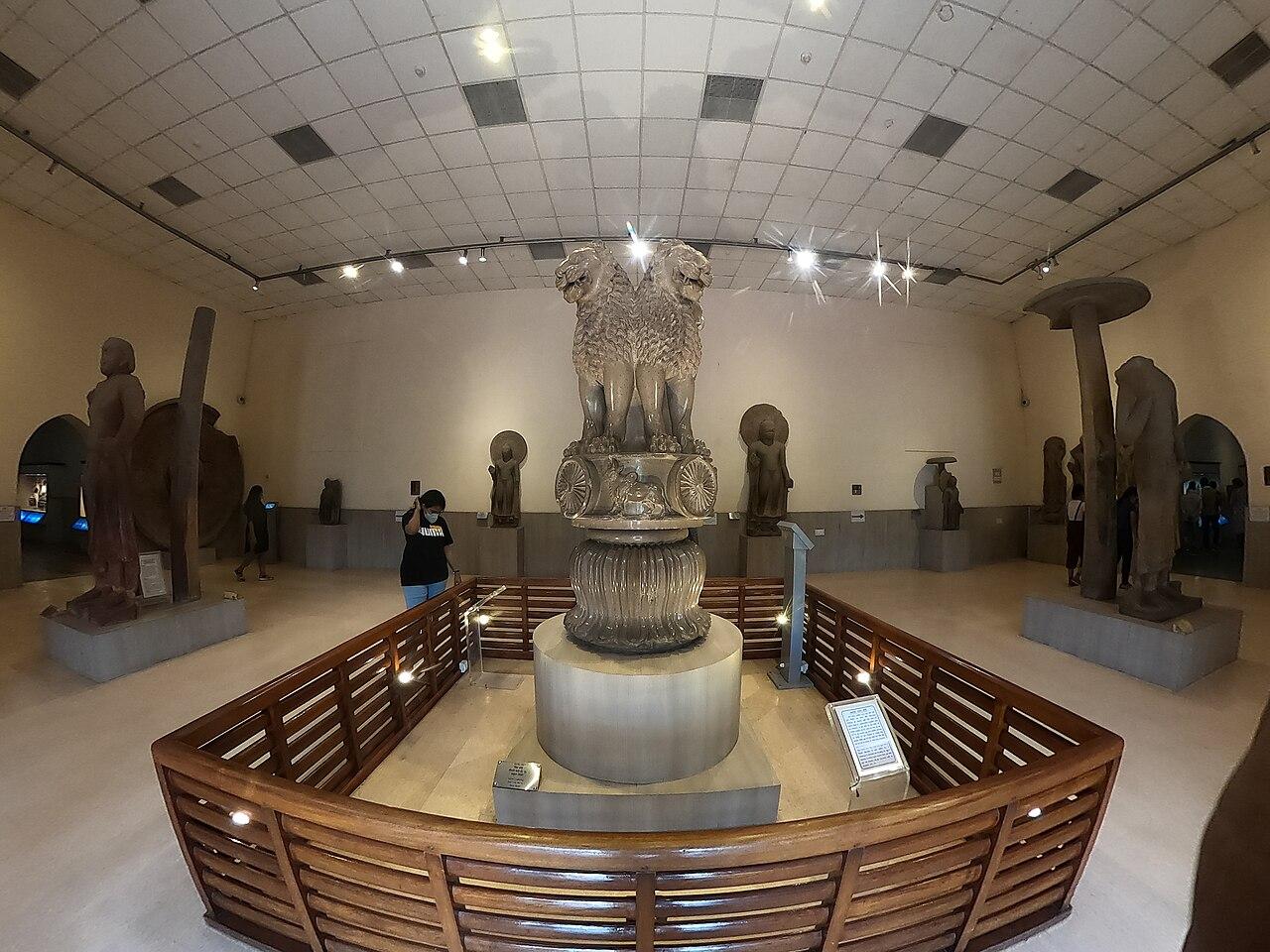
Pillars & capitals
Polished Mauryan sandstone and later reuse.
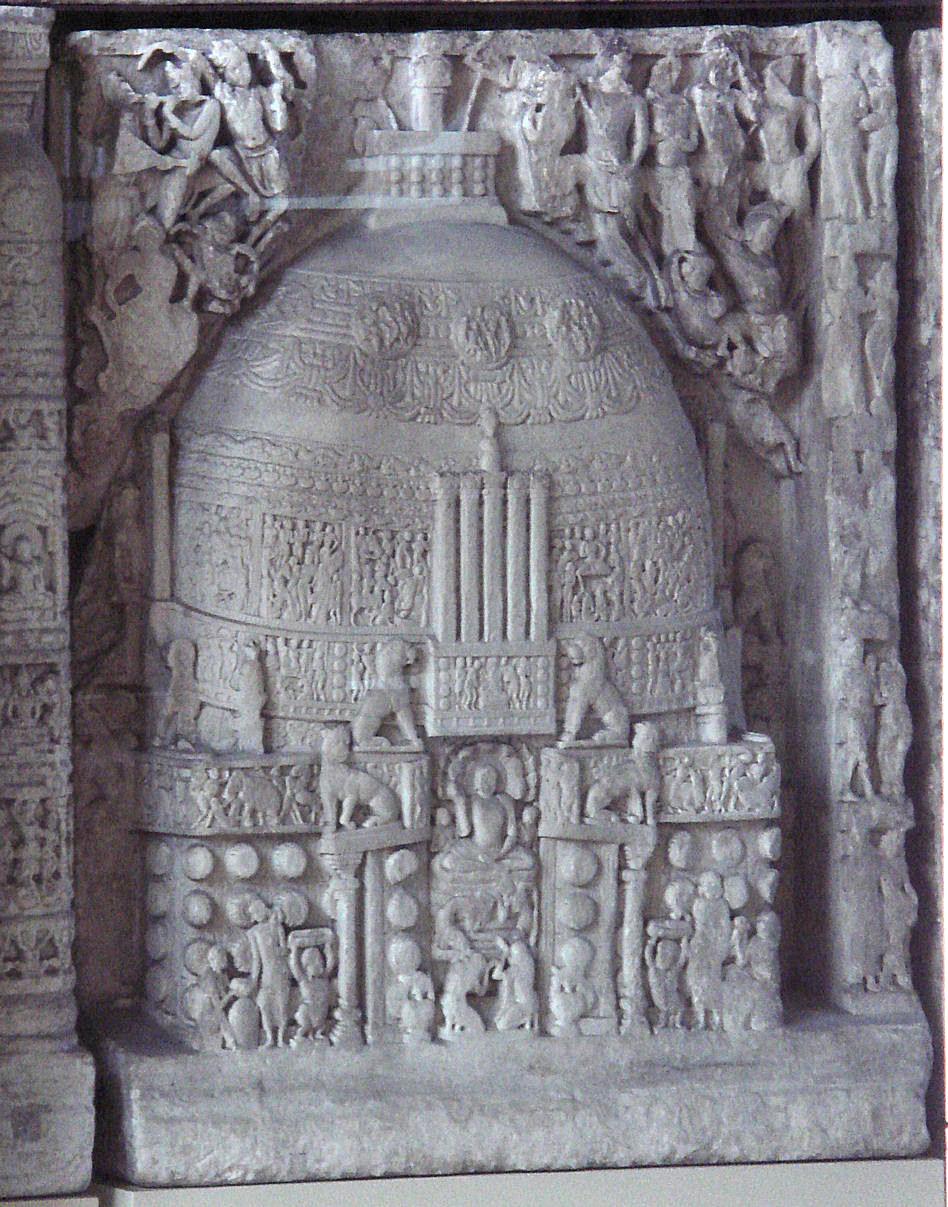
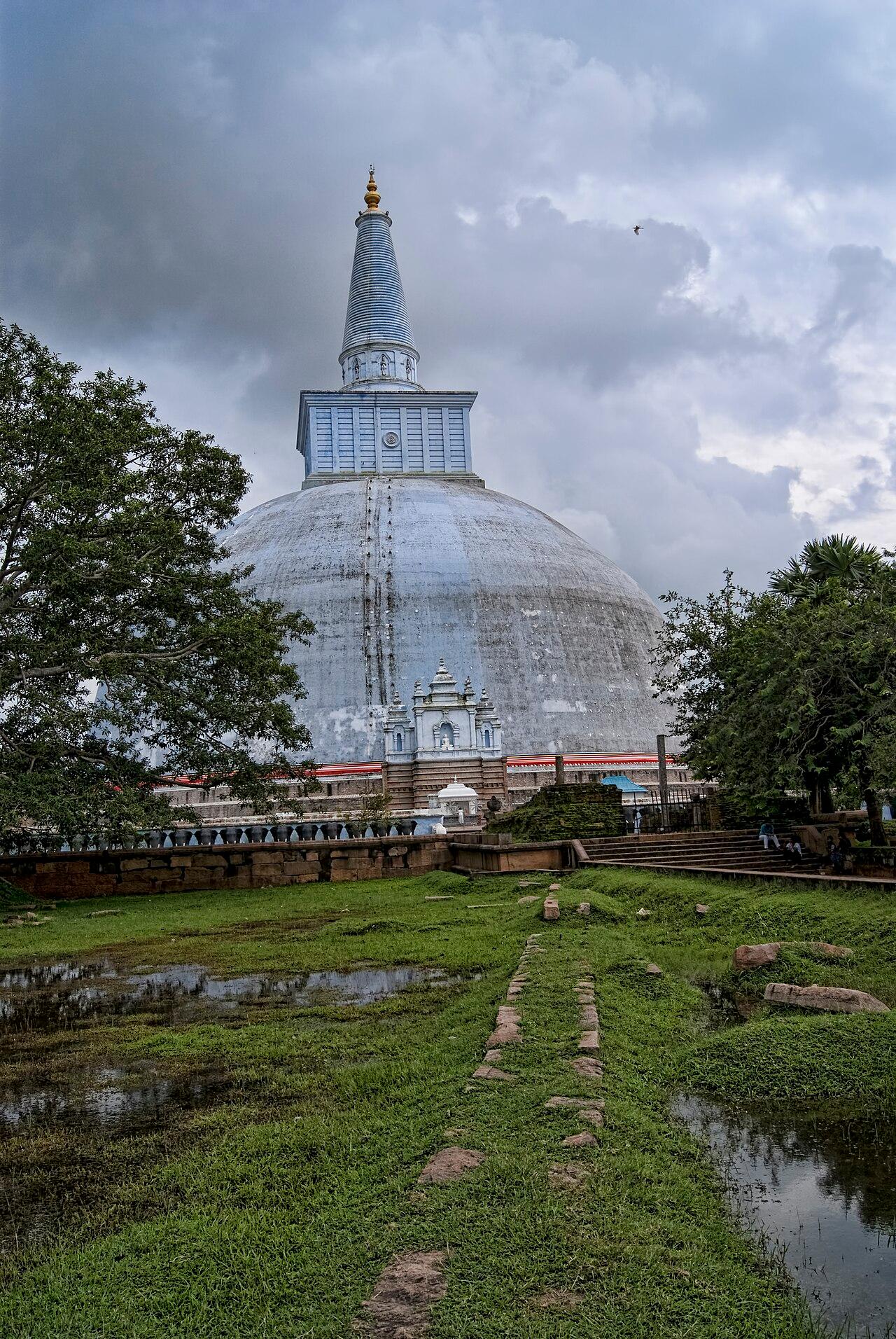
Stupas
Relic mounds and their carved railings and gateways.
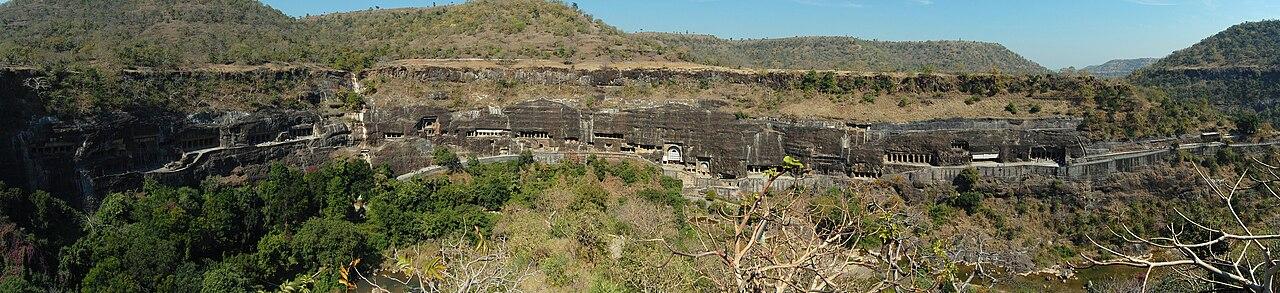
Cave architecture
Rock-cut monasteries and shrines.
Monastic complexes
Brick monasteries, temples and stucco.
Temples
From Gupta-period shrines to imperial Chola and Vijayanagara temples.
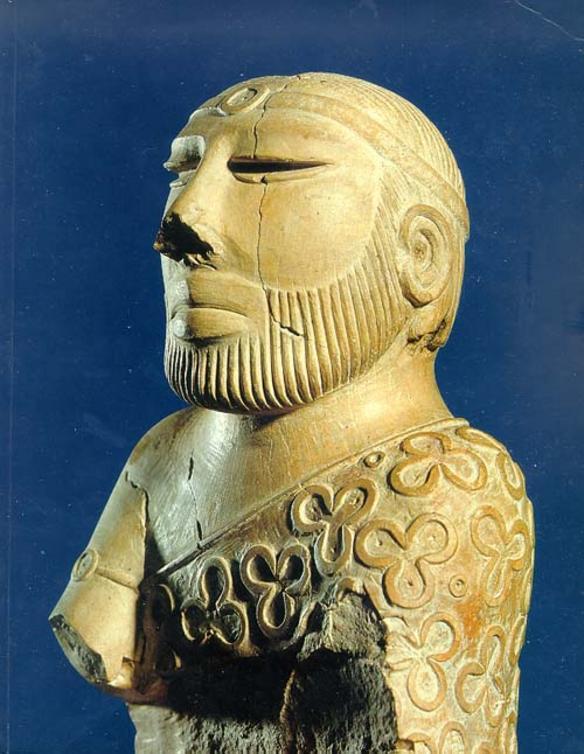
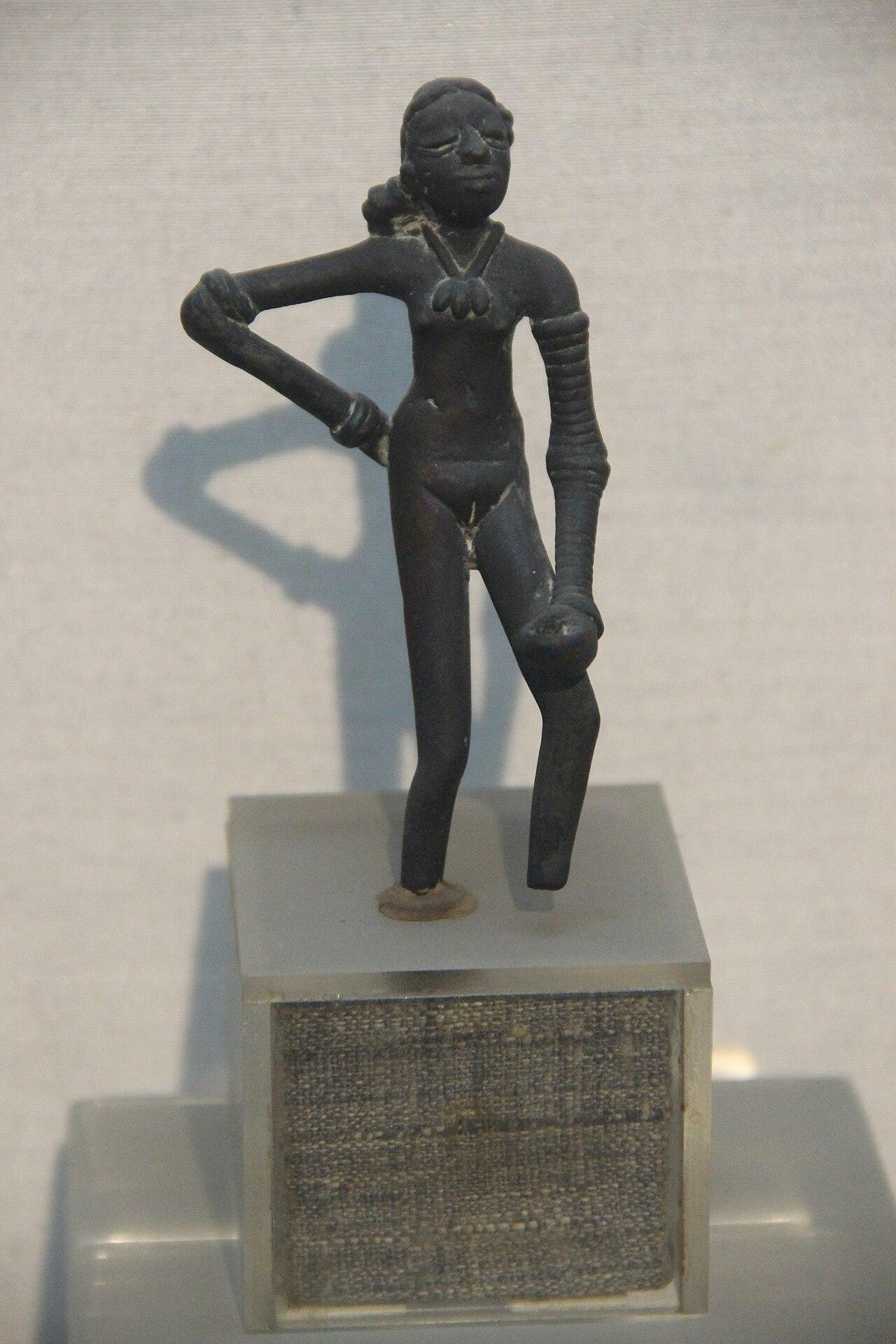
Sculpture & bronze
Steatite and lost-wax casting in the Bronze Age.
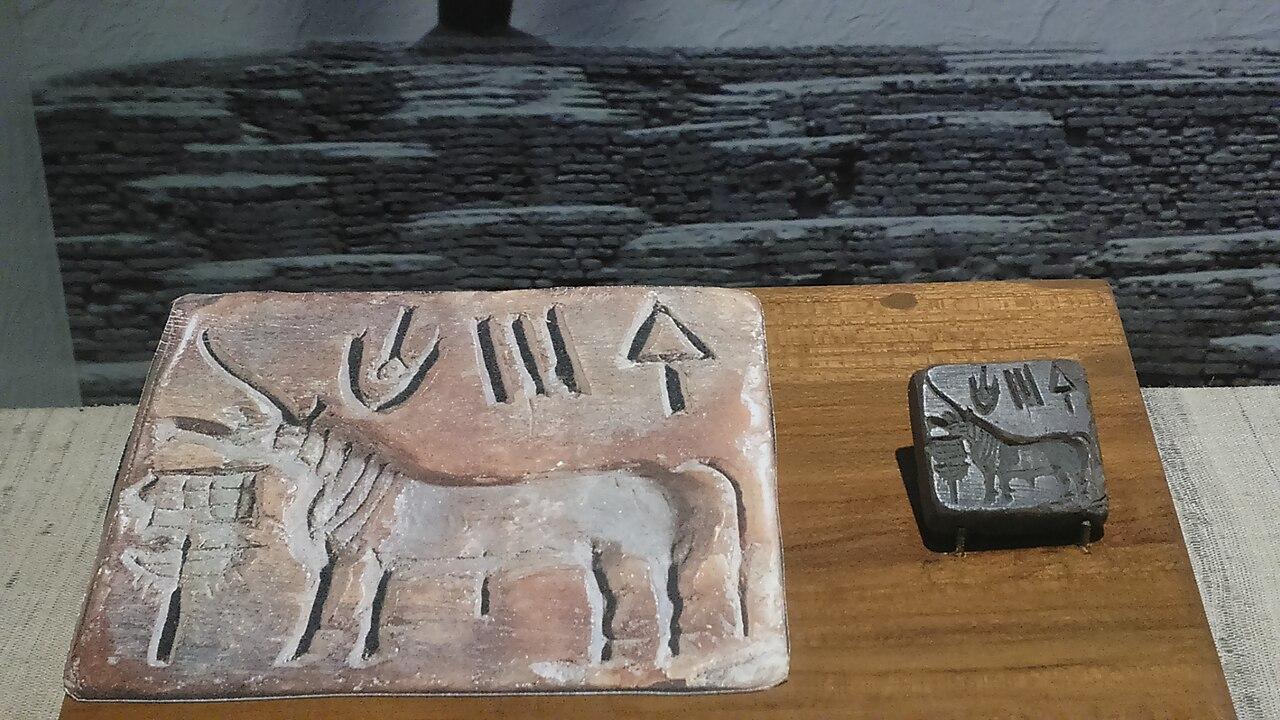
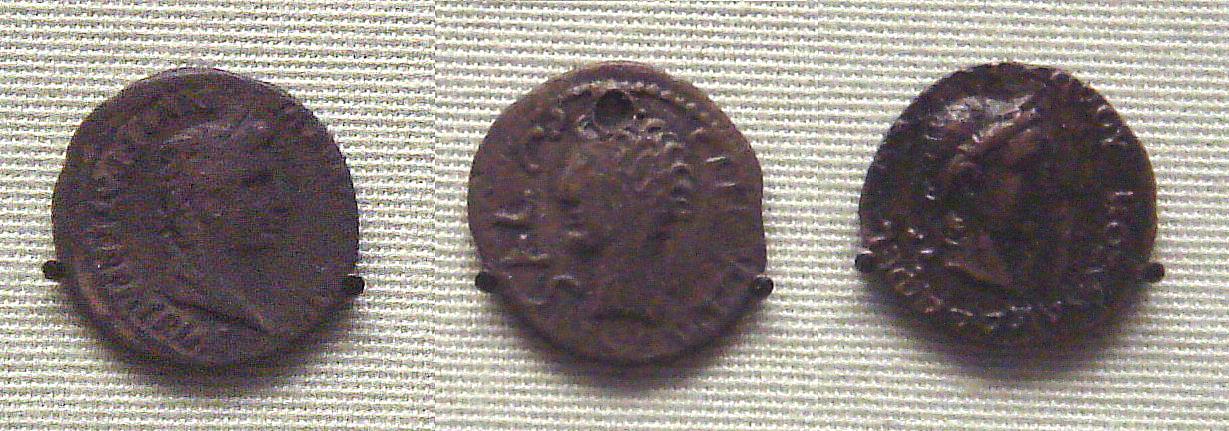
Seals & coins
Administration, trade and royal image-making.
Comparing traditions
Materials and forms across periods
| Tradition | Period | Principal materials | Characteristic forms |
|---|---|---|---|
| Harappan urban | c. 2600 – 1900 BCE(Approximate) | Standardised baked brick; dressed stone at Dholavira | Grid-like streets, drains, wells, platforms |
| Mauryan | c. 322 – 185 BCE(Conventional date) | Polished Chunar sandstone; timber | Free-standing pillars with animal capitals; rock-cut chambers |
| Early Buddhist (stupa) | 3rd century BCE – 12th century CE(Approximate) | Brick core, stone casing, railings and toranas | Hemispherical dome over relics, circumambulatory path |
| Deccan rock-cut | c. 2nd century BCE – c. 480 CE(Approximate) | Excavated basalt | Chaitya halls and vihara monasteries |
| Chola temple | Temple completed c. 1010 CE(Secure date) | Granite | Towering vimana over the sanctum; inscribed walls |
Everything tagged art & architecture
From the archive
Post-Mauryan Period
Regional kingdoms, Indo-Greek and Kushan rulers in the north, the Satavahanas in the Deccan, Tamil chiefdoms in the south — and an ocean trade linking all of them to Rome.
Gupta and Classical Period
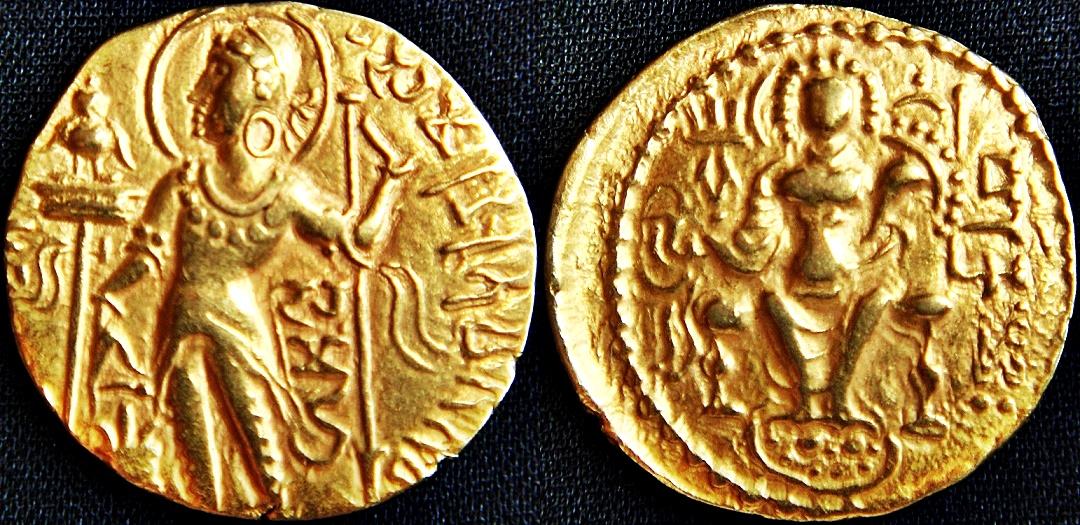
The Gupta kings ruled from the Ganga valley while Sanskrit became the dominant language of royal inscriptions. A period of temple architecture, mathematics and monastic learning.
Kushan Empire
An empire of Central Asian origin that controlled Bactria, Gandhara and the Ganga plain, linking the Silk Road with Indian trade networks.
Gupta Empire
A dynasty of the Ganga valley whose kings, through conquest, tribute and marriage alliance, dominated north India from the 4th to the 6th century CE.
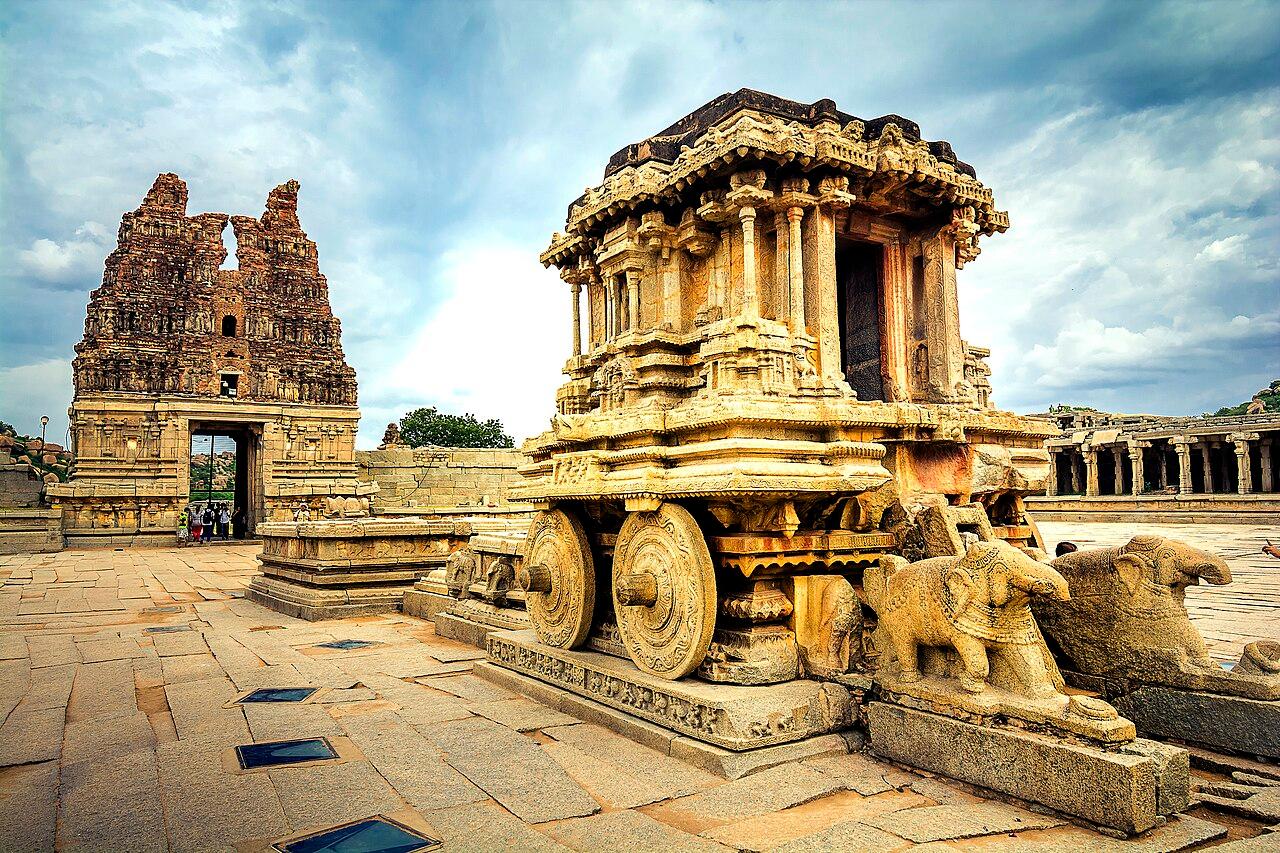
Vijayanagara Empire
A south Indian empire founded in 1336, with its capital at Hampi, that dominated the peninsula until its defeat in 1565.
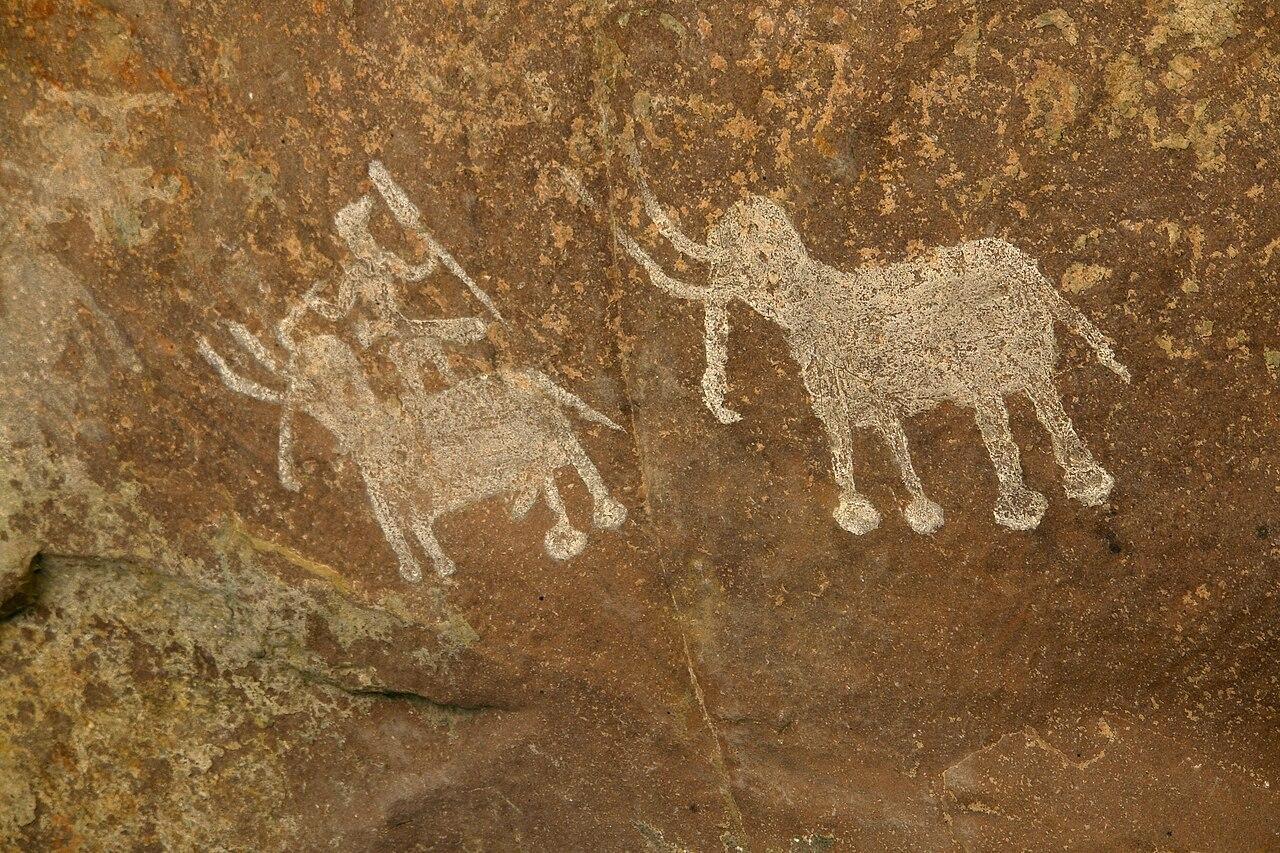
Bhimbetka
A dense cluster of sandstone rock shelters in the foothills of the Vindhyas, with stone-tool deposits reaching back to the Acheulian and paintings spanning from the Mesolithic into historical times.
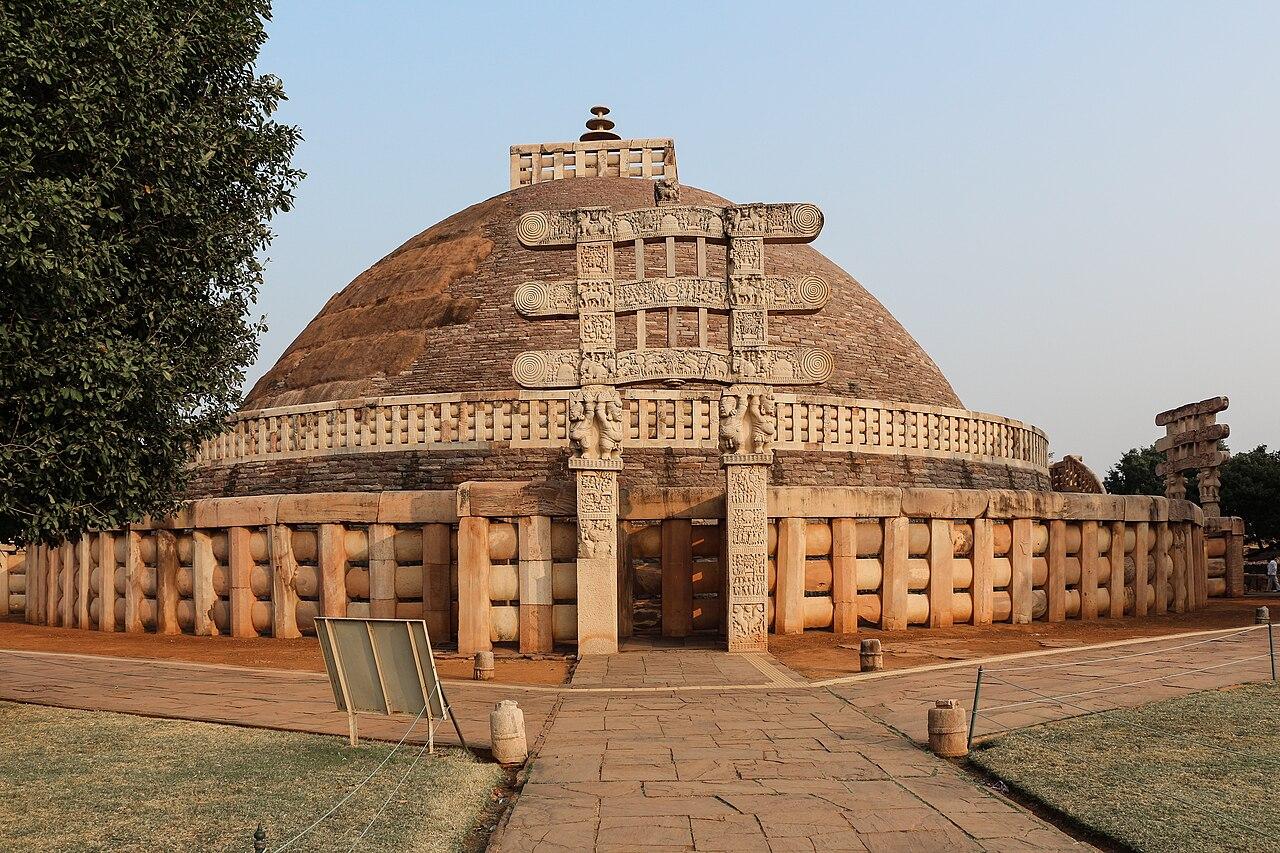
Sanchi
A hilltop Buddhist complex whose Great Stupa originated under Ashoka and was enlarged in the following centuries, with four carved gateways.
Sarnath
The place where, according to Buddhist tradition, the Buddha gave his first sermon. Site of the Ashokan pillar whose capital became India's national emblem.
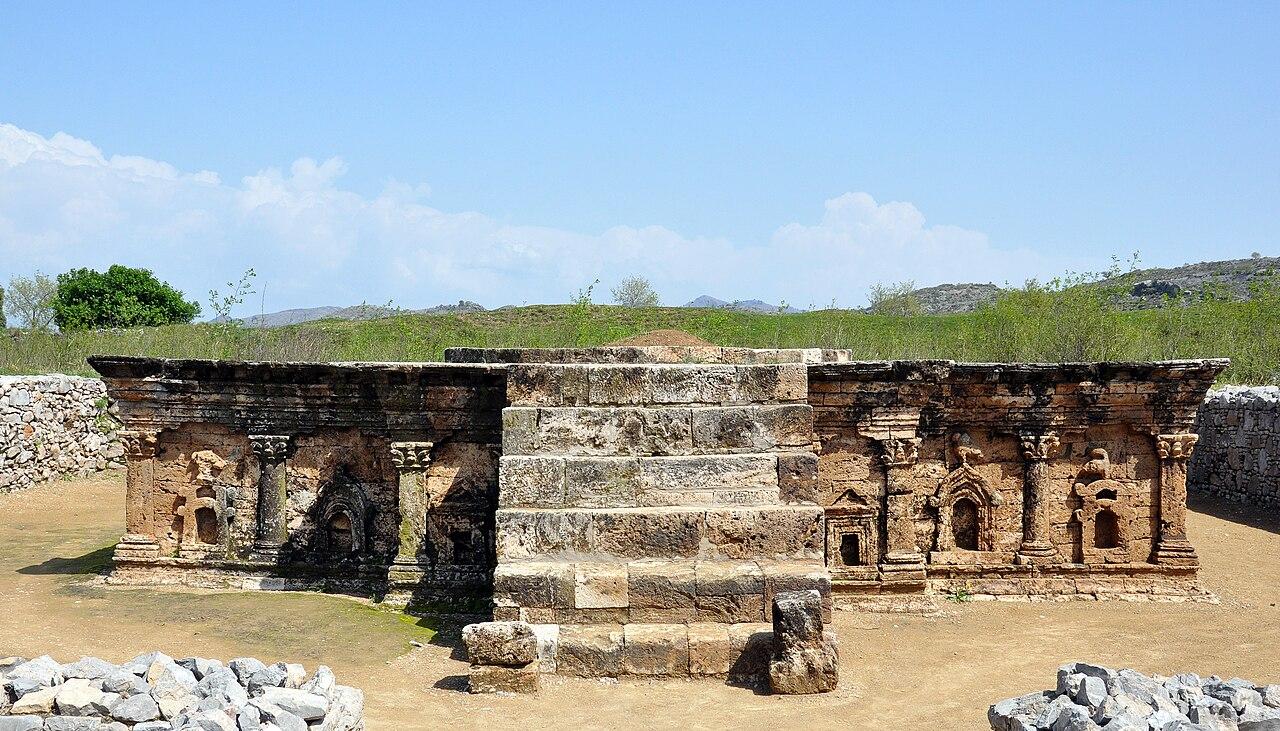
Taxila
A cluster of cities and Buddhist monasteries at the crossroads of South and Central Asia, successively under Achaemenid, Mauryan, Indo-Greek, Saka-Parthian and Kushan rule.
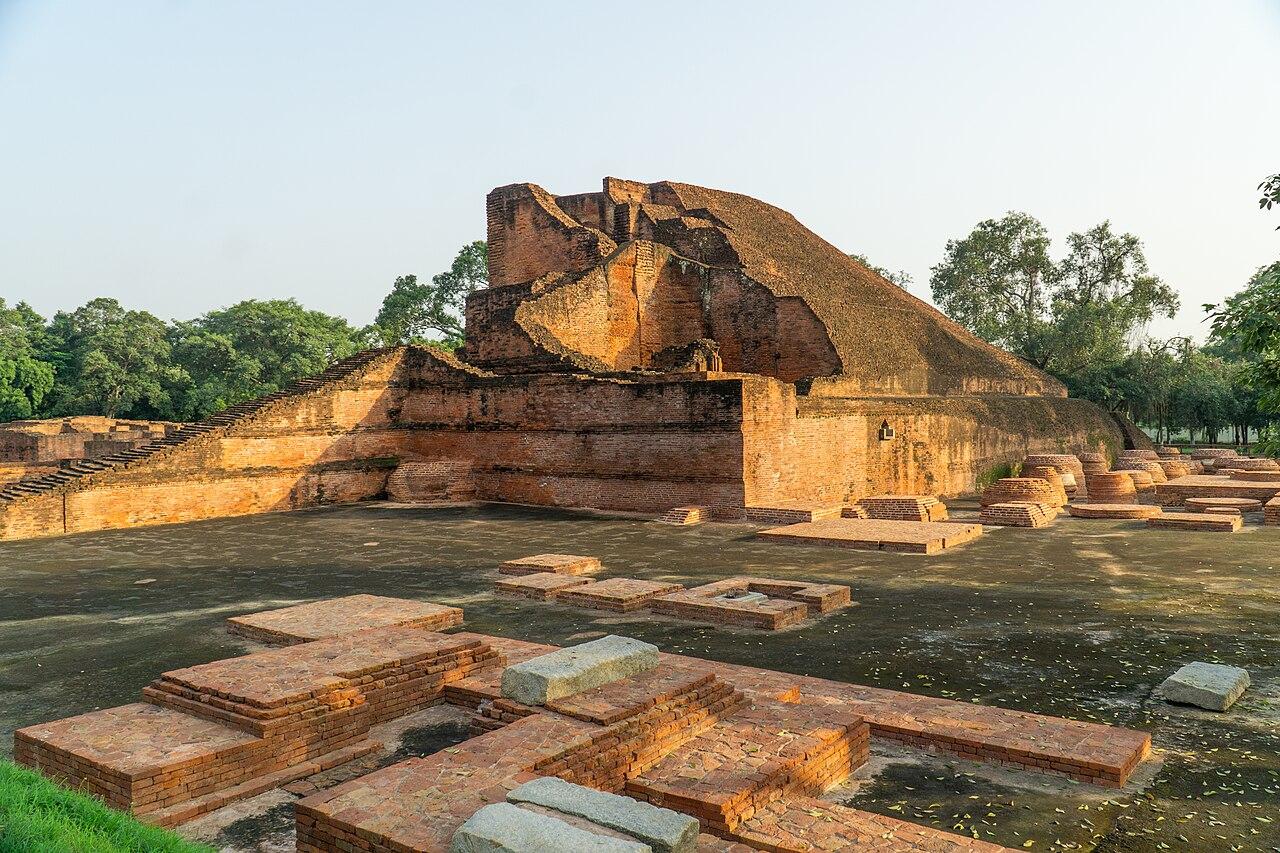
Nalanda Mahavihara
A great Buddhist monastic university that flourished from the Gupta period to the 12th century, visited by the Chinese pilgrim Xuanzang.
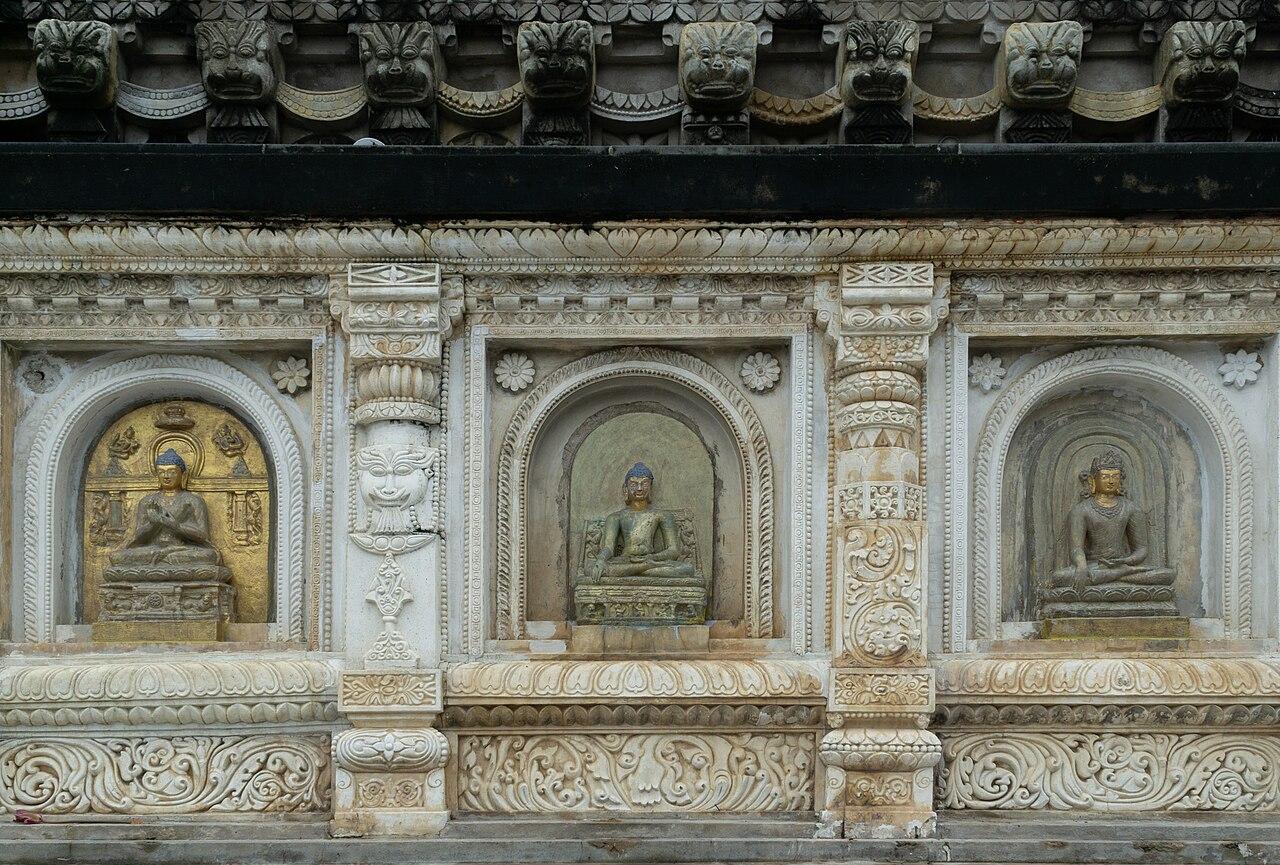
Bodh Gaya
Site of the Buddha's enlightenment in Buddhist tradition. The present brick Mahabodhi Temple dates in its core to the 5th–6th century CE.
Amaravati
Site of a great stupa in the lower Krishna valley whose carved limestone reliefs are among the masterpieces of early Buddhist art.