Artefact
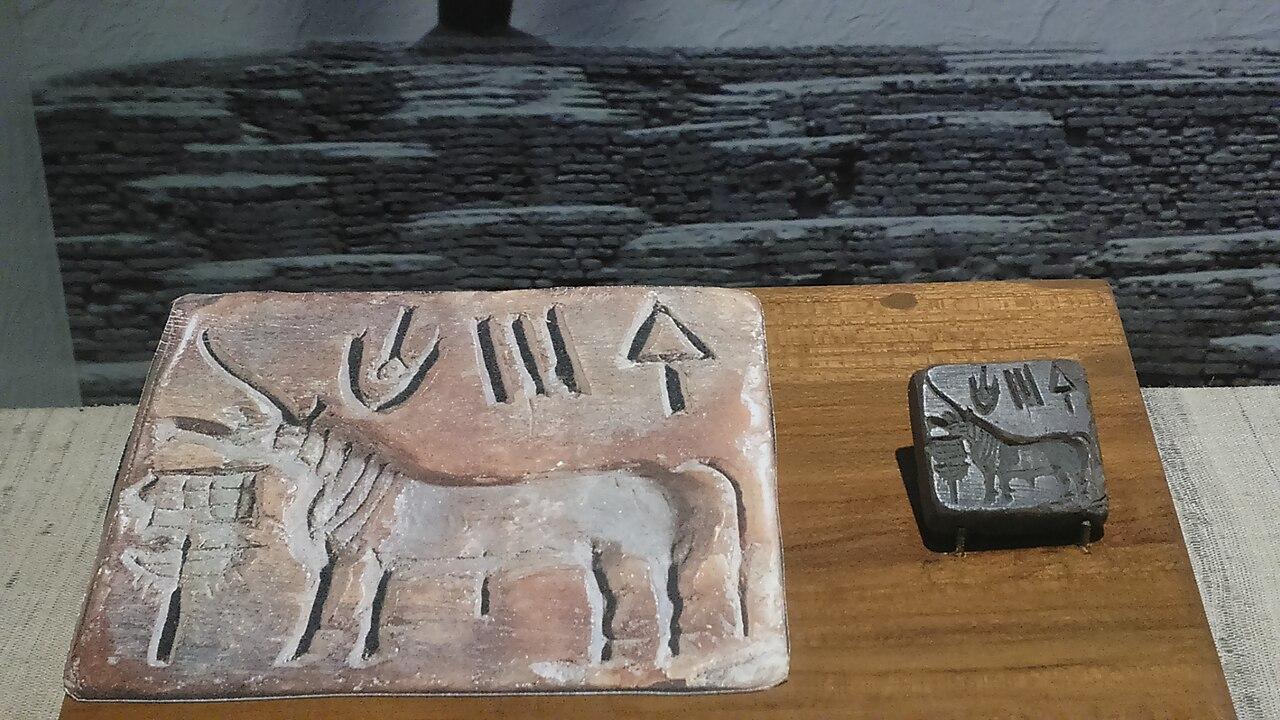
Indus 'unicorn' seal
Square steatite stamp seals showing a single-horned bovine before a stand, with a line of Indus signs above. The unicorn is the most common motif on Indus seals.
Historical interpretation
What the object tells us — and what it doesn't
Seals are thought to have been used to mark goods and identify individuals or groups. Whether the animal is meant to have one horn or is a two-horned animal in profile is debated.
Connected to Indus 'unicorn' seal
Continue exploring
Indus script
Short sequences of signs on seals, tablets and pottery from the Indus civilisation. Undeciphered.
Indus Valley Civilisation
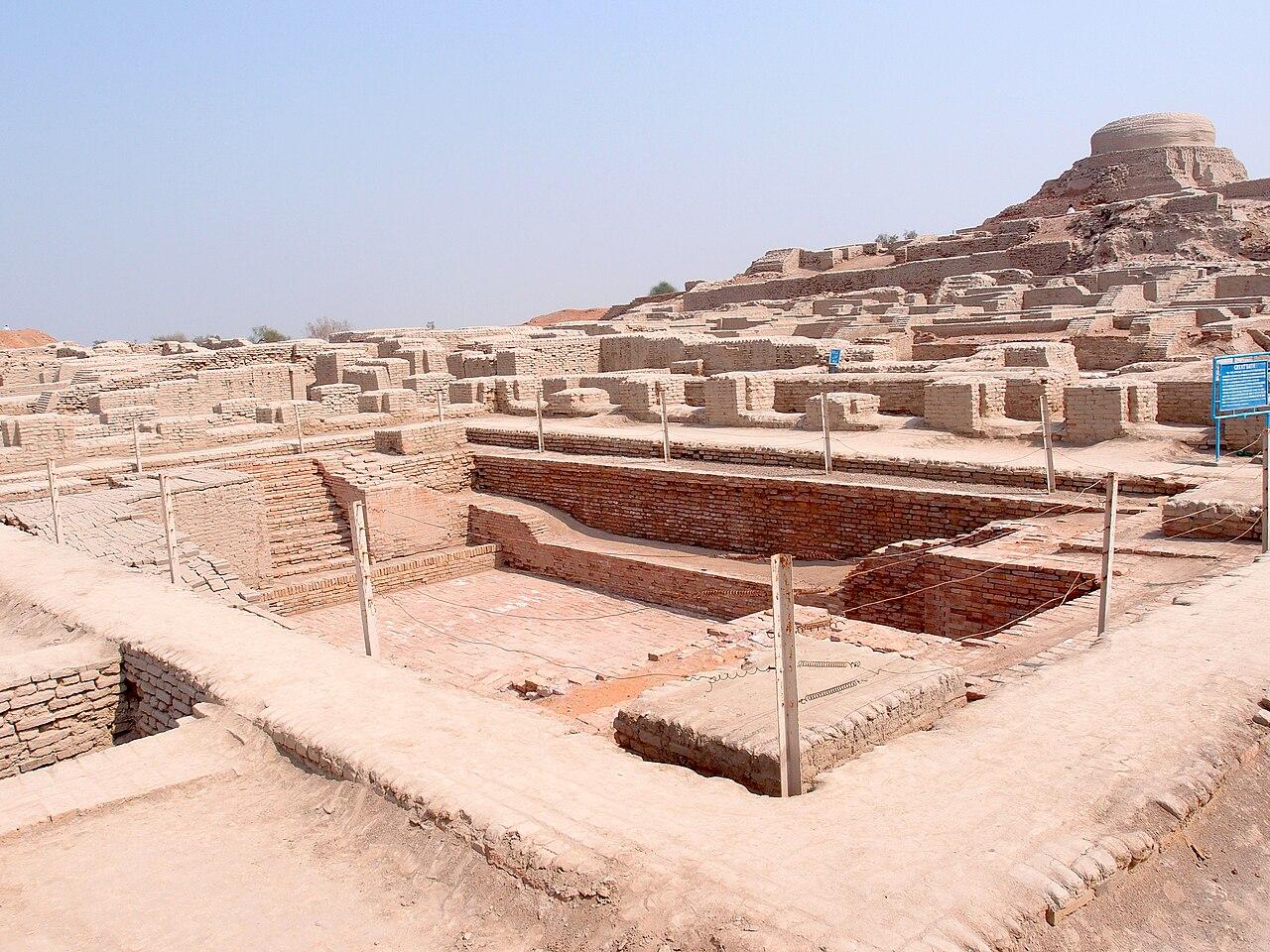
A Bronze Age urban tradition spanning more than a million square kilometres, known for planned cities, standardised weights, craft specialisation and an undeciphered script.
Harappa
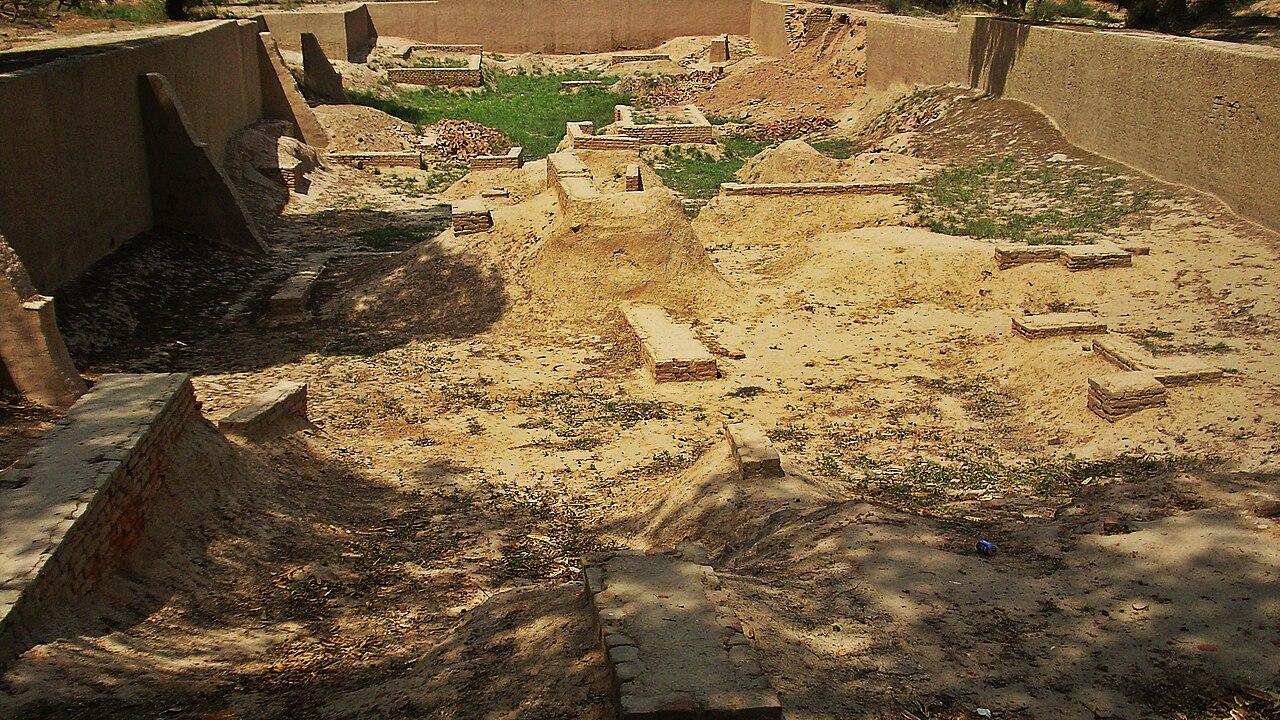
The first Indus city to be excavated, giving its name to the Harappan civilisation. A long occupation sequence from the Ravi phase to the Late Harappan period.
Mohenjo-daro
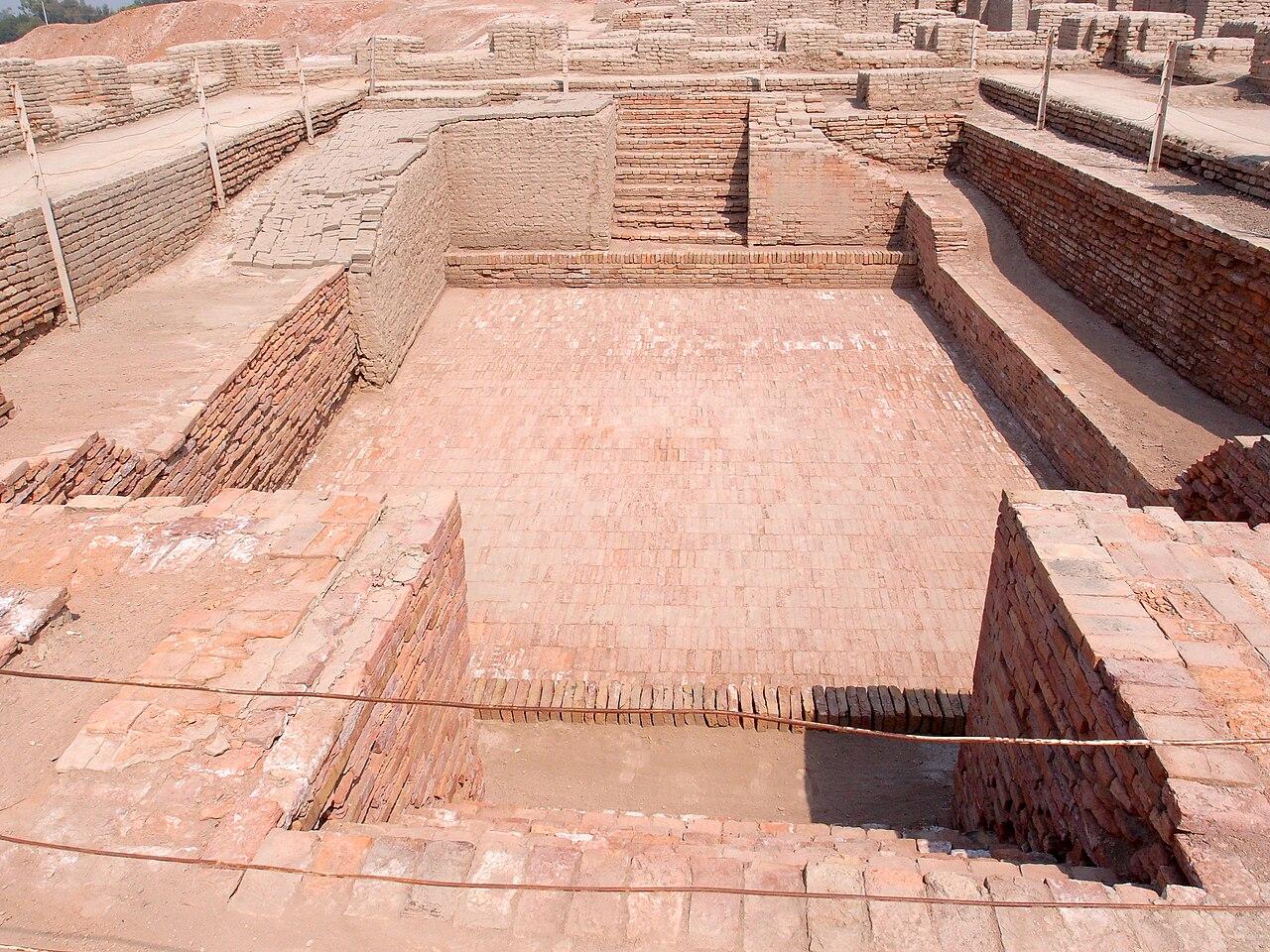
The largest excavated Indus city, laid out on a citadel mound and a lower town with baked-brick houses, wells, covered drains and the Great Bath.
The Rise and Decline of the Indus Civilisation
From Mehrgarh's farmers to deurbanisation, in sites, artefacts, genomes and climate records.
Sources & Further Reading
Sources & further reading
- bookKenoyer, J. M. (1998). Ancient Cities of the Indus Valley Civilization. Oxford University Press.
- bookParpola, A. (1994). Deciphering the Indus Script. Cambridge University Press.