Archaeological site
Harappa
The first Indus city to be excavated, giving its name to the Harappan civilisation. A long occupation sequence from the Ravi phase to the Late Harappan period.
The Map Check
Location and neighbouring sites
From the Trenches
Excavation history
1920–1921
Daya Ram Sahni
Archaeological Survey of India
1926–1934
M. S. Vats
Archaeological Survey of India
1946
R. E. M. Wheeler
Archaeological Survey of India
1986 onward
G. F. Dales, J. M. Kenoyer, R. H. Meadow
Harappa Archaeological Research Project
Important findings
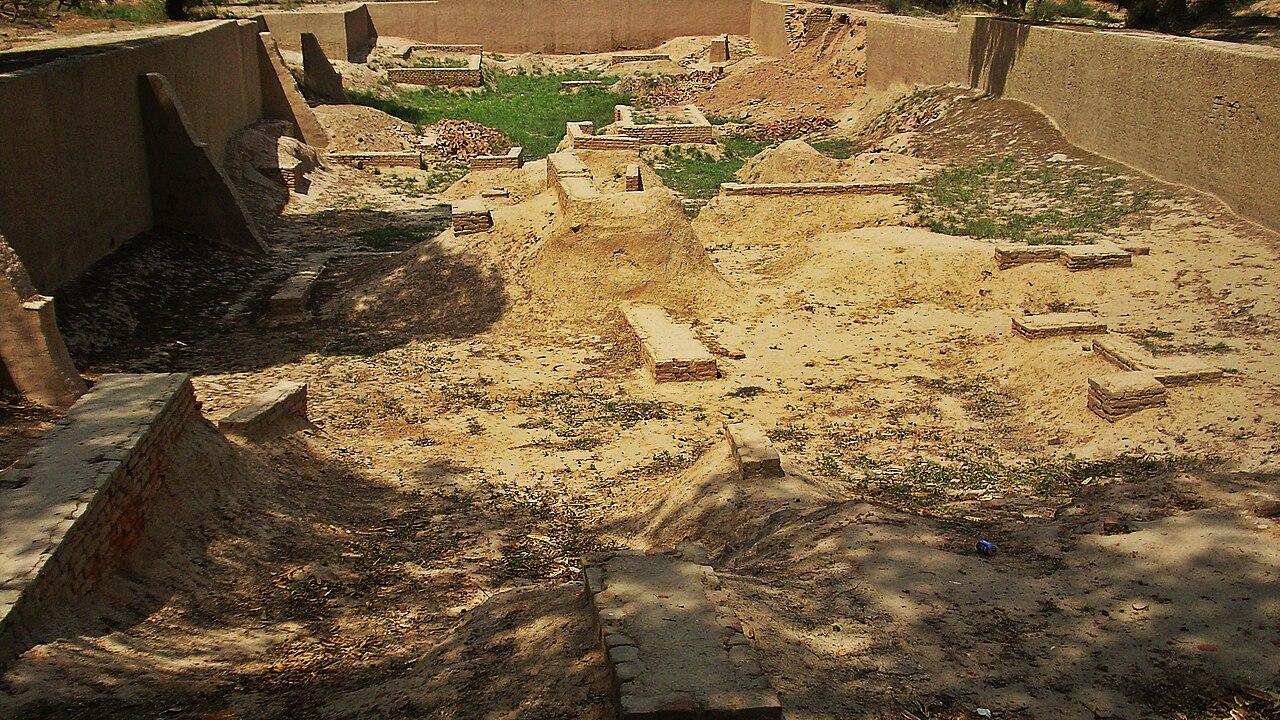
- Walled mounds and gateways
- Large brick structure traditionally called the 'Granary' (function debated)
- Cemetery R37 and the later Cemetery H
- Seals, weights and craft workshops
From the Trenches
From the trenches
Well supportedWhat does the archaeological evidence reveal?
Modern excavations by the Harappa Archaeological Research Project established that the city grew from a village of the Ravi phase into a large urban centre, with continuous occupation rather than a sudden foundation.
Early twentieth-century labels like 'Granary' or 'Great Hall' reflect the interpretive habits of their time. Many such functional labels are still used for convenience but are not established.
SourcesMeadow 1991; Kenoyer 1998
Artefacts
Finds from this site
Connected to Harappa
Connected to this site
Indus Valley Civilisation
A Bronze Age urban tradition spanning more than a million square kilometres, known for planned cities, standardised weights, craft specialisation and an undeciphered script.
Daya Ram Sahni
Archaeologist who directed the first excavations at Harappa in 1920–21, and later became Director-General of the ASI.
Mohenjo-daro
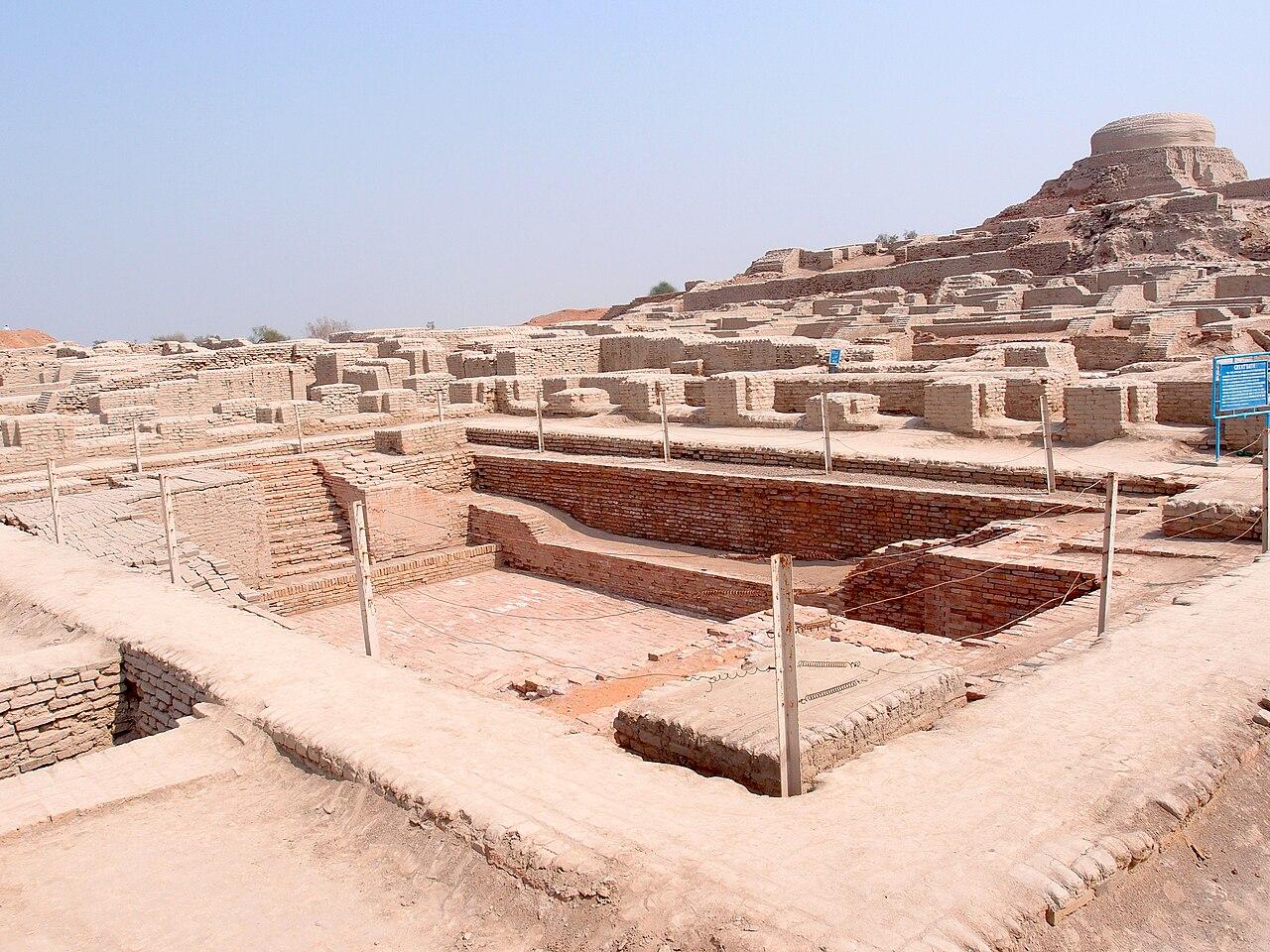
The largest excavated Indus city, laid out on a citadel mound and a lower town with baked-brick houses, wells, covered drains and the Great Bath.
Indus civilisation announced
John Marshall publicly announces the discovery of a previously unknown civilisation at Harappa and Mohenjo-daro.
Alexander Cunningham
British army engineer who became the first Archaeological Surveyor of India in 1861 and identified many Buddhist sites using Chinese pilgrims' accounts.
R. E. Mortimer Wheeler
Director-General of the ASI (1944–48) who introduced stratigraphic excavation methods and excavated Arikamedu, Brahmagiri and Harappa.
Rise of Indus cities
Regional Early Harappan traditions converge into the Mature Harappan urban phase.
Indus 'unicorn' seal
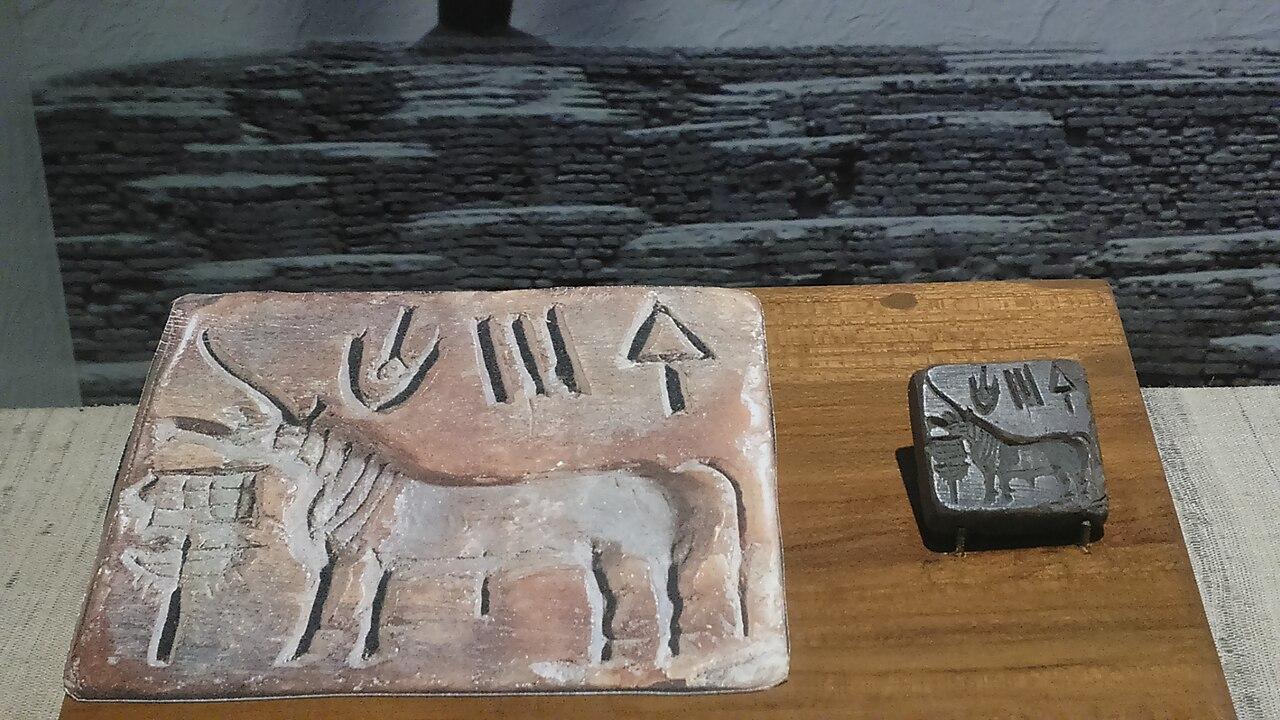
Square steatite stamp seals showing a single-horned bovine before a stand, with a line of Indus signs above. The unicorn is the most common motif on Indus seals.
Sources & Further Reading
Sources & further reading
- excavation reportVats, M. S. (1940). Excavations at Harappa. Government of India Press.
- excavation reportMeadow, R. H. (ed.) (1991). Harappa Excavations 1986–1990: A Multidisciplinary Approach to Third Millennium Urbanism. Prehistory Press.
- bookKenoyer, J. M. (1998). Ancient Cities of the Indus Valley Civilization. Oxford University Press.