Archaeological site
Sanchi
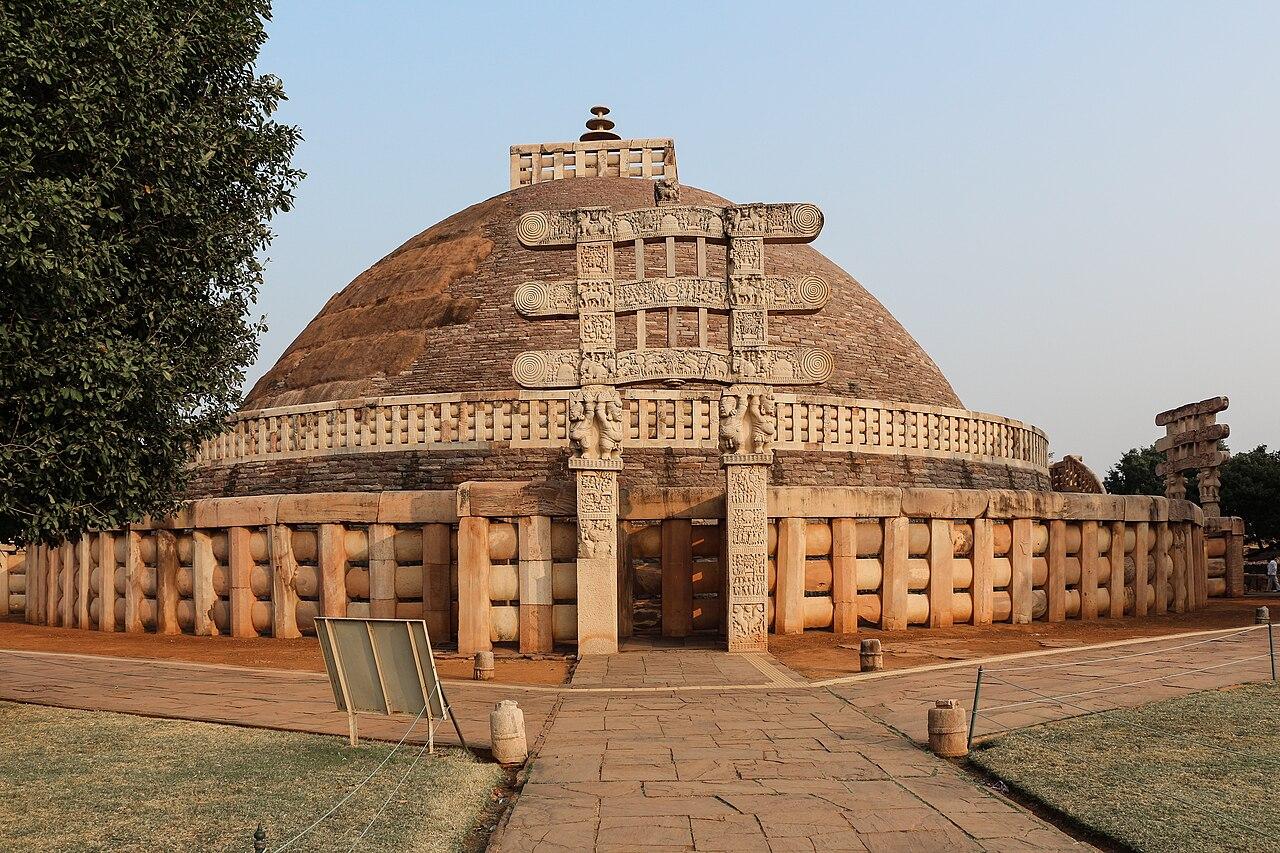
A hilltop Buddhist complex whose Great Stupa originated under Ashoka and was enlarged in the following centuries, with four carved gateways.
The Map Check
Location and neighbouring sites
From the Trenches
Excavation history
1912–1919
John Marshall
Archaeological Survey of India
Important findings
- Stupa 1 (Great Stupa) with stone railing and four toranas
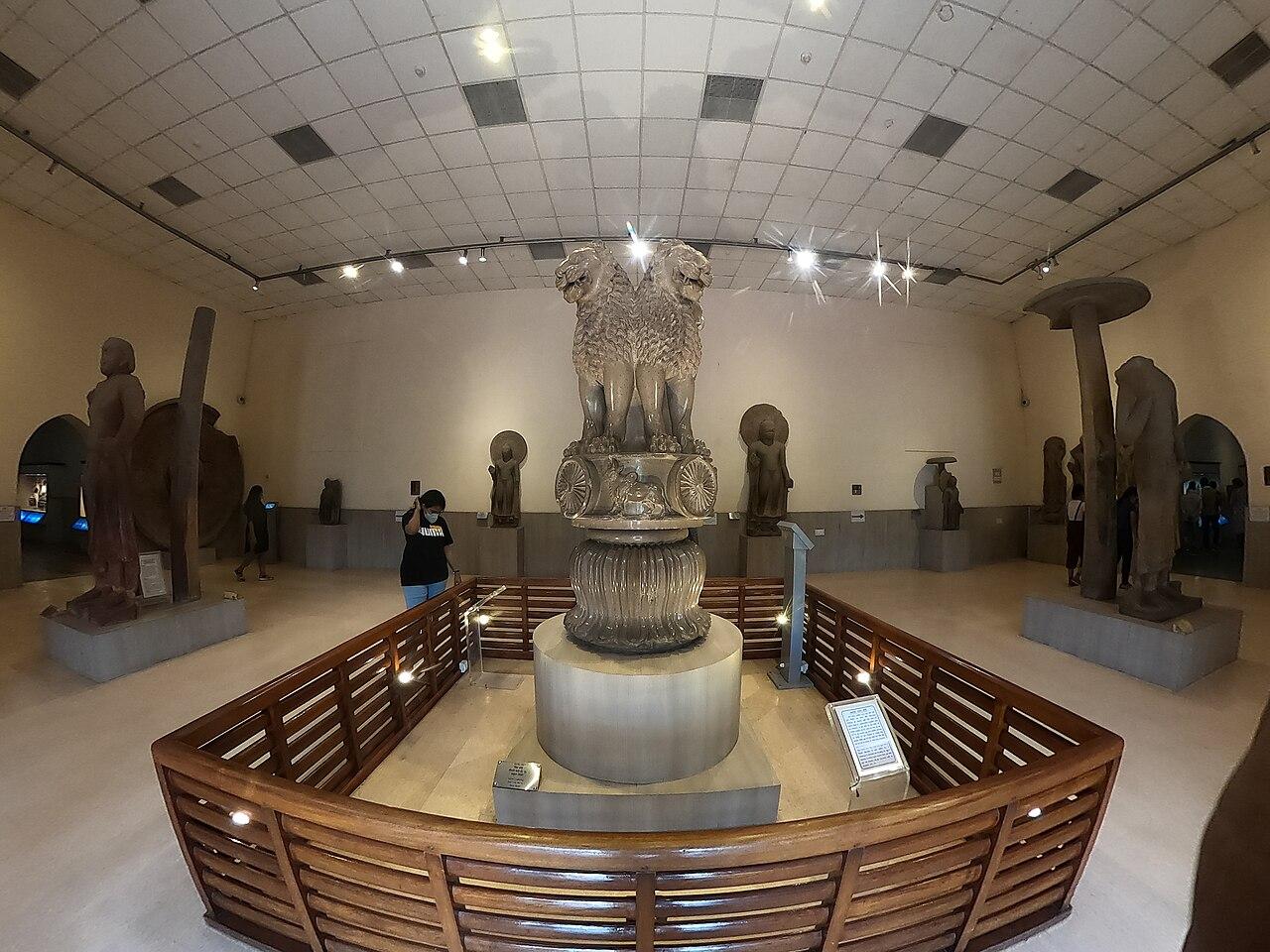
- An Ashokan pillar with a schism edict
- Donative inscriptions recording gifts by individuals and guilds
Connected to Sanchi
Connected to this site
Mauryan Empire
An empire centred on Pataliputra that, under Ashoka, extended from Afghanistan to the Deccan. It left the subcontinent's earliest securely dated inscriptions.
Ashoka
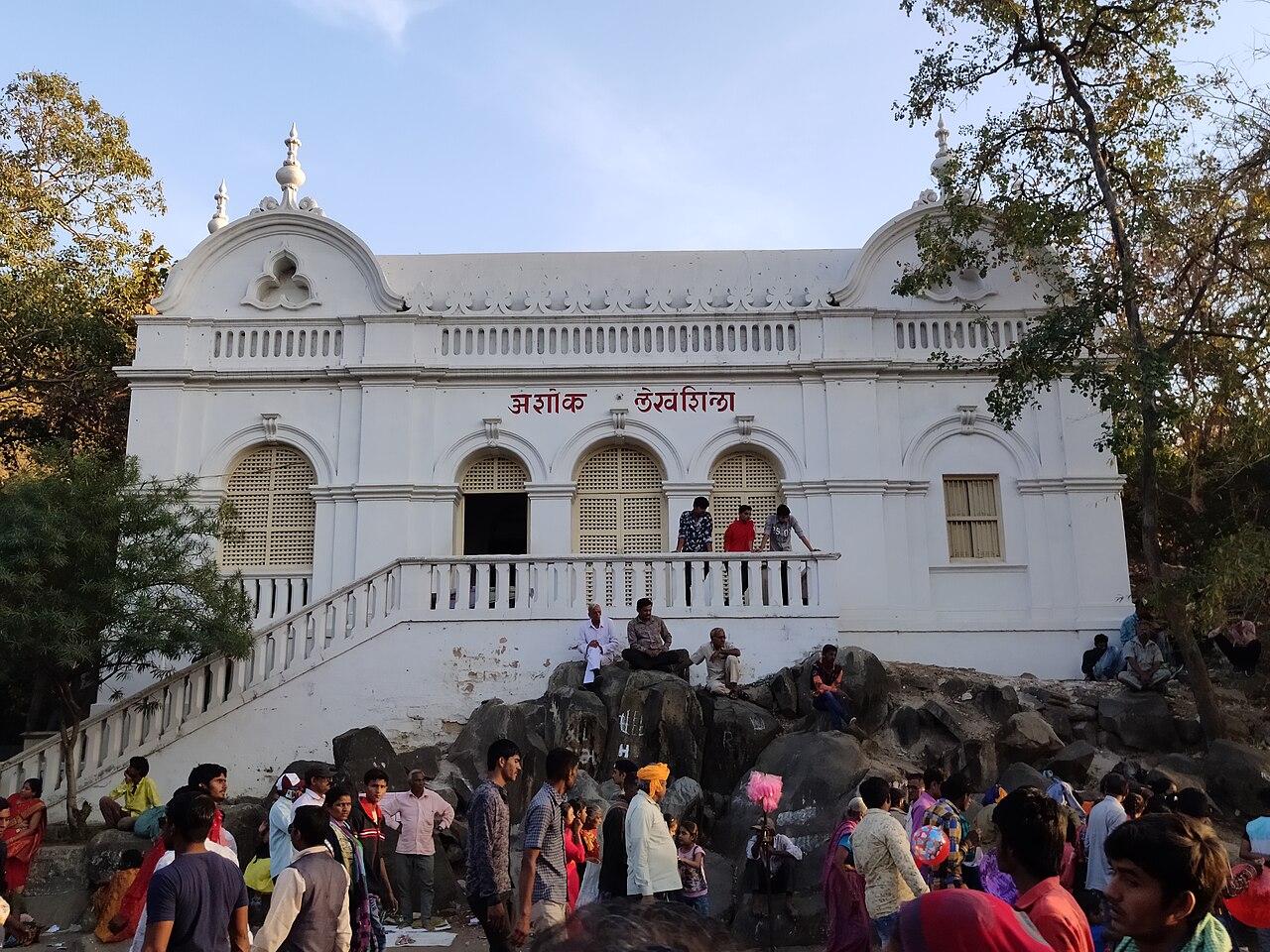
Mauryan emperor whose inscriptions, issued across the subcontinent, are the earliest substantial body of dated writing from South Asia after the Indus script.
Shunga Dynasty
The dynasty that succeeded the Mauryas in the Ganga valley and central India, founded by Pushyamitra.
Satavahana Dynasty
A Deccan dynasty whose inscriptions, coins and patronage of Buddhist sites mark the political consolidation of the peninsula between the Narmada and the Krishna.
John Marshall
Director-General of the Archaeological Survey of India (1902–1928) who announced the discovery of the Indus civilisation in 1924.
Ashoka and the Mauryan World
Edicts, stupas, pillars and the people around the Mauryan court.
Sources & Further Reading
Sources & further reading
- unescoUNESCO World Heritage Centre (1989). Buddhist Monuments at Sanchi (List no. 524). whc.unesco.org/en/list/524
- bookSingh, U. (2008). A History of Ancient and Early Medieval India: From the Stone Age to the 12th Century. Pearson Longman.
- inscription corpusHultzsch, E. (1925). Inscriptions of Asoka. Corpus Inscriptionum Indicarum, Vol. I (new edition). Clarendon Press.