Ruler
Ashoka
Also: Asoka · Devanampiya Piyadasi · Priyadarsi · Aśoka
Mauryan emperor whose inscriptions, issued across the subcontinent, are the earliest substantial body of dated writing from South Asia after the Indus script.
Biography
Ashoka was the grandson of Chandragupta Maurya. In his inscriptions he calls himself Devanampiya Piyadasi ('Beloved of the Gods, of gracious mien'); his personal name appears in a small number of edicts, including the minor rock edict at Maski.
Major Rock Edict XIII describes the conquest of Kalinga, eight years after his consecration, and the king's remorse at the killing and deportation that followed. The edicts promote dhamma — a moral code of restraint, tolerance between sects and care for living beings.
Later Buddhist traditions, especially in Sri Lanka, present Ashoka as a model Buddhist king. These texts were compiled centuries later and are distinct from his own inscriptions.
Important contributions
- Rock and pillar edicts in Prakrit, Greek and Aramaic
- Patronage of Buddhist monuments including Sanchi
- Records of officials, provinces and relations with Hellenistic kings
The Historical Record
Primary sources
- Major and Minor Rock Edicts
- Pillar Edicts
- Later Buddhist chronicles (Dipavamsa, Mahavamsa, Ashokavadana)
What We Still Don't Know
Historical debates
- How far Ashoka's dhamma was a personal Buddhist commitment versus a political ideology
- The degree of central control over the territory where inscriptions appear
The Map Check
Geographic associations
Connected to Ashoka
Continue exploring
Mauryan Empire
An empire centred on Pataliputra that, under Ashoka, extended from Afghanistan to the Deccan. It left the subcontinent's earliest securely dated inscriptions.
Chandragupta Maurya
Founder of the Mauryan Empire, identified with the 'Sandrokottos' of Greek writers.
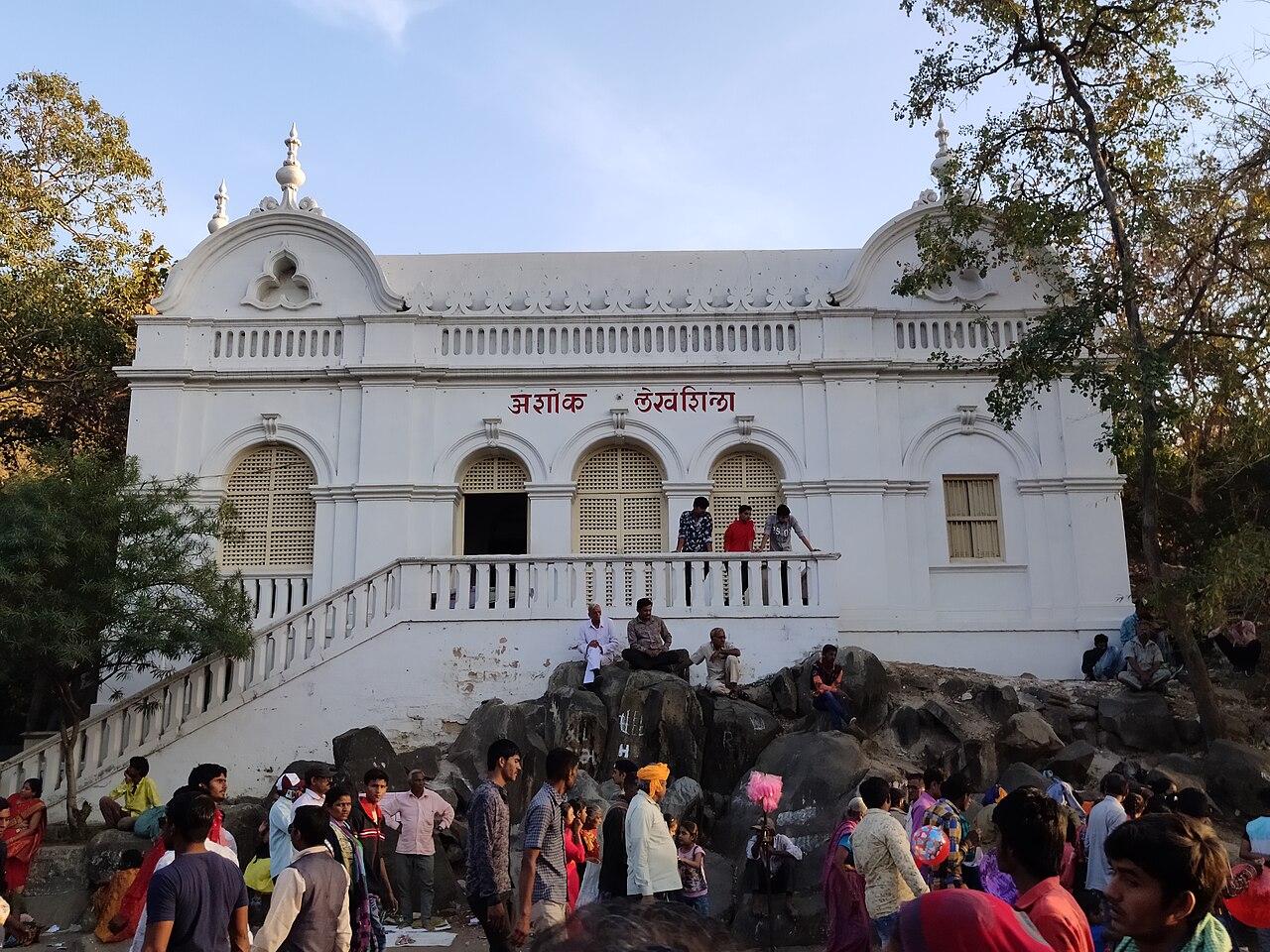
Junagadh Rock (Girnar)
A single granite boulder carrying three layers of history: Ashoka's fourteen major rock edicts, Rudradaman's Sanskrit inscription (c. 150 CE) and Skandagupta's record (mid-5th century CE).
Lumbini
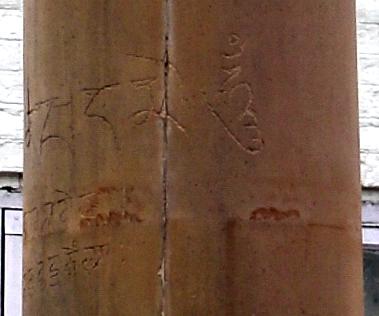
Birthplace of the Buddha in Buddhist tradition. An Ashokan pillar inscription records the emperor's visit and names the village as the Buddha's birthplace.
Sanchi
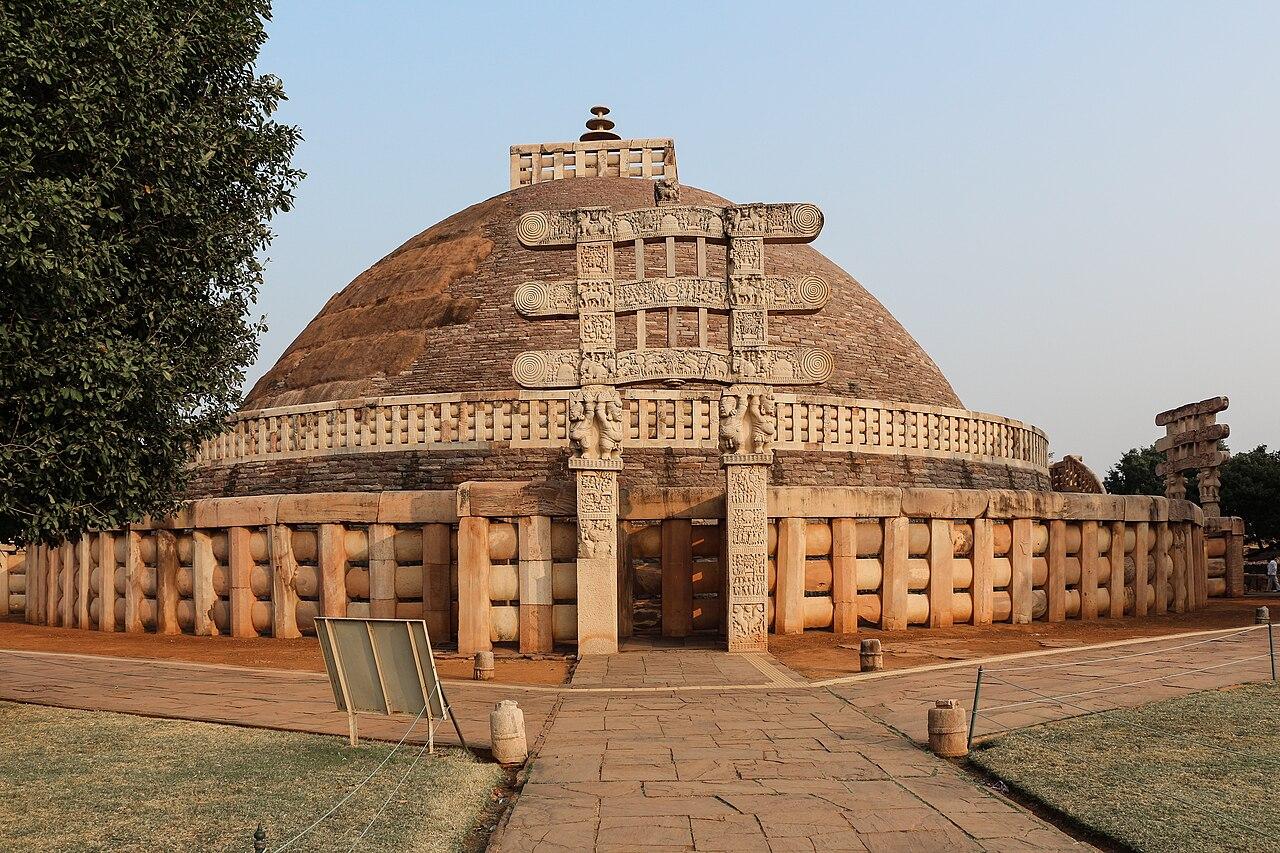
A hilltop Buddhist complex whose Great Stupa originated under Ashoka and was enlarged in the following centuries, with four carved gateways.
Sarnath
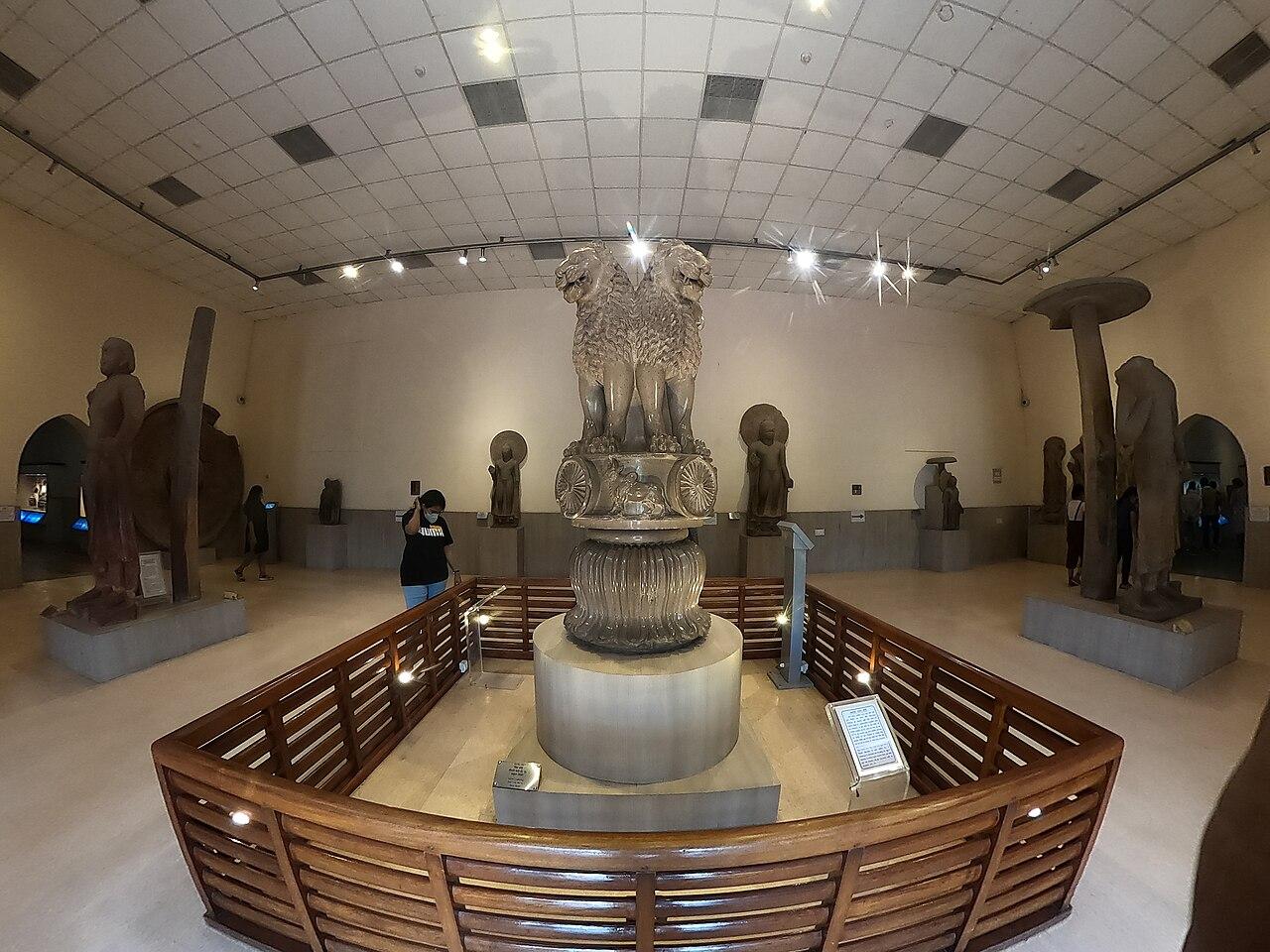
The place where, according to Buddhist tradition, the Buddha gave his first sermon. Site of the Ashokan pillar whose capital became India's national emblem.
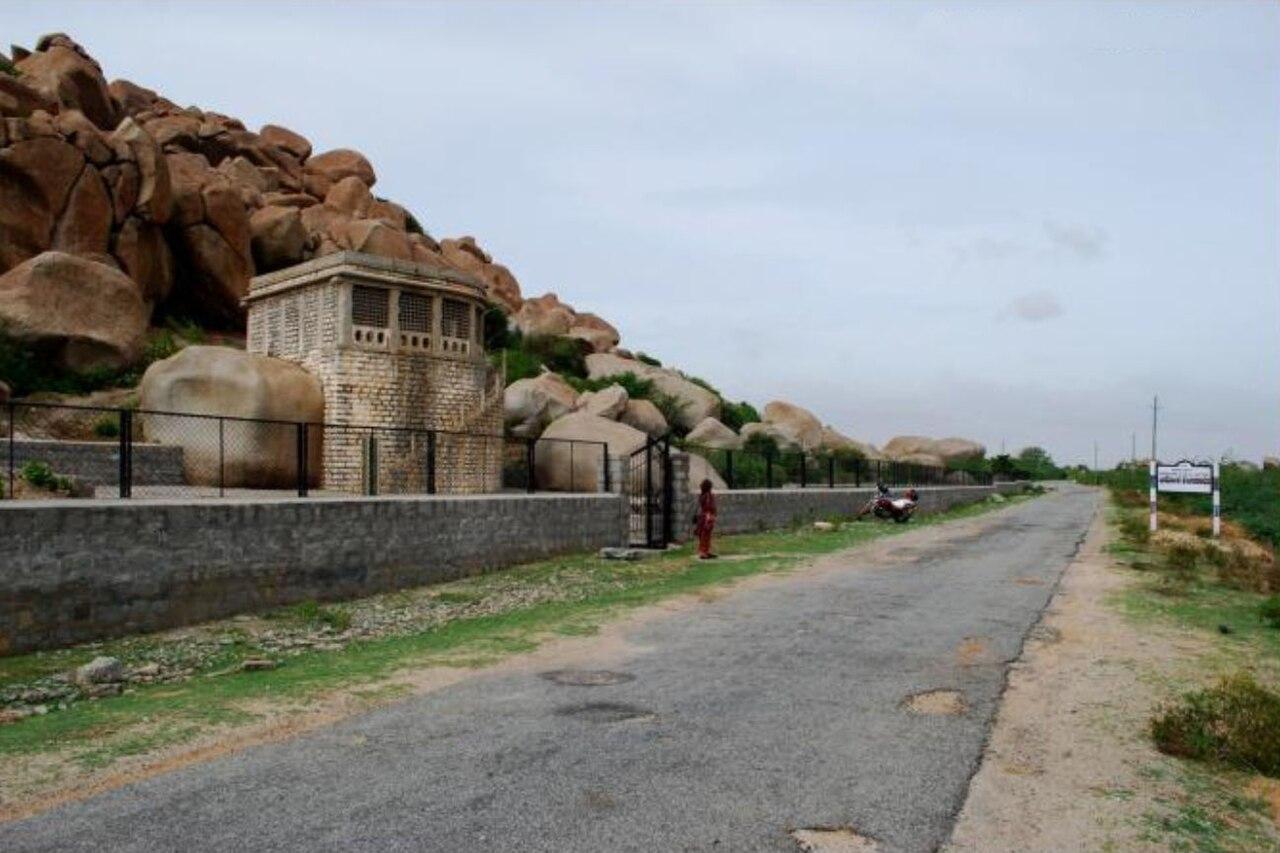
Brahmagiri
A site in Karnataka with an Ashokan minor rock edict and a stratified sequence — Neolithic-Chalcolithic, Megalithic and Early Historic — established by Wheeler's 1947 excavation.
Maski
Minor Rock Edict in which Ashoka is named directly as 'Asoka' — key to identifying the 'Devanampiya Piyadasi' of the edicts.
Sources & Further Reading
Sources & further reading
- inscription corpusHultzsch, E. (1925). Inscriptions of Asoka. Corpus Inscriptionum Indicarum, Vol. I (new edition). Clarendon Press.
- bookLahiri, N. (2015). Ashoka in Ancient India. Harvard University Press.
- bookThapar, R. (2002). Early India: From the Origins to AD 1300. Allen Lane / University of California Press.