Period 06 of 16
Mauryan Empire
Also: Maurya · Mauryan period · Ashokan
The first polity to unite most of the subcontinent. Its best evidence is not a chronicle but stone: Ashoka's inscriptions, spread from Kandahar to Karnataka.
Major developments
- 01Chandragupta Maurya establishes power at Pataliputra
- 02Treaty with Seleucus I; Megasthenes at the Mauryan court
- 03Ashoka's Kalinga war and inscriptions proclaiming dhamma
- 04Polished sandstone pillars and early stupas
- 05Earliest securely dated Brahmi and Kharoshthi inscriptions
The Map Check
Where this period happened
Click a point to open its record. Boundaries at 253 BCE from Cliopatria (Seshat), CC BY 4.0.
Polities & cultures
Civilisations, kingdoms and republics
Mauryan Empire
An empire centred on Pataliputra that, under Ashoka, extended from Afghanistan to the Deccan. It left the subcontinent's earliest securely dated inscriptions.
South Indian Iron Age – Megalithic culture
A long-lived tradition of monumental burial across the peninsula — cists, dolmens, stone circles, urn fields, rock-cut chambers and umbrella stones — associated with iron, Black-and-Red Ware and, later, early writing and trade.
Anuradhapura Kingdom
The first great Sri Lankan kingdom, centred on Anuradhapura, whose history is recorded in the Pali chronicles (Dipavamsa, Mahavamsa) and in Brahmi inscriptions. Its early dates follow the chronicles' chronology.
Yaudheya republic
A gana-sangha known from its coins and seals and named among the peoples who submitted to Samudragupta — a reminder that republics outlived the age of the Buddha.
Nanda dynasty
Rulers of Magadha before the Mauryas, remembered in Indian and Greek accounts for a very large army and great wealth. Their own dates rest on later king-lists and are approximate; Chandragupta Maurya overthrew them around 321 BCE.
Kalinga
Coastal region between the Mahanadi and Godavari deltas. Ashoka's Thirteenth Rock Edict records its conquest in his eighth regnal year, about 261 BCE, and the suffering the war caused; the Mauryan administration then governed it from Tosali. Its political form before the conquest is poorly documented.
Greco-Bactrian Kingdom
Hellenistic kingdom north of the Hindu Kush that broke from the Seleucids in the mid-3rd century BCE. Its kings pushed south into Gandhara and the Punjab in the early 2nd century BCE, where the Indo-Greek kingdoms followed; Bactria itself fell to nomadic groups by about 130 BCE. The chronology is reconstructed largely from coins.
From the trenches
Archaeological sites
Kausambi
Capital of the Vatsa mahajanapada, with massive earthen and brick ramparts.
Pataliputra
Capital of Magadha from the late 5th or 4th century BCE and of the Mauryan Empire. Its remains lie beneath modern Patna.
Sanchi
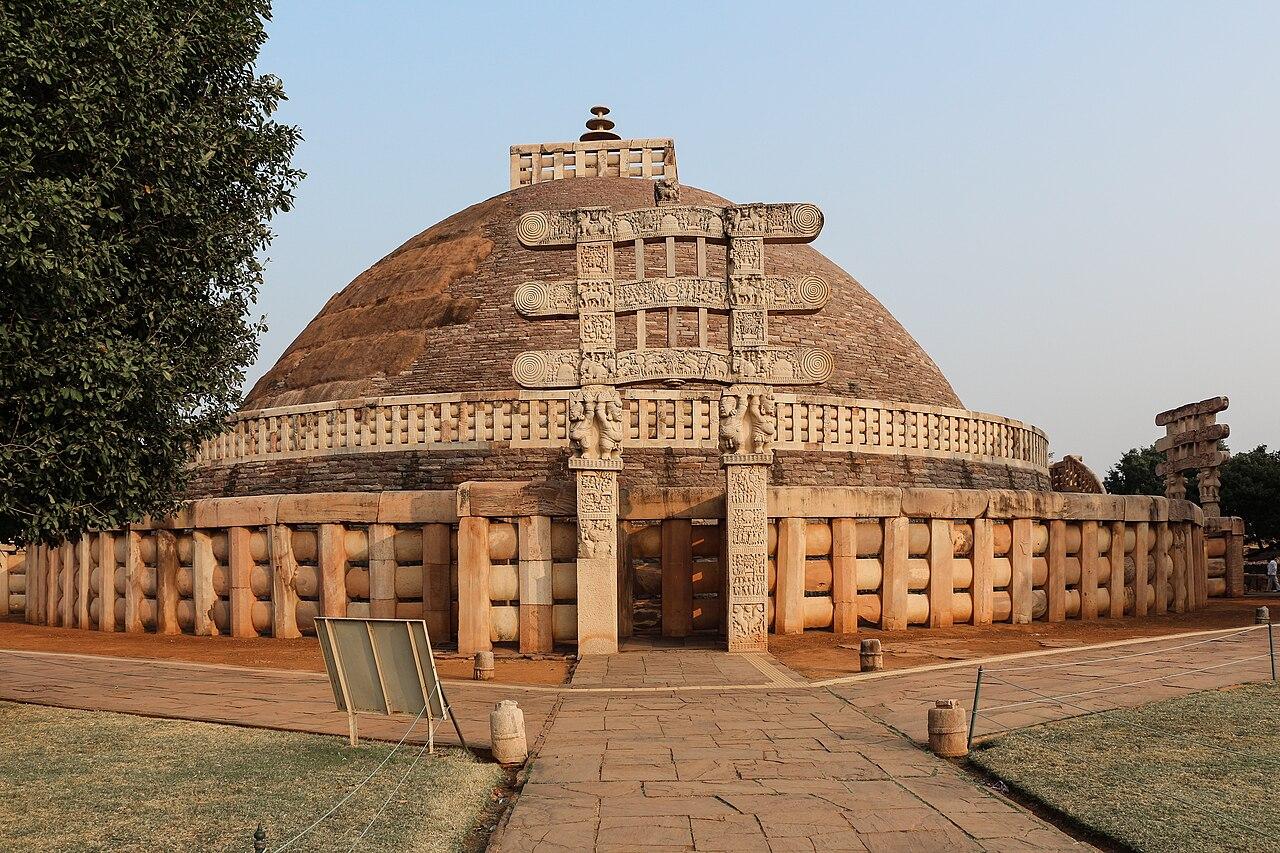
A hilltop Buddhist complex whose Great Stupa originated under Ashoka and was enlarged in the following centuries, with four carved gateways.
Sarnath
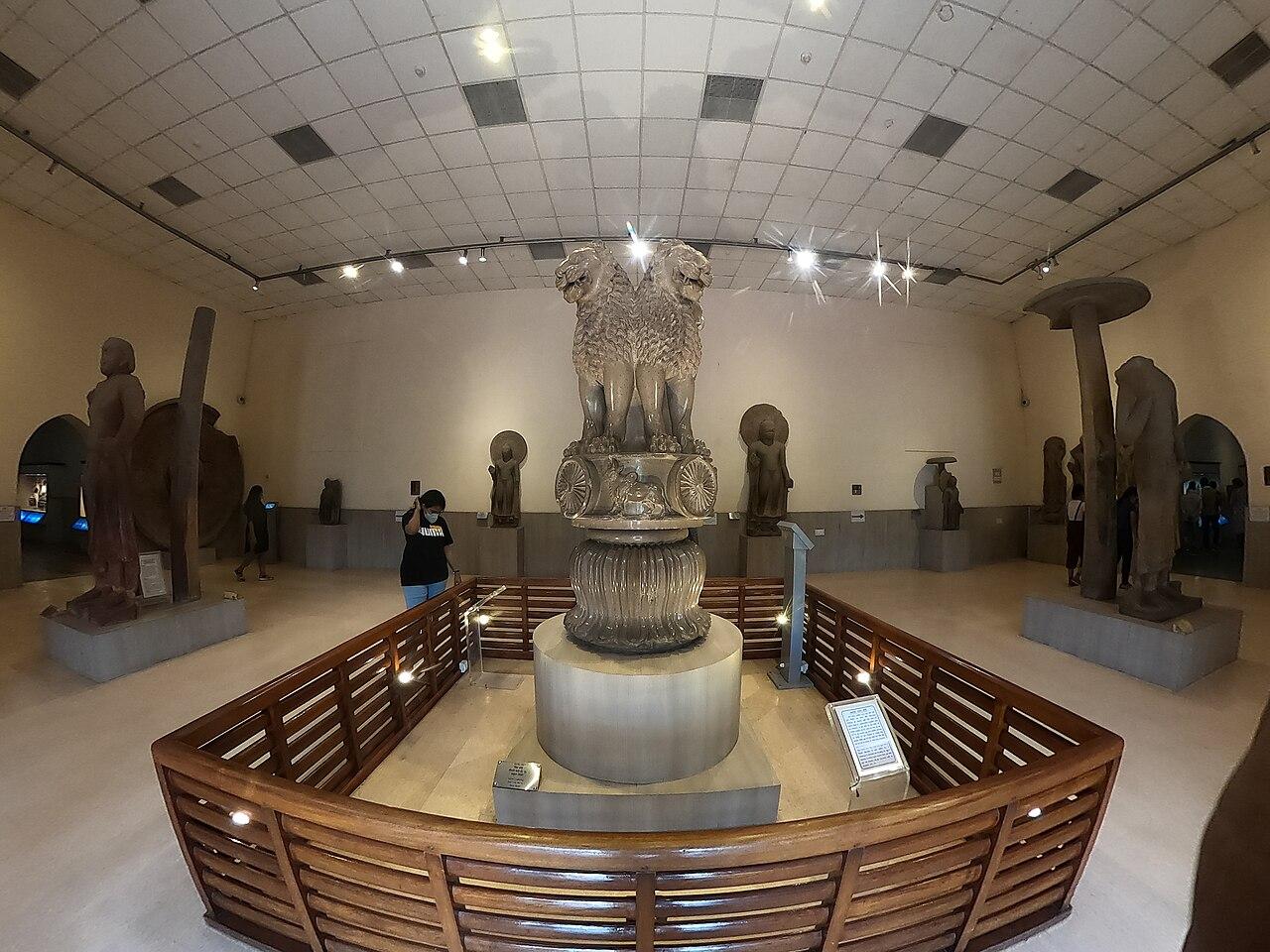
The place where, according to Buddhist tradition, the Buddha gave his first sermon. Site of the Ashokan pillar whose capital became India's national emblem.
Taxila
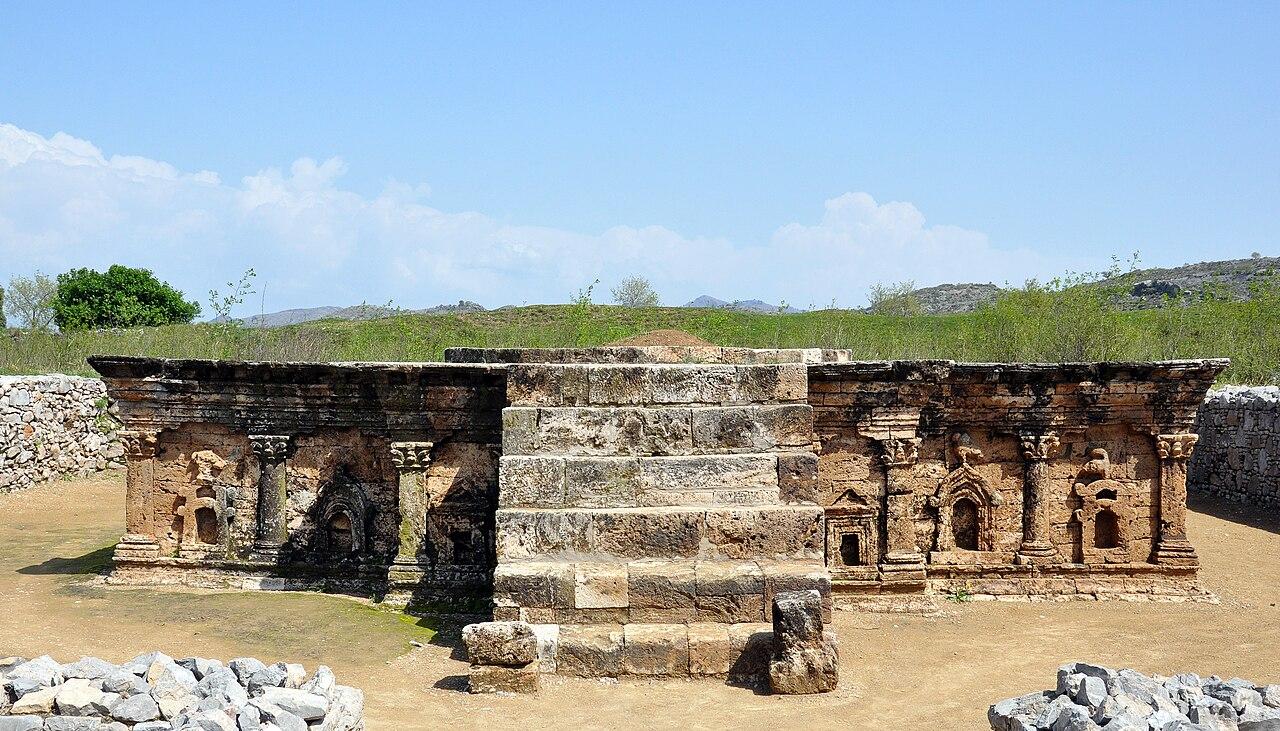
A cluster of cities and Buddhist monasteries at the crossroads of South and Central Asia, successively under Achaemenid, Mauryan, Indo-Greek, Saka-Parthian and Kushan rule.
Bodh Gaya
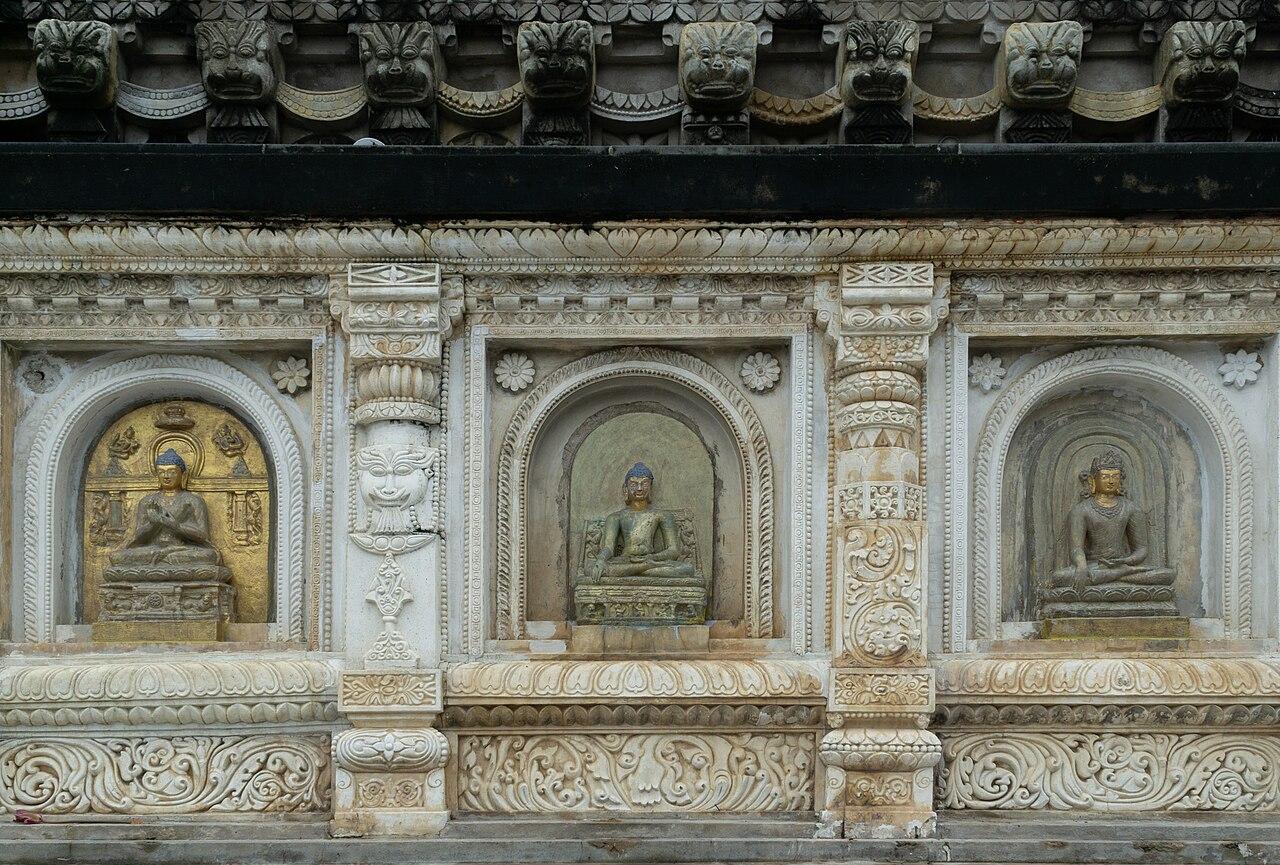
Site of the Buddha's enlightenment in Buddhist tradition. The present brick Mahabodhi Temple dates in its core to the 5th–6th century CE.
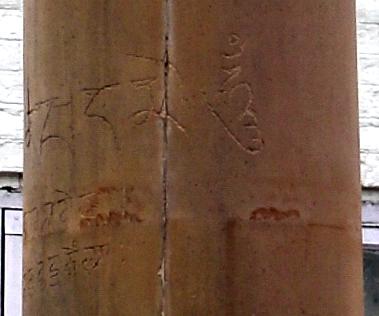
Lumbini
Birthplace of the Buddha in Buddhist tradition. An Ashokan pillar inscription records the emperor's visit and names the village as the Buddha's birthplace.
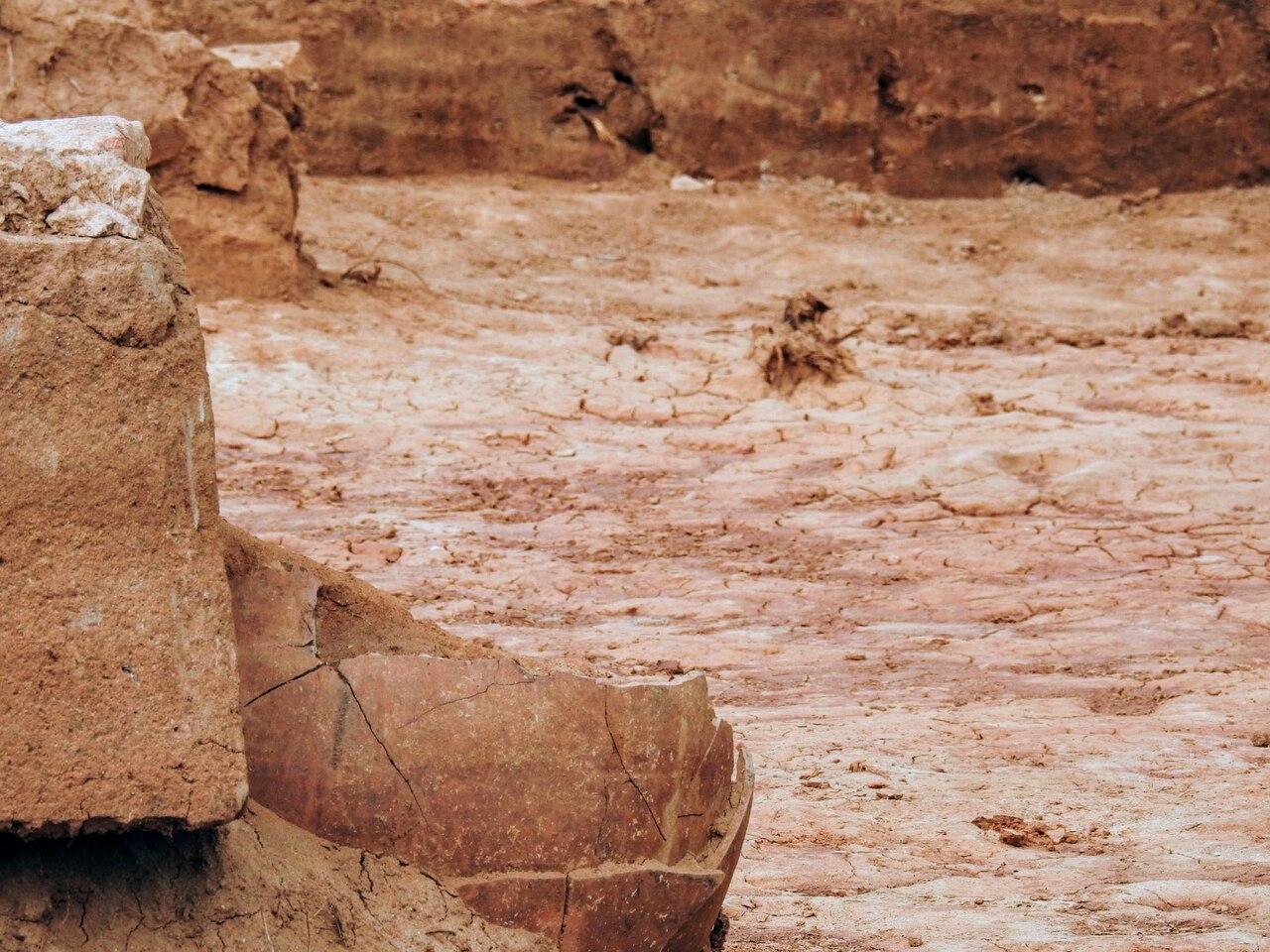
Keeladi
An Early Historic urban settlement on the Vaigai with brick structures, ring wells and potsherds inscribed in Tamil-Brahmi.
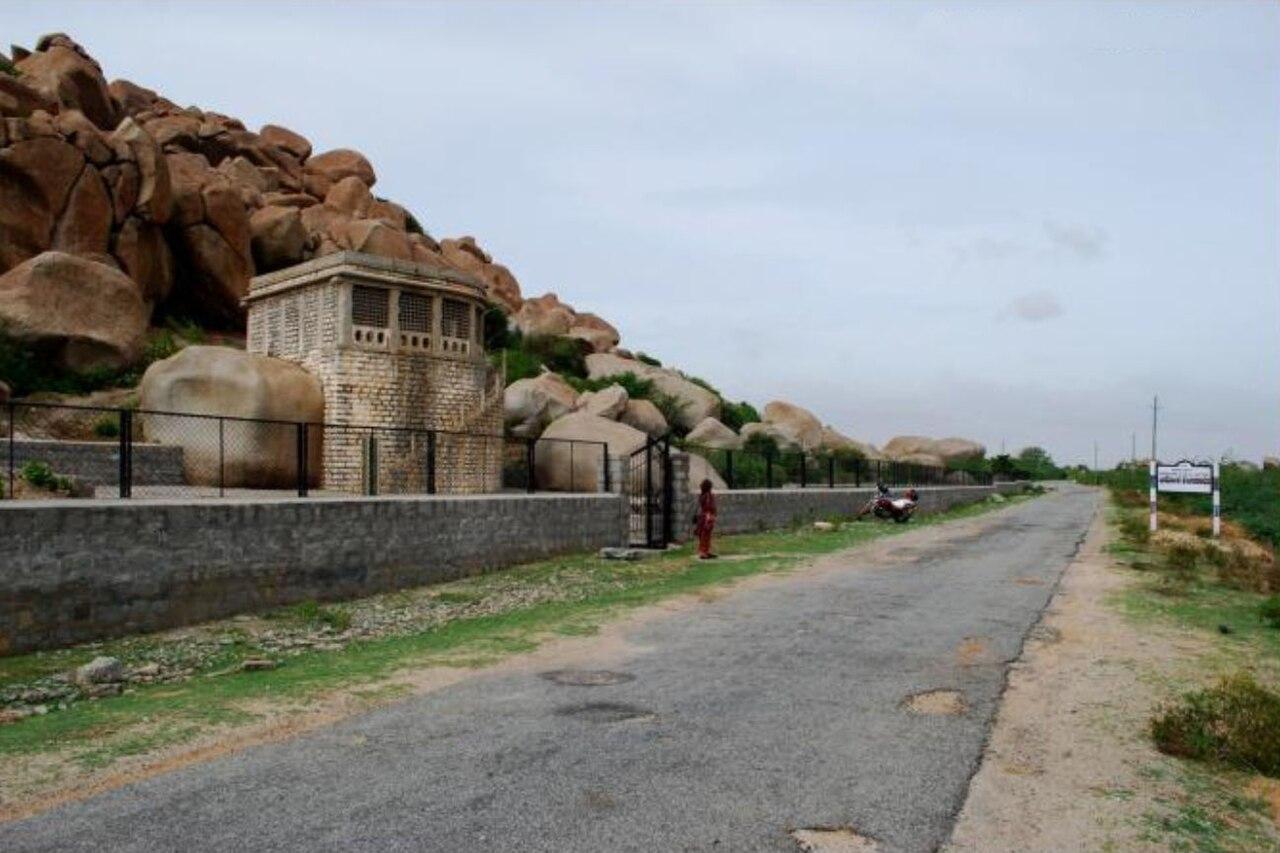
Brahmagiri
A site in Karnataka with an Ashokan minor rock edict and a stratified sequence — Neolithic-Chalcolithic, Megalithic and Early Historic — established by Wheeler's 1947 excavation.
Chronology
Events
Foundation of the Mauryan EmpireEventc. 322 BCE(Conventional date)Kalinga warEventc. 261 BCE(Conventional date)Ashoka's edicts inscribedEventc. 260 – 242 BCE(Conventional date)People
AshokaPersonr. c. 268 – 232 BCE(Conventional date)Chandragupta MauryaPersonr. c. 322 – 298 BCE(Conventional date)KautilyaPersonMegasthenesPersonEmbassy c. 300 BCE(Approximate)Artefacts, scripts & research
Lion Capital of AshokaArtefactc. 250 BCE(Conventional date)BrahmiScript / languageSecurely attested from the mid-3rd century BCE(Secure date)KharoshthiScript / languagec. 260 BCE – 400 CE(Approximate)PrakritScript / languagec. 300 BCE – 400 CE(Approximate)Reading AshokaArticle260 – 232 BCE(Conventional date)Conclusions
What the evidence supports
- The Mauryan Empire stretched from Kandahar to Karnataka, as Ashoka's inscriptions show.
- Ashoka's edicts are the earliest securely dated writing after the Indus script, in Prakrit, Greek and Aramaic.
Still open
What we still don't know
- How centrally the empire was governed; how much the Arthashastra reflects Mauryan practice.
Connected to Mauryan Empire
Continue exploring
Mauryan Empire
An empire centred on Pataliputra that, under Ashoka, extended from Afghanistan to the Deccan. It left the subcontinent's earliest securely dated inscriptions.
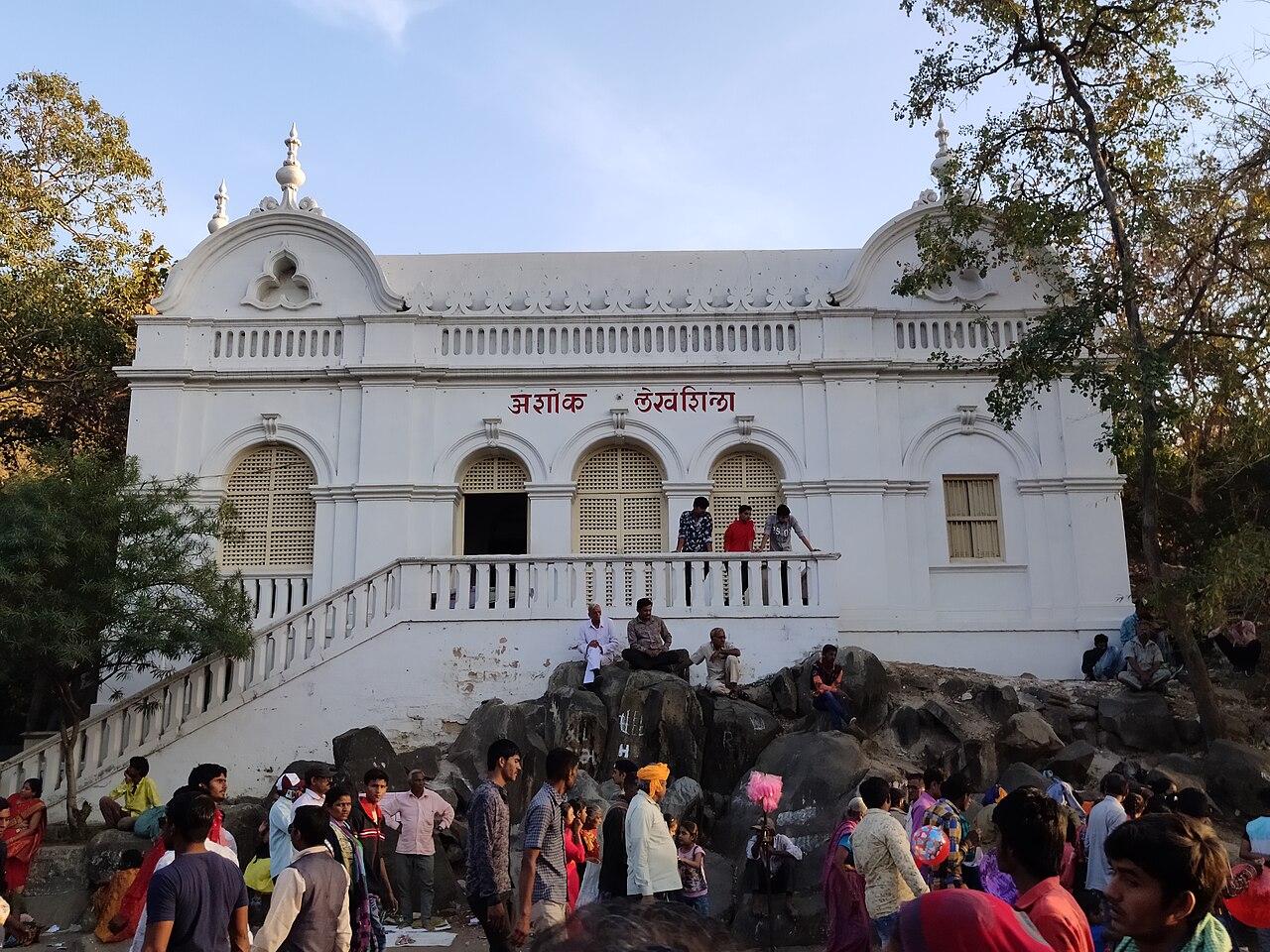
Ashoka
Mauryan emperor whose inscriptions, issued across the subcontinent, are the earliest substantial body of dated writing from South Asia after the Indus script.
Chandragupta Maurya
Founder of the Mauryan Empire, identified with the 'Sandrokottos' of Greek writers.
Reading Ashoka
Ashoka's edicts as historical sources: their distribution, languages, decipherment and limits.
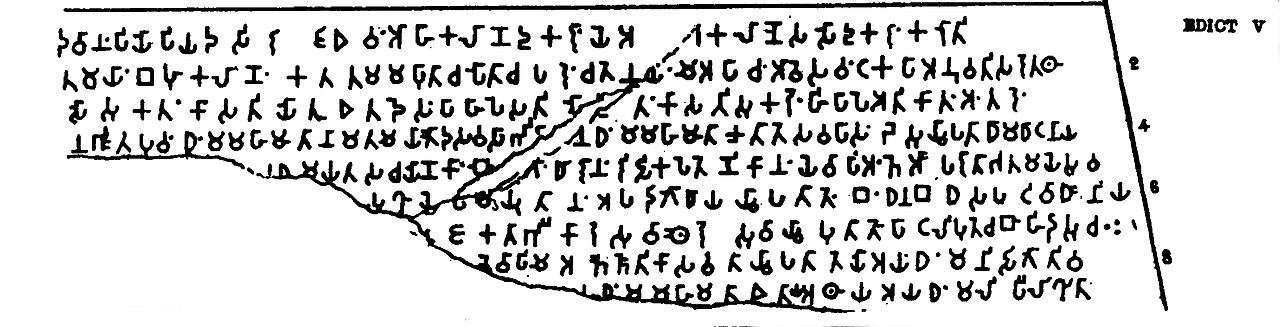
Brahmi
The script of most of Ashoka's edicts and the ancestor of nearly all later scripts of South and Southeast Asia, from Devanagari to Tamil and Thai.
South Indian Iron Age – Megalithic culture
A long-lived tradition of monumental burial across the peninsula — cists, dolmens, stone circles, urn fields, rock-cut chambers and umbrella stones — associated with iron, Black-and-Red Ware and, later, early writing and trade.
Anuradhapura Kingdom
The first great Sri Lankan kingdom, centred on Anuradhapura, whose history is recorded in the Pali chronicles (Dipavamsa, Mahavamsa) and in Brahmi inscriptions. Its early dates follow the chronicles' chronology.
Yaudheya republic
A gana-sangha known from its coins and seals and named among the peoples who submitted to Samudragupta — a reminder that republics outlived the age of the Buddha.
Sources & Further Reading
Sources & further reading
- inscription corpusHultzsch, E. (1925). Inscriptions of Asoka. Corpus Inscriptionum Indicarum, Vol. I (new edition). Clarendon Press.
- bookLahiri, N. (2015). Ashoka in Ancient India. Harvard University Press.
- bookThapar, R. (2002). Early India: From the Origins to AD 1300. Allen Lane / University of California Press.