Archaeological culture
South Indian Iron Age – Megalithic culture
Also: Megalithic culture · Pandukal · dolmens · urn burials · cist burials
A long-lived tradition of monumental burial across the peninsula — cists, dolmens, stone circles, urn fields, rock-cut chambers and umbrella stones — associated with iron, Black-and-Red Ware and, later, early writing and trade.
The Map Check
Geographic extent
No sourced boundary for this polity is available yet, so none is drawn. Points show the capitals, inscriptions and monuments that locate it.
Overview
Well supported'Megalithic' describes a burial practice, not a single people. Across Karnataka, Andhra, Telangana, Tamil Nadu, Kerala and Vidarbha, communities marked graves with large stones or buried the dead (often secondarily) in urns or cists, accompanied by iron tools and weapons, pottery and ornaments.
Forms vary regionally: port-holed cists and dolmens in the Deccan, urn fields along the Tamirabarani, rock-cut chambers and umbrella stones (kudakkal) in Kerala, stone circles in Vidarbha.
SourcesMoorti 1994; Leshnik 1974
From the Trenches
From the trenches
Well supportedWhat does the archaeological evidence reveal?
At Brahmagiri, Wheeler's 1947 excavation placed the megalithic phase between a Neolithic–Chalcolithic occupation and the Early Historic. Later work at Kodumanal and Porunthal tied megalithic burials to craft production, long-distance trade in beads and the earliest Tamil-Brahmi writing.
SourcesWheeler 1947; Rajan et al. 2013
What We Still Don't Know
What we still don't know
DebatedUnresolved questions and competing interpretations
When the tradition began — dates range from the late 2nd millennium BCE to recent claims far earlier for iron in Tamil Nadu — and how it relates to the Sangam-age polities that followed. Ancient DNA from megalithic burials has not yet been published in a way that resolves population questions.
SourcesTamil Nadu State Department of Archaeology 2025; Coningham et al. 2015
Connected to South Indian Iron Age – Megalithic culture
Sites, evidence and research
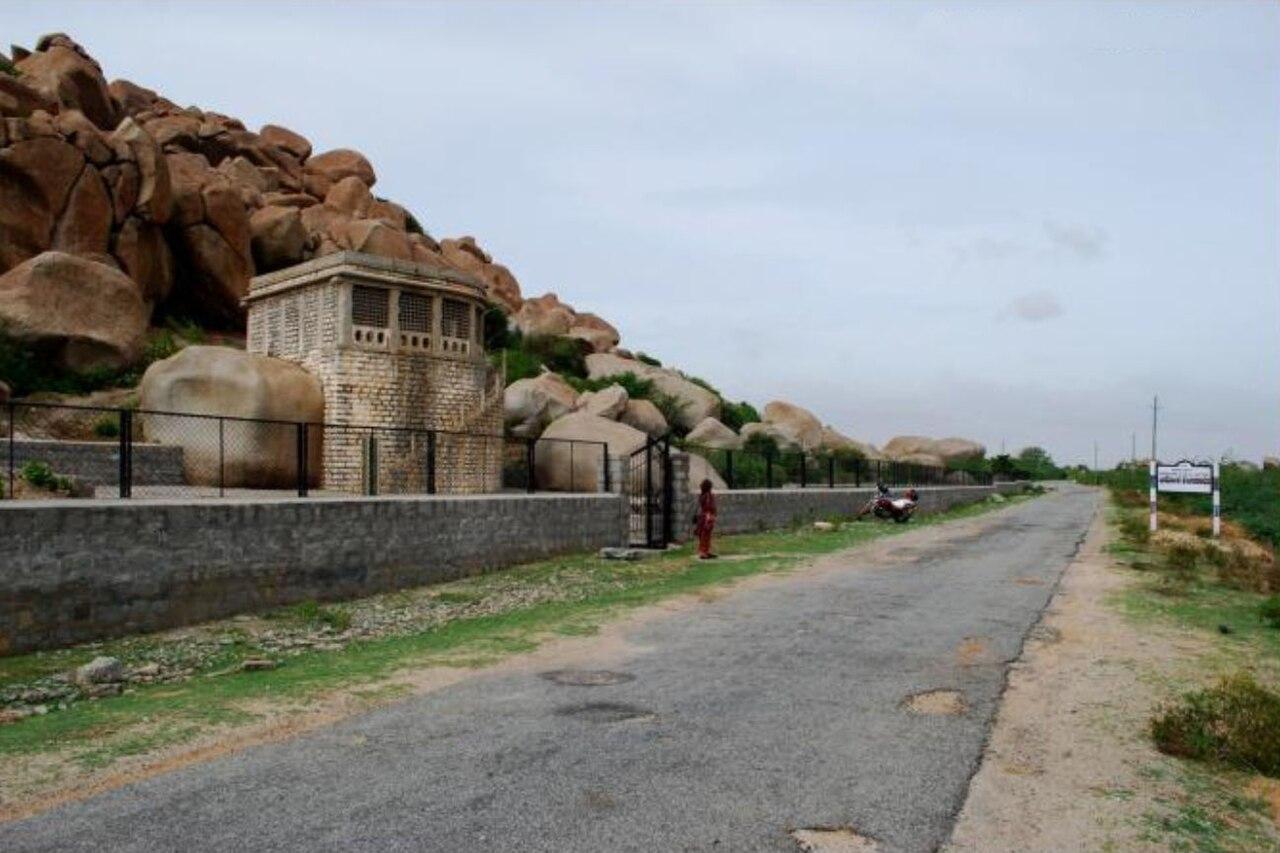
Brahmagiri
A site in Karnataka with an Ashokan minor rock edict and a stratified sequence — Neolithic-Chalcolithic, Megalithic and Early Historic — established by Wheeler's 1947 excavation.
Maski
Minor Rock Edict in which Ashoka is named directly as 'Asoka' — key to identifying the 'Devanampiya Piyadasi' of the edicts.
Hire Benakal
One of the largest megalithic necropolises in South India, with hundreds of dolmens, cists and other stone monuments on a granite hill.
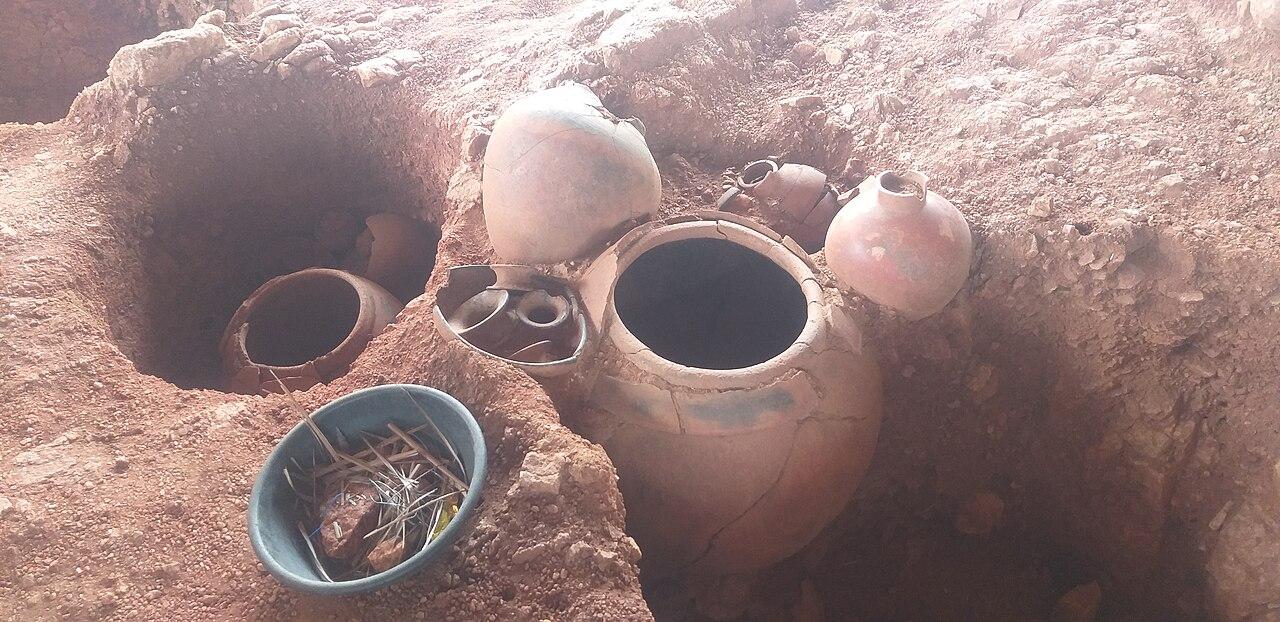
Adichanallur
An extensive urn-burial site on the Tamirabarani river with iron objects, bronze and pottery.
Sivagalai
An urn-burial and habitation complex on the Tamirabarani near Adichanallur. A 2025 state report published very early radiometric dates for iron here, which await independent scrutiny.
Kodumanal
An Iron Age industrial village on the Noyyal with iron-smelting, gemstone (beryl and quartz) working, megalithic cist burials and Tamil-Brahmi inscribed sherds.
Porunthal
A habitation-cum-burial site in the Palani hills where a grave contained a jar of rice; AMS dates on associated material have been used to argue for an early date for Tamil-Brahmi.
Junapani
A field of megalithic stone circles near Nagpur, part of the Vidarbha megalithic tradition known for horse ornaments and iron.
Sources & Further Reading
Sources & further reading
- bookMoorti, U. S. (1994). Megalithic Culture of South India: Socio-economic Perspectives. Ganga Kaveri Publishing House.record unverified
- bookLeshnik, L. S. (1974). South Indian 'Megalithic' Burials: The Pandukal Complex. Franz Steiner.record unverified
- bookConingham, R. & Young, R. (2015). The Archaeology of South Asia: From the Indus to Asoka, c. 6500 BCE–200 CE. Cambridge University Press.
- excavation reportWheeler, R. E. M. (1947). Brahmagiri and Chandravalli 1947: Megalithic and other cultures in Mysore State. Ancient India 4: 180–310. Archaeological Survey of India.
- journal articleRajan, K. & Yatheeskumar, V. P. (2013). New evidences on scientific dates for Brāhmī script as revealed from Porunthal and Kodumanal excavations. Prāgdhārā 21–22: 279–295.record unverified
- institutionalTamil Nadu State Department of Archaeology (2025). Antiquity of Iron: Recent Radiometric Dates from Tamil Nadu. Government of Tamil Nadu.record unverified