Archaeological site
Kodumanal
Also: Kodumanam
An Iron Age industrial village on the Noyyal with iron-smelting, gemstone (beryl and quartz) working, megalithic cist burials and Tamil-Brahmi inscribed sherds.
The Map Check
Location and neighbouring sites
From the Trenches
Excavation history
1985 onward (several campaigns)
Teams including K. Rajan
Tamil University, Thanjavur; Pondicherry University; others
Important findings
- Iron smelting furnaces
- Beryl, sapphire, quartz and carnelian beads and workshops
- Megalithic cist burials
- Tamil-Brahmi inscribed potsherds
Connected to Kodumanal
Connected to this site
South Indian Iron Age – Megalithic culture
A long-lived tradition of monumental burial across the peninsula — cists, dolmens, stone circles, urn fields, rock-cut chambers and umbrella stones — associated with iron, Black-and-Red Ware and, later, early writing and trade.
Porunthal
A habitation-cum-burial site in the Palani hills where a grave contained a jar of rice; AMS dates on associated material have been used to argue for an early date for Tamil-Brahmi.
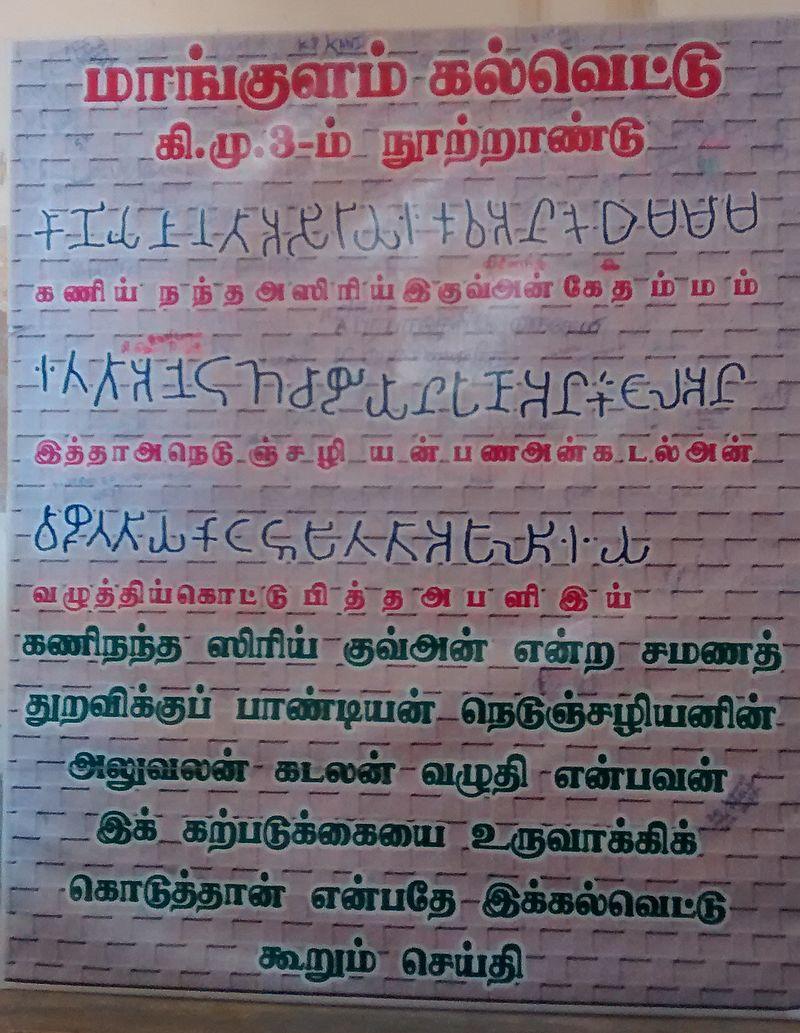
Tamil-Brahmi
An adaptation of Brahmi to write Old Tamil, found in cave inscriptions and on pottery across Tamil Nadu and beyond.
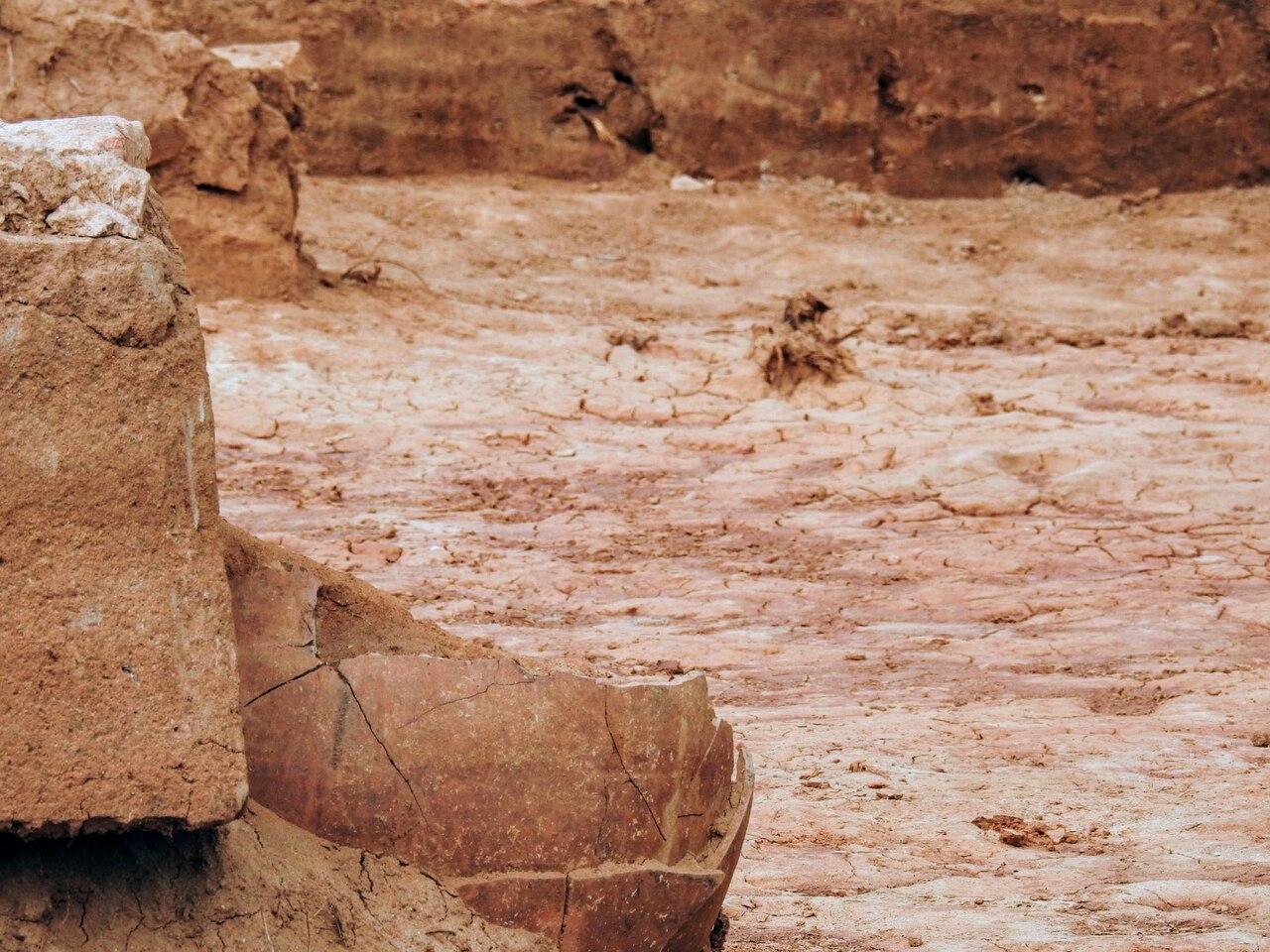
Keeladi
An Early Historic urban settlement on the Vaigai with brick structures, ring wells and potsherds inscribed in Tamil-Brahmi.
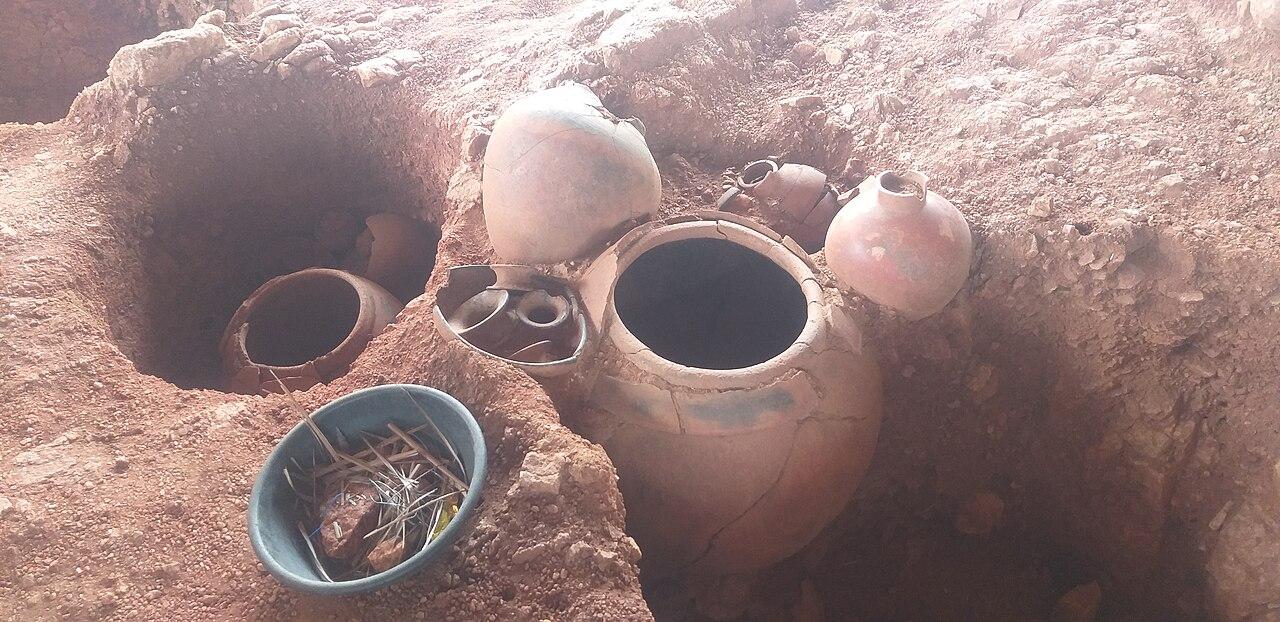
Megaliths of the South
Dolmens, cists, urn fields and umbrella stones: the Iron Age burial tradition of the peninsula, site by site.
Sources & Further Reading
Sources & further reading
- journal articleRajan, K. & Yatheeskumar, V. P. (2013). New evidences on scientific dates for Brāhmī script as revealed from Porunthal and Kodumanal excavations. Prāgdhārā 21–22: 279–295.record unverified
- bookConingham, R. & Young, R. (2015). The Archaeology of South Asia: From the Indus to Asoka, c. 6500 BCE–200 CE. Cambridge University Press.