Curated collection · 11 entries
Megaliths of the South
For more than a thousand years, communities across South India marked their dead with great stones or buried them in urns. This collection follows that tradition from the Deccan to the Tamirabarani and into the first writing of the south.
Curated by Indophile Editorial
- 01Polityc. 1200 BCE – 300 CE (start debated)(Debated)
South Indian Iron Age – Megalithic culture
The tradition as a whole.
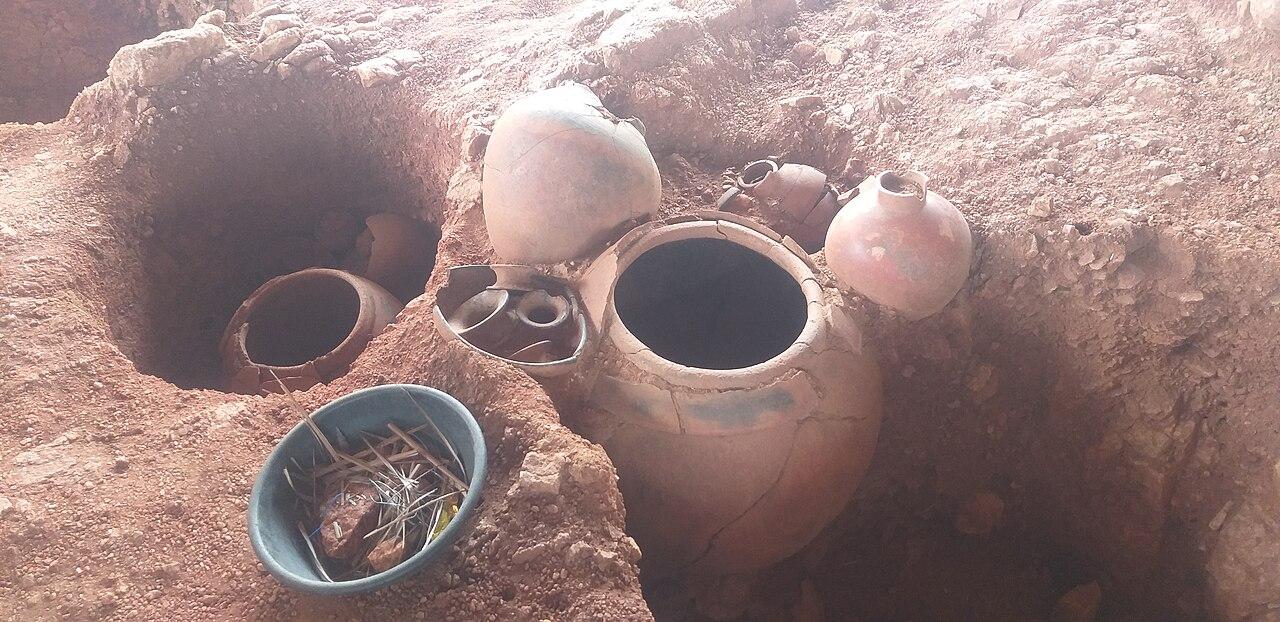
A long-lived tradition of monumental burial across the peninsula — cists, dolmens, stone circles, urn fields, rock-cut chambers and umbrella stones — associated with iron, Black-and-Red Ware and, later, early writing and trade.
- 02Eventlate 2nd – 1st millennium BCE(Debated)
Megalithic burial spreads across the peninsula
When and where it spread.
Cists, dolmens, urn fields and stone circles appear with iron across South India and Vidarbha.
- 03Sitec. 2nd millennium BCE – early centuries CE(Approximate)
Brahmagiri
Wheeler's sequence, 1947.
A site in Karnataka with an Ashokan minor rock edict and a stratified sequence — Neolithic-Chalcolithic, Megalithic and Early Historic — established by Wheeler's 1947 excavation.
- 04Sitec. 1st millennium BCE(Approximate)
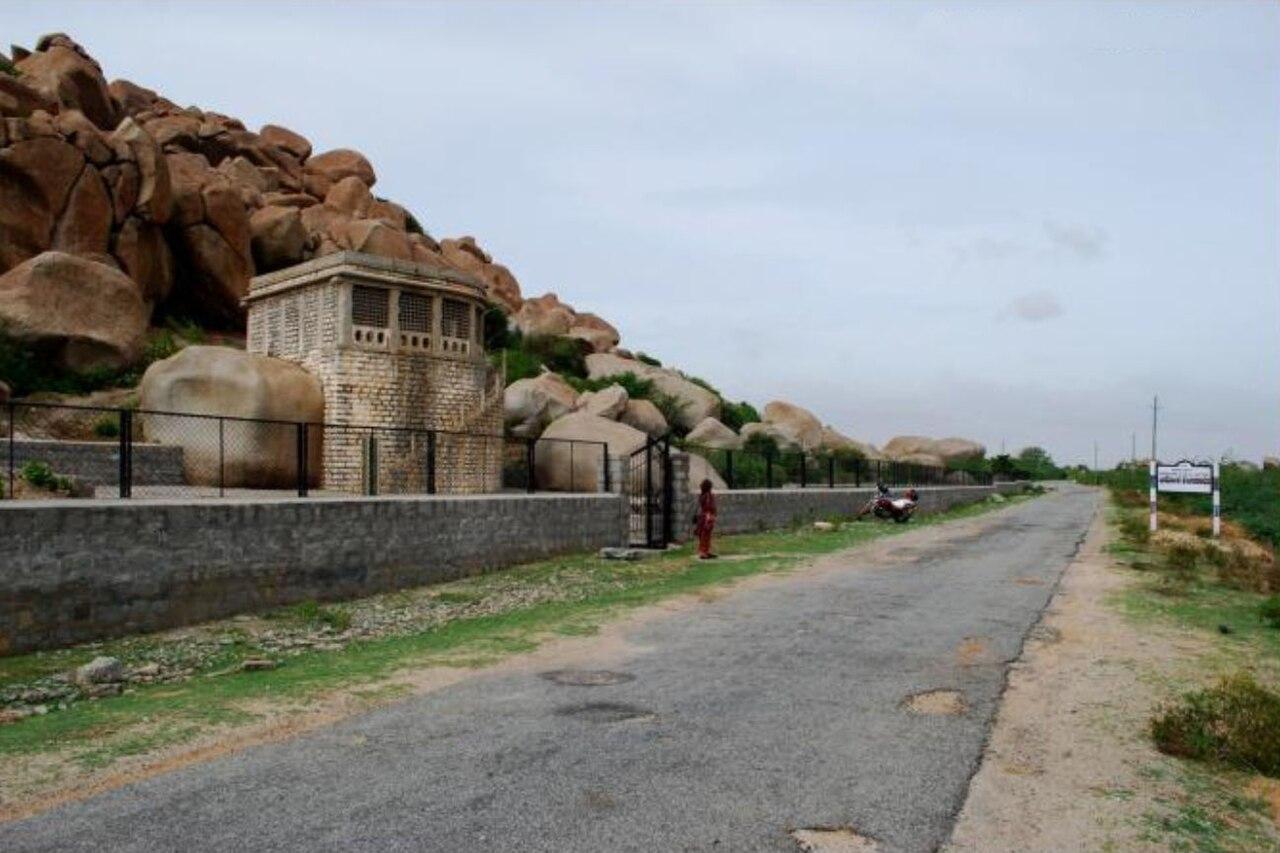
Hire Benakal
A hill of hundreds of dolmens.
One of the largest megalithic necropolises in South India, with hundreds of dolmens, cists and other stone monuments on a granite hill.
- 05Site258 BCE(Conventional date)
Maski
Megaliths beside an Ashokan edict.
Minor Rock Edict in which Ashoka is named directly as 'Asoka' — key to identifying the 'Devanampiya Piyadasi' of the edicts.
- 06Sitec. 8th – 4th century BCE(Approximate)
Junapani
Stone circles of Vidarbha.
A field of megalithic stone circles near Nagpur, part of the Vidarbha megalithic tradition known for horse ornaments and iron.
- 07Site1st millennium BCE(Approximate)
Porkalam
Kerala's rock-cut tombs.
A Kerala Iron Age site with a rock-cut burial cave and stone monuments typical of the region's distinctive megaliths — umbrella stones and hood stones.
- 08Site1st millennium BCE (dates debated)(Debated)
Adichanallur
Urn fields of the Tamirabarani.
An extensive urn-burial site on the Tamirabarani river with iron objects, bronze and pottery.
- 09SiteIron Age (earliest dates under scrutiny)(Debated)
Sivagalai
A claim for very early iron — under scrutiny.
An urn-burial and habitation complex on the Tamirabarani near Adichanallur. A 2025 state report published very early radiometric dates for iron here, which await independent scrutiny.
- 10Sitec. 5th century BCE – 1st century CE (debated)(Debated)
Kodumanal
Iron, gems and Tamil-Brahmi.
An Iron Age industrial village on the Noyyal with iron-smelting, gemstone (beryl and quartz) working, megalithic cist burials and Tamil-Brahmi inscribed sherds.
- 11Sitec. 5th century BCE onward (debated)(Debated)
Porunthal
A jar of rice in a grave.
A habitation-cum-burial site in the Palani hills where a grave contained a jar of rice; AMS dates on associated material have been used to argue for an early date for Tamil-Brahmi.
The Map Check
Places in this collection
Sources & Further Reading
Sources & further reading
- bookMoorti, U. S. (1994). Megalithic Culture of South India: Socio-economic Perspectives. Ganga Kaveri Publishing House.record unverified
- bookLeshnik, L. S. (1974). South Indian 'Megalithic' Burials: The Pandukal Complex. Franz Steiner.record unverified
- bookConingham, R. & Young, R. (2015). The Archaeology of South Asia: From the Indus to Asoka, c. 6500 BCE–200 CE. Cambridge University Press.
- excavation reportWheeler, R. E. M. (1947). Brahmagiri and Chandravalli 1947: Megalithic and other cultures in Mysore State. Ancient India 4: 180–310. Archaeological Survey of India.
- journal articleRajan, K. & Yatheeskumar, V. P. (2013). New evidences on scientific dates for Brāhmī script as revealed from Porunthal and Kodumanal excavations. Prāgdhārā 21–22: 279–295.record unverified
- institutionalTamil Nadu State Department of Archaeology (2025). Antiquity of Iron: Recent Radiometric Dates from Tamil Nadu. Government of Tamil Nadu.record unverified
- inscription corpusHultzsch, E. (1925). Inscriptions of Asoka. Corpus Inscriptionum Indicarum, Vol. I (new edition). Clarendon Press.
- bookAllchin, B. & Allchin, R. (1982). The Rise of Civilization in India and Pakistan. Cambridge University Press.
- bookGhosh, A. (ed.) (1989). An Encyclopaedia of Indian Archaeology. Munshiram Manoharlal.