Archaeological site
Brahmagiri
A site in Karnataka with an Ashokan minor rock edict and a stratified sequence — Neolithic-Chalcolithic, Megalithic and Early Historic — established by Wheeler's 1947 excavation.
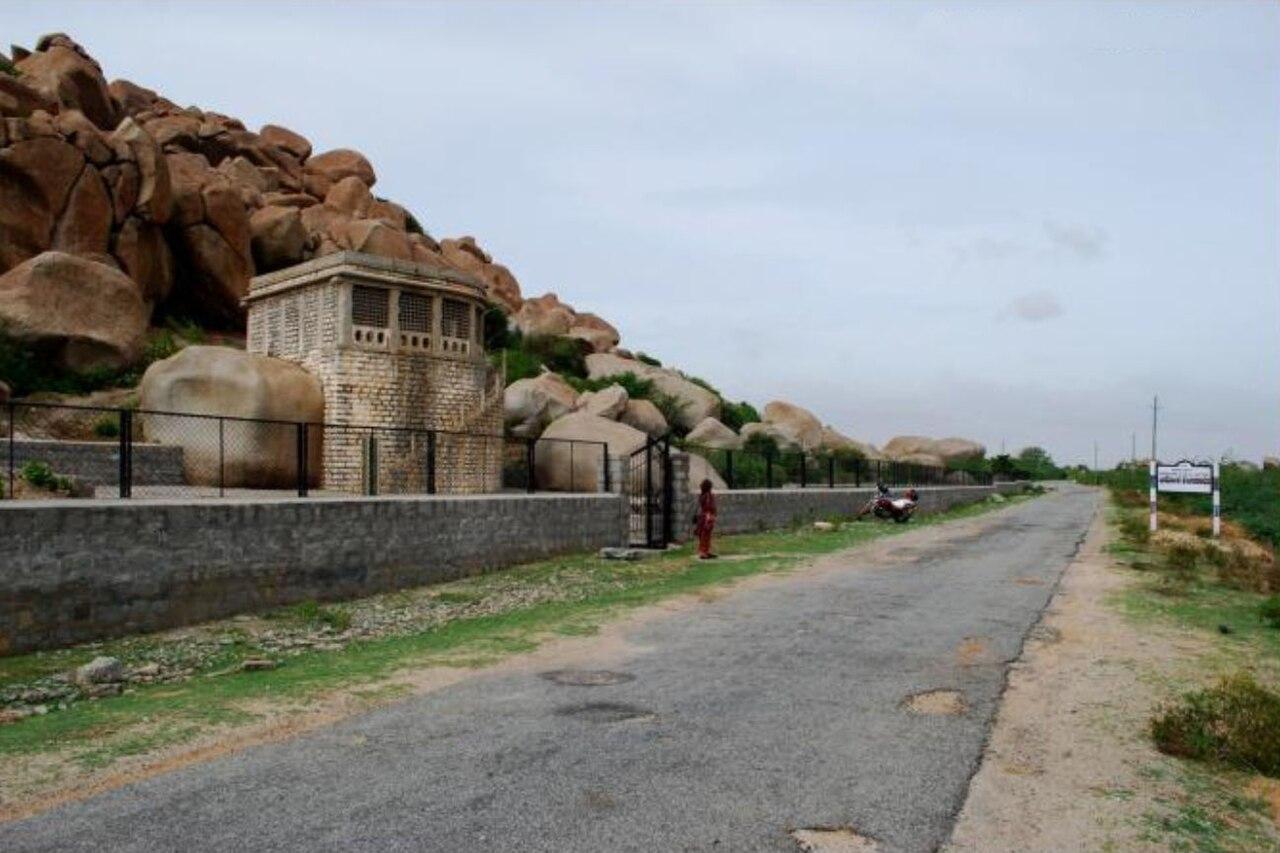
The Map Check
Location and neighbouring sites
From the Trenches
Excavation history
1947
R. E. M. Wheeler
Archaeological Survey of India
Important findings
- Ashokan Minor Rock Edict
- Megalithic cist burials
- Neolithic ground-stone axes
Connected to Brahmagiri
Connected to this site
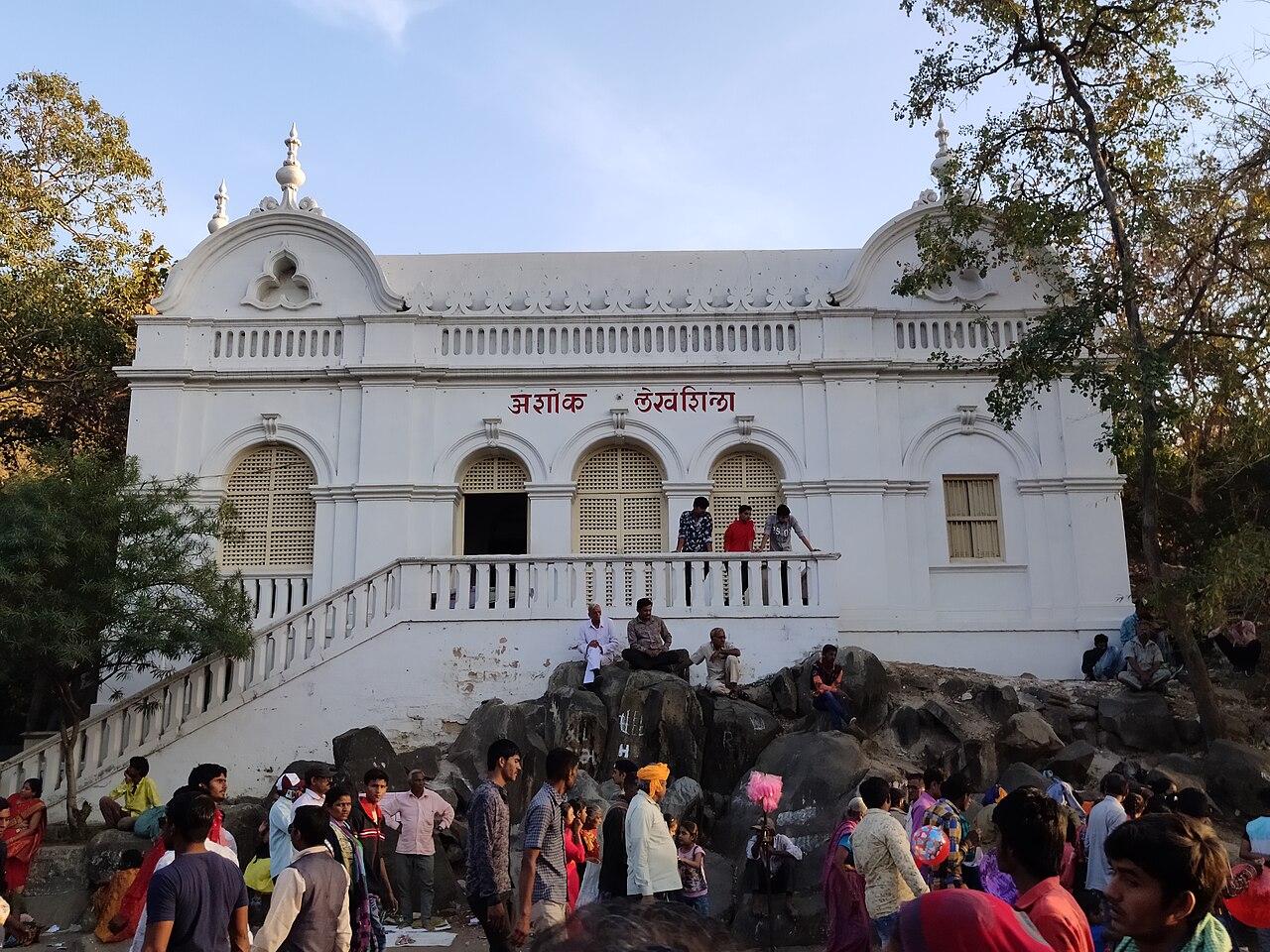
Ashoka
Mauryan emperor whose inscriptions, issued across the subcontinent, are the earliest substantial body of dated writing from South Asia after the Indus script.
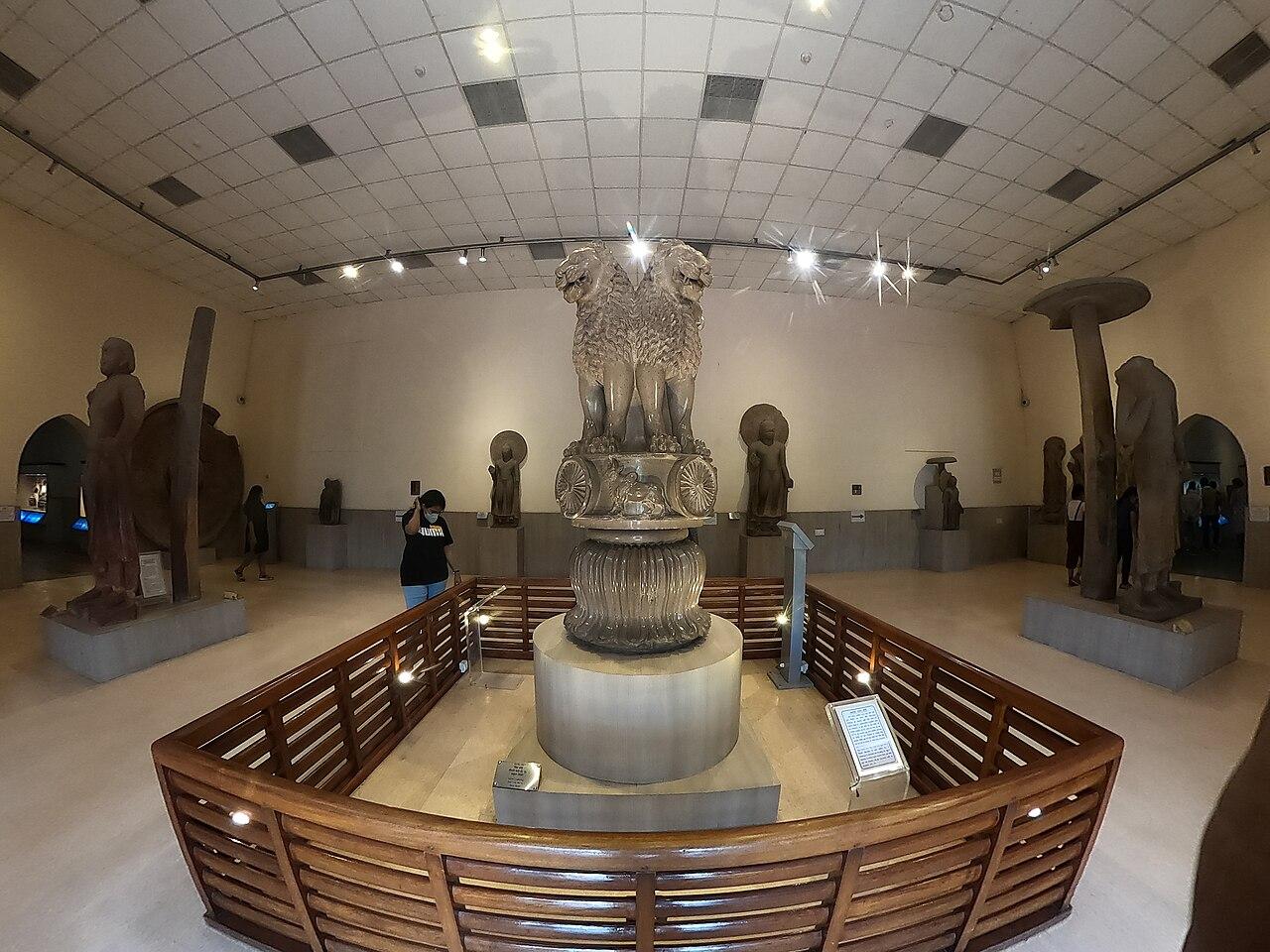
Mauryan Empire
An empire centred on Pataliputra that, under Ashoka, extended from Afghanistan to the Deccan. It left the subcontinent's earliest securely dated inscriptions.
R. E. Mortimer Wheeler
Director-General of the ASI (1944–48) who introduced stratigraphic excavation methods and excavated Arikamedu, Brahmagiri and Harappa.
South Indian Iron Age – Megalithic culture
A long-lived tradition of monumental burial across the peninsula — cists, dolmens, stone circles, urn fields, rock-cut chambers and umbrella stones — associated with iron, Black-and-Red Ware and, later, early writing and trade.
Hire Benakal
One of the largest megalithic necropolises in South India, with hundreds of dolmens, cists and other stone monuments on a granite hill.
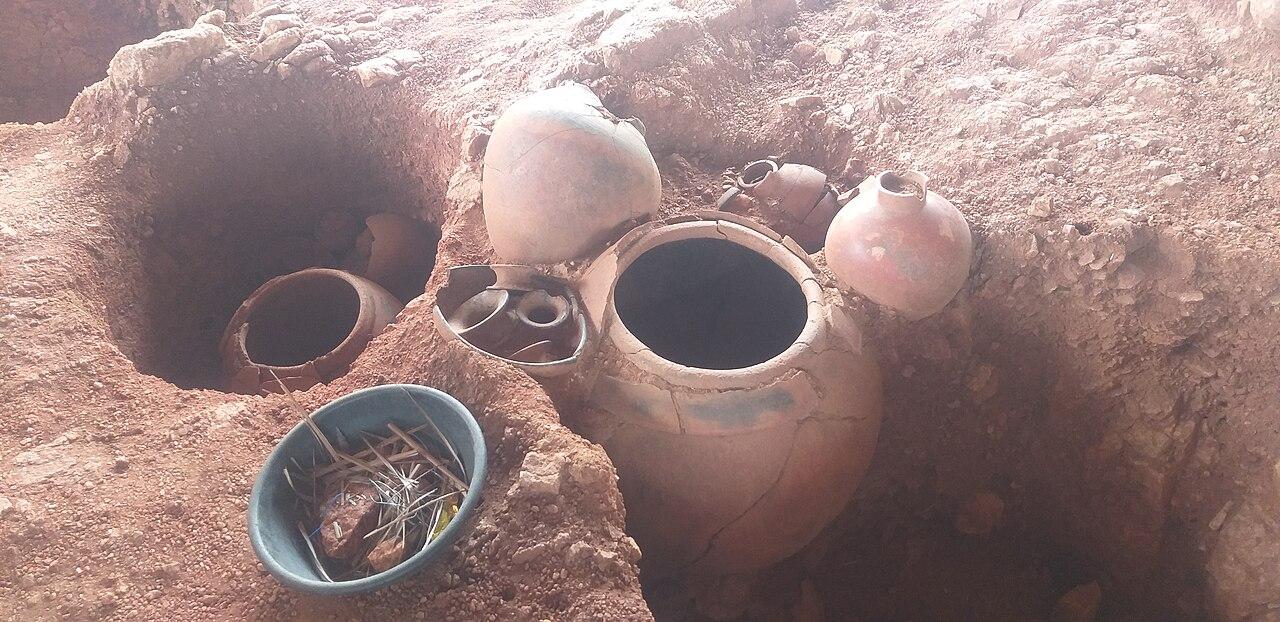
Megaliths of the South
Dolmens, cists, urn fields and umbrella stones: the Iron Age burial tradition of the peninsula, site by site.
Sources & Further Reading
Sources & further reading
- excavation reportWheeler, R. E. M. (1947). Brahmagiri and Chandravalli 1947: Megalithic and other cultures in Mysore State. Ancient India 4: 180–310. Archaeological Survey of India.
- inscription corpusHultzsch, E. (1925). Inscriptions of Asoka. Corpus Inscriptionum Indicarum, Vol. I (new edition). Clarendon Press.