Period 02 of 16
Neolithic and Chalcolithic Cultures
Also: Neolithic · Chalcolithic · Copper Age · early farming
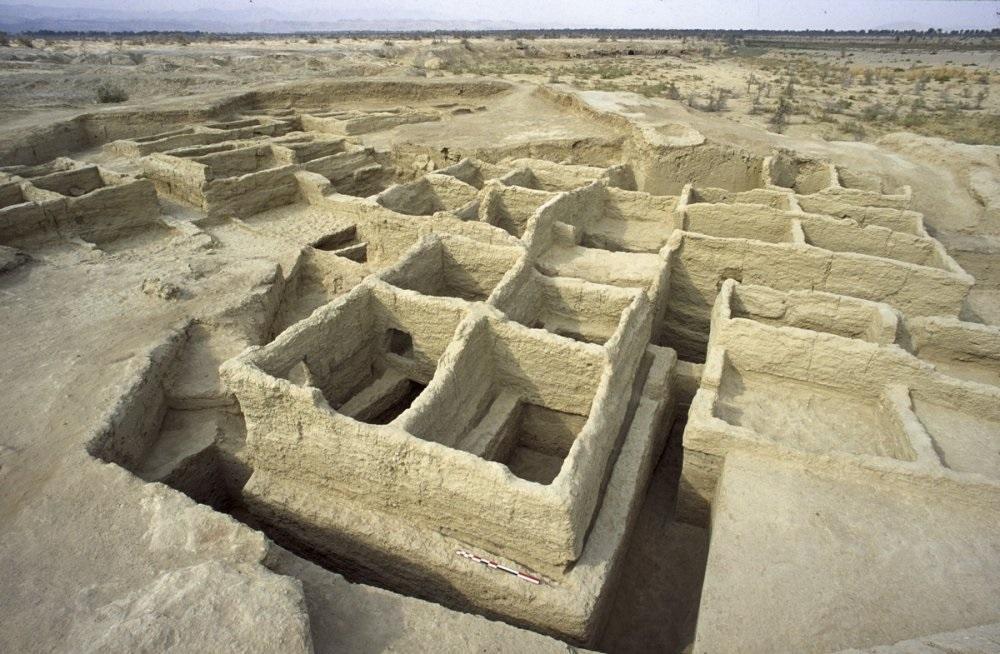
Farming, herding and village life emerge — earliest at Mehrgarh on the Iranian borderlands, later and in distinct regional forms in Kashmir, the Ganga plain, the Deccan and the south.
Major developments
- 01Cultivation of barley and wheat and herding of cattle, sheep and goat at Mehrgarh
- 02Pit-dwelling Neolithic communities in Kashmir
- 03Ash-mound Neolithic of the southern Deccan
- 04Chalcolithic village cultures in Rajasthan, Malwa and Maharashtra
The Map Check
Where this period happened
Click a point to open its record. Boundaries at 4000 BCE from Cliopatria (Seshat), CC BY 4.0.
Polities & cultures
Civilisations, kingdoms and republics
From the trenches
Archaeological sites
Bhimbetka
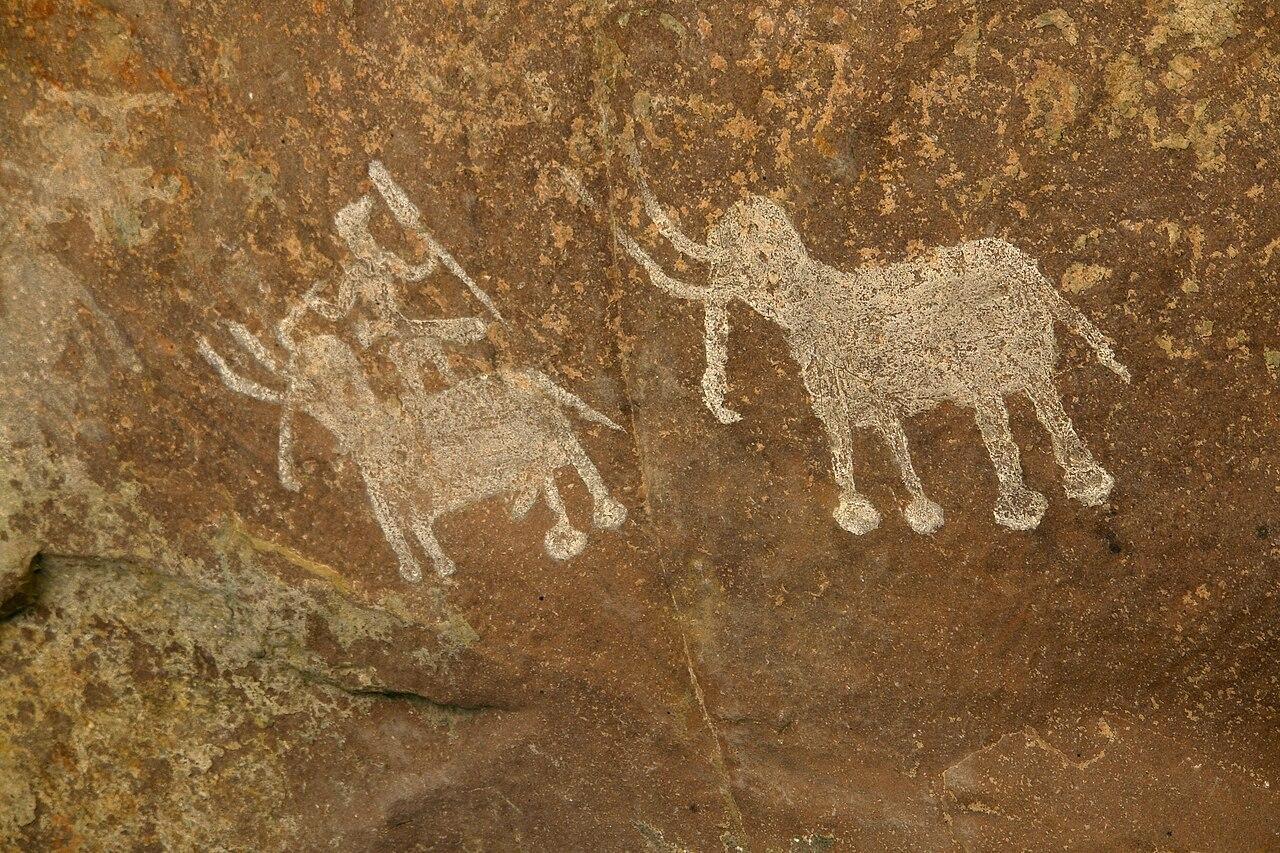
A dense cluster of sandstone rock shelters in the foothills of the Vindhyas, with stone-tool deposits reaching back to the Acheulian and paintings spanning from the Mesolithic into historical times.
Mehrgarh
A Neolithic settlement at the foot of the Bolan Pass with some of the earliest evidence in South Asia for farming, herding and permanent mud-brick architecture.
Burzahom
A Neolithic site in the Kashmir Valley known for pit dwellings and burials in which dogs were interred with humans.
Brahmagiri
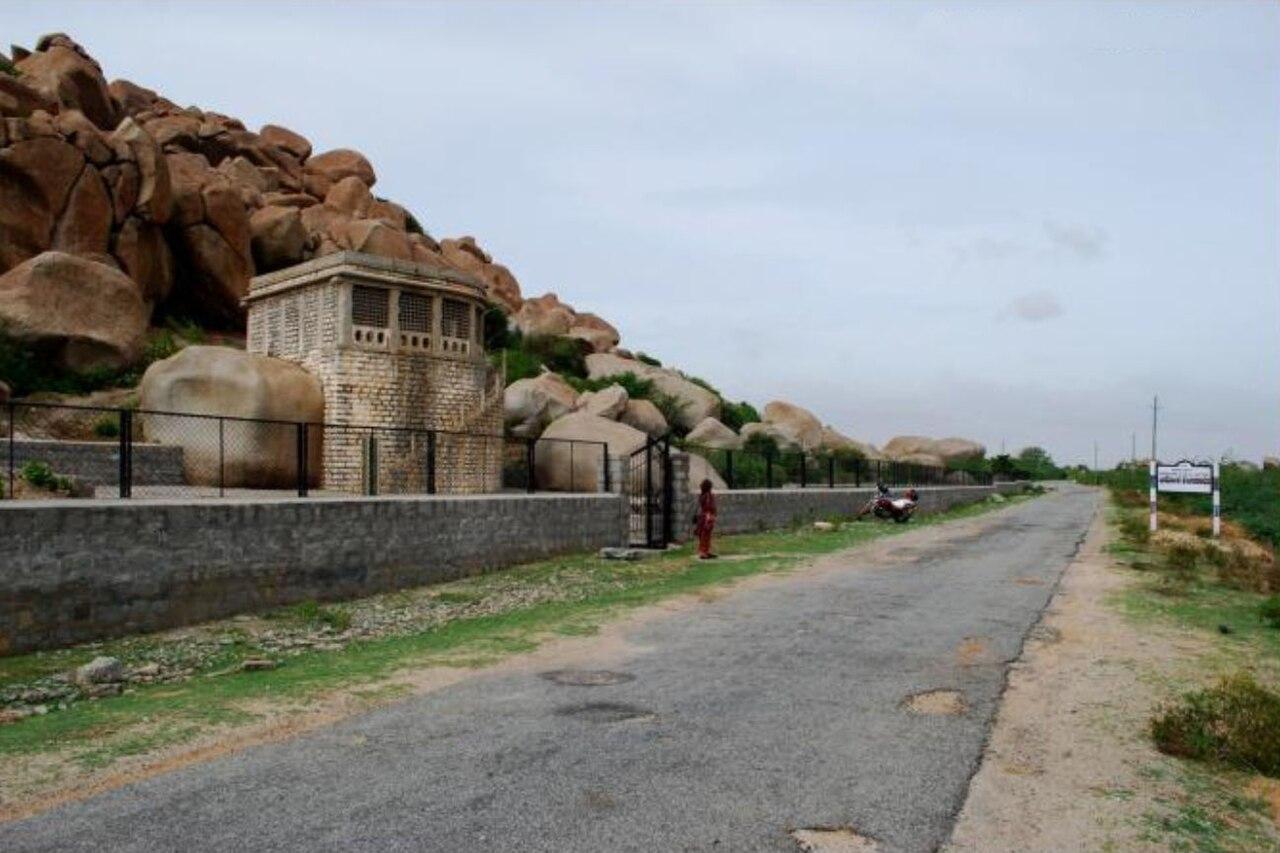
A site in Karnataka with an Ashokan minor rock edict and a stratified sequence — Neolithic-Chalcolithic, Megalithic and Early Historic — established by Wheeler's 1947 excavation.
Daimabad
A Chalcolithic site on the Pravara with a Late Harappan phase and a hoard of bronze figures whose date is debated.
Inamgaon
An extensively excavated Chalcolithic village of the Malwa and Jorwe phases on the Ghod river.
Ahar
Type site of the Ahar-Banas Chalcolithic culture of southeastern Rajasthan.
Chopani-Mando
A site in the Belan valley with a long Epipalaeolithic-to-Mesolithic sequence, including round hut floors and early pottery whose dating is debated.
Chronology
Events
Early farming at MehrgarhEventc. 7000 BCE(Approximate)Conclusions
What the evidence supports
- Farming and herding are documented at Mehrgarh from about 7000 BCE, including zebu cattle.
- Neolithic and Chalcolithic farming emerged in several regions in different forms and at different times — Kashmir, the Ganga plain, the Deccan, the south.
Still open
What we still don't know
- Whether wheat and barley were domesticated locally; how far farming spread by migration versus adoption.
Connected to Neolithic and Chalcolithic Cultures
Continue exploring
Mehrgarh
A Neolithic settlement at the foot of the Bolan Pass with some of the earliest evidence in South Asia for farming, herding and permanent mud-brick architecture.
Chalcolithic Cultures of Western and Central India
Regional farming cultures using copper alongside stone — Ahar-Banas, Kayatha, Malwa, Jorwe and others — defined by pottery traditions rather than political units.
Early farming at Mehrgarh
Domesticated barley and wheat and the herding of sheep, goat and cattle in the earliest levels at Mehrgarh.
Bhimbetka
A dense cluster of sandstone rock shelters in the foothills of the Vindhyas, with stone-tool deposits reaching back to the Acheulian and paintings spanning from the Mesolithic into historical times.
Burzahom
A Neolithic site in the Kashmir Valley known for pit dwellings and burials in which dogs were interred with humans.
Brahmagiri
A site in Karnataka with an Ashokan minor rock edict and a stratified sequence — Neolithic-Chalcolithic, Megalithic and Early Historic — established by Wheeler's 1947 excavation.
Daimabad
A Chalcolithic site on the Pravara with a Late Harappan phase and a hoard of bronze figures whose date is debated.
Inamgaon
An extensively excavated Chalcolithic village of the Malwa and Jorwe phases on the Ghod river.
Sources & Further Reading
Sources & further reading
- excavation reportJarrige, C., Jarrige, J.-F., Meadow, R. H. & Quivron, G. (eds.) (1995). Mehrgarh Field Reports 1974–1985: From Neolithic Times to the Indus Civilization. Department of Culture and Tourism, Government of Sindh.
- bookAllchin, B. & Allchin, R. (1982). The Rise of Civilization in India and Pakistan. Cambridge University Press.
- bookConingham, R. & Young, R. (2015). The Archaeology of South Asia: From the Indus to Asoka, c. 6500 BCE–200 CE. Cambridge University Press.