Archaeological site
Mehrgarh
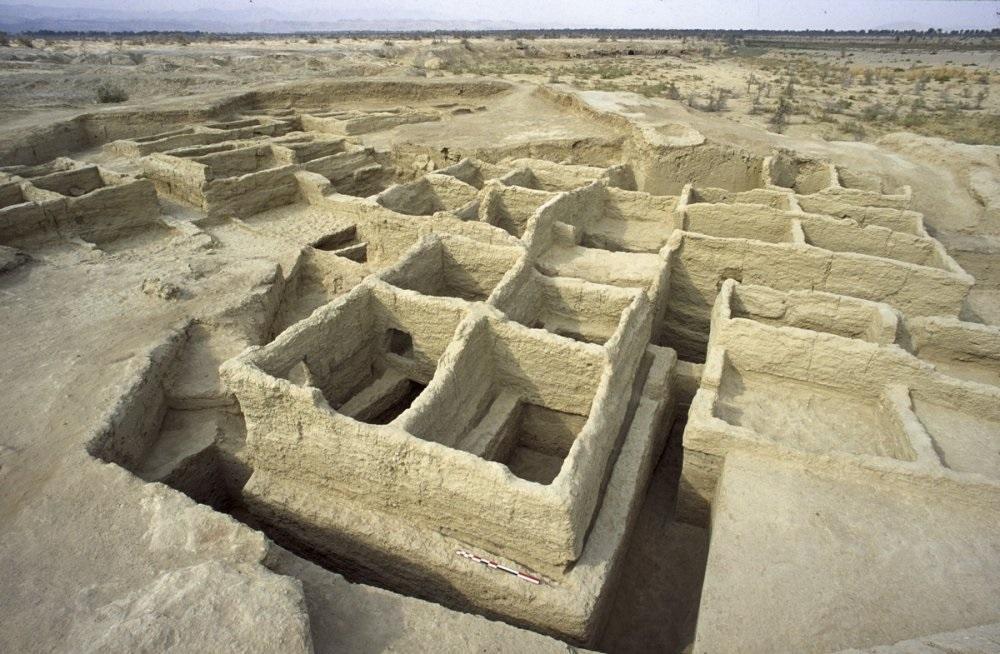
A Neolithic settlement at the foot of the Bolan Pass with some of the earliest evidence in South Asia for farming, herding and permanent mud-brick architecture.
The Map Check
Location and neighbouring sites
From the Trenches
Excavation history
1974–1986
J.-F. Jarrige and team
French Archaeological Mission in Pakistan, with the Department of Archaeology, Pakistan
1997–2000
J.-F. Jarrige and team
French Archaeological Mission in Pakistan
Important findings
- Domesticated barley and wheat in early levels
- Bones of sheep, goat and cattle showing a shift towards herding, including zebu cattle
- Multi-roomed mud-brick buildings interpreted as storage structures
- Burials with grave goods including shell and stone beads
- Drilled human molars, published as early evidence of dentistry
From the Trenches
From the trenches
Well supportedWhat does the archaeological evidence reveal?
The earliest levels at Mehrgarh lack pottery but contain mud-brick architecture, cereal impressions and animal bones. Over successive phases, the proportion of domestic animals rises and wild species decline — a pattern consistent with local domestication or the local adoption of herding.
Mehrgarh does not show that farming in South Asia began only here. It is the best-documented early site in a region that remains under-surveyed, especially along the Iranian borderlands.
What We Still Don't Know
What we still don't know
DebatedUnresolved questions and competing interpretations
Whether wheat and barley were domesticated locally or arrived as already-domesticated crops from the west remains debated. Zebu cattle, by contrast, are widely thought to have been domesticated in South Asia.
SourcesConingham et al. 2015
Connected to Mehrgarh
Connected to this site
Indus Valley Civilisation
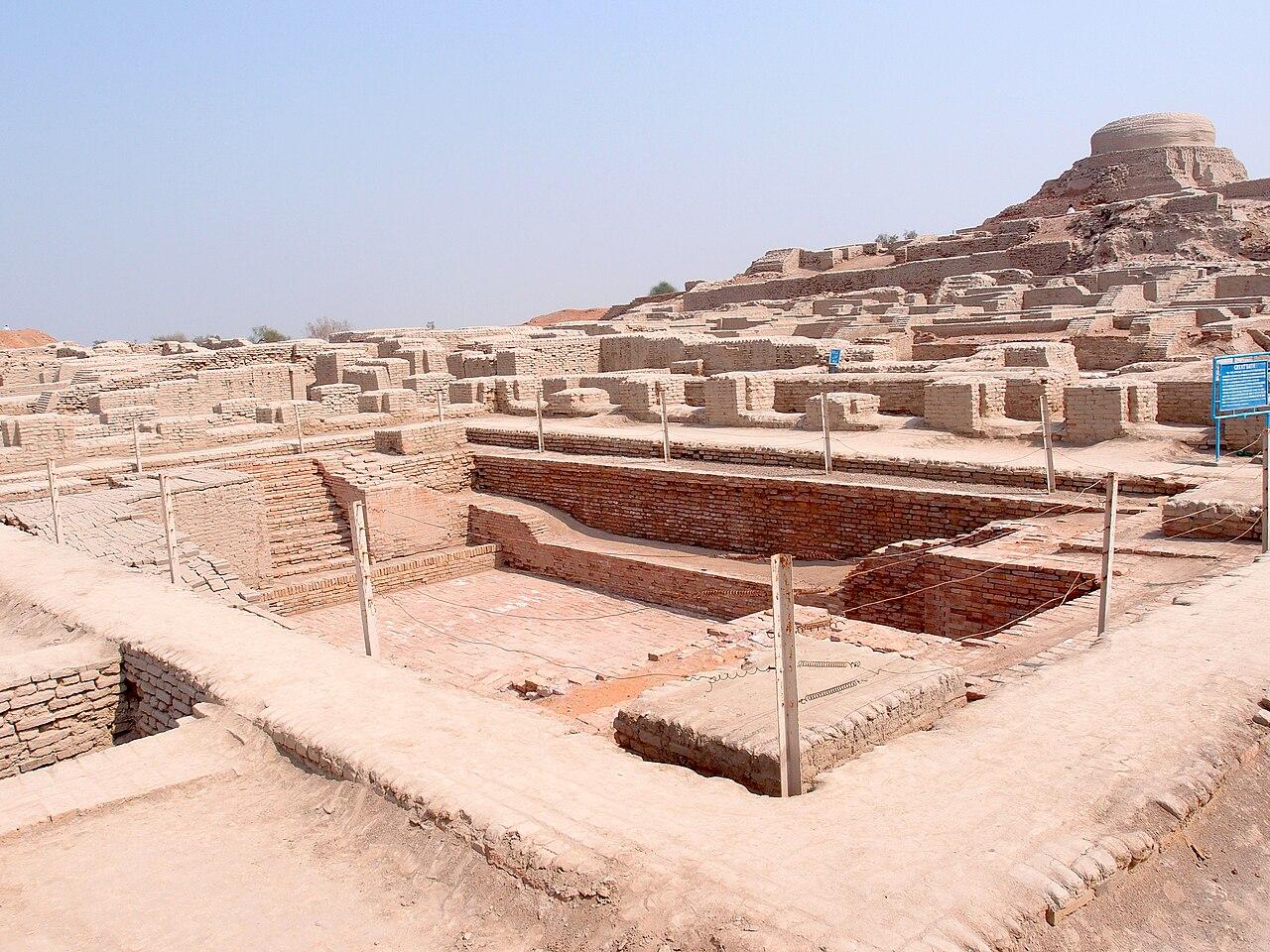
A Bronze Age urban tradition spanning more than a million square kilometres, known for planned cities, standardised weights, craft specialisation and an undeciphered script.
Early farming at Mehrgarh
Domesticated barley and wheat and the herding of sheep, goat and cattle in the earliest levels at Mehrgarh.
Pirak
A settlement on the Kachi plain near Mehrgarh, occupied after the Indus cities declined, with early evidence of horses, camels and new crops such as rice and sorghum.
10 Archaeological Discoveries That Changed Indian History
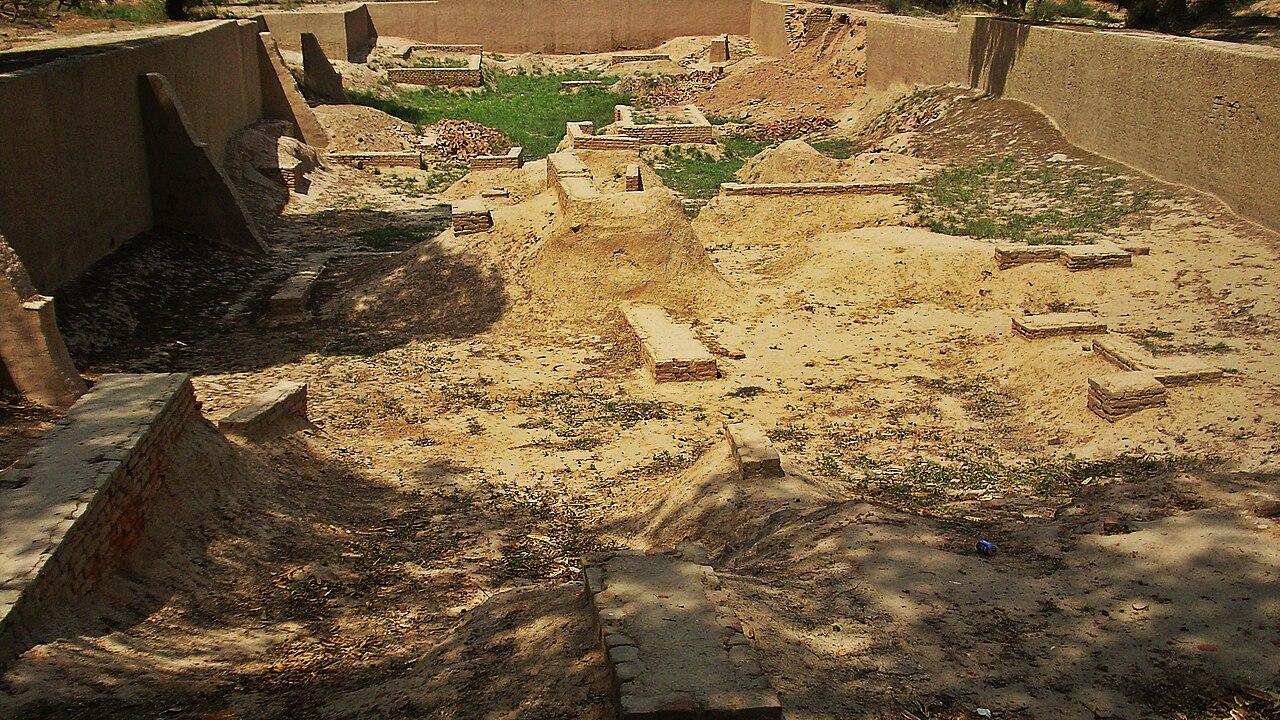
Ten finds that rewrote what we thought we knew.
The Rise and Decline of the Indus Civilisation
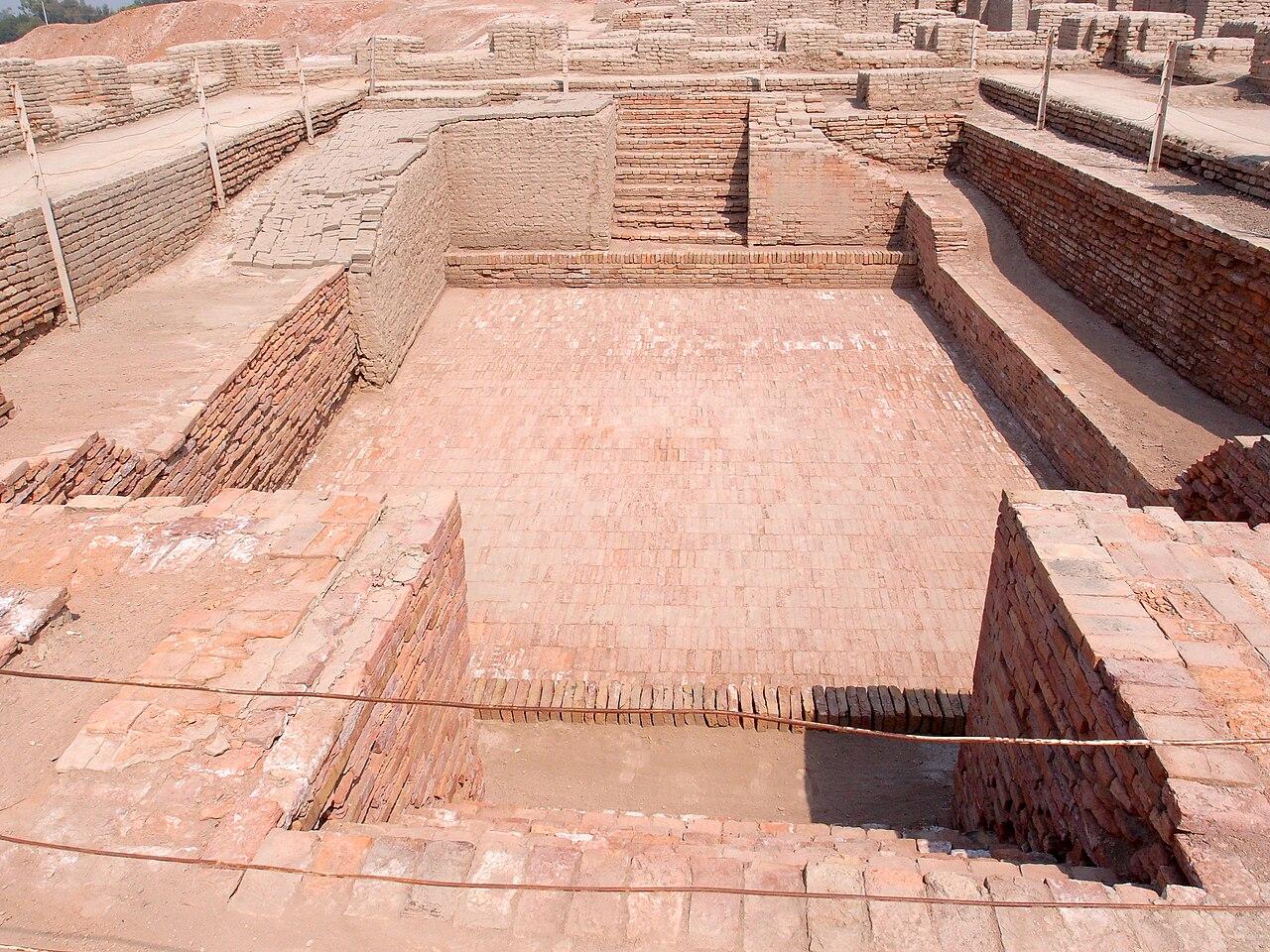
From Mehrgarh's farmers to deurbanisation, in sites, artefacts, genomes and climate records.
Sources & Further Reading
Sources & further reading
- excavation reportJarrige, C., Jarrige, J.-F., Meadow, R. H. & Quivron, G. (eds.) (1995). Mehrgarh Field Reports 1974–1985: From Neolithic Times to the Indus Civilization. Department of Culture and Tourism, Government of Sindh.
- bookConingham, R. & Young, R. (2015). The Archaeology of South Asia: From the Indus to Asoka, c. 6500 BCE–200 CE. Cambridge University Press.
- journal articleCoppa, A. et al. (2006). Early Neolithic tradition of dentistry. Nature 440: 755–756. doi:10.1038/440755a
- bookPossehl, G. L. (2002). The Indus Civilization: A Contemporary Perspective. AltaMira Press.