Curated collection · 10 entries
10 Archaeological Discoveries That Changed Indian History
Each of these discoveries forced historians to revise the story of the subcontinent — some by thousands of years.
Curated by Indophile Editorial
- 01Sitec. 3300 – 1300 BCE(Approximate)
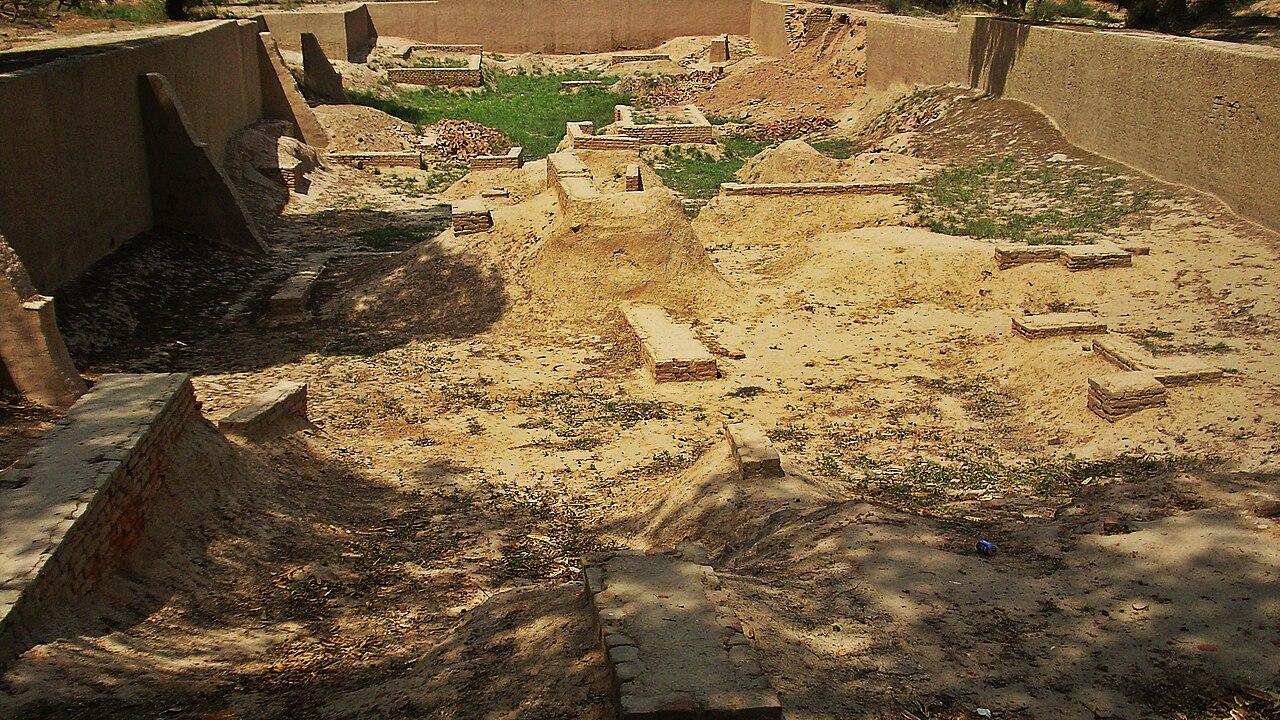
Harappa
The 1920–21 excavations that revealed a Bronze Age civilisation.
The first Indus city to be excavated, giving its name to the Harappan civilisation. A long occupation sequence from the Ravi phase to the Late Harappan period.
- 02Sitec. 2600 – 1900 BCE(Approximate)
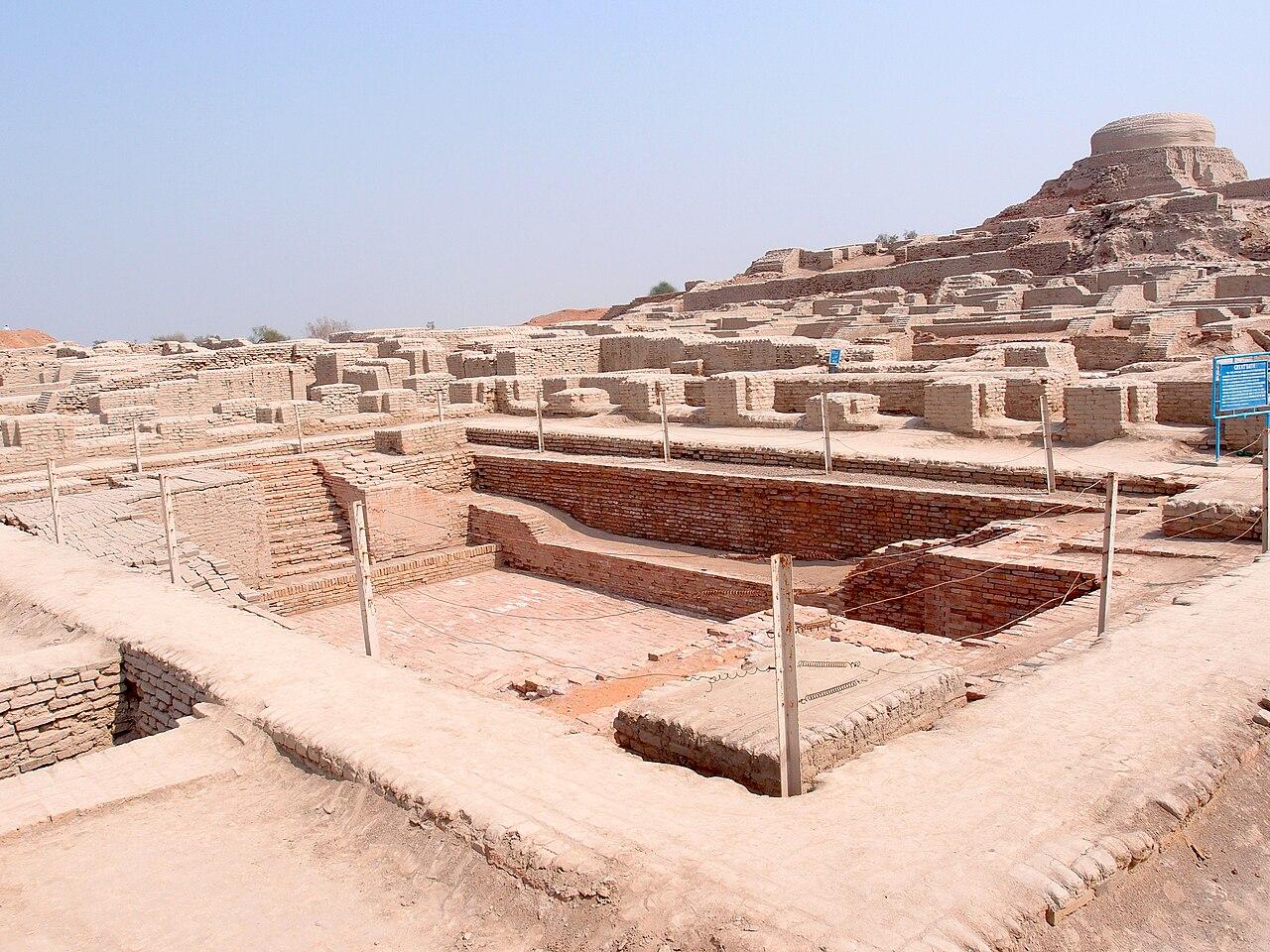
Mohenjo-daro
The largest excavated Indus city.
The largest excavated Indus city, laid out on a citadel mound and a lower town with baked-brick houses, wells, covered drains and the Great Bath.
- 03Sitec. 7000 – 2500 BCE(Approximate)
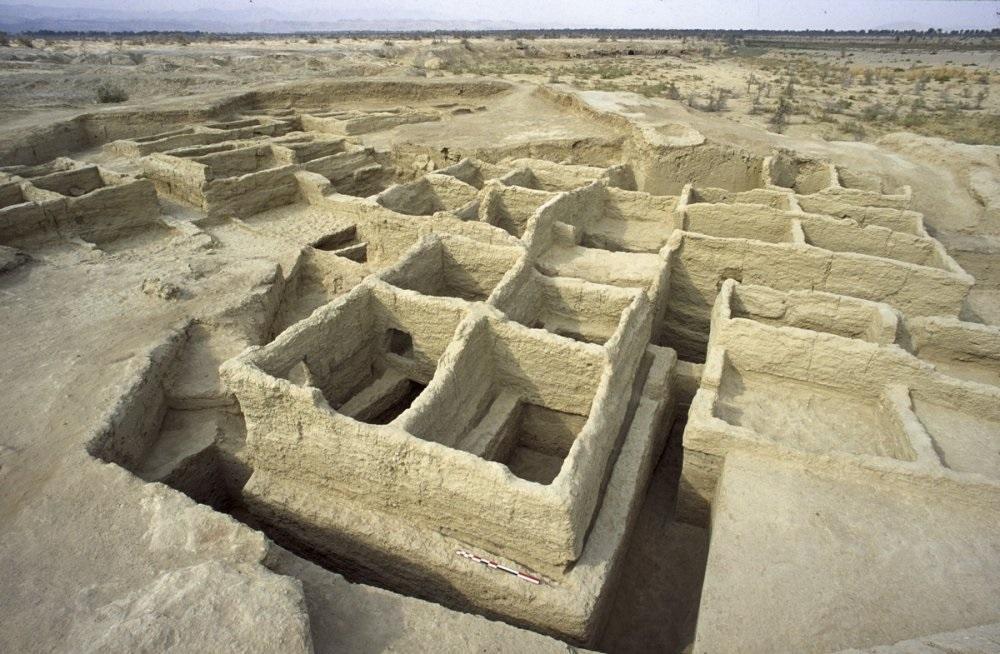
Mehrgarh
Farming in South Asia pushed back to c. 7000 BCE.
A Neolithic settlement at the foot of the Bolan Pass with some of the earliest evidence in South Asia for farming, herding and permanent mud-brick architecture.
- 04Sitec. 1.5 million – 170,000 years ago(Approximate)
Attirampakkam
Acheulian toolmakers dated to c. 1.5 million years ago.
An open-air Palaeolithic site near Chennai that has produced some of the oldest dated Acheulian stone tools in South Asia, and later Middle Palaeolithic assemblages.
- 05Event1837(Secure date)
Brahmi deciphered
Brahmi becomes readable, unlocking the epigraphic record.
James Prinsep deciphers Brahmi, making Ashoka's edicts readable.
- 06Site258 BCE(Conventional date)
Maski
The edict that named Ashoka.
Minor Rock Edict in which Ashoka is named directly as 'Asoka' — key to identifying the 'Devanampiya Piyadasi' of the edicts.
- 07Sitec. 3rd century BCE – 3rd century CE(Approximate)
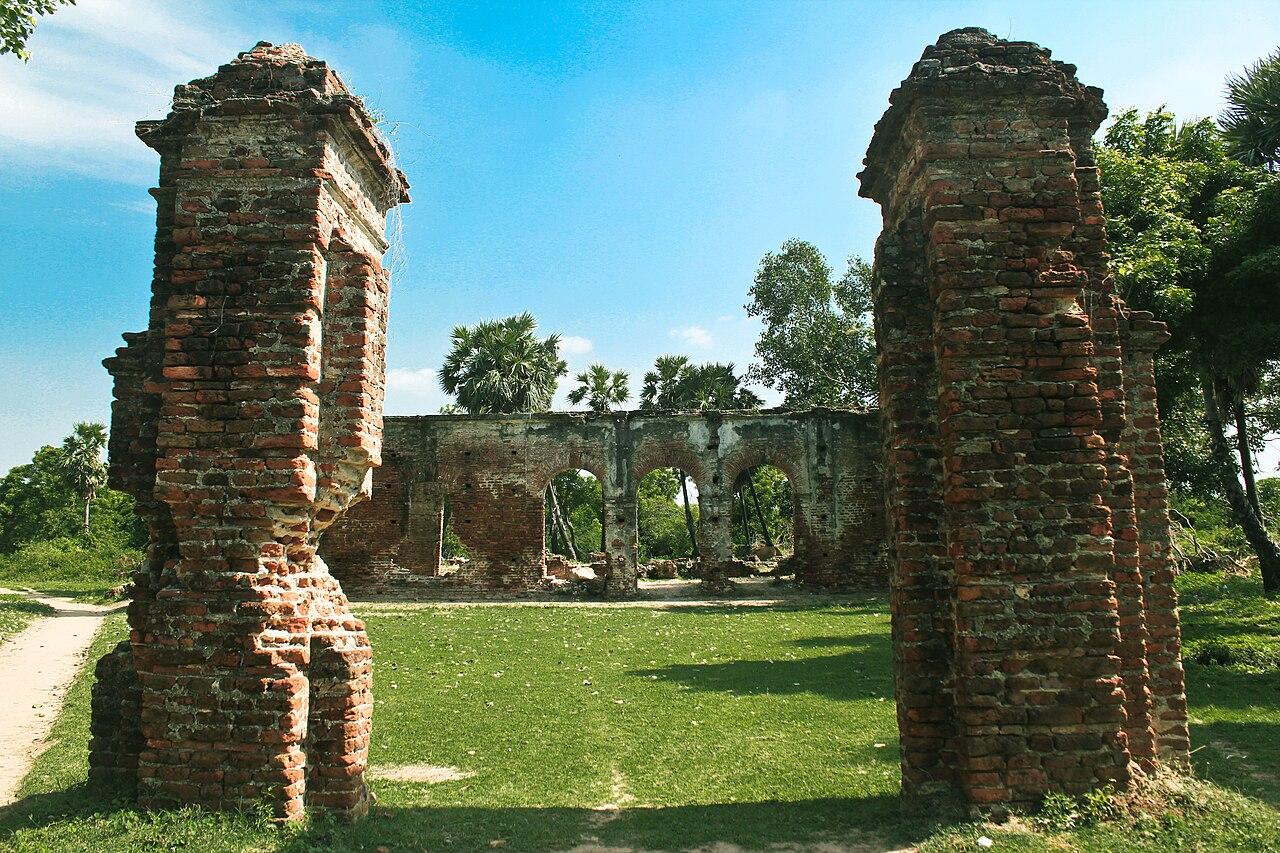
Arikamedu
Roman pottery on the Coromandel coast.
A coastal settlement on the Ariyankuppam river where Mediterranean pottery and amphorae document trade with the Roman world, alongside a long-lived local bead industry.
- 08Sitec. 3000 – 1500 BCE(Approximate)
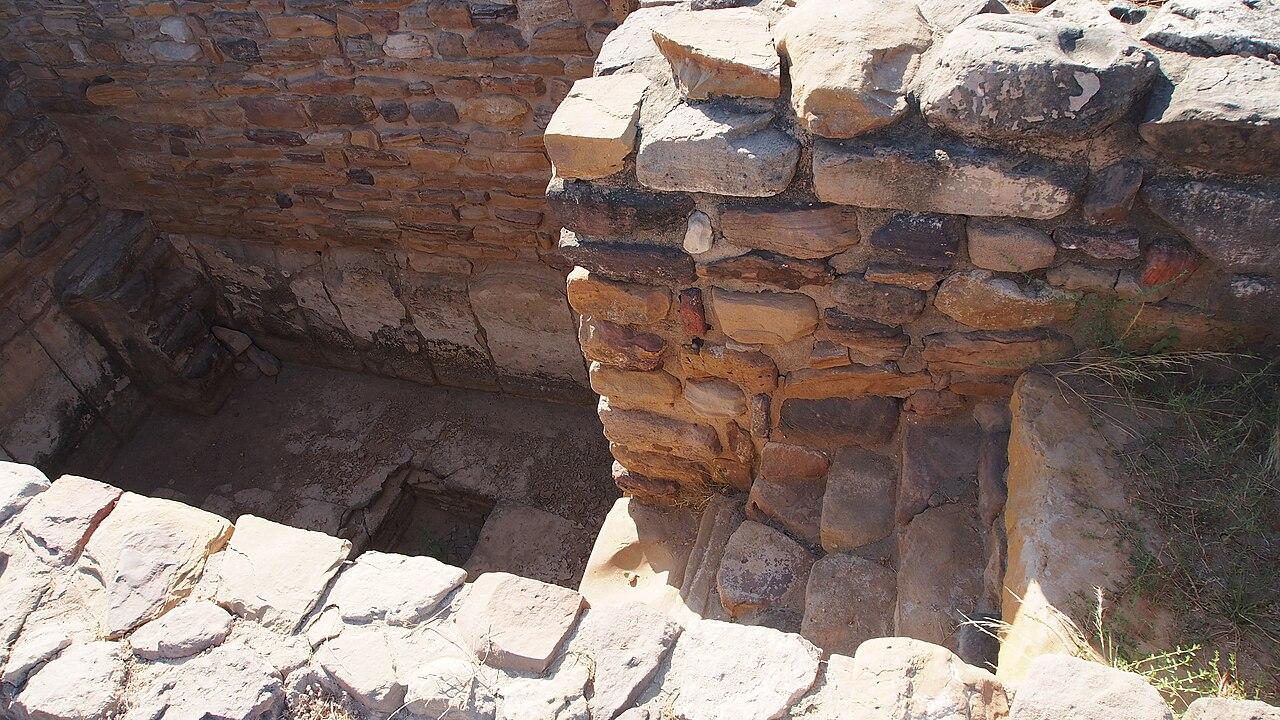
Dholavira
Water engineering in the Rann of Kutch.
A walled Harappan city on Khadir Bet in the Rann of Kutch, notable for its stone architecture and a sophisticated system of reservoirs for capturing seasonal water.
- 09Site6th century BCE (debated) – early centuries CE(Debated)
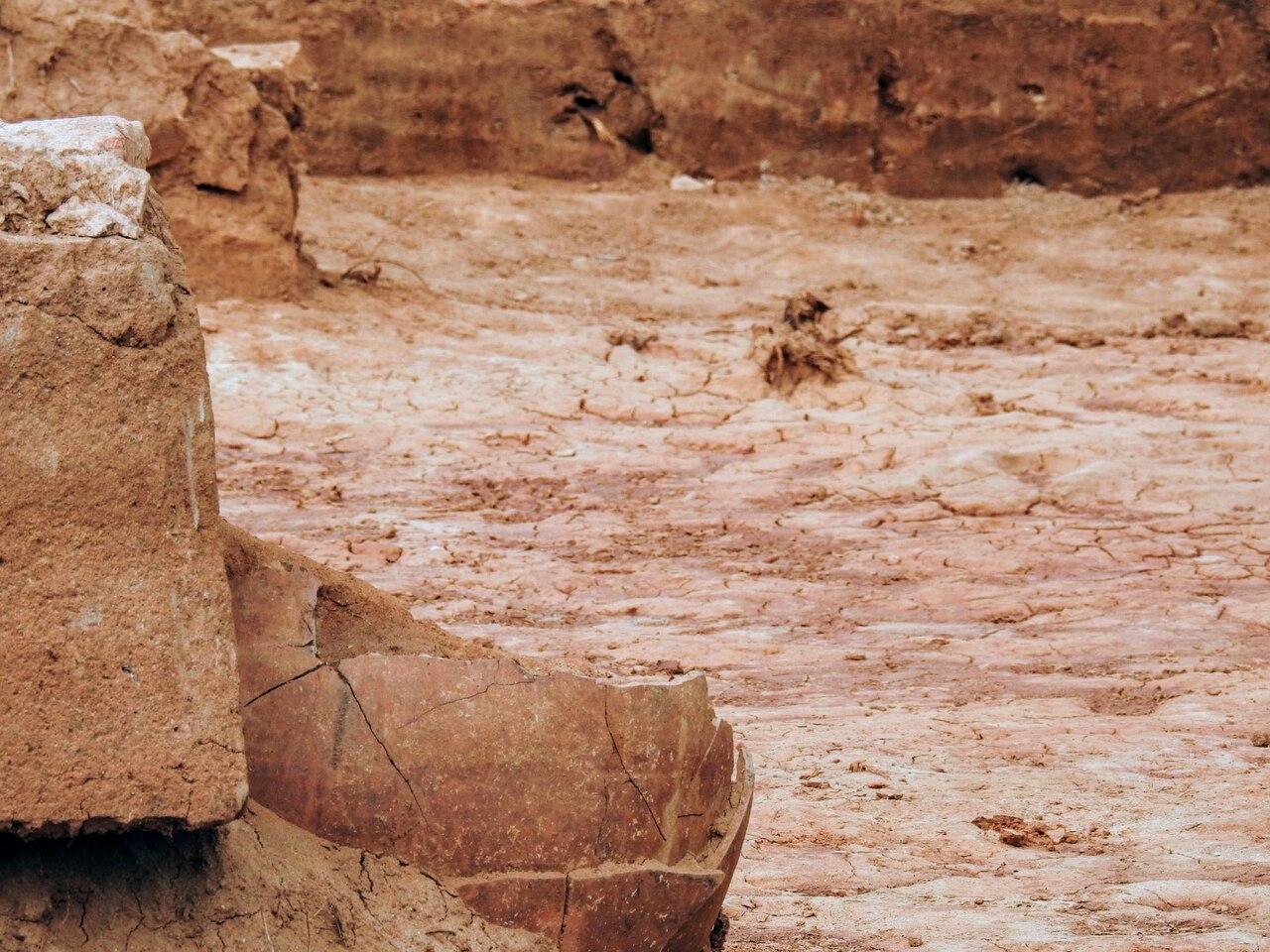
Keeladi
Early historic urbanism on the Vaigai.
An Early Historic urban settlement on the Vaigai with brick structures, ring wells and potsherds inscribed in Tamil-Brahmi.
- 10Genetic study2019 CE(Secure date)
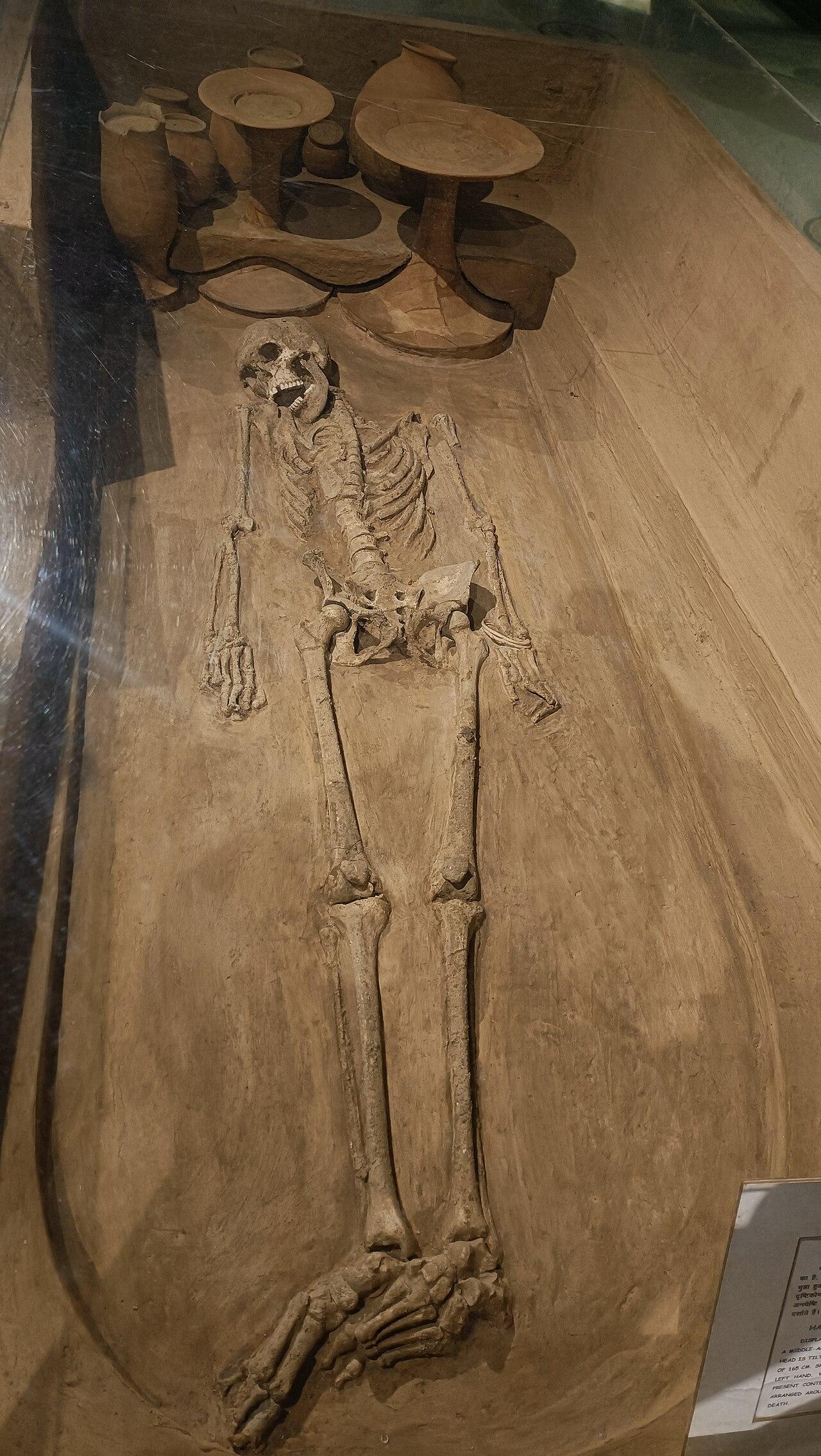
An Ancient Harappan Genome Lacks Ancestry from Steppe Pastoralists or Iranian Farmers
The first ancient genome from an Indus cemetery.
The first published genome from an individual buried in an Indus civilisation cemetery.
The Map Check
Places in this collection
Sources & Further Reading
Sources & further reading
- excavation reportVats, M. S. (1940). Excavations at Harappa. Government of India Press.
- excavation reportMeadow, R. H. (ed.) (1991). Harappa Excavations 1986–1990: A Multidisciplinary Approach to Third Millennium Urbanism. Prehistory Press.
- bookKenoyer, J. M. (1998). Ancient Cities of the Indus Valley Civilization. Oxford University Press.
- excavation reportMarshall, J. (ed.) (1931). Mohenjo-daro and the Indus Civilization. Arthur Probsthain.
- unescoUNESCO World Heritage Centre (1980). Archaeological Ruins at Moenjodaro (List no. 138). whc.unesco.org/en/list/138
- bookPossehl, G. L. (2002). The Indus Civilization: A Contemporary Perspective. AltaMira Press.
- bookWright, R. P. (2010). The Ancient Indus: Urbanism, Economy, and Society. Cambridge University Press.
- excavation reportJarrige, C., Jarrige, J.-F., Meadow, R. H. & Quivron, G. (eds.) (1995). Mehrgarh Field Reports 1974–1985: From Neolithic Times to the Indus Civilization. Department of Culture and Tourism, Government of Sindh.
- bookConingham, R. & Young, R. (2015). The Archaeology of South Asia: From the Indus to Asoka, c. 6500 BCE–200 CE. Cambridge University Press.
- journal articleCoppa, A. et al. (2006). Early Neolithic tradition of dentistry. Nature 440: 755–756. doi:10.1038/440755a
- journal articlePappu, S. et al. (2011). Early Pleistocene presence of Acheulian hominins in South India. Science 331(6024): 1596–1599. doi:10.1126/science.1200183
- journal articleAkhilesh, K. et al. (2018). Early Middle Palaeolithic culture in India around 385–172 ka reframes Out of Africa models. Nature 554: 97–101. doi:10.1038/nature25444
- bookSalomon, R. (1998). Indian Epigraphy: A Guide to the Study of Inscriptions in Sanskrit, Prakrit, and the Other Indo-Aryan Languages. Oxford University Press.
- inscription corpusHultzsch, E. (1925). Inscriptions of Asoka. Corpus Inscriptionum Indicarum, Vol. I (new edition). Clarendon Press.
- excavation reportWheeler, R. E. M., Ghosh, A. & Deva, K. (1946). Arikamedu: an Indo-Roman trading-station on the east coast of India. Ancient India 2: 17–124. Archaeological Survey of India.
- bookBegley, V. & De Puma, R. D. (eds.) (1991). Rome and India: The Ancient Sea Trade. University of Wisconsin Press.
- unescoUNESCO World Heritage Centre (2021). Dholavira: a Harappan City (List no. 1645). whc.unesco.org/en/list/1645
- excavation reportTamil Nadu State Department of Archaeology (2019). Keeladi: An Urban Settlement of Sangam Age on the Banks of River Vaigai. Government of Tamil Nadu.
- journal articleShinde, V. et al. (2019). An Ancient Harappan Genome Lacks Ancestry from Steppe Pastoralists or Iranian Farmers. Cell 179(3): 729–735. doi:10.1016/j.cell.2019.08.048