Genetic study · Cell 2019
An Ancient Harappan Genome Lacks Ancestry from Steppe Pastoralists or Iranian Farmers
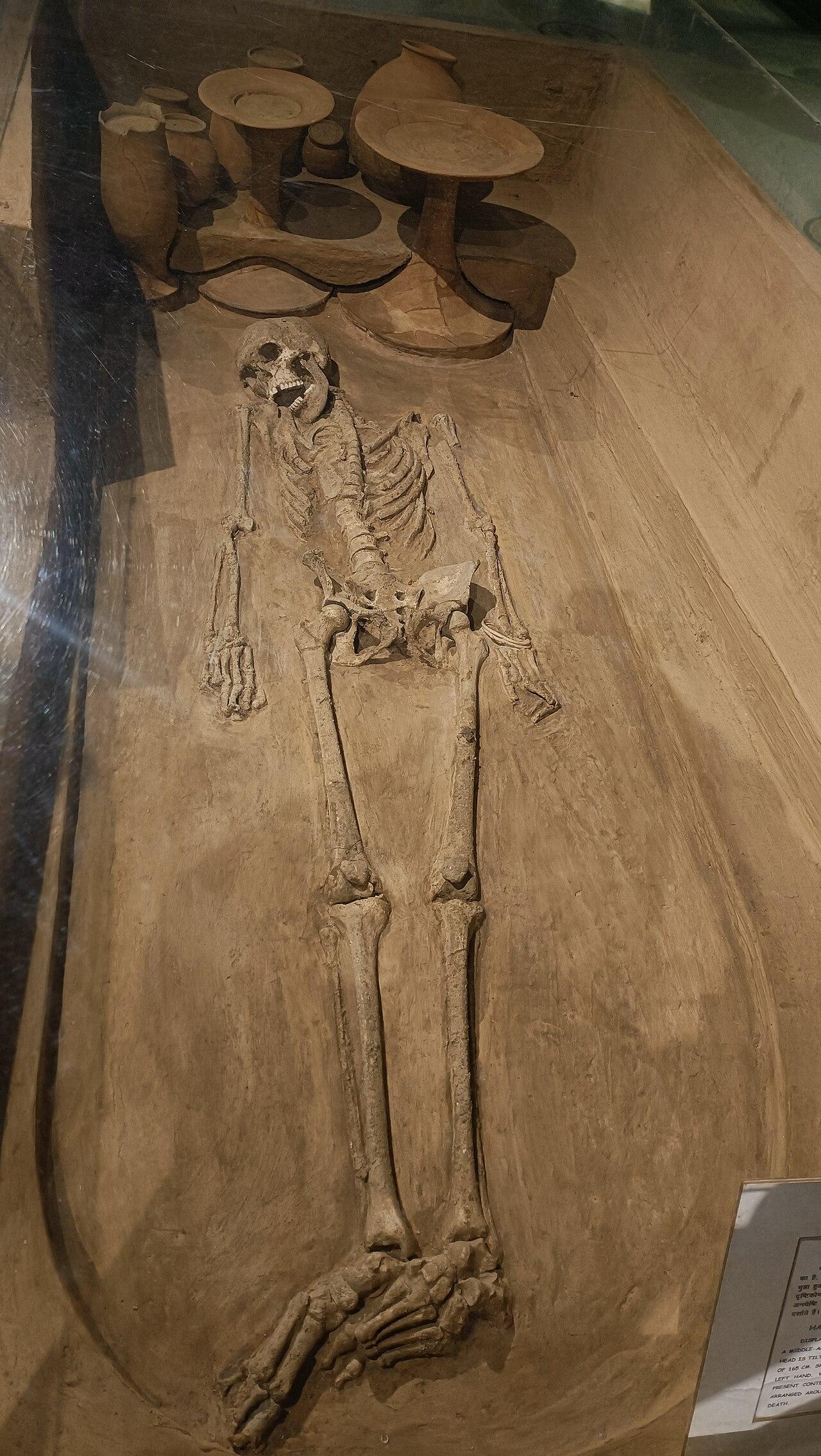
The first published genome from an individual buried in an Indus civilisation cemetery.
Reading note
Genetic ancestry described here refers to statistical relationships between sampled genomes. It does not map onto any present-day ethnic, linguistic, religious, caste or national identity.Method
Research methodology
- 01Ancient DNA from a petrous bone
- 02Genome-wide capture (low coverage)
- 03Comparison with the Indus Periphery Cline and other ancient groups
What the DNA says
Main findings
- 01The individual's ancestry fits within the Indus Periphery Cline identified by Narasimhan et al.
- 02No detectable steppe pastoralist-related ancestry.
- 03The Iranian-related component is modelled as deriving from a lineage that separated from ancient Iranian farmers and hunter-gatherers early, before or around the start of farming in the region, according to the authors' modelling.
What we still don't know
Limitations
- 01A single individual with limited genomic coverage.
- 02Cannot represent the population of the whole civilisation.
- 03Dating of the individual relies on archaeological context.
Geographic distribution
Sampled individuals
Connected to An Ancient Harappan Genome Lacks Ancestry from Steppe Pastoralists or Iranian Farmers
Continue exploring
Rakhigarhi
One of the largest Harappan settlements, in the Ghaggar basin of Haryana. Its cemetery produced the first published ancient genome from an Indus-associated individual.
The formation of human populations in South and Central Asia
A large ancient DNA study proposing how ancestry related to Iranian-plateau groups, AASI and steppe pastoralists combined to form South Asian populations.
Indus Periphery-related ancestry
A genetic gradient defined by individuals with Iranian-related and AASI-related ancestry, observed directly in ancient genomes from Rakhigarhi and from Indus-associated migrants found in Iran and Central Asia.
Indus Valley Civilisation
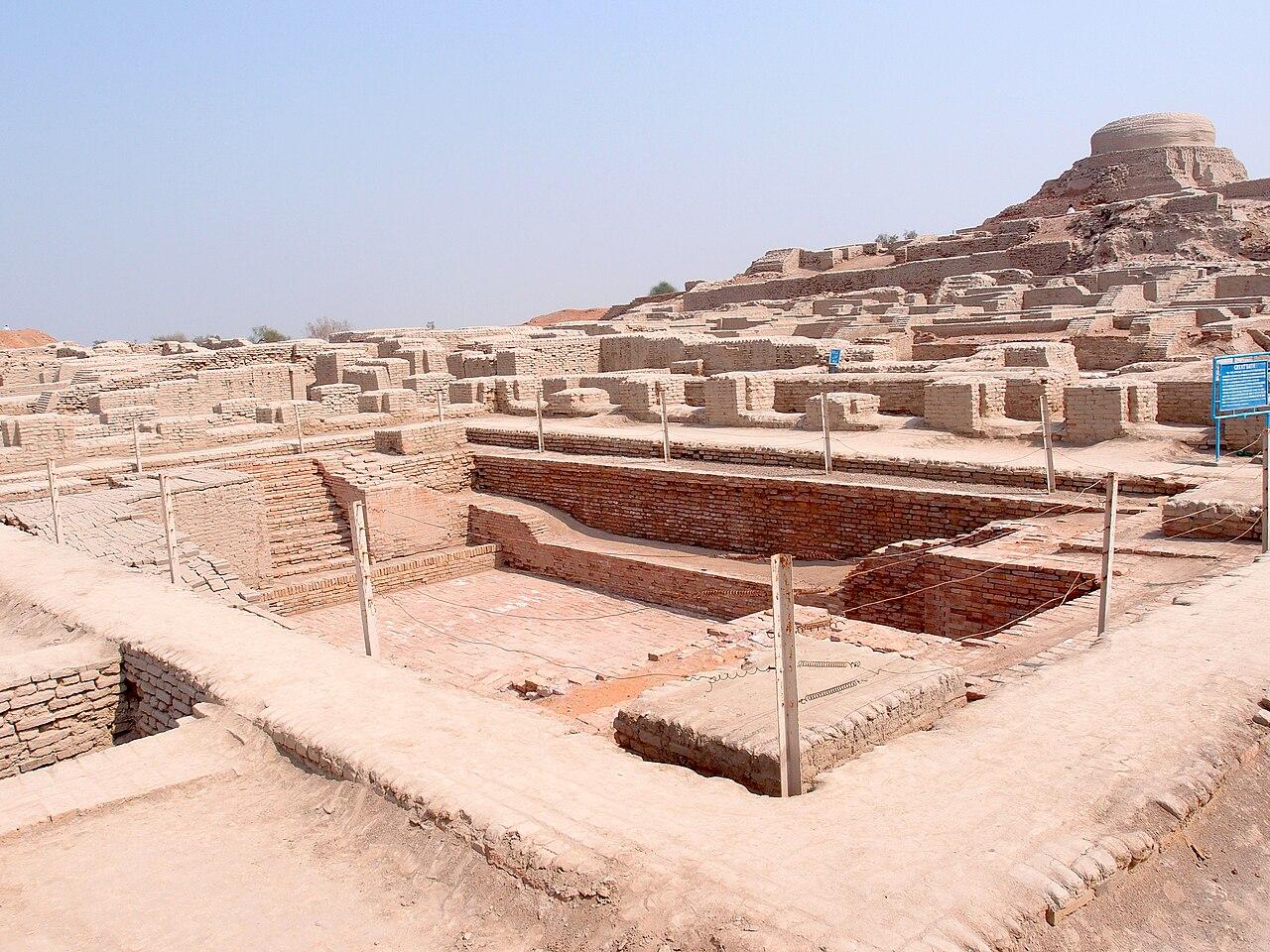
A Bronze Age urban tradition spanning more than a million square kilometres, known for planned cities, standardised weights, craft specialisation and an undeciphered script.
One Genome from Rakhigarhi: What It Can and Cannot Tell Us
A careful reading of the Rakhigarhi genome and the Indus Periphery Cline.
First ancient genome from an Indus-associated individual
Shinde et al. publish a genome from the Rakhigarhi cemetery.
Iranian-related ancient ancestry
Ancestry related to ancient hunter-gatherers and farmers of the Iranian plateau. In South Asian contexts it appears from a lineage that may have separated from sampled Iranian groups early.
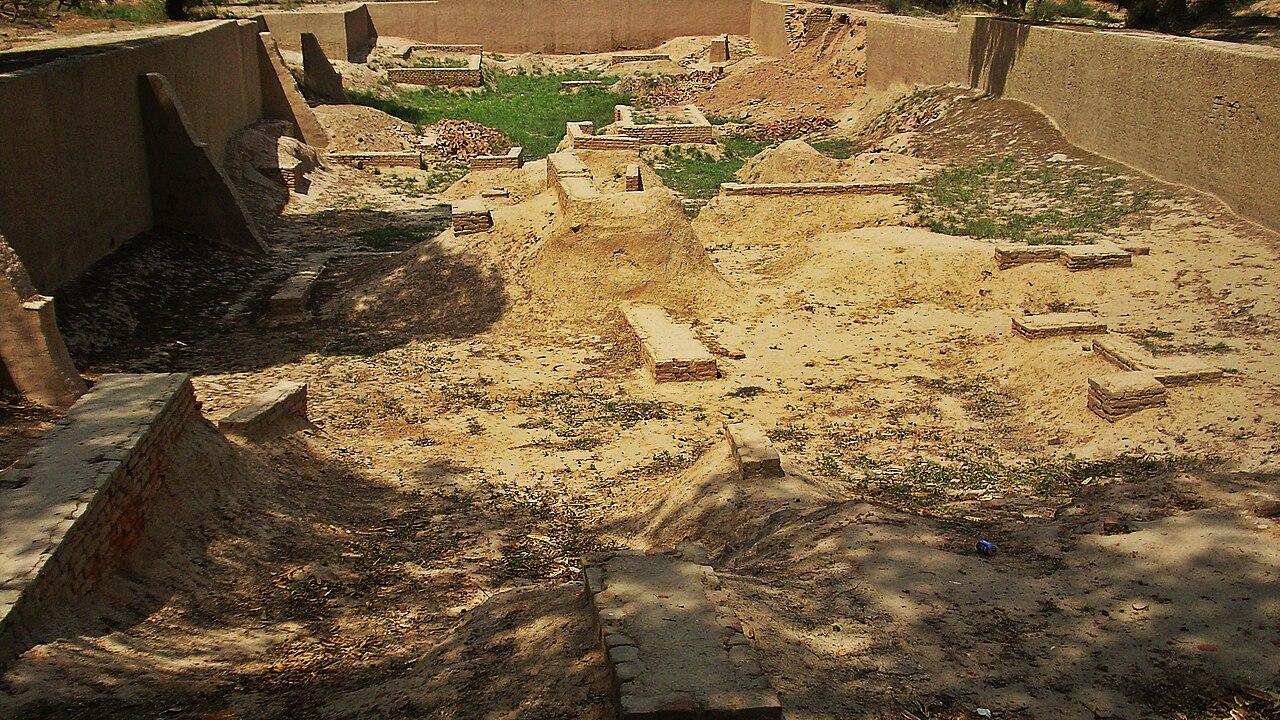
10 Archaeological Discoveries That Changed Indian History
Ten finds that rewrote what we thought we knew.
Sources & Further Reading
Sources & further reading
- journal articleShinde, V. et al. (2019). An Ancient Harappan Genome Lacks Ancestry from Steppe Pastoralists or Iranian Farmers. Cell 179(3): 729–735. doi:10.1016/j.cell.2019.08.048