Ancient DNA
One Genome from Rakhigarhi: What It Can and Cannot Tell Us
In 2019 a team published the first genome from an Indus civilisation cemetery. The headlines were loud. The evidence is narrower — and more interesting — than either side claimed.
- Period
- c. 2800 – 2300 BCE(Approximate)
- Location
- ◇ Haryana, and Indus-associated individuals in Iran and Central Asia
- Reading time
- 8 min read
- Author
- Indophile Editorial
- Evidence
- Well supported
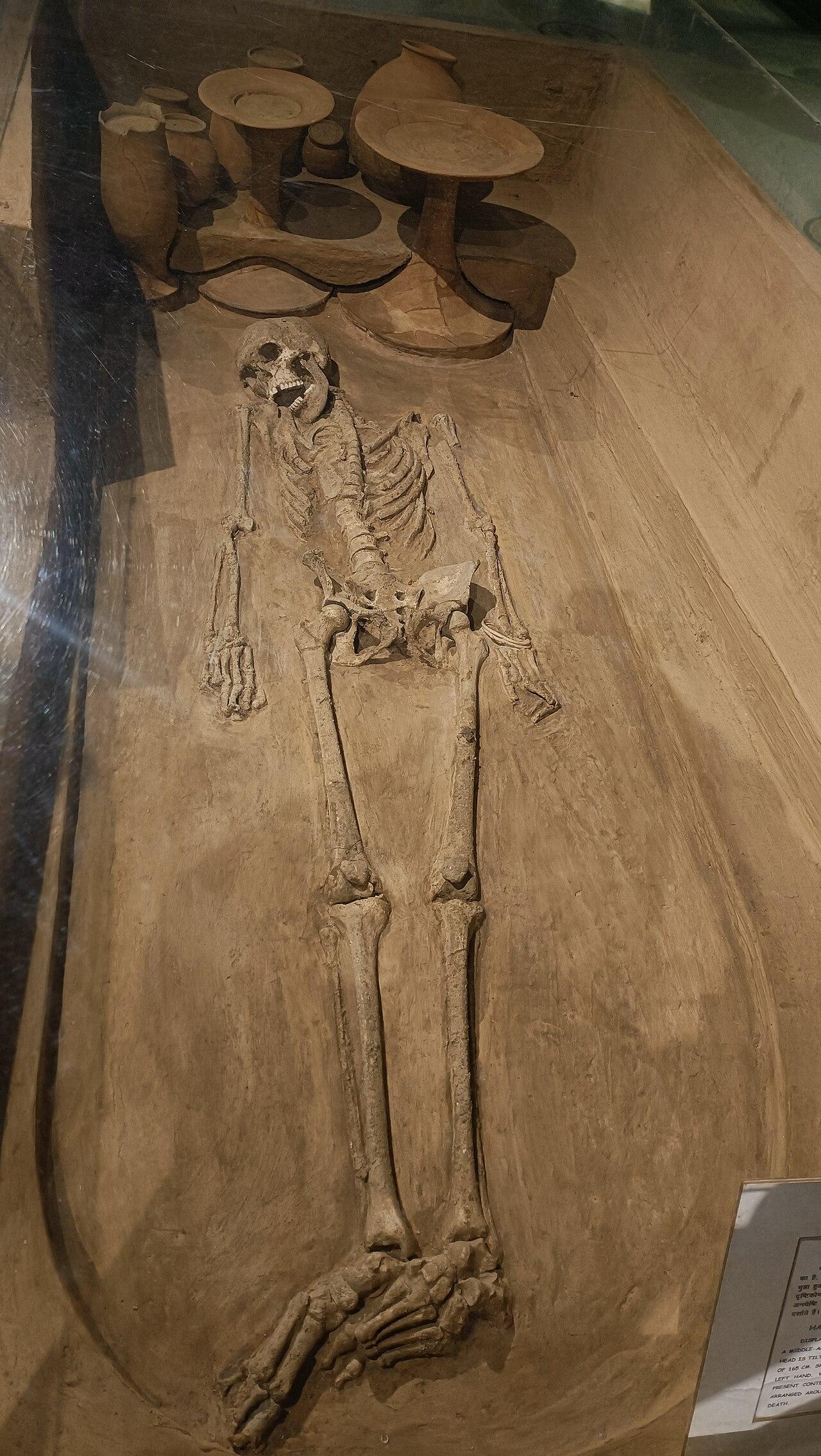
From the Trenches
From the trenches
EstablishedWhat does the archaeological evidence reveal?
Ancient DNA survives poorly in the heat and monsoon humidity of South Asia. Of the skeletons sampled from the Rakhigarhi cemetery, the team obtained usable data from one individual, catalogued as I6113, buried in a Mature Harappan context.
SourcesShinde et al. 2019
What the DNA Says
What the DNA says
Well supportedWhat archaeogenetics can tell us — and its limits
The individual's ancestry matched a pattern previously seen in eleven people buried far away, at Gonur in Turkmenistan and Shahr-i Sokhta in Iran, who were genetically unlike their neighbours. Researchers had interpreted those eleven as migrants from the Indus world. Rakhigarhi provided a match from within it.
The genome was modelled as a mixture of ancestry related to ancient Iranian-plateau populations and to AASI. No steppe-related ancestry was detected — consistent with the view that steppe-related ancestry arrived in South Asia later, in the 2nd millennium BCE.
What it cannot tell us
EstablishedOne person cannot represent a civilisation of perhaps a million people across a million square kilometres. The genome tells us nothing about the language its owner spoke, or what she or anyone around her believed or called themselves.
Nor can it establish that any present-day group 'descends from' the Harappans and others do not. Every present-day South Asian population is the product of multiple histories of mixture.
SourcesNarasimhan et al. 2019
What We Still Don't Know
What we still don't know
DebatedUnresolved questions and competing interpretations
How genetically varied the Indus population was across its range; when the Iranian-related component first arrived in South Asia; and how the many unsampled regions fit the picture. More genomes — and more careful archaeological contexts — are needed.
SourcesShinde et al. 2019
Archaeological evidence
Sites, artefacts and events in this story
Sources & Further Reading
Sources & further reading
- journal articleShinde, V. et al. (2019). An Ancient Harappan Genome Lacks Ancestry from Steppe Pastoralists or Iranian Farmers. Cell 179(3): 729–735. doi:10.1016/j.cell.2019.08.048
- journal articleNarasimhan, V. M. et al. (2019). The formation of human populations in South and Central Asia. Science 365(6457): eaat7487. doi:10.1126/science.aat7487
Keep reading
Related articles
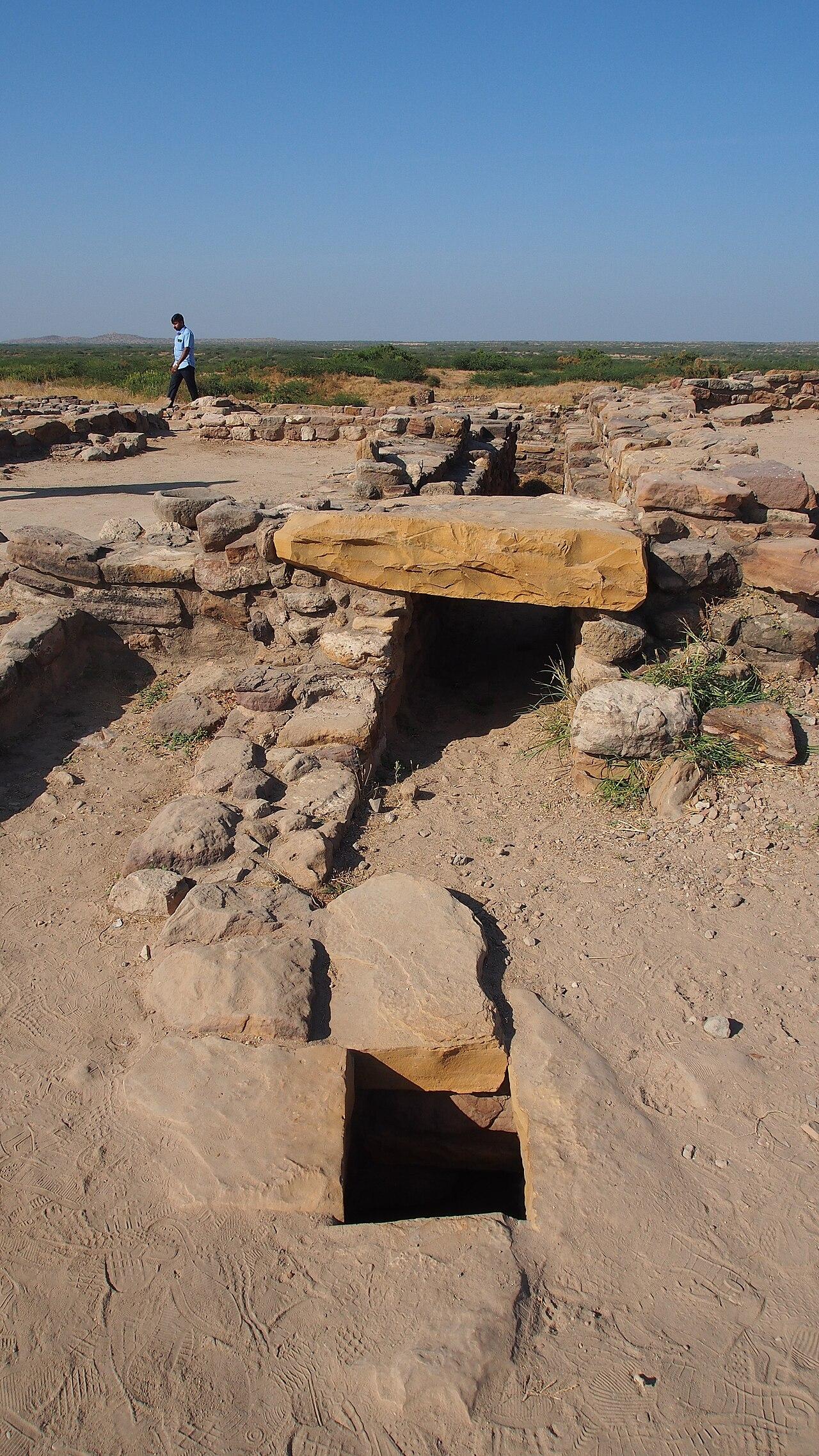
The Water Engineers of the Indus
Drains, wells and reservoirs at Mohenjo-daro and Dholavira, and what they reveal about Indus urban life.
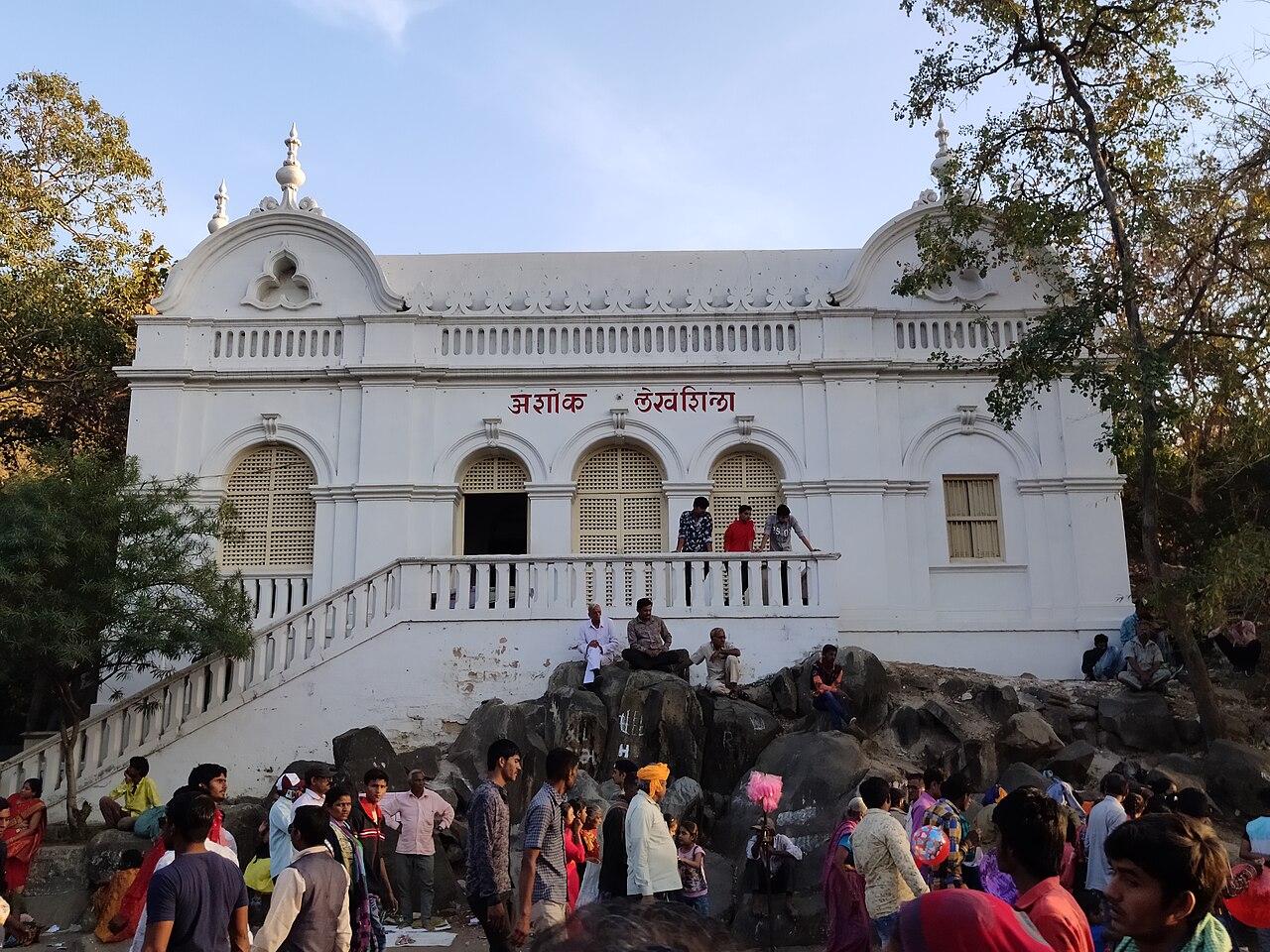
Reading Ashoka
Ashoka's edicts as historical sources: their distribution, languages, decipherment and limits.
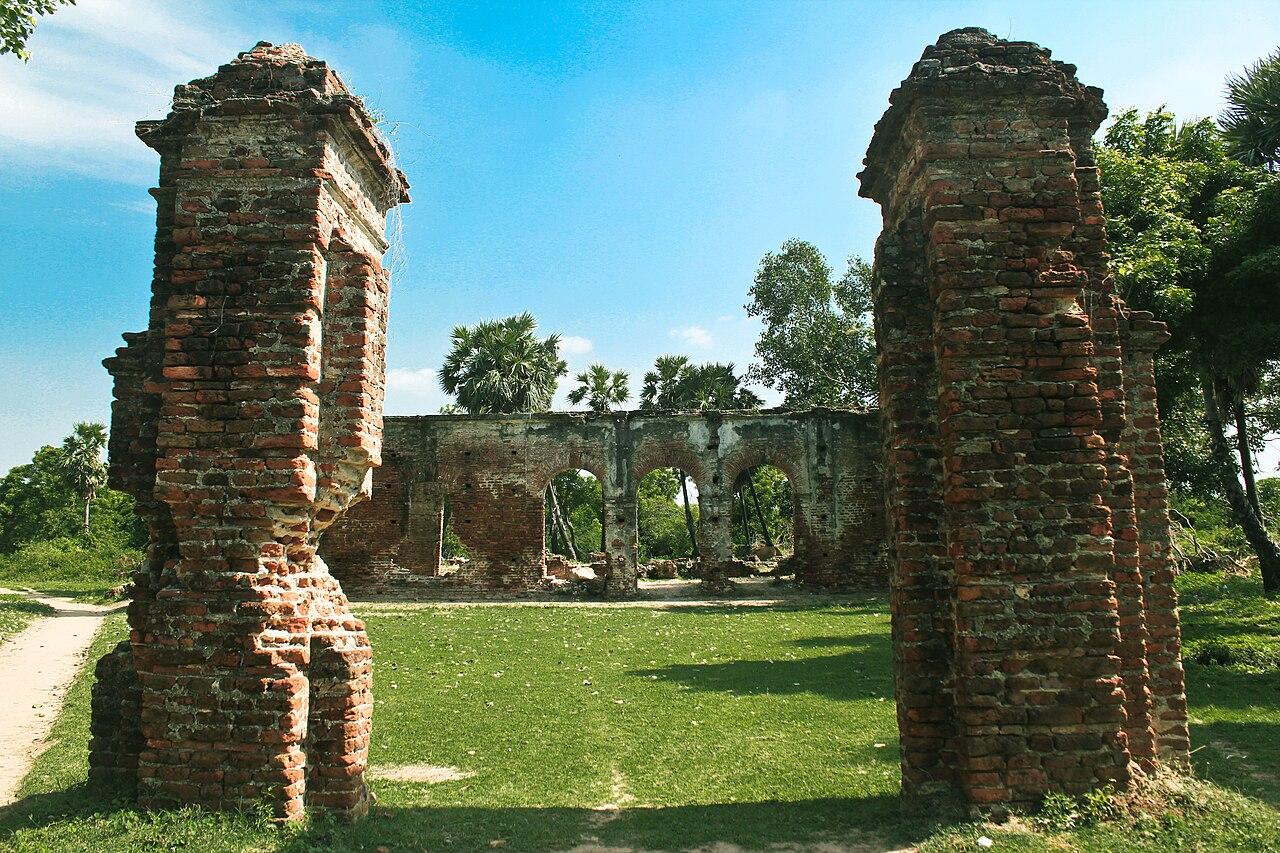
Rome on the Coromandel Coast
Evidence for Indo-Roman trade from archaeology, texts and coins.