Trade and Maritime Networks · Archaeology
Rome on the Coromandel Coast
Italian tableware at Arikamedu, Roman coin hoards in Tamil Nadu, a ship's papyrus listing pepper from Muziris: the archaeology of a trade that linked two ends of the ancient world.
- Period
- c. 30 BCE – 250 CE(Approximate)
- Location
- ◇ Tamil Nadu, Kerala and the Red Sea
- Reading time
- 7 min read
- Author
- Indophile Editorial
- Evidence
- Well supported
From the Trenches
From the trenches
Well supportedWhat does the archaeological evidence reveal?
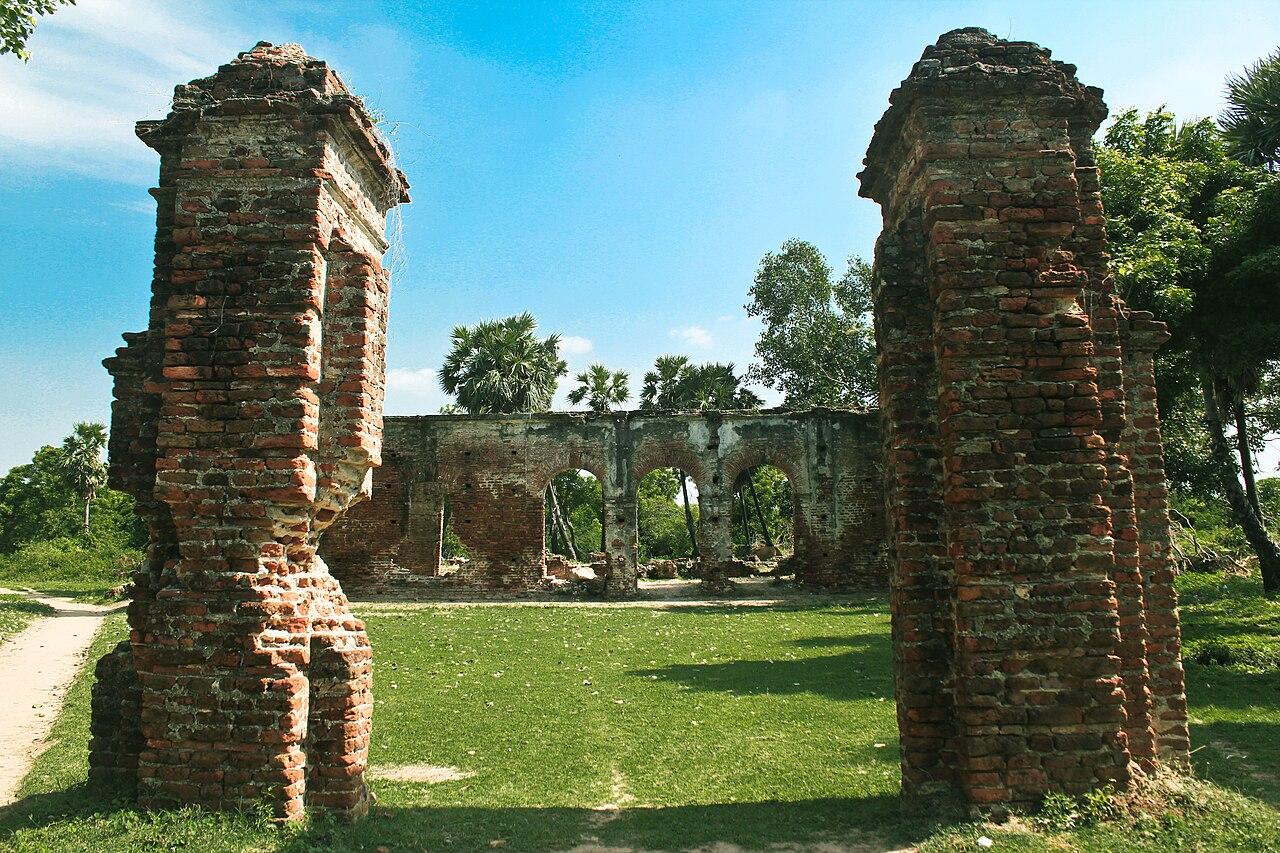
In 1945 Mortimer Wheeler excavated at Arikamedu and found sherds of Arretine ware — red-gloss pottery made in Italy — along with amphorae. He interpreted the site as an 'Indo-Roman trading station'. Later work by Vimala Begley showed that Arikamedu was an Indian settlement that began before the Roman contact and had its own long-lived bead industry.
The Historical Record
The historical record
EstablishedInscriptions, texts, coins and other primary sources
The Periplus of the Erythraean Sea, a Greek merchant's guide of the 1st century CE, lists ports along the Indian coast and the goods traded at each. It names Muziris and describes pepper as a principal export of the Malabar coast.
SourcesCasson et al. 1989
What We Still Don't Know
What we still don't know
DebatedUnresolved questions and competing interpretations
The exact location of Muziris is not settled; Pattanam is the strongest candidate. The scale of the trade, and the extent to which it was run by Indian, Arab, Egyptian or Roman merchants, is also debated.
SourcesBegley et al. 1991
Archaeological evidence
Sites, artefacts and events in this story
Arikamedu
A coastal settlement on the Ariyankuppam river where Mediterranean pottery and amphorae document trade with the Roman world, alongside a long-lived local bead industry.
Muziris (Pattanam?)
A major pepper port on the Malabar coast named in Greek, Latin and Tamil sources. Excavations at Pattanam have been proposed as its location, an identification still discussed.
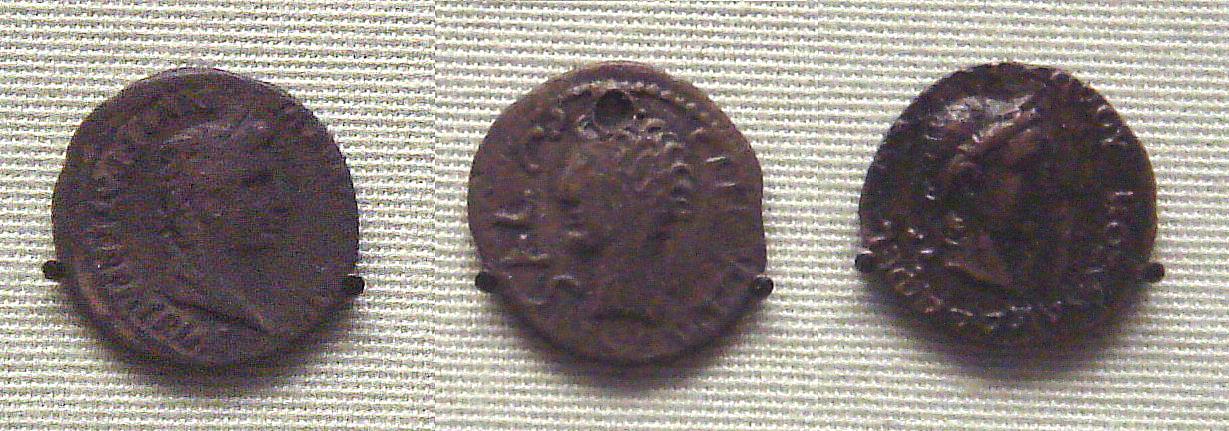
Roman denarius found in India
Roman silver coins of Augustus and Tiberius are found in hoards in South India; local imitations and Kushan coins copying Roman types also circulated.
Peak of Indo-Roman sea trade
Ships use the monsoon winds to sail between Egyptian Red Sea ports and the Malabar coast.
Sources & Further Reading
Sources & further reading
- excavation reportWheeler, R. E. M., Ghosh, A. & Deva, K. (1946). Arikamedu: an Indo-Roman trading-station on the east coast of India. Ancient India 2: 17–124. Archaeological Survey of India.
- bookBegley, V. & De Puma, R. D. (eds.) (1991). Rome and India: The Ancient Sea Trade. University of Wisconsin Press.
- primary sourceCasson, L. (ed. & trans.) (1989). The Periplus Maris Erythraei. Princeton University Press.
Keep reading
Related articles
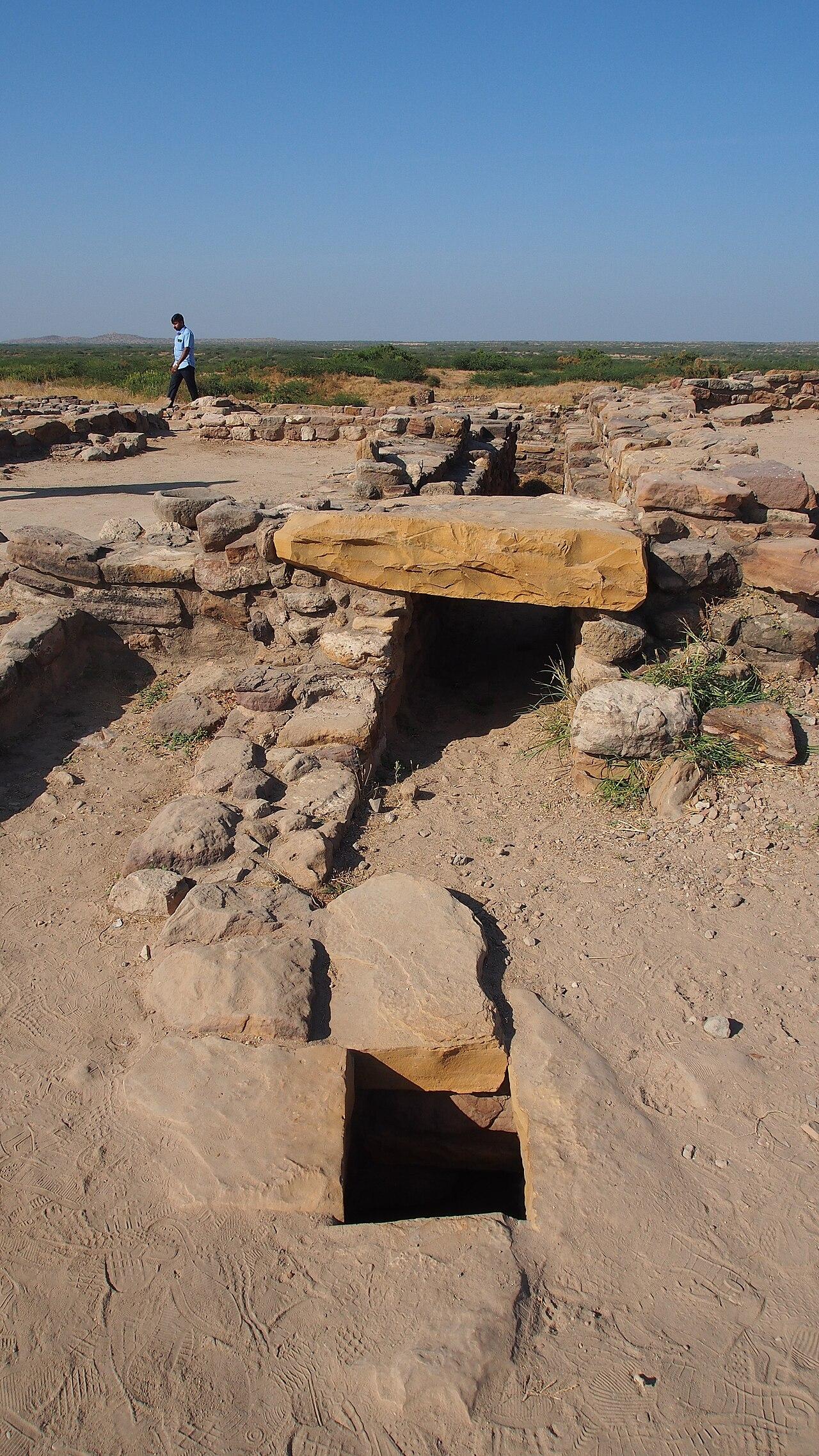
The Water Engineers of the Indus
Drains, wells and reservoirs at Mohenjo-daro and Dholavira, and what they reveal about Indus urban life.
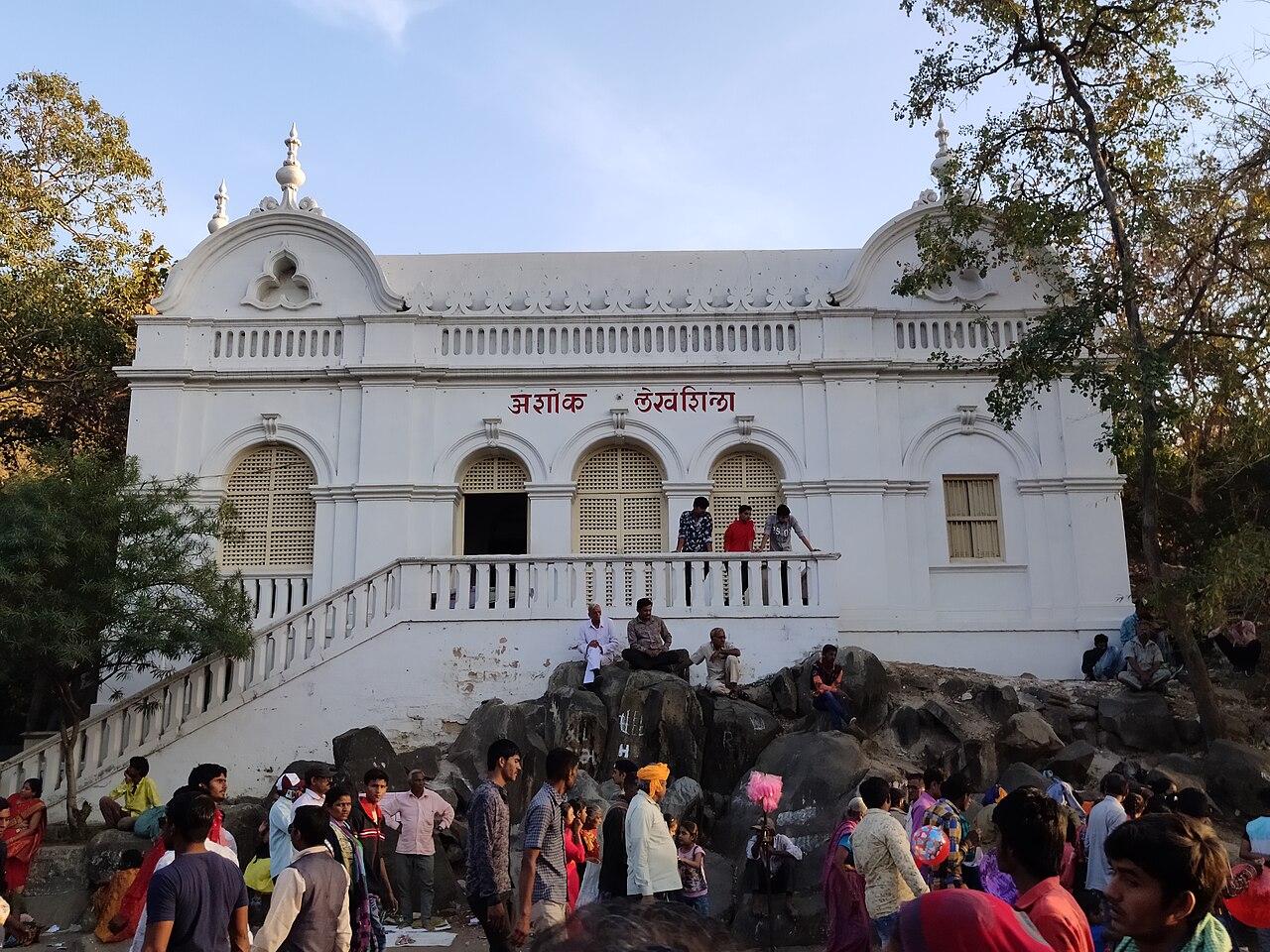
Reading Ashoka
Ashoka's edicts as historical sources: their distribution, languages, decipherment and limits.
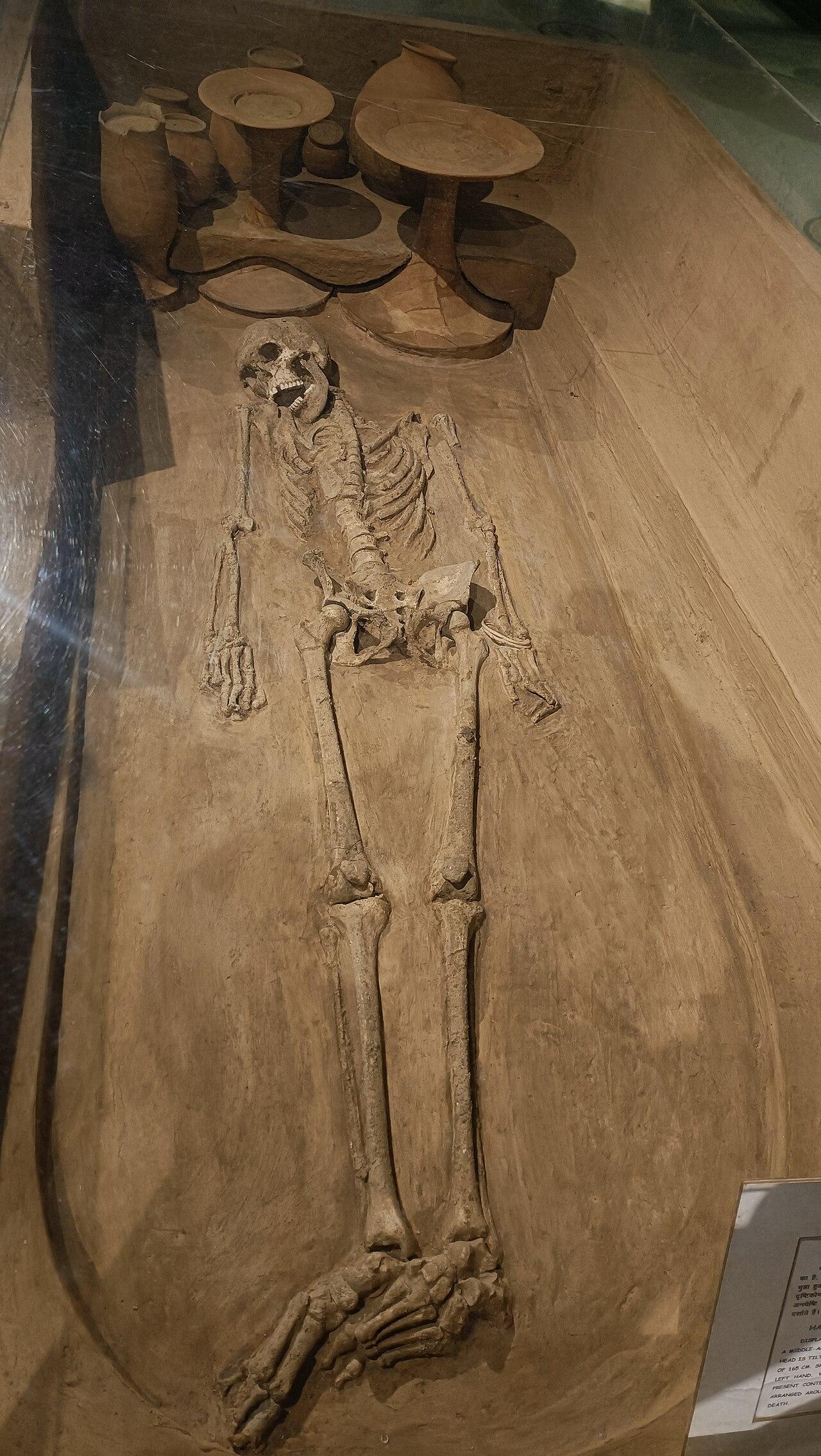
One Genome from Rakhigarhi: What It Can and Cannot Tell Us
A careful reading of the Rakhigarhi genome and the Indus Periphery Cline.