Period 07 of 16
Post-Mauryan Period
Also: Early Historic · Sangam period · Kushan period · Satavahana period
Regional kingdoms, Indo-Greek and Kushan rulers in the north, the Satavahanas in the Deccan, Tamil chiefdoms in the south — and an ocean trade linking all of them to Rome.
Major developments
- 01Shunga rule in the Ganga valley
- 02Indo-Greek kingdoms and bilingual coinage in the northwest
- 03Kushan empire spanning Bactria and the Ganga plain
- 04Satavahana power in the Deccan; rock-cut Buddhist monasteries
- 05Monsoon trade with the Roman world; Tamil-Brahmi inscriptions
The Map Check
Where this period happened
Click a point to open its record. Boundaries at 68 CE from Cliopatria (Seshat), CC BY 4.0.
Polities & cultures
Civilisations, kingdoms and republics
Shunga Dynasty
The dynasty that succeeded the Mauryas in the Ganga valley and central India, founded by Pushyamitra.
Satavahana Dynasty
A Deccan dynasty whose inscriptions, coins and patronage of Buddhist sites mark the political consolidation of the peninsula between the Narmada and the Krishna.
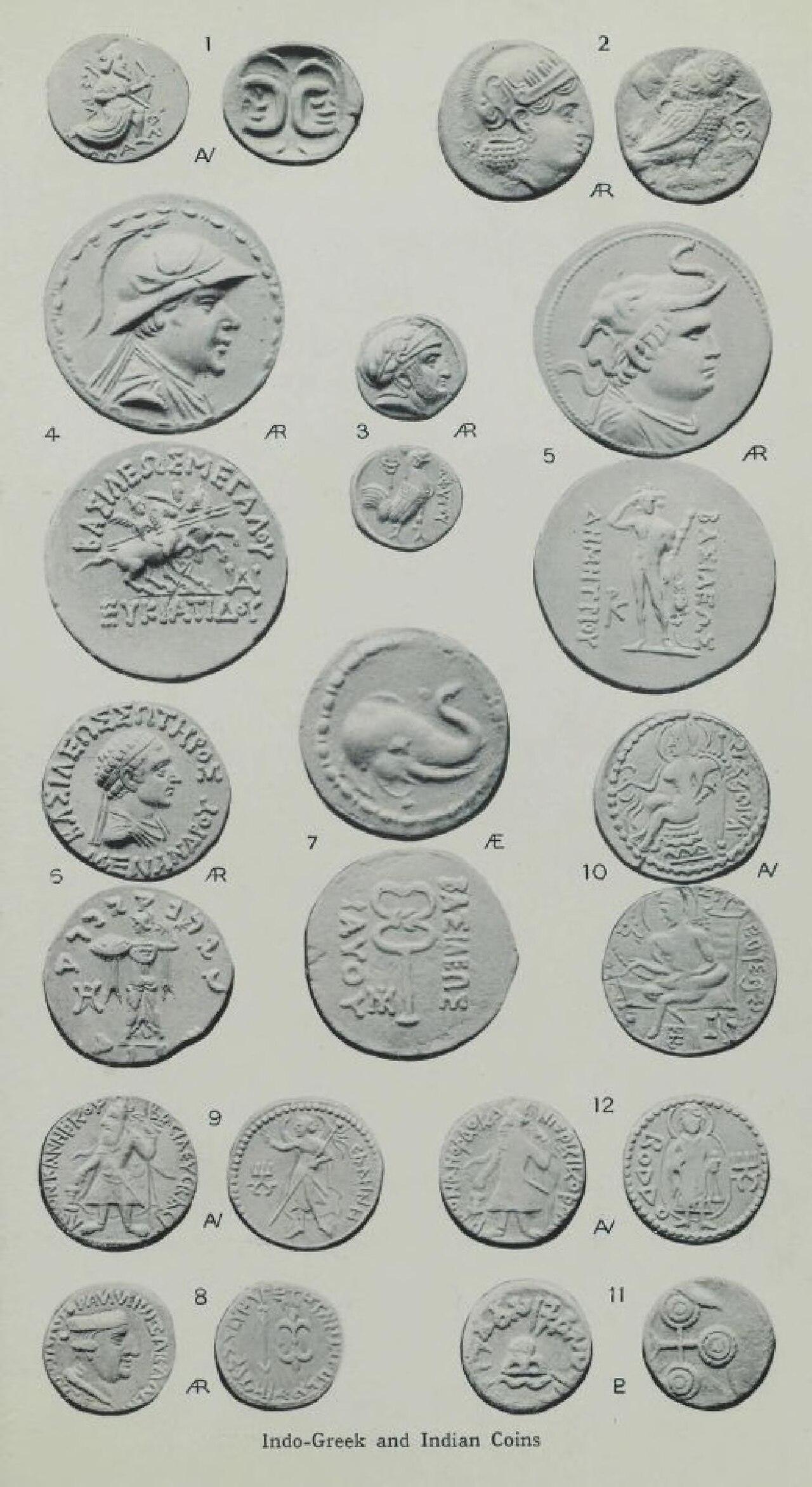
Indo-Greek Kingdoms
Kingdoms ruled by Greek-speaking dynasties from Bactria and the northwest, known largely from bilingual coins in Greek and Kharoshthi.
Kushan Empire
An empire of Central Asian origin that controlled Bactria, Gandhara and the Ganga plain, linking the Silk Road with Indian trade networks.
Early Cholas
One of the three crowned lineages (muvendar) of early Tamilakam, associated with the Kaveri delta in Sangam literature.
Early Pandyas
The southernmost of the muvendar, centred on Madurai; a Pandya king is named in Tamil-Brahmi inscriptions at Mangulam.
Early Cheras
The muvendar lineage of the western coast, associated with the pepper trade through ports such as Muziris.
South Indian Iron Age – Megalithic culture
A long-lived tradition of monumental burial across the peninsula — cists, dolmens, stone circles, urn fields, rock-cut chambers and umbrella stones — associated with iron, Black-and-Red Ware and, later, early writing and trade.
Mahameghavahana (Kharavela of Kalinga)
A Kalinga dynasty best known from the Hathigumpha inscription of Kharavela, a Jain-patronising king whose date is debated.
Western Kshatrapas
Saka rulers of western India, rivals of the Satavahanas, whose Rudradaman I left the Junagadh inscription. Their rule ended with the Gupta conquest of the west.
Ikshvakus of Vijayapuri
Successors of the Satavahanas in Andhra whose capital Vijayapuri, at Nagarjunakonda, held major Buddhist monasteries.
Vakataka
A Deccan dynasty allied by marriage to the Guptas; a Vakataka minister's inscription is in Ajanta Cave 16, and the later Ajanta caves are usually dated to the reign of Harishena.
Pallavas
A dynasty of Kanchipuram whose rock-cut and structural temples at Mamallapuram and Kanchi are landmarks of early Dravidian architecture.
Anuradhapura Kingdom
The first great Sri Lankan kingdom, centred on Anuradhapura, whose history is recorded in the Pali chronicles (Dipavamsa, Mahavamsa) and in Brahmi inscriptions. Its early dates follow the chronicles' chronology.
Indo-Scythians (Sakas)
Saka rulers who displaced the Indo-Greeks in Gandhara under Maues and later governed Mathura through satraps.
Indo-Parthians (Gondophares)
Parthian rulers of the northwest, best known from Gondophares and the Takht-i-Bahi inscription.
Yaudheya republic
A gana-sangha known from its coins and seals and named among the peoples who submitted to Samudragupta — a reminder that republics outlived the age of the Buddha.
Greco-Bactrian Kingdom
Hellenistic kingdom north of the Hindu Kush that broke from the Seleucids in the mid-3rd century BCE. Its kings pushed south into Gandhara and the Punjab in the early 2nd century BCE, where the Indo-Greek kingdoms followed; Bactria itself fell to nomadic groups by about 130 BCE. The chronology is reconstructed largely from coins.
Kanva dynasty
Short-lived line that replaced the Shungas in Magadha. The Puranas give four kings and forty-five years; the dates are the conventional reckoning from those lists, and almost nothing else about the dynasty is independently attested.
From the trenches
Archaeological sites
Kausambi
Capital of the Vatsa mahajanapada, with massive earthen and brick ramparts.
Pataliputra
Capital of Magadha from the late 5th or 4th century BCE and of the Mauryan Empire. Its remains lie beneath modern Patna.
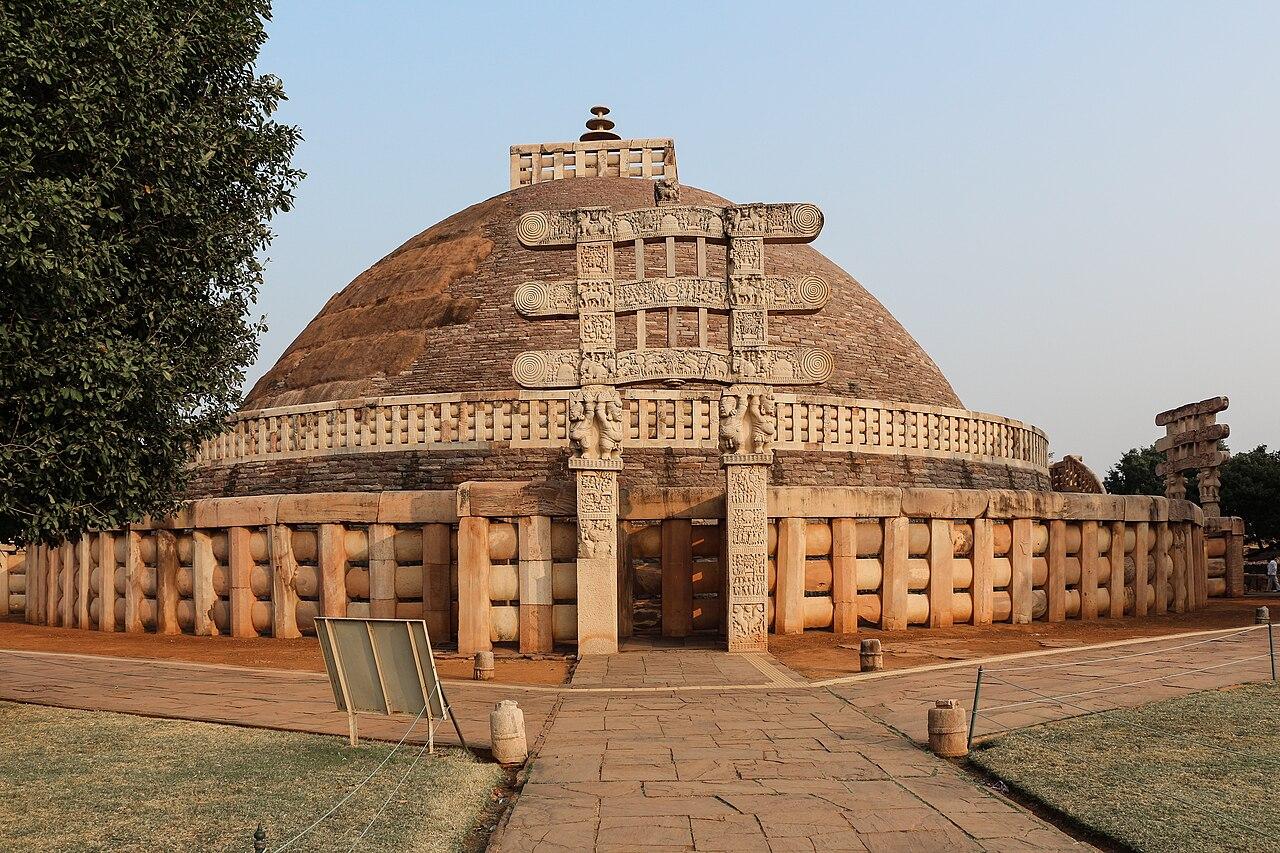
Sanchi
A hilltop Buddhist complex whose Great Stupa originated under Ashoka and was enlarged in the following centuries, with four carved gateways.
Sarnath
The place where, according to Buddhist tradition, the Buddha gave his first sermon. Site of the Ashokan pillar whose capital became India's national emblem.
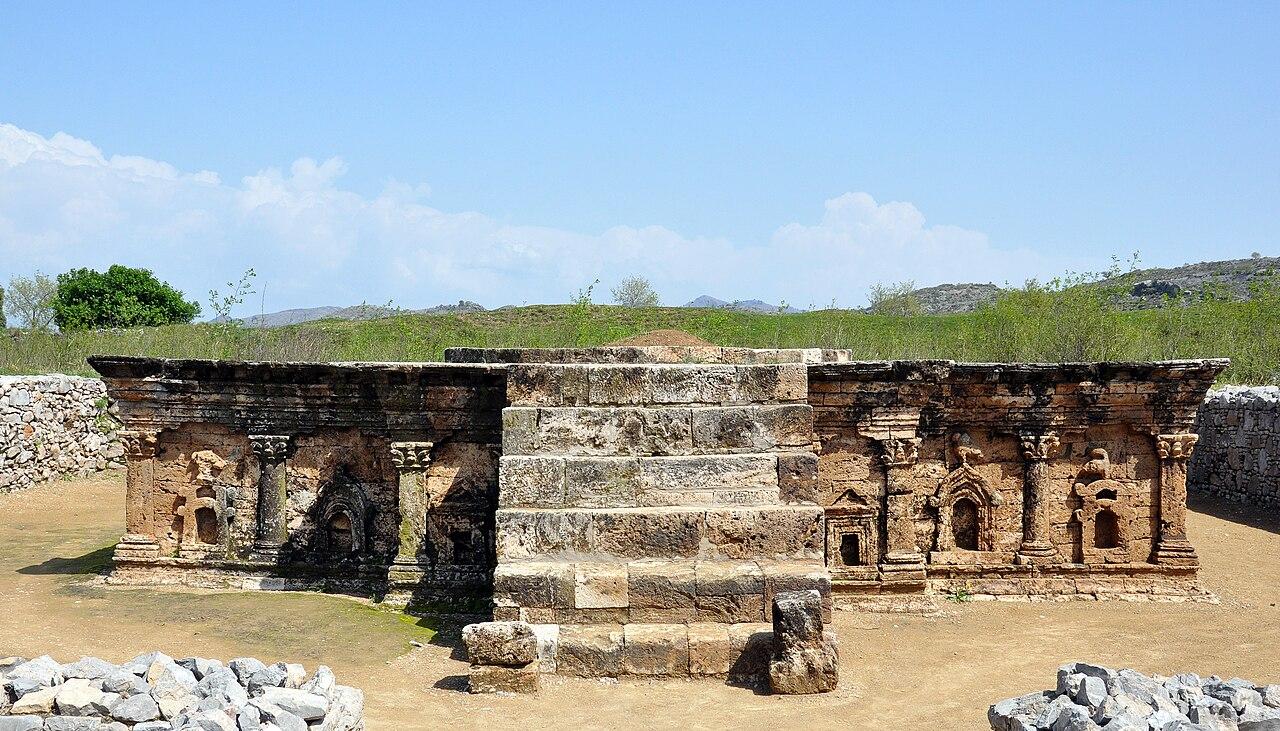
Taxila
A cluster of cities and Buddhist monasteries at the crossroads of South and Central Asia, successively under Achaemenid, Mauryan, Indo-Greek, Saka-Parthian and Kushan rule.
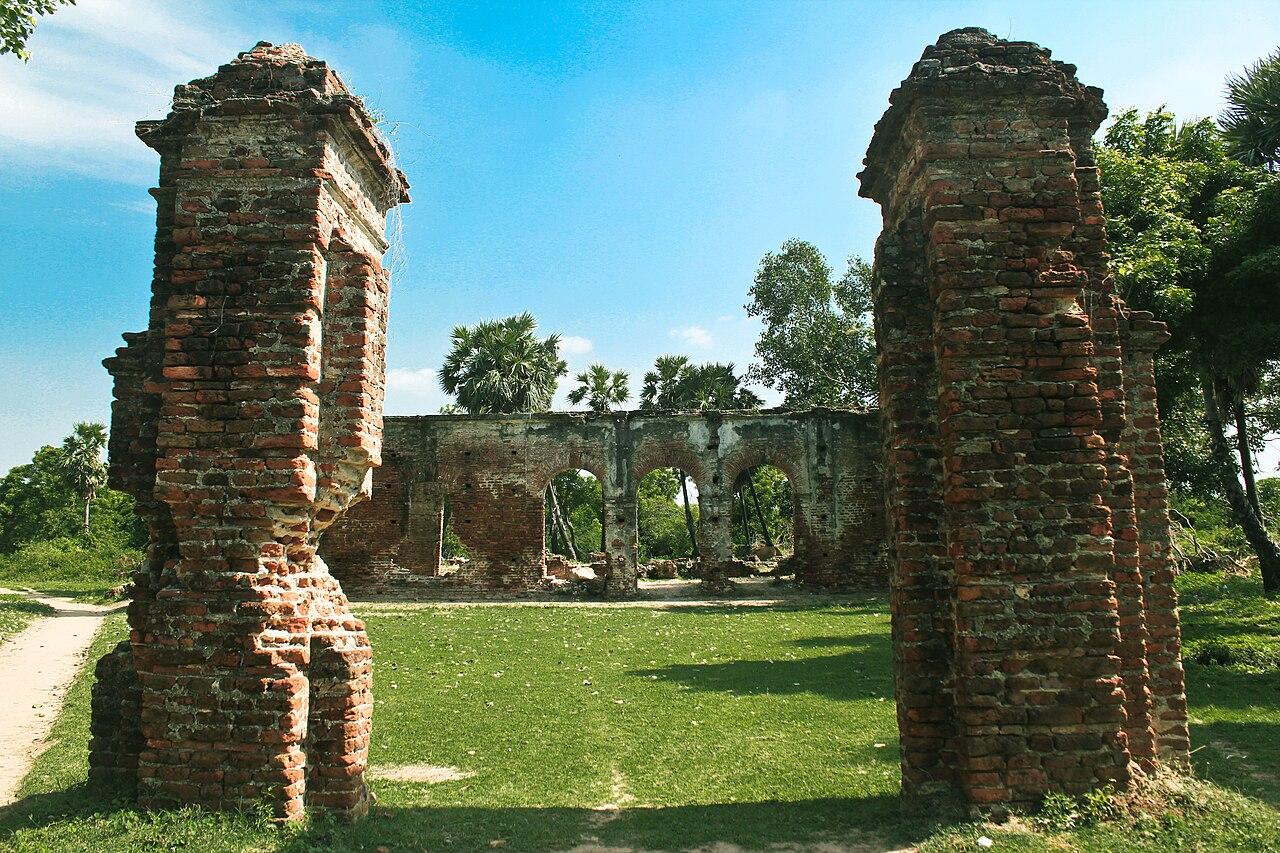
Arikamedu
A coastal settlement on the Ariyankuppam river where Mediterranean pottery and amphorae document trade with the Roman world, alongside a long-lived local bead industry.
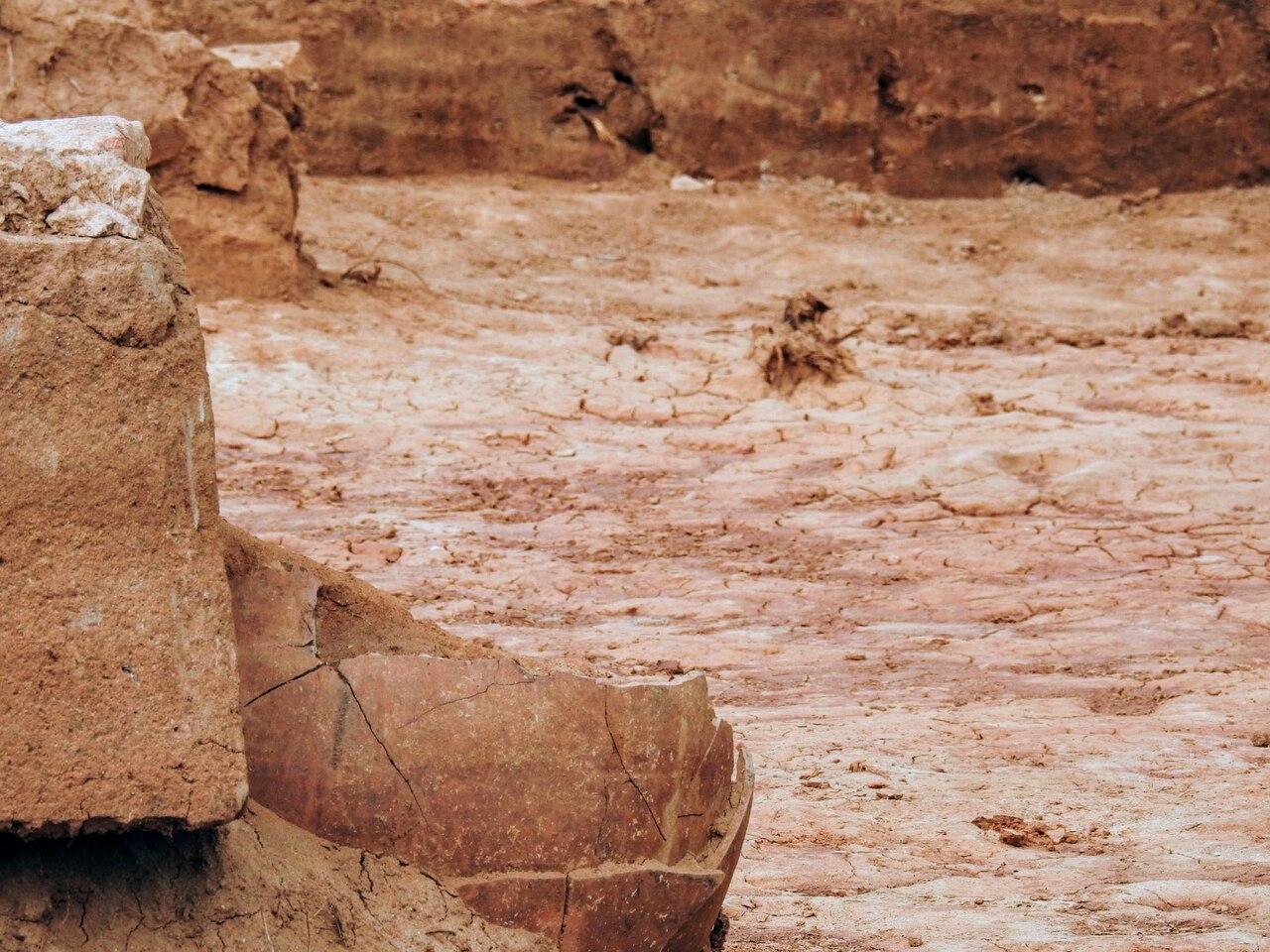
Keeladi
An Early Historic urban settlement on the Vaigai with brick structures, ring wells and potsherds inscribed in Tamil-Brahmi.
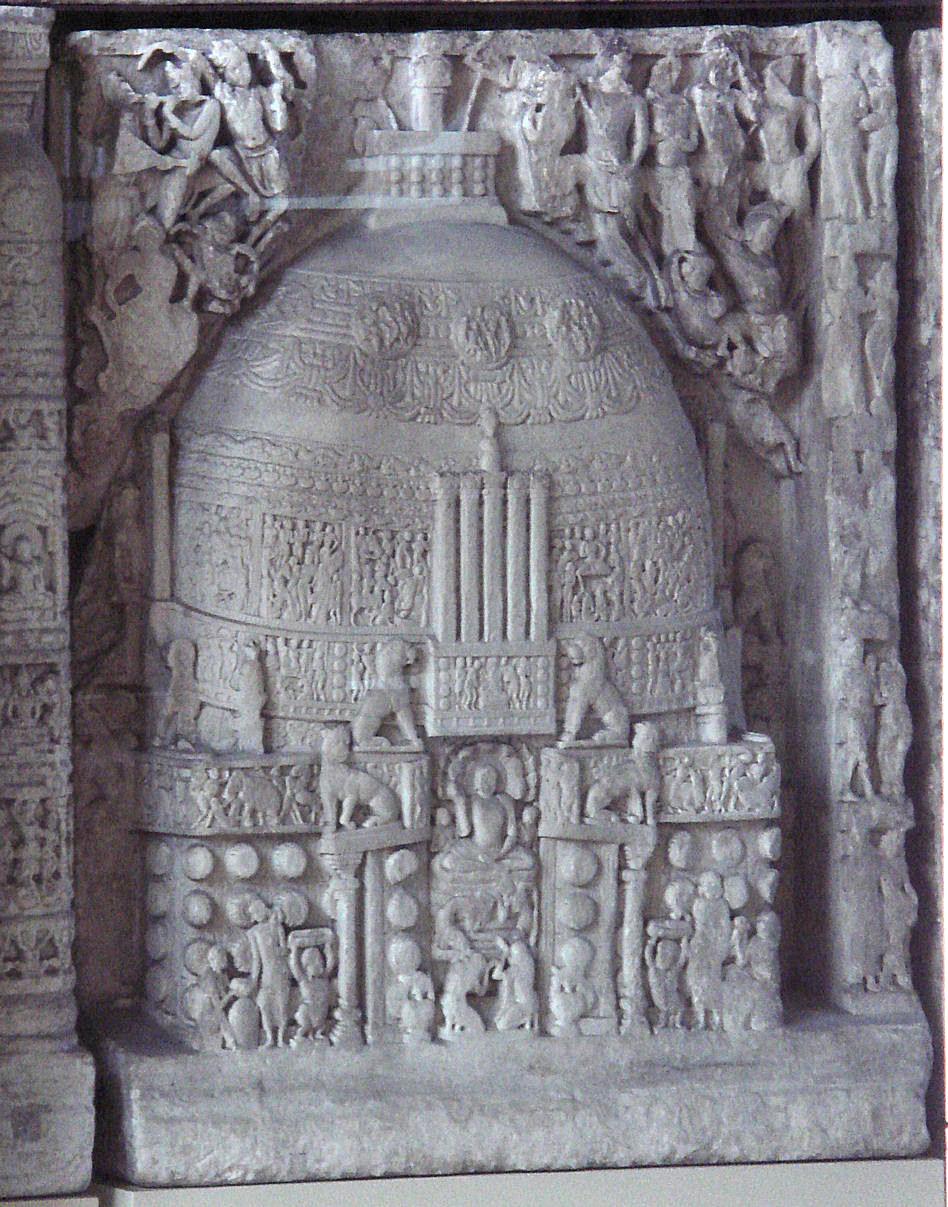
Amaravati
Site of a great stupa in the lower Krishna valley whose carved limestone reliefs are among the masterpieces of early Buddhist art.
Muziris (Pattanam?)
A major pepper port on the Malabar coast named in Greek, Latin and Tamil sources. Excavations at Pattanam have been proposed as its location, an identification still discussed.
Chronology
Events
Tamil-Brahmi cave inscriptionsEventc. 2nd century BCE(Approximate)Peak of Indo-Roman sea tradeEventlate 1st century BCE – 2nd century CE(Approximate)Rudradaman's Junagadh inscriptionEventc. 150 CE (Shaka year 72)(Secure date)People
Rudradaman IPersonMid-2nd century CE(Approximate)Kanishka IPersonAccession c. 127 CE (debated)(Debated)Artefacts, scripts & research
Roman denarius found in IndiaArtefactReign of Tiberius, 14 – 37 CE(Secure date)BrahmiScript / languageSecurely attested from the mid-3rd century BCE(Secure date)KharoshthiScript / languagec. 260 BCE – 400 CE(Approximate)Tamil-BrahmiScript / languagec. 3rd/2nd century BCE – 3rd century CE (start debated)(Debated)PrakritScript / languagec. 300 BCE – 400 CE(Approximate)Rome on the Coromandel CoastArticlec. 30 BCE – 250 CE(Approximate)Conclusions
What the evidence supports
- Indo-Greek, Saka, Parthian and Kushan rulers governed the northwest; the Satavahanas held the Deccan; the Tamil kingdoms ruled the south.
- Monsoon trade linked South Indian ports with the Roman world, and Tamil-Brahmi writing appears.
Still open
What we still don't know
- The chronology of the Satavahanas and Kushans; the earliest date of Tamil-Brahmi.
Connected to Post-Mauryan Period
Continue exploring
Shunga Dynasty
The dynasty that succeeded the Mauryas in the Ganga valley and central India, founded by Pushyamitra.
Indo-Greek Kingdoms
Kingdoms ruled by Greek-speaking dynasties from Bactria and the northwest, known largely from bilingual coins in Greek and Kharoshthi.
Kushan Empire
An empire of Central Asian origin that controlled Bactria, Gandhara and the Ganga plain, linking the Silk Road with Indian trade networks.
Satavahana Dynasty
A Deccan dynasty whose inscriptions, coins and patronage of Buddhist sites mark the political consolidation of the peninsula between the Narmada and the Krishna.
Early Cholas
One of the three crowned lineages (muvendar) of early Tamilakam, associated with the Kaveri delta in Sangam literature.
Early Pandyas
The southernmost of the muvendar, centred on Madurai; a Pandya king is named in Tamil-Brahmi inscriptions at Mangulam.
Early Cheras
The muvendar lineage of the western coast, associated with the pepper trade through ports such as Muziris.
Monsoon route to the Red Sea
Seasonal sailing between Egyptian Red Sea ports and western Indian and Malabar ports, described in the 1st-century Periplus of the Erythraean Sea.
Sources & Further Reading
Sources & further reading
- bookSingh, U. (2008). A History of Ancient and Early Medieval India: From the Stone Age to the 12th Century. Pearson Longman.
- bookBegley, V. & De Puma, R. D. (eds.) (1991). Rome and India: The Ancient Sea Trade. University of Wisconsin Press.