Kingdom
Satavahana Dynasty
Also: Andhra · Satakarni
A Deccan dynasty whose inscriptions, coins and patronage of Buddhist sites mark the political consolidation of the peninsula between the Narmada and the Krishna.
The Map Check
Geographic extent
Largest recorded extent, from Cliopatria (Seshat Global History Databank, CC BY 4.0) — drawn as published. Open the atlas to see how it changed over time. Points are the places Indophile uses to locate the polity.
Places that locate this polity
| Place | Role | Counted |
|---|---|---|
| Pratishthana | capital | whole period |
| Naneghat | inscription | whole period |
| Nashik | cave inscriptions | whole period |
| Junnar | caves | whole period |
| Kanaganahalli | stupa | whole period |
| Amaravati | stupa | whole period |
A fuller account of this entity is in preparation. The connected entries below are already in the archive.
Connected to Satavahana Dynasty
The wider world of this polity
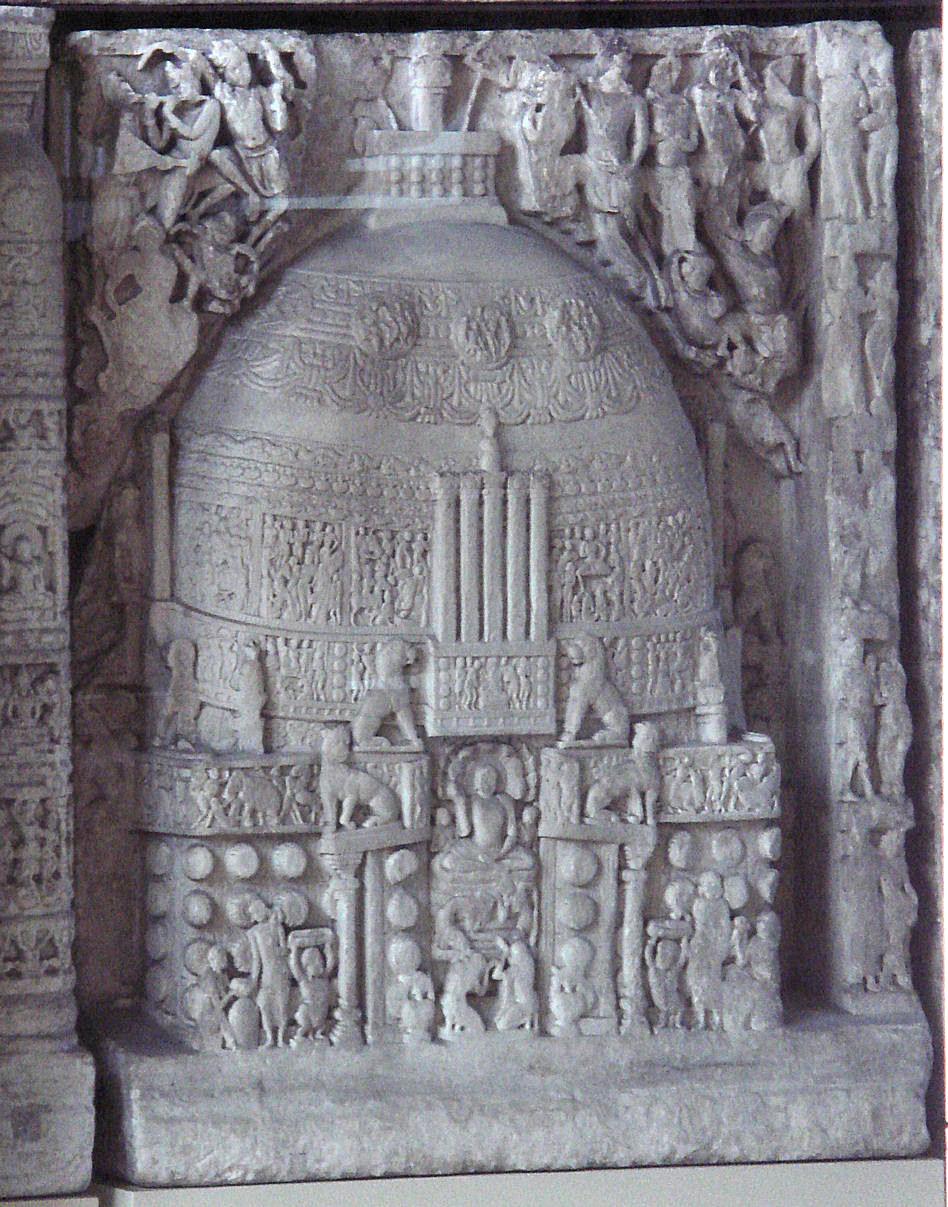
Amaravati
Site of a great stupa in the lower Krishna valley whose carved limestone reliefs are among the masterpieces of early Buddhist art.
Naneghat
A pass through the Western Ghats with an inscription of the Satavahana queen Naganika.
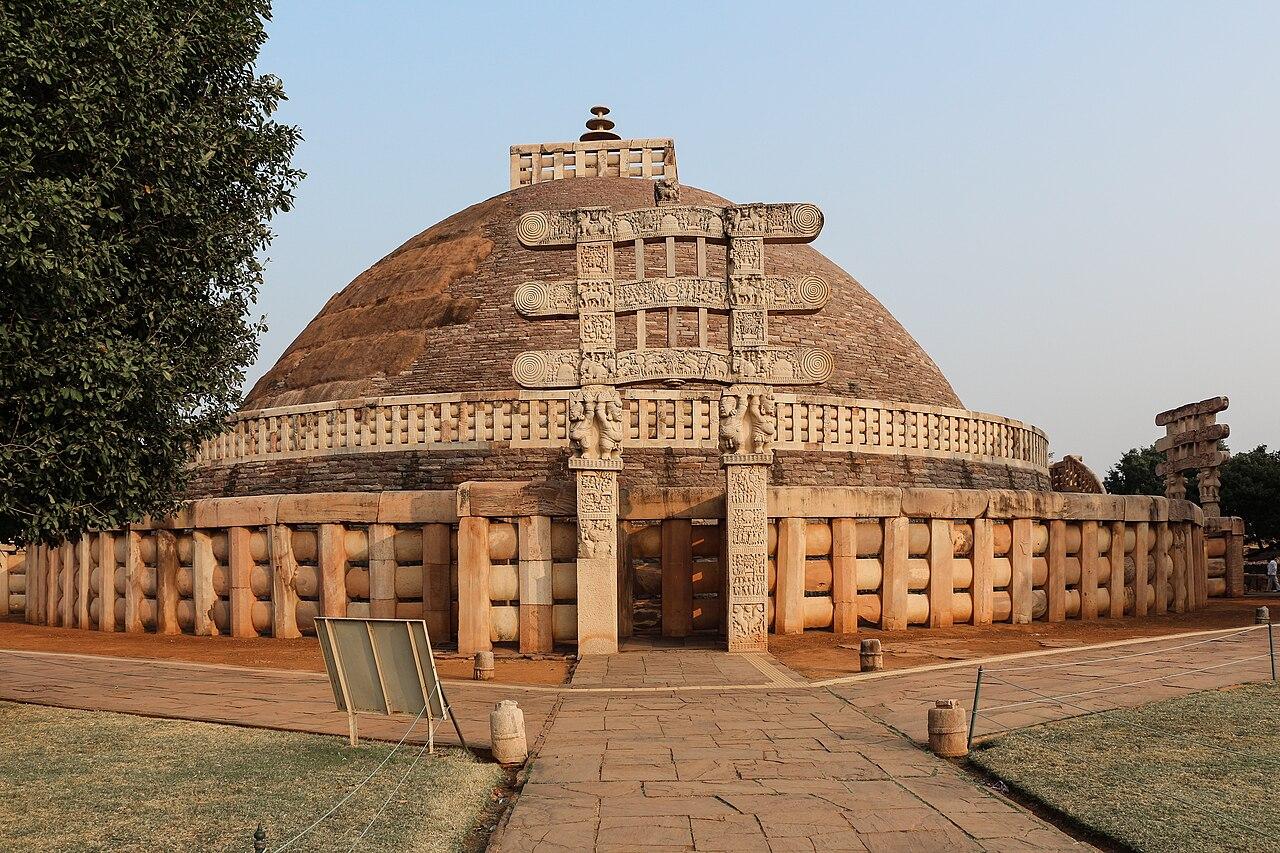
Sanchi
A hilltop Buddhist complex whose Great Stupa originated under Ashoka and was enlarged in the following centuries, with four carved gateways.
Dakshinapatha (Southern Route)
Routes linking the Ganga valley via Ujjayini to the Deccan and the western ports.
Pratishthana (Paithan)
A Satavahana capital on the Godavari and a node on the Dakshinapatha.
Western Kshatrapas
Saka rulers of western India, rivals of the Satavahanas, whose Rudradaman I left the Junagadh inscription. Their rule ended with the Gupta conquest of the west.
Ikshvakus of Vijayapuri
Successors of the Satavahanas in Andhra whose capital Vijayapuri, at Nagarjunakonda, held major Buddhist monasteries.
Kanva dynasty
Short-lived line that replaced the Shungas in Magadha. The Puranas give four kings and forty-five years; the dates are the conventional reckoning from those lists, and almost nothing else about the dynasty is independently attested.
Sources & Further Reading
Sources & further reading
- bookSingh, U. (2008). A History of Ancient and Early Medieval India: From the Stone Age to the 12th Century. Pearson Longman.
- bookSalomon, R. (1998). Indian Epigraphy: A Guide to the Study of Inscriptions in Sanskrit, Prakrit, and the Other Indo-Aryan Languages. Oxford University Press.