Archaeological site
Taxila
Also: Takshashila · Takkasila · Taxiles
A cluster of cities and Buddhist monasteries at the crossroads of South and Central Asia, successively under Achaemenid, Mauryan, Indo-Greek, Saka-Parthian and Kushan rule.
The Map Check
Location and neighbouring sites
From the Trenches
Excavation history
1913–1934
John Marshall
Archaeological Survey of India
Important findings
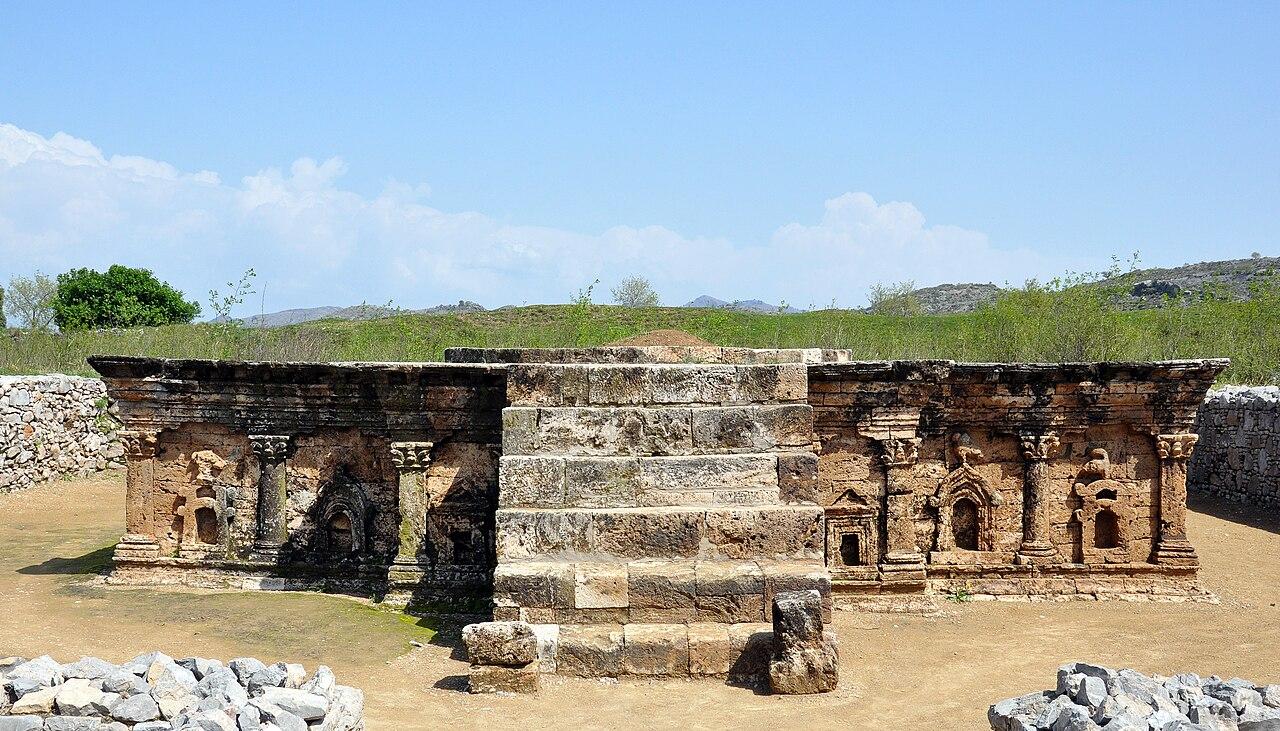
- Bhir Mound, the earliest city
- Sirkap, a grid-planned city associated with Indo-Greek and later rulers
- Dharmarajika stupa
- Aramaic inscription attributed to the Mauryan period
Connected to Taxila
Connected to this site
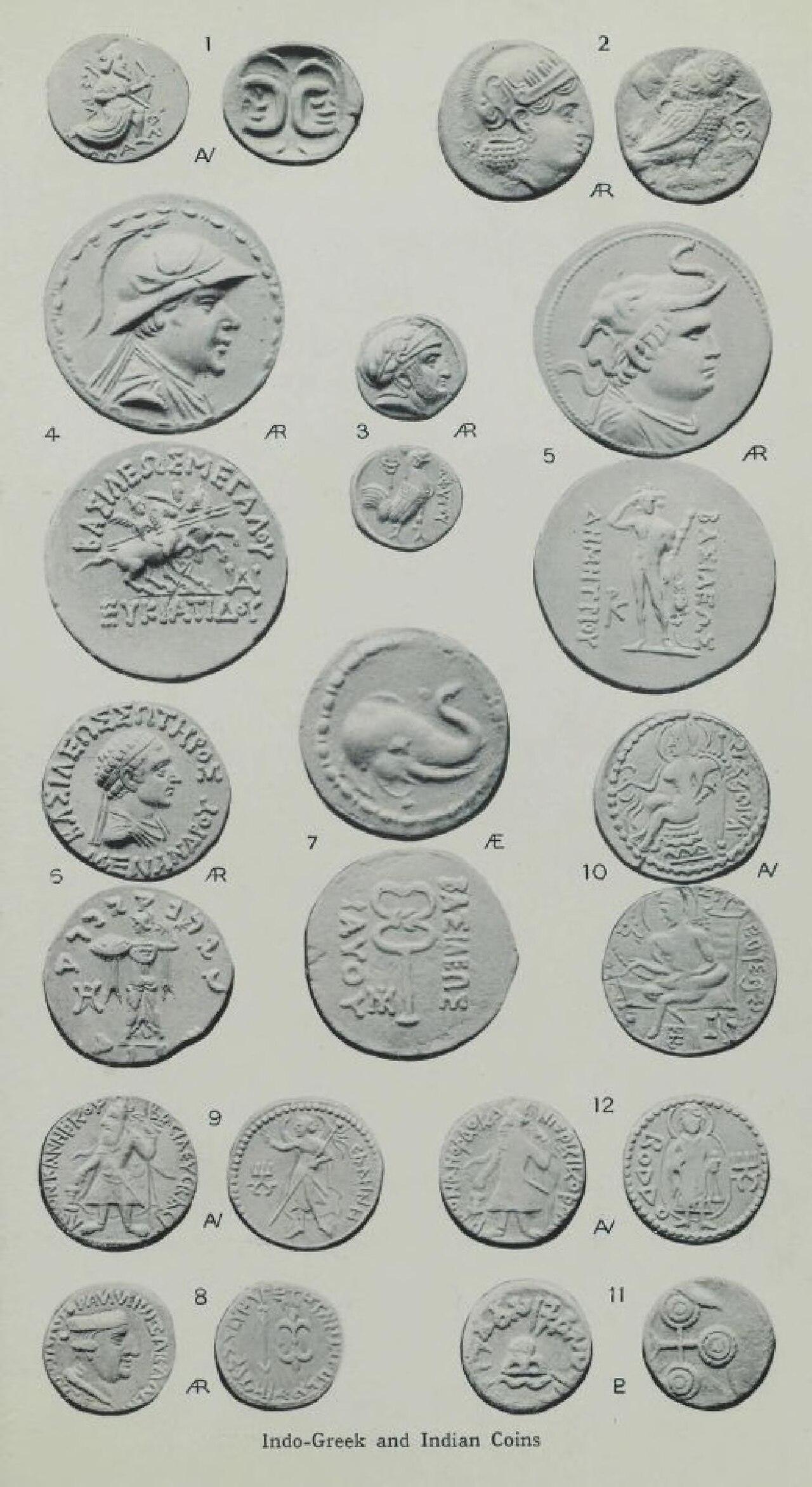
Indo-Greek Kingdoms
Kingdoms ruled by Greek-speaking dynasties from Bactria and the northwest, known largely from bilingual coins in Greek and Kharoshthi.
Kushan Empire
An empire of Central Asian origin that controlled Bactria, Gandhara and the Ganga plain, linking the Silk Road with Indian trade networks.
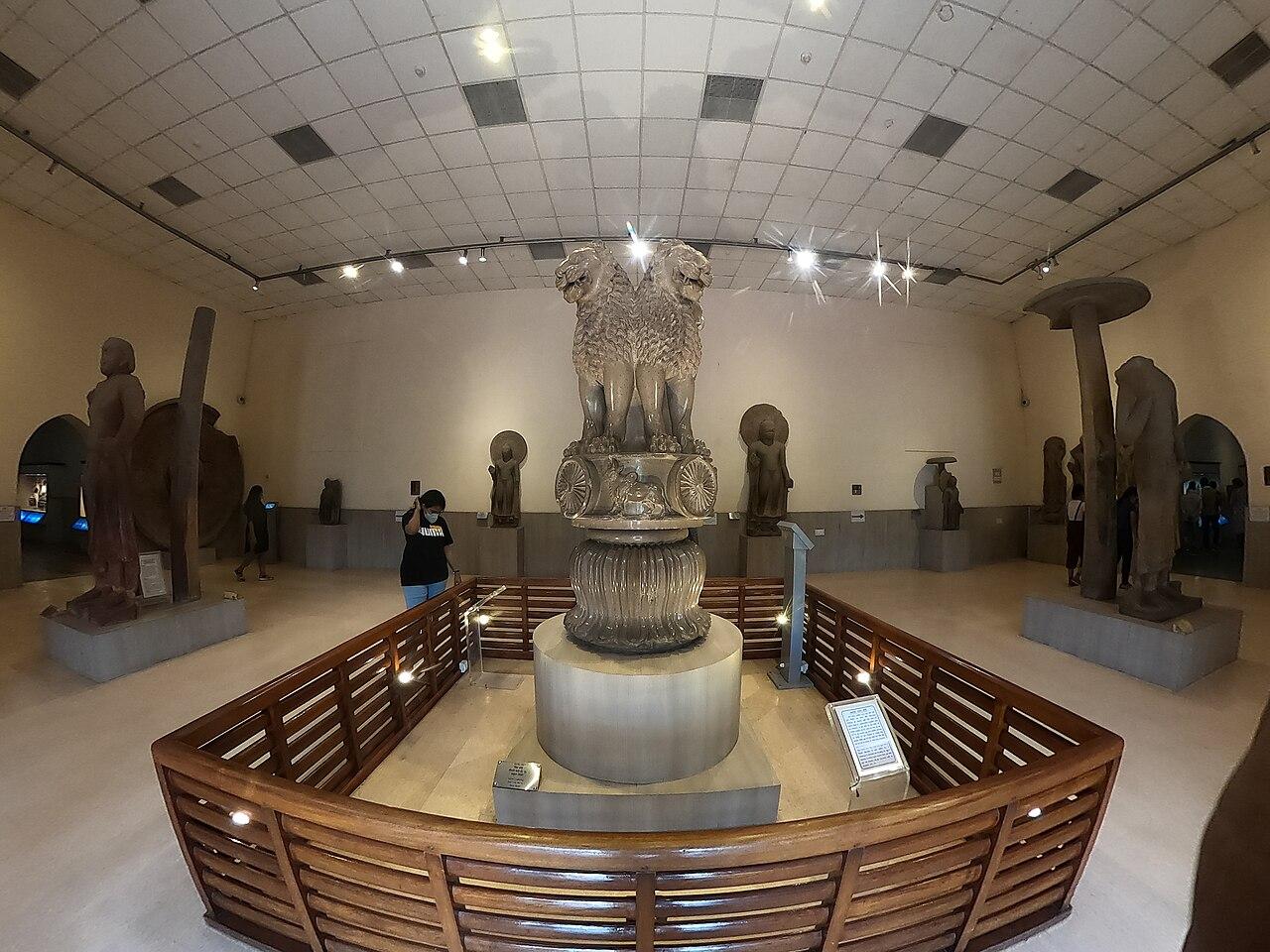
Mauryan Empire
An empire centred on Pataliputra that, under Ashoka, extended from Afghanistan to the Deccan. It left the subcontinent's earliest securely dated inscriptions.
Uttarapatha (Northern Route)
The overland corridor linking Gandhara and the Punjab with the Ganga valley and the Bay of Bengal.
Gandhara
A mahajanapada of the Peshawar valley and Taxila region, later an Achaemenid province before Alexander's campaign.
John Marshall
Director-General of the Archaeological Survey of India (1902–1928) who announced the discovery of the Indus civilisation in 1924.
Taxila–Bactria connection
Routes across the Hindu Kush connecting Gandhara with Bactria and the wider network later called the Silk Roads.
Sources & Further Reading
Sources & further reading
- excavation reportMarshall, J. (1951). Taxila: An Illustrated Account of Archaeological Excavations Carried Out at Taxila (3 vols.). Cambridge University Press.
- unescoUNESCO World Heritage Centre (1980). Taxila (List no. 139). whc.unesco.org/en/list/139