Kingdom
Vakataka
A Deccan dynasty allied by marriage to the Guptas; a Vakataka minister's inscription is in Ajanta Cave 16, and the later Ajanta caves are usually dated to the reign of Harishena.
The Map Check
Geographic extent
Largest recorded extent, from Cliopatria (Seshat Global History Databank, CC BY 4.0) — drawn as published. Open the atlas to see how it changed over time. Points are the places Indophile uses to locate the polity.
Places that locate this polity
| Place | Role | Counted |
|---|---|---|
| Nandivardhana (Nagardhan) | capital | whole period |
| Pravarapura (Paunar) | capital | whole period |
| Vatsagulma (Washim) | capital of the Vatsagulma branch | whole period |
| Ajanta | caves | whole period |
A fuller account of this entity is in preparation. The connected entries below are already in the archive.
Connected to Vakataka
The wider world of this polity
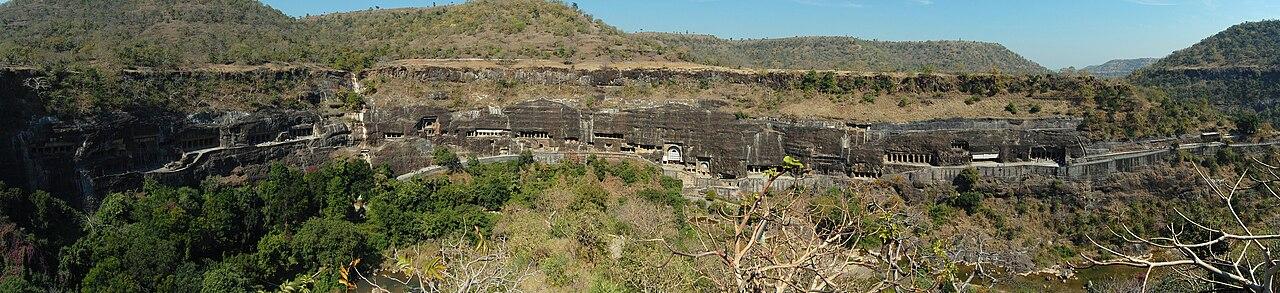
Ajanta
About thirty rock-cut Buddhist monasteries and shrines in a horseshoe gorge, made in two phases — around the 2nd–1st centuries BCE and in the later 5th century CE — with the finest surviving early Indian wall paintings.
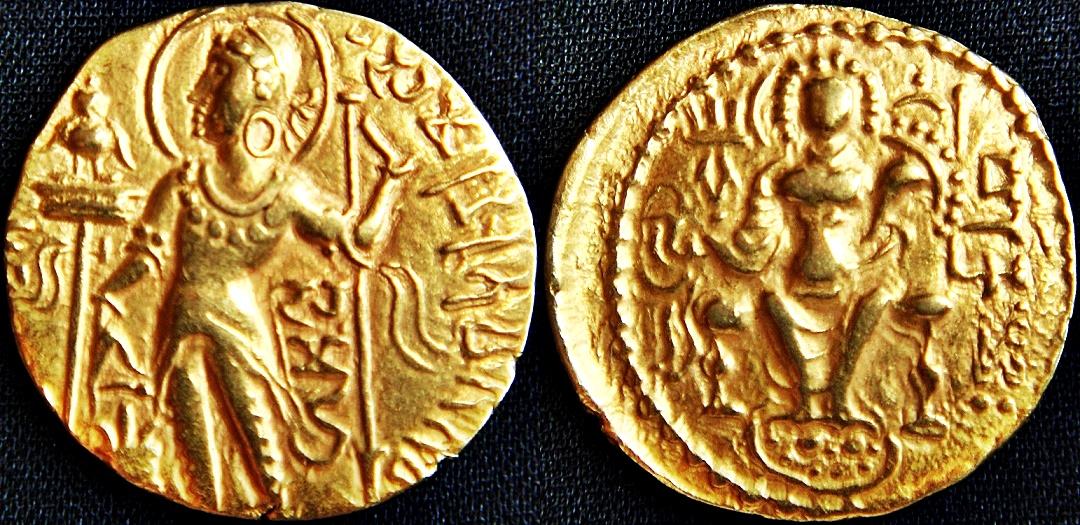
Gupta Empire
A dynasty of the Ganga valley whose kings, through conquest, tribute and marriage alliance, dominated north India from the 4th to the 6th century CE.
Carved from the Mountain: Ajanta and Ellora
Buddhist, Hindu and Jain sanctuaries cut into the Deccan basalt.
Sources & Further Reading
Sources & further reading
- bookSingh, U. (2008). A History of Ancient and Early Medieval India: From the Stone Age to the 12th Century. Pearson Longman.
- bookSpink, W. M. (2005). Ajanta: History and Development, Volume 1 — The End of the Golden Age. Brill.