Inscription site
Junagadh Rock (Girnar)
Also: Girnar · Junagadh · Girinagara
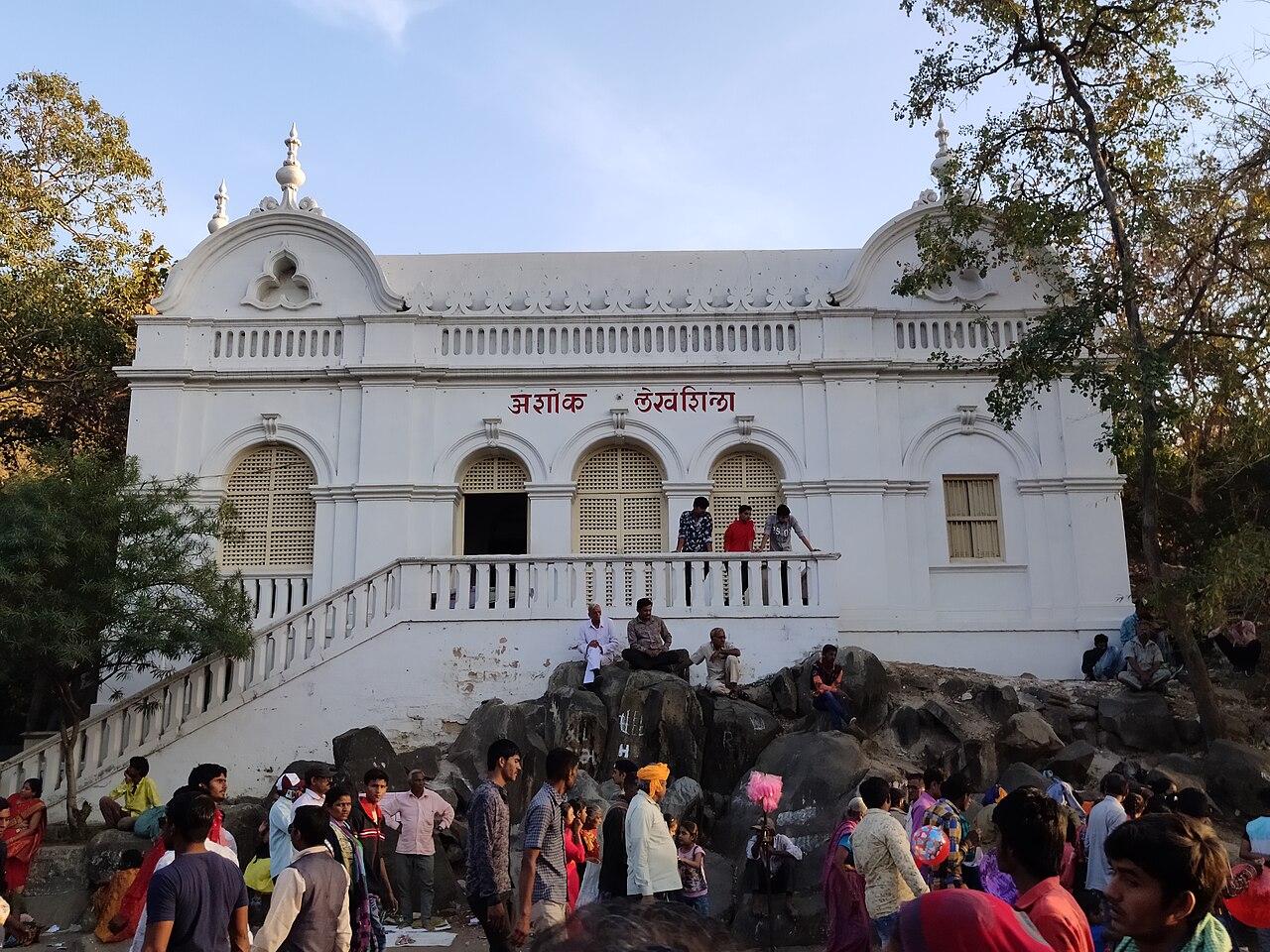
A single granite boulder carrying three layers of history: Ashoka's fourteen major rock edicts, Rudradaman's Sanskrit inscription (c. 150 CE) and Skandagupta's record (mid-5th century CE).
The Map Check
Location and neighbouring sites
Important findings
- Ashokan Major Rock Edicts I–XIV
- Junagadh inscription of Rudradaman I
- Junagadh inscription of Skandagupta
The Historical Record
Three empires on one stone
EstablishedInscriptions, texts, coins and other primary sources
Rudradaman's inscription records the repair of the Sudarshana reservoir and states that it had been built under Chandragupta Maurya by his governor Pushyagupta, and furnished with conduits under Ashoka. Skandagupta's inscription records a later repair.
The boulder therefore links the Mauryan, Western Kshatrapa and Gupta polities through a single piece of infrastructure — a rare case of one monument documenting administration across seven centuries.
SourcesSalomon 1998; Fleet 1888
Connected to Junagadh Rock (Girnar)
Connected to this site
Ashoka
Mauryan emperor whose inscriptions, issued across the subcontinent, are the earliest substantial body of dated writing from South Asia after the Indus script.
Rudradaman I
Western Kshatrapa ruler whose Junagadh inscription is the earliest long royal inscription in Sanskrit.
Gupta Empire
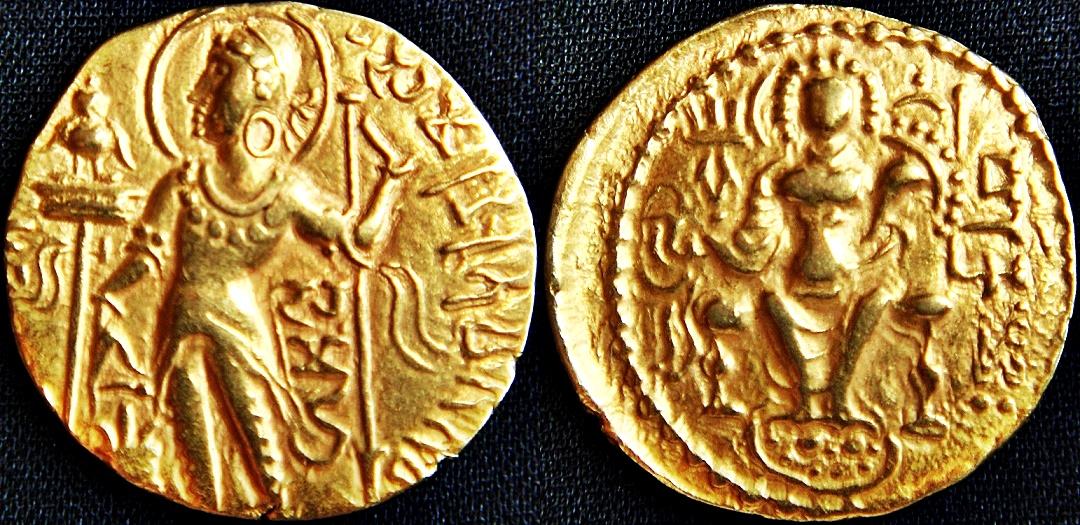
A dynasty of the Ganga valley whose kings, through conquest, tribute and marriage alliance, dominated north India from the 4th to the 6th century CE.
Mauryan Empire
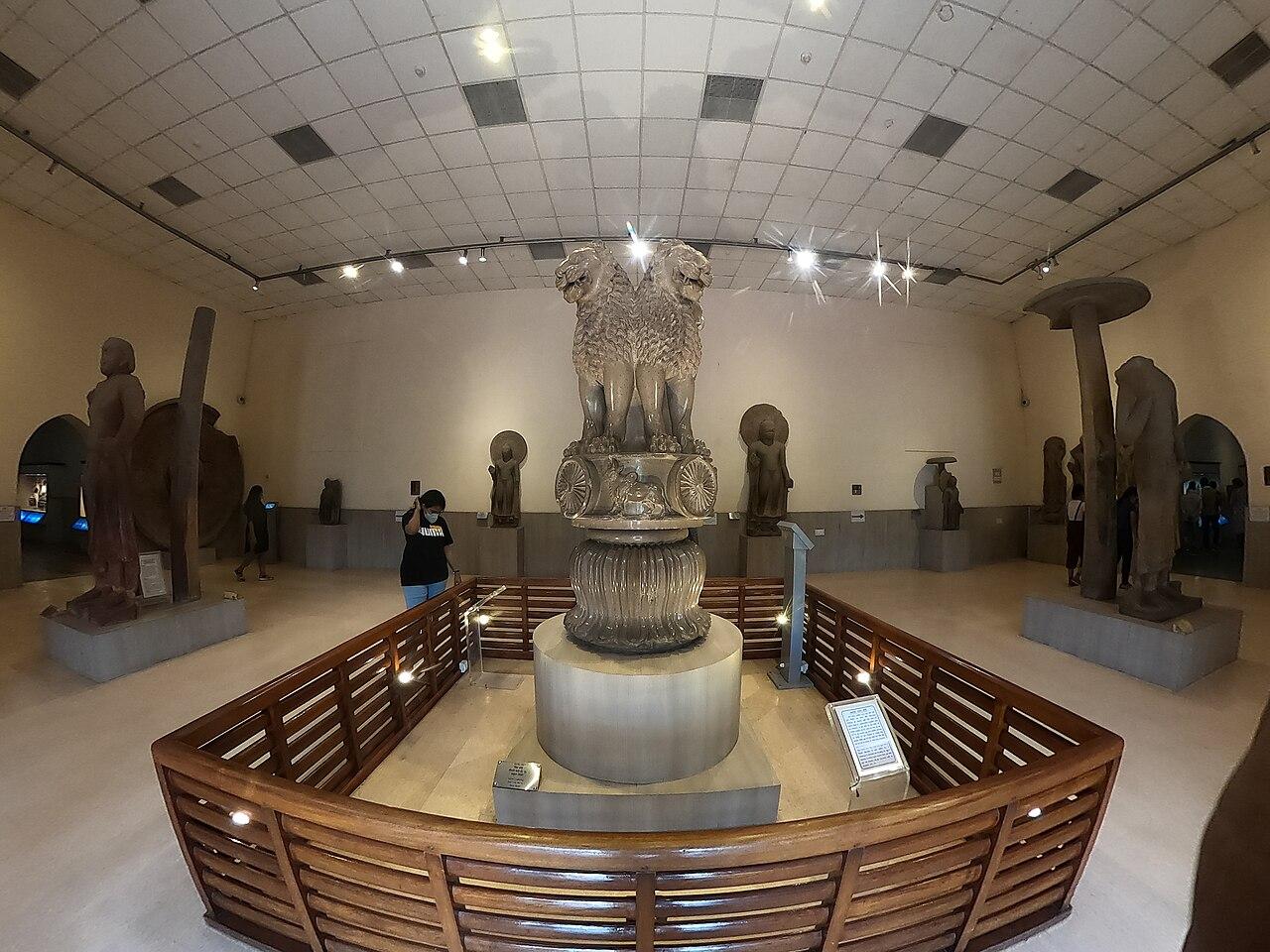
An empire centred on Pataliputra that, under Ashoka, extended from Afghanistan to the Deccan. It left the subcontinent's earliest securely dated inscriptions.
Brahmi
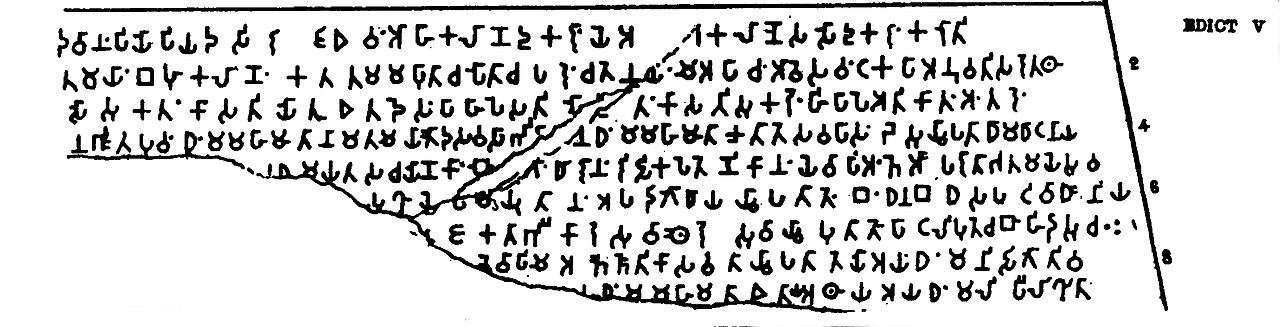
The script of most of Ashoka's edicts and the ancestor of nearly all later scripts of South and Southeast Asia, from Devanagari to Tamil and Thai.
Reading Ashoka
Ashoka's edicts as historical sources: their distribution, languages, decipherment and limits.
Western Kshatrapas
Saka rulers of western India, rivals of the Satavahanas, whose Rudradaman I left the Junagadh inscription. Their rule ended with the Gupta conquest of the west.
Ashoka's edicts inscribed
Rock and pillar edicts are set up across the empire in Prakrit (Brahmi and Kharoshthi), Greek and Aramaic.
Sources & Further Reading
Sources & further reading
- inscription corpusHultzsch, E. (1925). Inscriptions of Asoka. Corpus Inscriptionum Indicarum, Vol. I (new edition). Clarendon Press.
- inscription corpusFleet, J. F. (1888). Inscriptions of the Early Gupta Kings and their Successors. Corpus Inscriptionum Indicarum, Vol. III. Government of India.
- bookSalomon, R. (1998). Indian Epigraphy: A Guide to the Study of Inscriptions in Sanskrit, Prakrit, and the Other Indo-Aryan Languages. Oxford University Press.