Languages and Scripts · Kingdoms and Empires
Reading Ashoka
The first emperor of most of the subcontinent speaks to us directly — in his own words, carved on rocks from Kandahar to Karnataka. Here is what the edicts say, and how we learned to read them.
- Period
- 260 – 232 BCE(Conventional date)
- Location
- ◇ Across the Mauryan empire
- Reading time
- 11 min read
- Author
- Indophile Editorial
- Evidence
- Established
The Historical Record
The historical record
EstablishedInscriptions, texts, coins and other primary sources
Ashoka's inscriptions fall into groups: the Major Rock Edicts, a series of fourteen texts carved at sites near the frontiers; the Minor Rock Edicts, more widely spread and including the southern sites; and the Pillar Edicts in the Ganga plain. Shorter inscriptions record visits, such as the one at Lumbini.
They are written in the first person. 'Devanampiya Piyadasi', the king says, has had this written. Their reach — from the Greek-and-Aramaic texts at Kandahar to the Prakrit of Brahmagiri — is itself evidence of an imperial communication network.
SourcesHultzsch 1925
The Map Check
The map check
Well supportedWhere did this happen?
Plot the find-spots and a pattern emerges: Major Rock Edicts sit near the edges of the empire and along routes; pillars cluster in the Ganga heartland. Historians use this distribution to estimate the empire's extent — while remembering that inscriptions mark where messages were displayed, not where control ended.
Select a site to open its record.
SourcesThapar 2002; Lahiri 2015
The war he regretted
EstablishedMajor Rock Edict XIII is unusual among royal inscriptions anywhere. It records the conquest of Kalinga, gives figures for the deported and the dead, and expresses the king's remorse. It then describes the 'conquest by dhamma' that Ashoka now preferred, naming Hellenistic kings to the west.
Notably, the version of the edict was omitted at the sites in Kalinga itself — Dhauli and Jaugada — where instead 'separate edicts' address local officials. What a ruler chose not to say to the conquered is part of the evidence too.
SourcesHultzsch 1925; Lahiri 2015
The Historical Record
How the edicts became readable
EstablishedInscriptions, texts, coins and other primary sources
Brahmi had been unreadable for centuries when James Prinsep deciphered it in 1837, using short repetitive donative inscriptions from Sanchi. The king of the edicts was at first not recognised as the Ashoka of Buddhist chronicles; the identification became secure only when the Maski edict, found in 1915, gave the name 'Asoka' directly.
SourcesSalomon 1998; Hultzsch 1925
What We Still Don't Know
What we still don't know
DebatedUnresolved questions and competing interpretations
How far the edicts' ideals shaped actual administration; how many people could read them; and how Ashoka's own words relate to the later Buddhist legends about him remain matters of debate.
SourcesLahiri 2015; Thapar 2002
Archaeological evidence
Sites, artefacts and events in this story
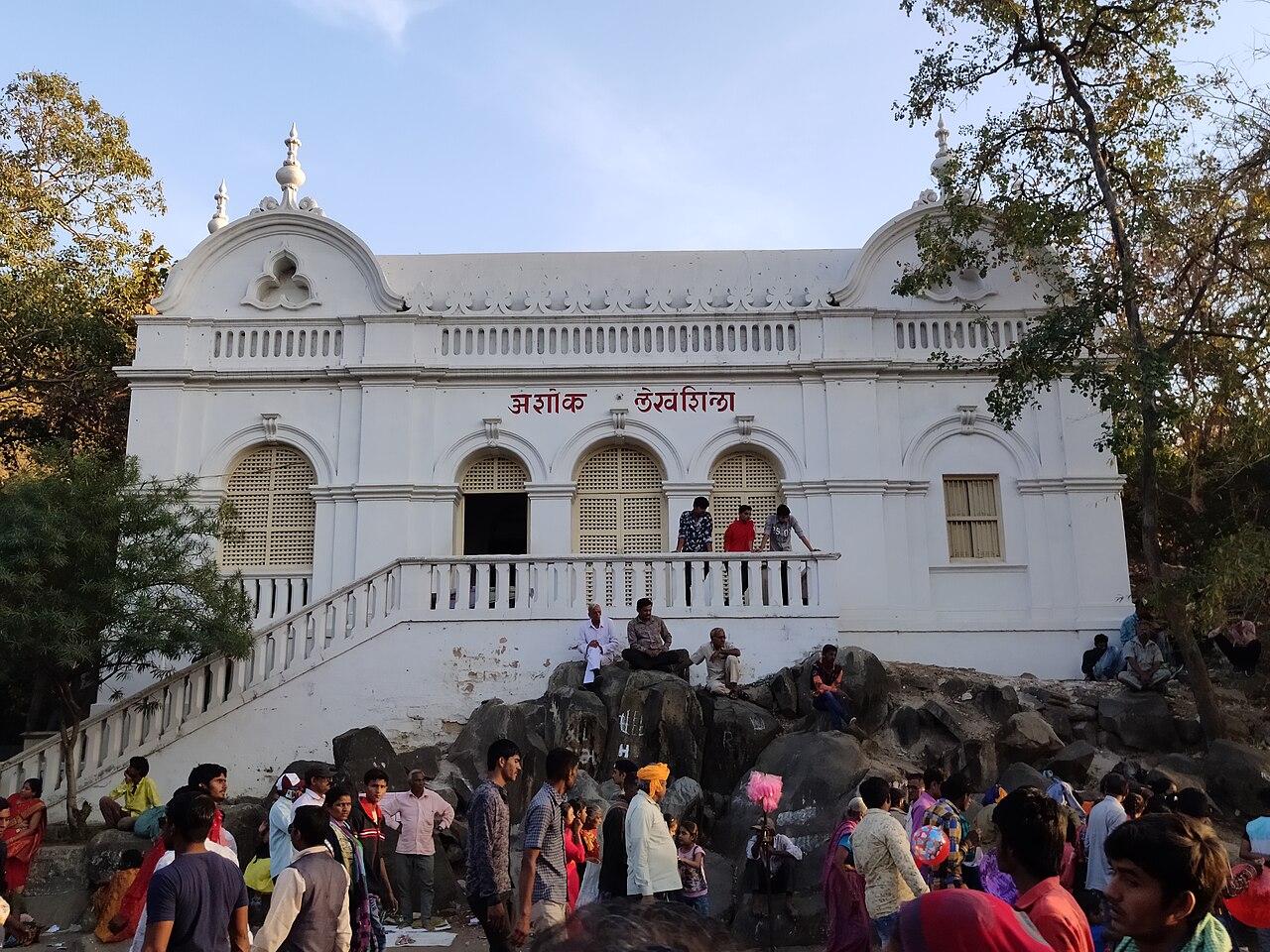
Junagadh Rock (Girnar)
A single granite boulder carrying three layers of history: Ashoka's fourteen major rock edicts, Rudradaman's Sanskrit inscription (c. 150 CE) and Skandagupta's record (mid-5th century CE).
Kalinga war
Ashoka's conquest of Kalinga, described in his own Major Rock Edict XIII, eight years after his consecration.
Ashoka's edicts inscribed
Rock and pillar edicts are set up across the empire in Prakrit (Brahmi and Kharoshthi), Greek and Aramaic.
Sources & Further Reading
Sources & further reading
- inscription corpusHultzsch, E. (1925). Inscriptions of Asoka. Corpus Inscriptionum Indicarum, Vol. I (new edition). Clarendon Press.
- bookSalomon, R. (1998). Indian Epigraphy: A Guide to the Study of Inscriptions in Sanskrit, Prakrit, and the Other Indo-Aryan Languages. Oxford University Press.
- bookLahiri, N. (2015). Ashoka in Ancient India. Harvard University Press.
- bookThapar, R. (2002). Early India: From the Origins to AD 1300. Allen Lane / University of California Press.
Keep reading
Related articles
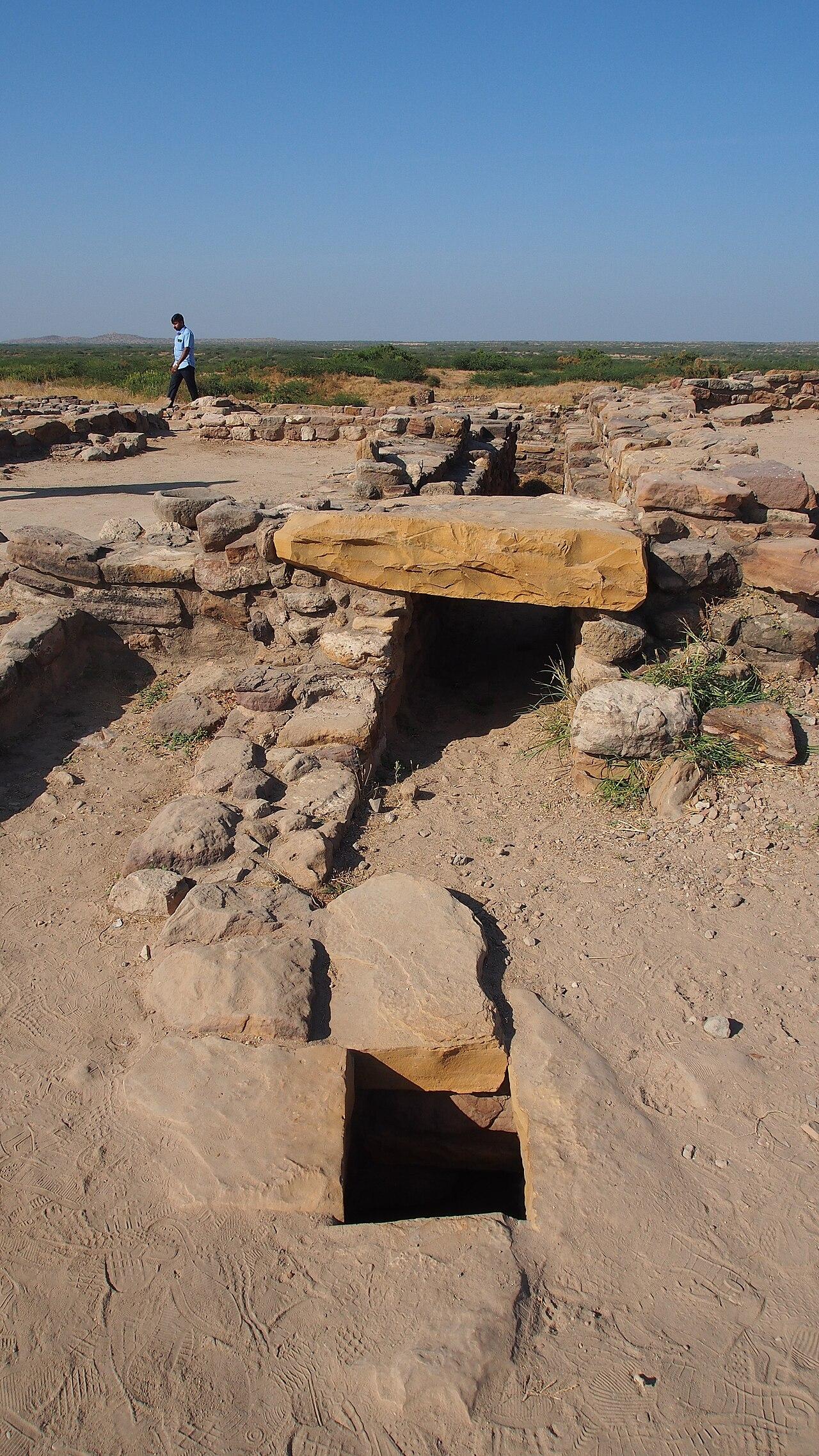
The Water Engineers of the Indus
Drains, wells and reservoirs at Mohenjo-daro and Dholavira, and what they reveal about Indus urban life.
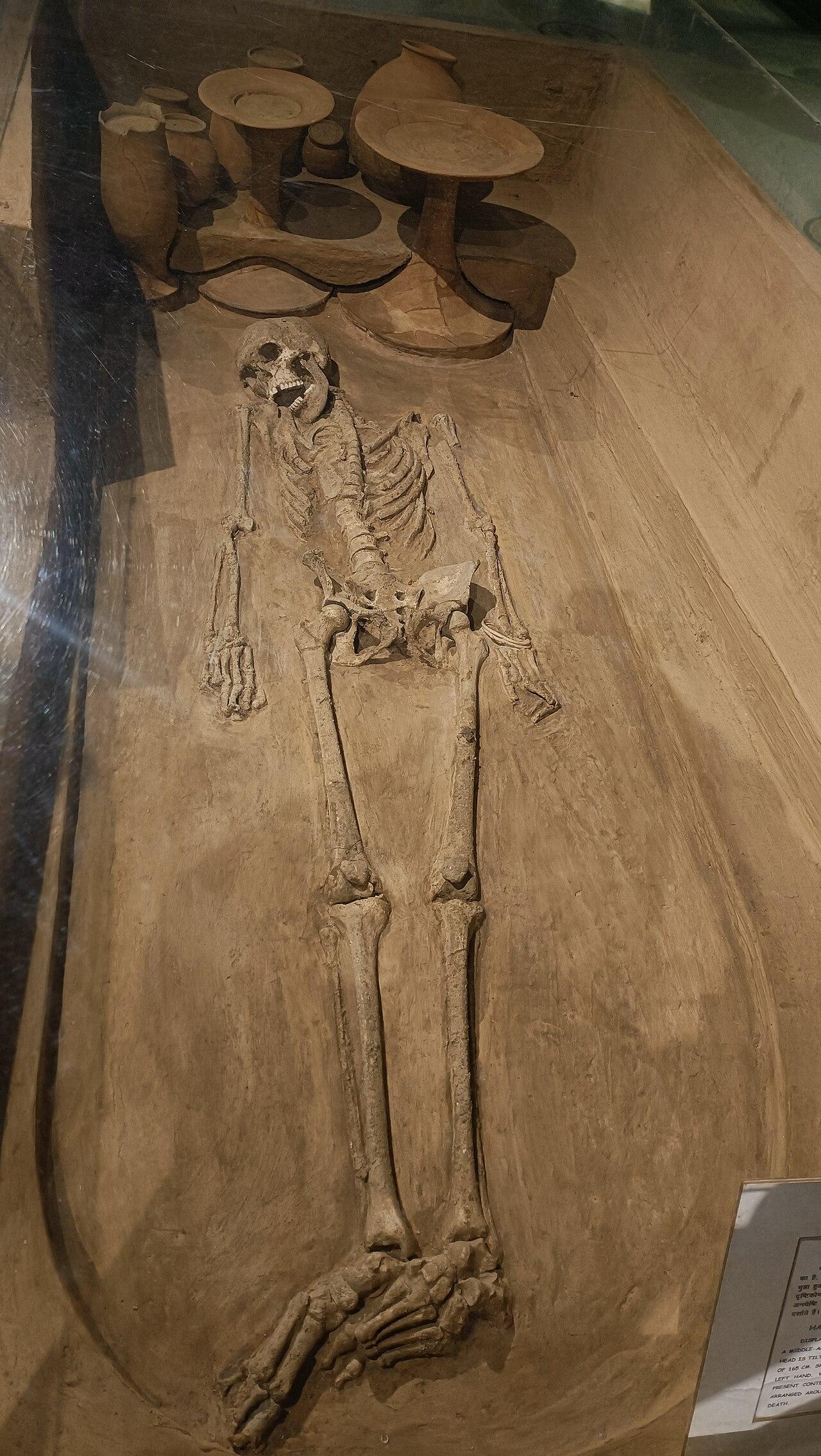
One Genome from Rakhigarhi: What It Can and Cannot Tell Us
A careful reading of the Rakhigarhi genome and the Indus Periphery Cline.
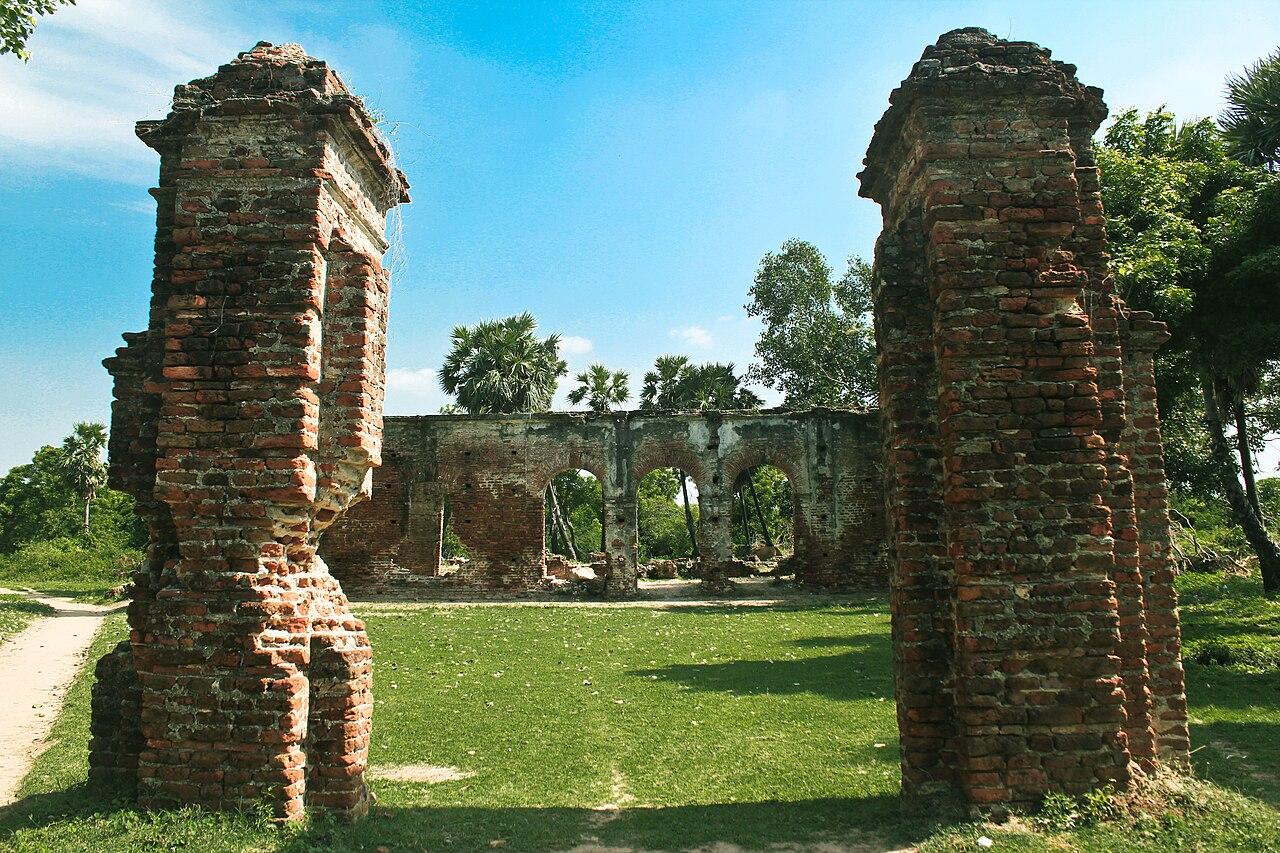
Rome on the Coromandel Coast
Evidence for Indo-Roman trade from archaeology, texts and coins.