Archaeological site
Dholavira
Also: Kotada Timba
A walled Harappan city on Khadir Bet in the Rann of Kutch, notable for its stone architecture and a sophisticated system of reservoirs for capturing seasonal water.
The Map Check
Location and neighbouring sites
From the Trenches
Excavation history
1989–2005
R. S. Bisht
Archaeological Survey of India
Important findings
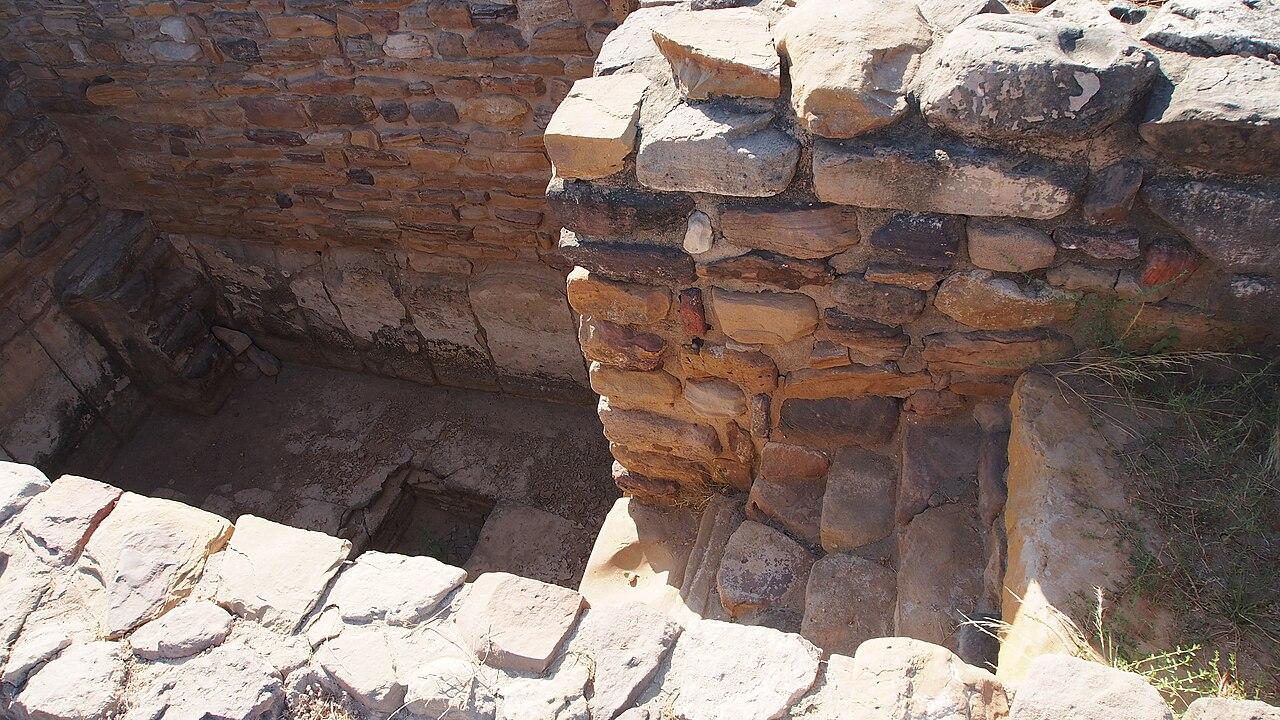
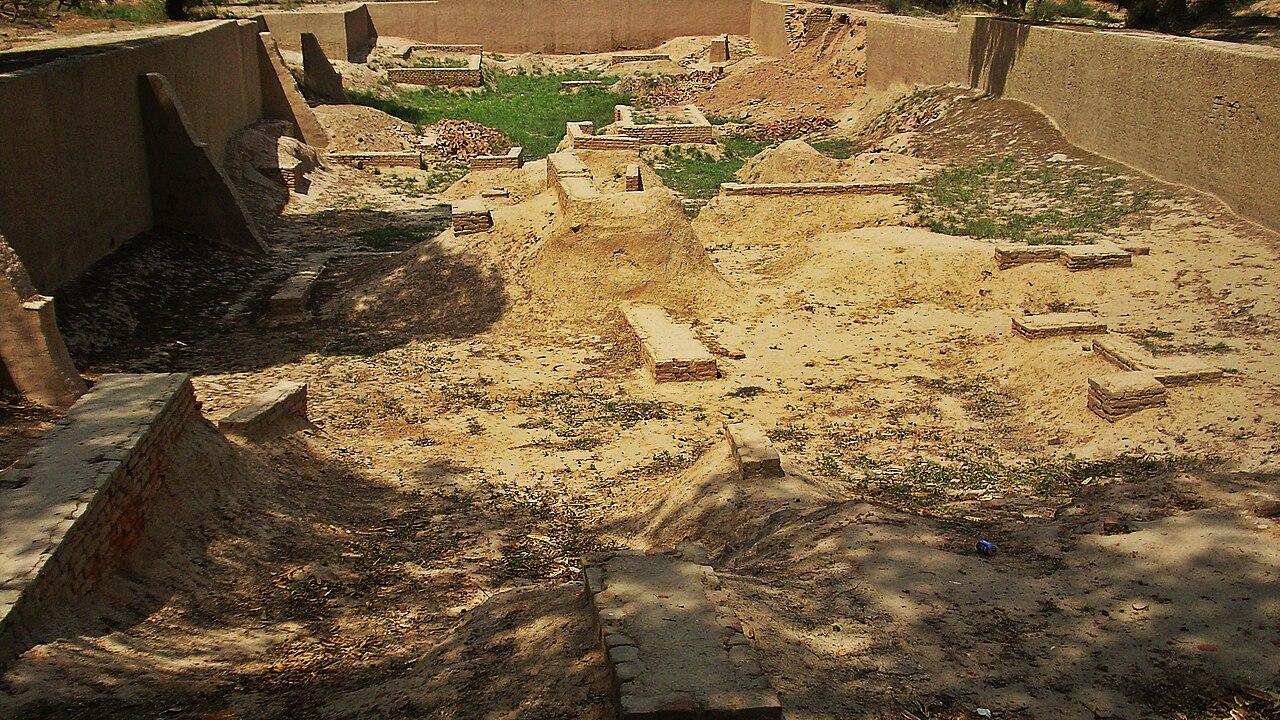
- Series of rock-cut and masonry reservoirs
- Tripartite city plan: castle, middle town, lower town
- A large inscription of ten Indus signs, found near the north gate
- Stone pillar bases and dressed-stone masonry
Connected to Dholavira
Connected to this site
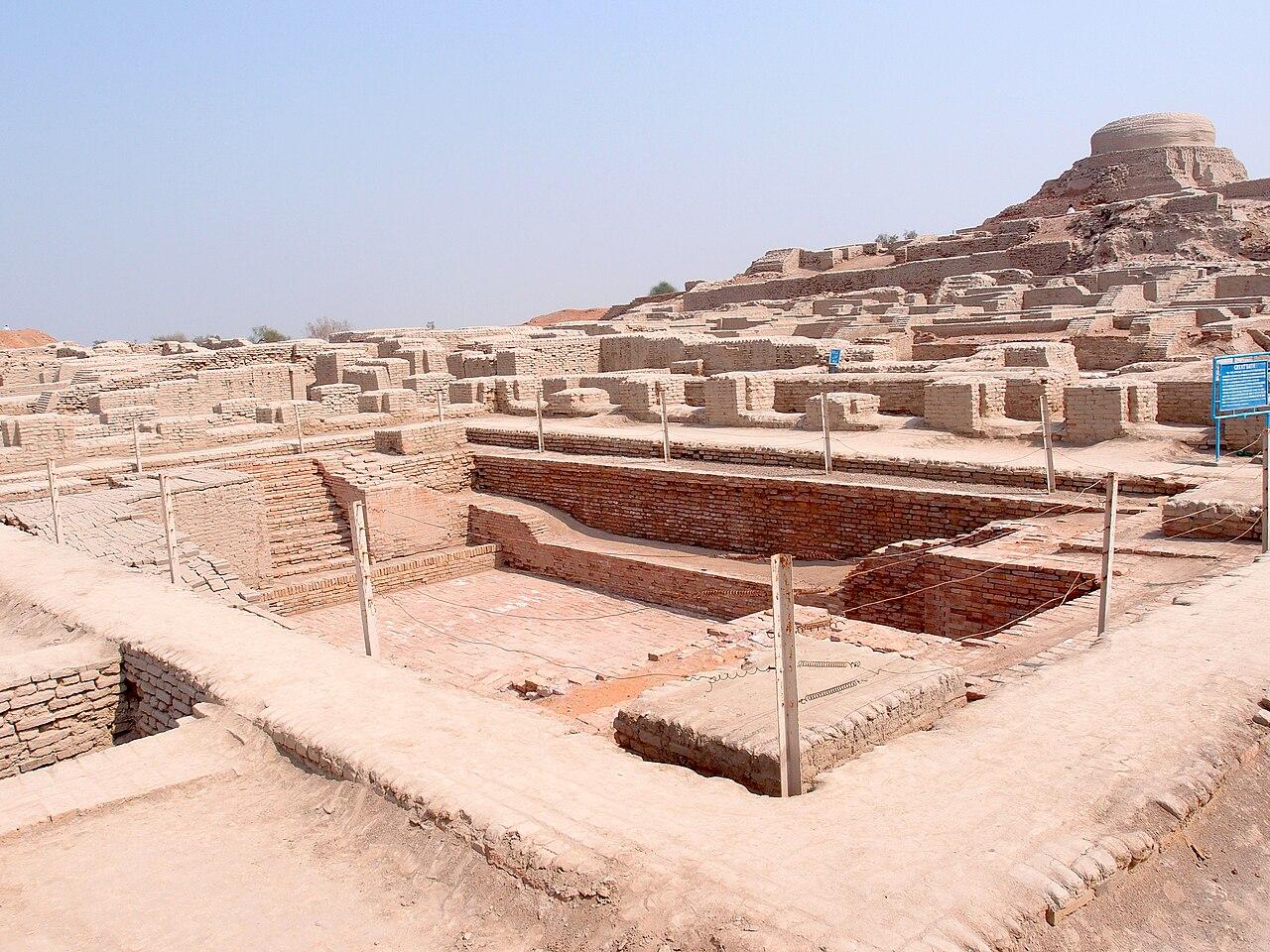
Indus Valley Civilisation
A Bronze Age urban tradition spanning more than a million square kilometres, known for planned cities, standardised weights, craft specialisation and an undeciphered script.
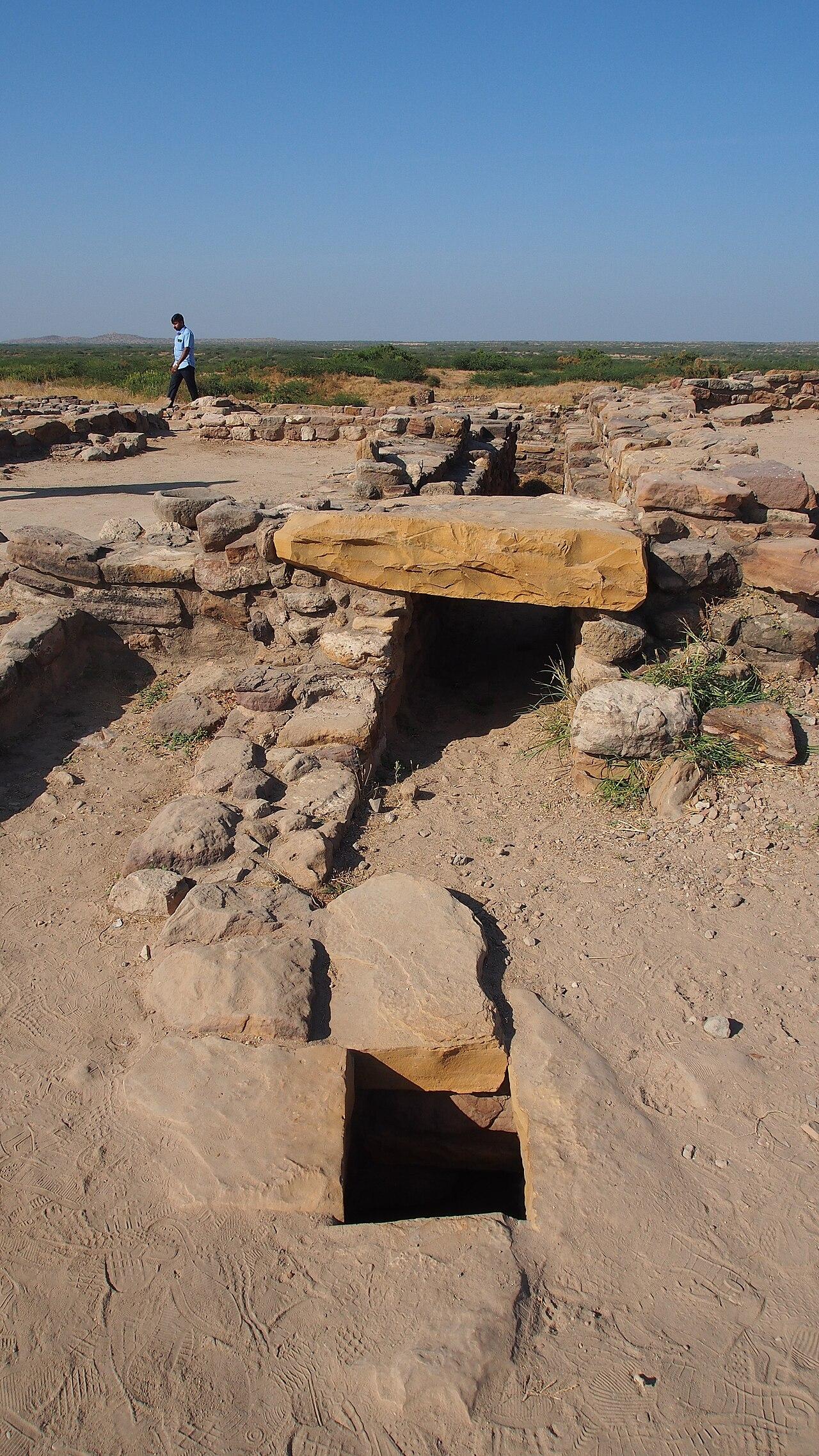
The Water Engineers of the Indus
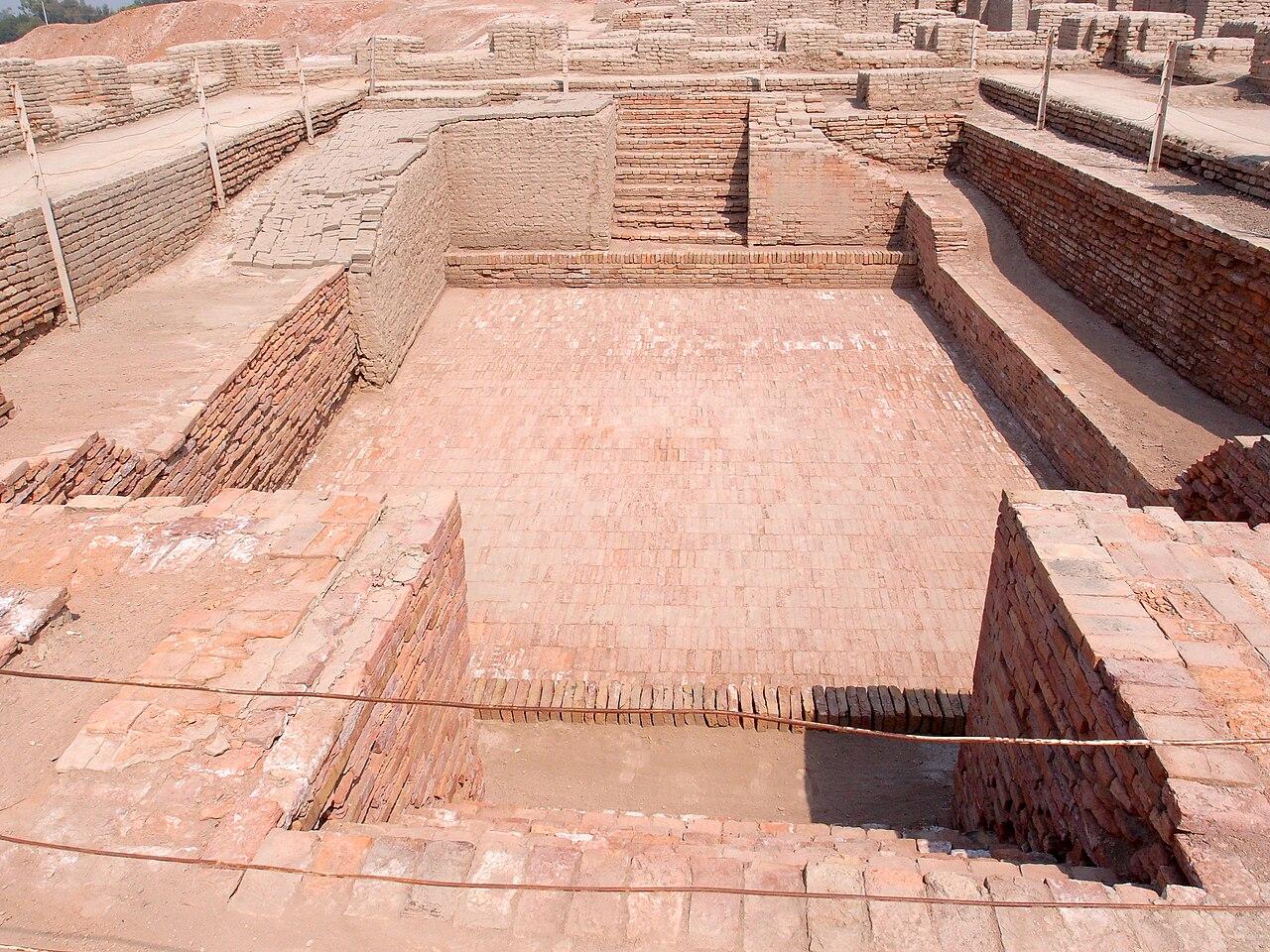
Drains, wells and reservoirs at Mohenjo-daro and Dholavira, and what they reveal about Indus urban life.
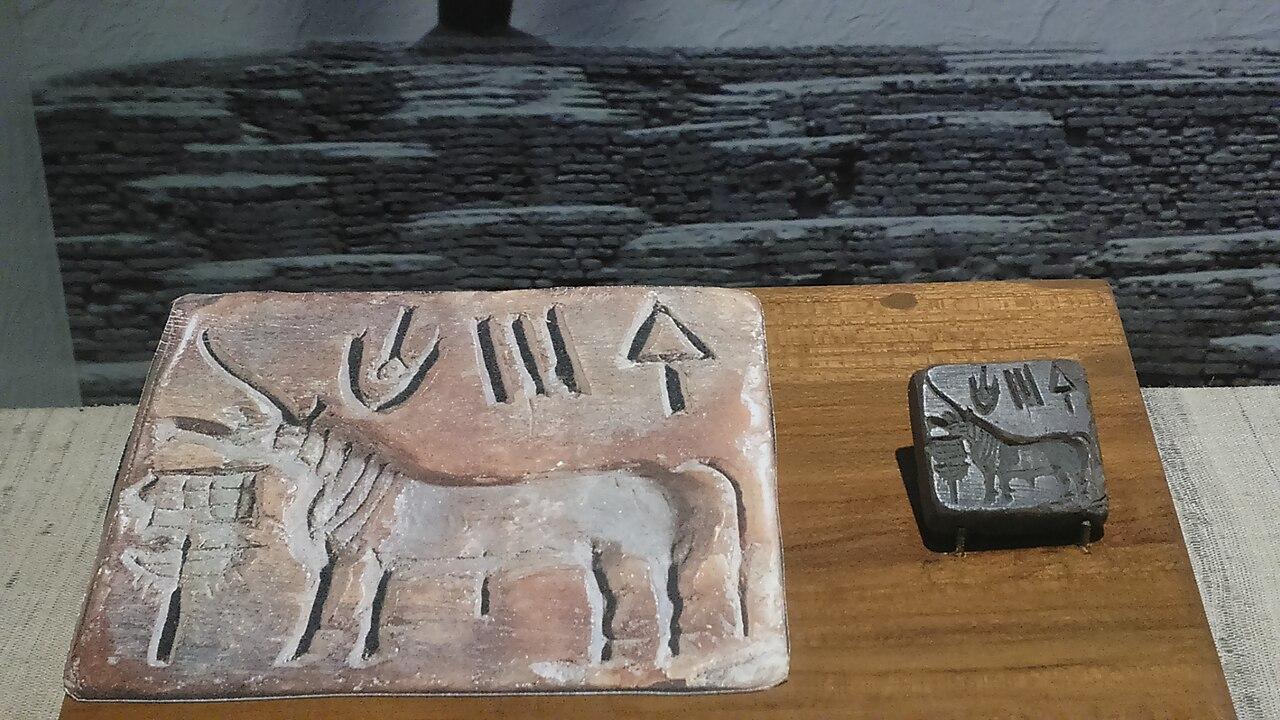
Indus script
Short sequences of signs on seals, tablets and pottery from the Indus civilisation. Undeciphered.
Dholavira inscribed as World Heritage
UNESCO inscribes 'Dholavira: a Harappan City'.
10 Archaeological Discoveries That Changed Indian History
Ten finds that rewrote what we thought we knew.
The Rise and Decline of the Indus Civilisation
From Mehrgarh's farmers to deurbanisation, in sites, artefacts, genomes and climate records.
Sources & Further Reading
Sources & further reading
- unescoUNESCO World Heritage Centre (2021). Dholavira: a Harappan City (List no. 1645). whc.unesco.org/en/list/1645
- bookPossehl, G. L. (2002). The Indus Civilization: A Contemporary Perspective. AltaMira Press.