Curated collection · 8 entries
Ashoka and the Mauryan World
The Mauryan empire through its own monuments and the testimony of its contemporaries.
Curated by Indophile Editorial
- 01Polityc. 322 – 185 BCE(Conventional date)
Mauryan Empire
The empire.
An empire centred on Pataliputra that, under Ashoka, extended from Afghanistan to the Deccan. It left the subcontinent's earliest securely dated inscriptions.
- 02Personr. c. 268 – 232 BCE(Conventional date)
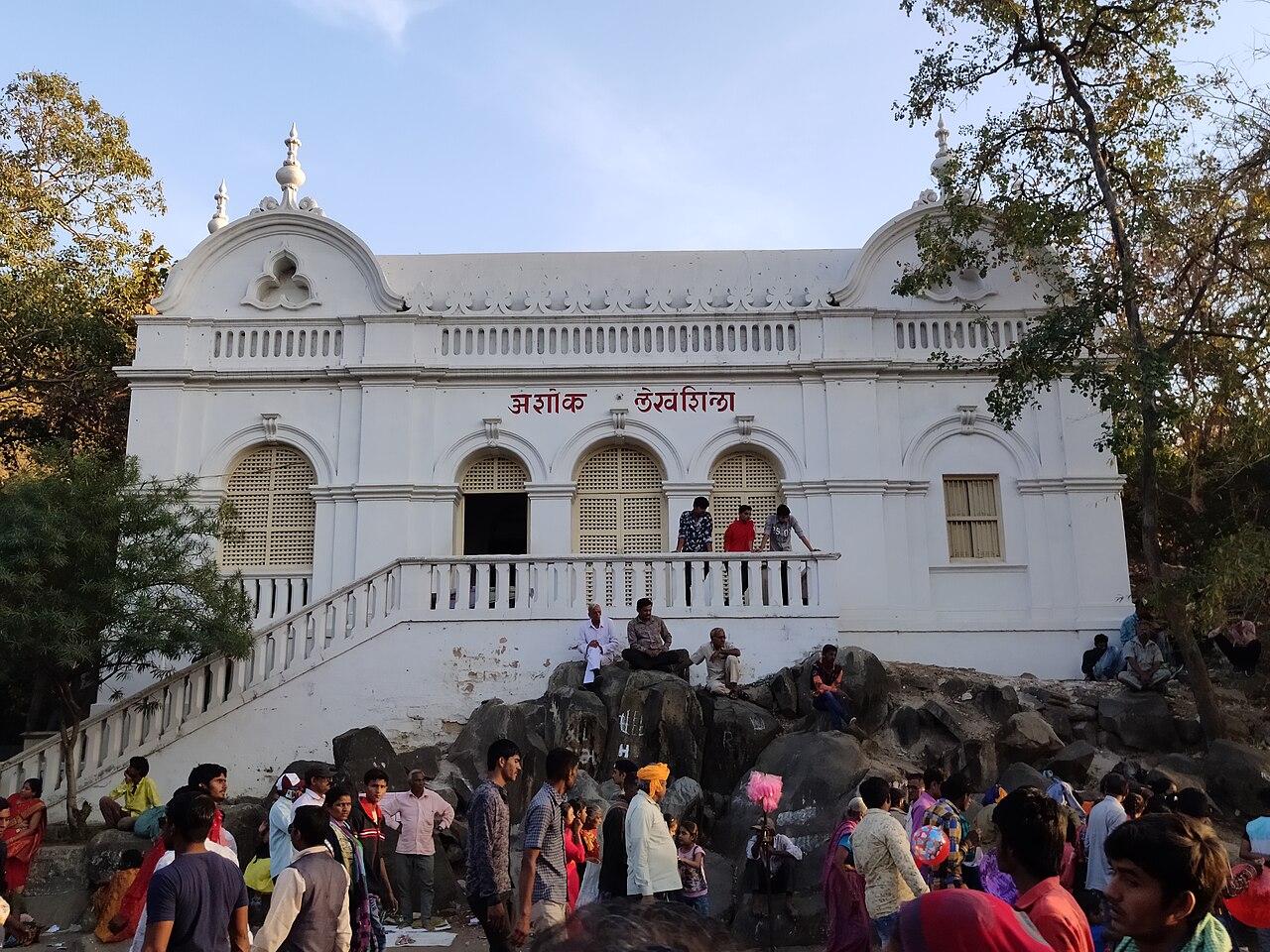
Ashoka
The emperor in his own words.
Mauryan emperor whose inscriptions, issued across the subcontinent, are the earliest substantial body of dated writing from South Asia after the Indus script.
- 03Personr. c. 322 – 298 BCE(Conventional date)
Chandragupta Maurya
The founder.
Founder of the Mauryan Empire, identified with the 'Sandrokottos' of Greek writers.
- 04PersonEmbassy c. 300 BCE(Approximate)
Megasthenes
A Greek at Pataliputra.
Greek envoy of Seleucus I to the Mauryan court at Pataliputra, whose lost 'Indica' survives only in quotations by later authors.
- 05Sitec. 5th century BCE – 7th century CE(Approximate)
Pataliputra
The capital.
Capital of Magadha from the late 5th or 4th century BCE and of the Mauryan Empire. Its remains lie beneath modern Patna.
- 06Artefactc. 250 BCE(Conventional date)
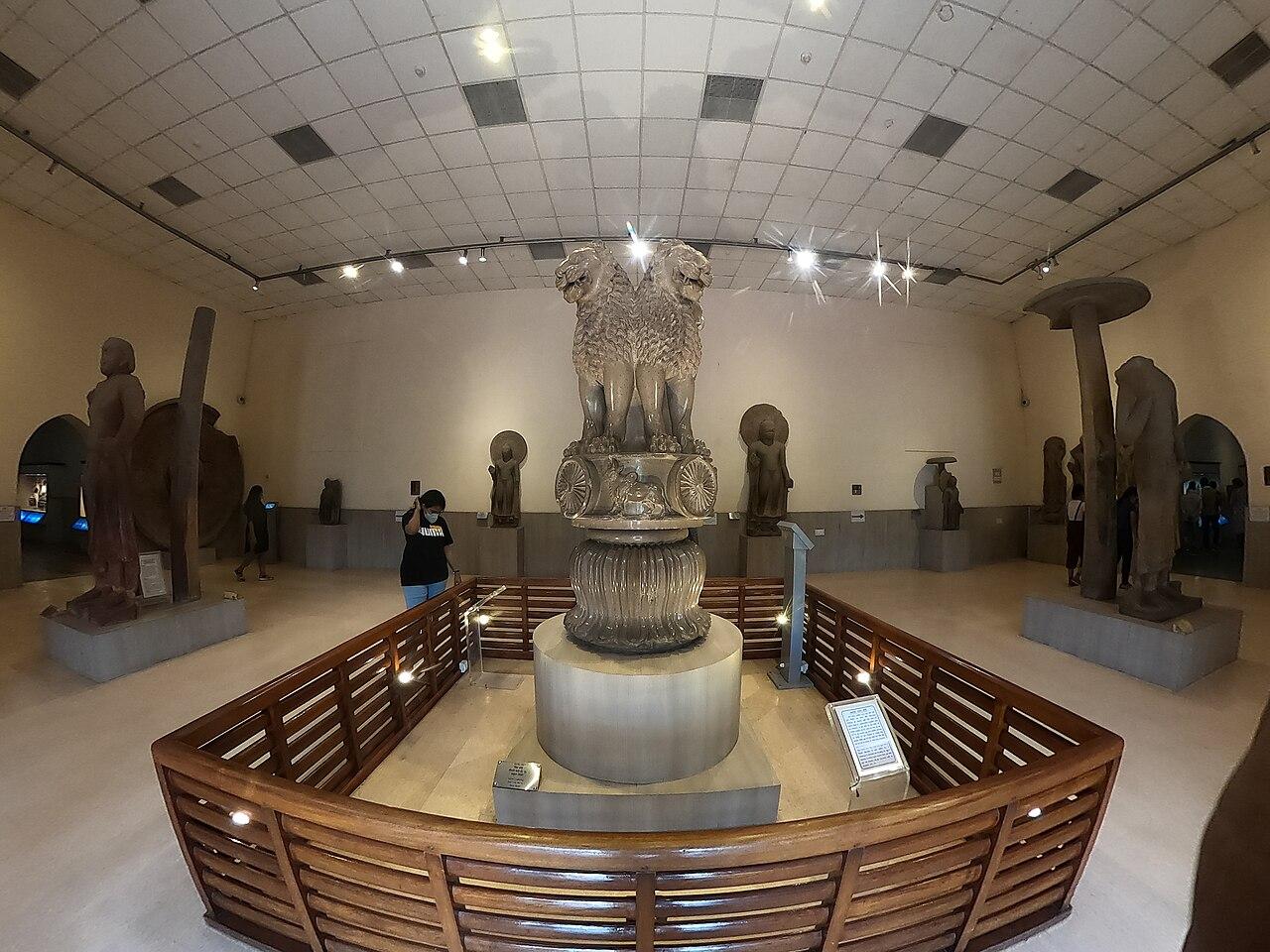
Lion Capital of Ashoka
The Sarnath capital.
Four addorsed lions on a drum carved with a horse, bull, elephant and lion separated by wheels, from the Ashokan pillar at Sarnath.
- 07Site3rd century BCE – 12th century CE(Approximate)
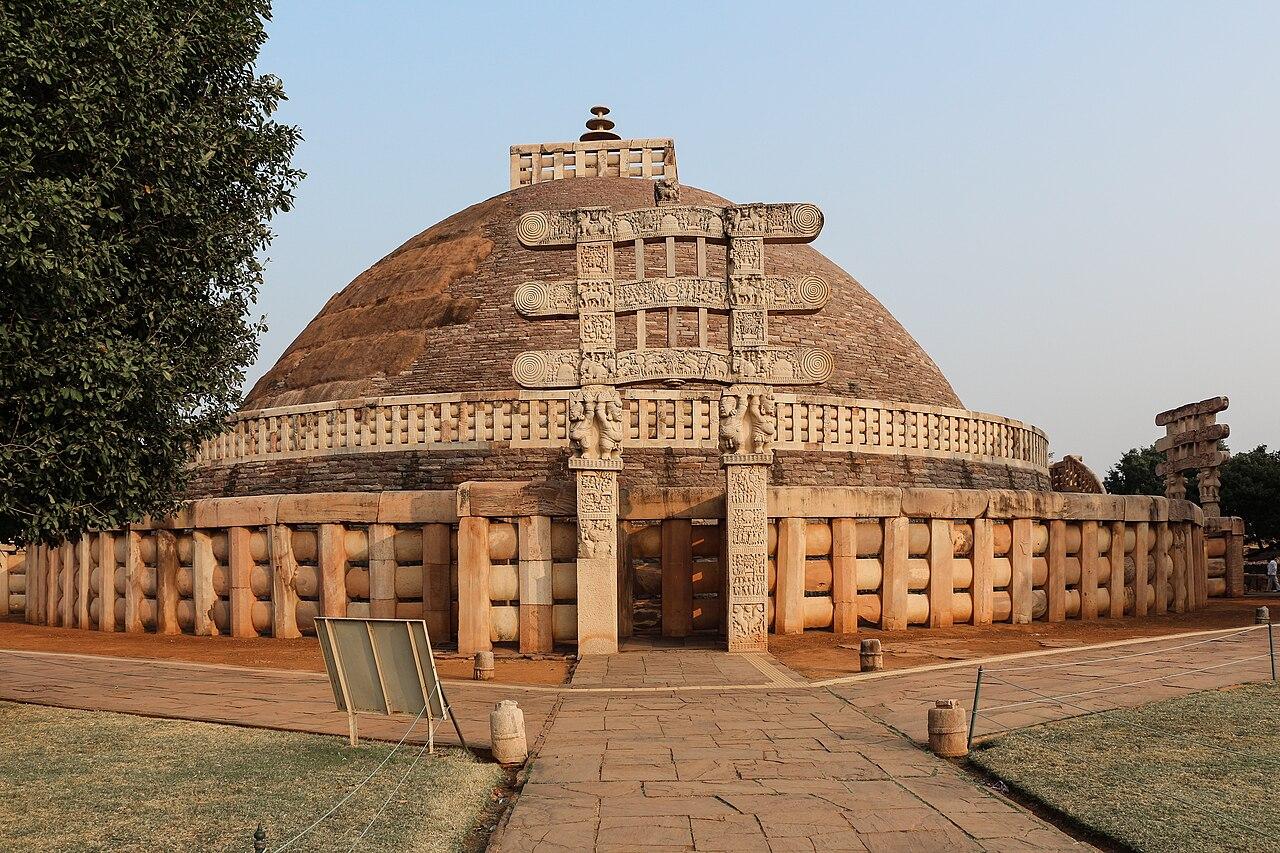
Sanchi
The Great Stupa.
A hilltop Buddhist complex whose Great Stupa originated under Ashoka and was enlarged in the following centuries, with four carved gateways.
- 08Eventc. 261 BCE(Conventional date)
Kalinga war
The Kalinga war.
Ashoka's conquest of Kalinga, described in his own Major Rock Edict XIII, eight years after his consecration.
The Map Check
Places in this collection
Sources & Further Reading
Sources & further reading
- inscription corpusHultzsch, E. (1925). Inscriptions of Asoka. Corpus Inscriptionum Indicarum, Vol. I (new edition). Clarendon Press.
- bookThapar, R. (2002). Early India: From the Origins to AD 1300. Allen Lane / University of California Press.
- bookLahiri, N. (2015). Ashoka in Ancient India. Harvard University Press.
- bookSingh, U. (2008). A History of Ancient and Early Medieval India: From the Stone Age to the 12th Century. Pearson Longman.
- primary sourceMcCrindle, J. W. (trans.) (1877). Ancient India as Described by Megasthenês and Arrian. Trübner & Co..
- primary sourceOlivelle, P. (trans.) (2013). King, Governance, and Law in Ancient India: Kauṭilya's Arthaśāstra. Oxford University Press.
- bookSalomon, R. (1998). Indian Epigraphy: A Guide to the Study of Inscriptions in Sanskrit, Prakrit, and the Other Indo-Aryan Languages. Oxford University Press.
- unescoUNESCO World Heritage Centre (1989). Buddhist Monuments at Sanchi (List no. 524). whc.unesco.org/en/list/524