Archaeological site
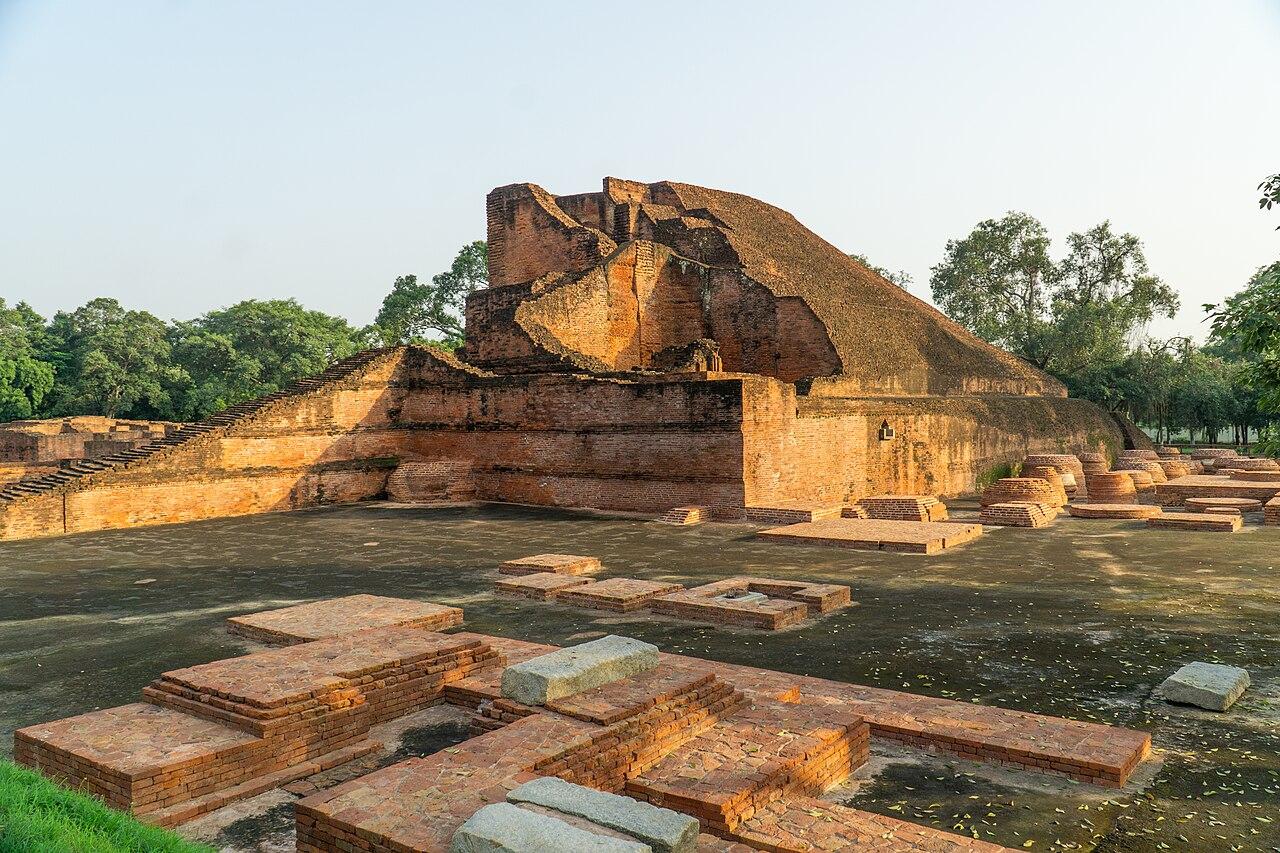
Nalanda Mahavihara
Also: Nalanda
A great Buddhist monastic university that flourished from the Gupta period to the 12th century, visited by the Chinese pilgrim Xuanzang.
The Map Check
Location and neighbouring sites
From the Trenches
Excavation history
1915–1937
Archaeological Survey of India
Important findings
- Rows of monasteries and temples
- Seals naming the monastic community
- Stucco and stone sculpture
Connected to Nalanda Mahavihara
Connected to this site
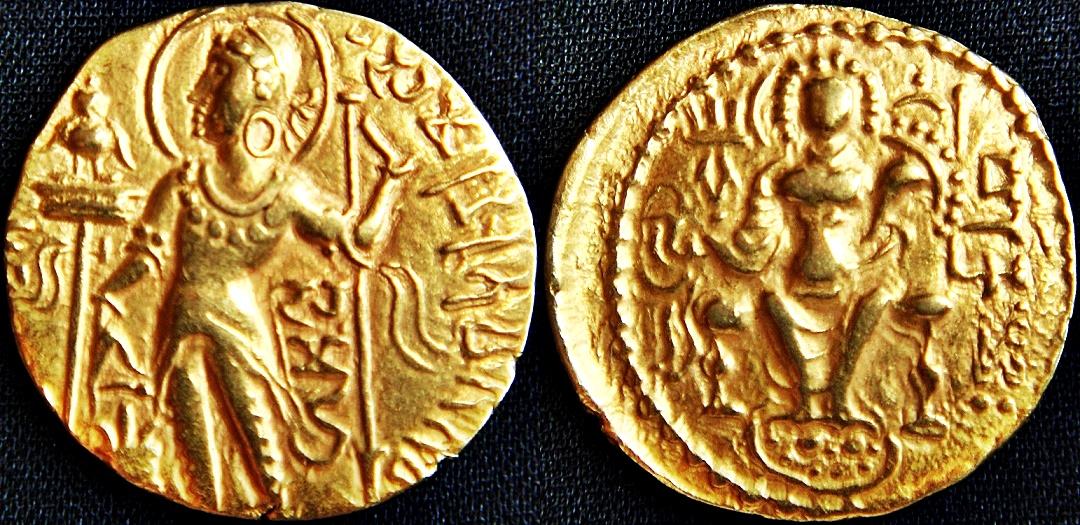
Gupta Empire
A dynasty of the Ganga valley whose kings, through conquest, tribute and marriage alliance, dominated north India from the 4th to the 6th century CE.
Xuanzang
Chinese monk and translator who spent more than a decade in South Asia in the 7th century and studied at Nalanda.
Alexander Cunningham
British army engineer who became the first Archaeological Surveyor of India in 1861 and identified many Buddhist sites using Chinese pilgrims' accounts.
Pala Empire
A Buddhist-patronising dynasty of eastern India, patrons of Nalanda, Vikramashila and Somapura, which at its height contested Kannauj with the Pratiharas and Rashtrakutas.
Sources & Further Reading
Sources & further reading
- unescoUNESCO World Heritage Centre (2016). Archaeological Site of Nalanda Mahavihara at Nalanda, Bihar (List no. 1502). whc.unesco.org/en/list/1502
- primary sourceBeal, S. (trans.) (1884). Si-Yu-Ki: Buddhist Records of the Western World. Trübner & Co..