Subject
Art and Architecture
The material heritage of the subcontinent.
56 connected entries
Politys · 3
Kushan Empire
An empire of Central Asian origin that controlled Bactria, Gandhara and the Ganga plain, linking the Silk Road with Indian trade networks.
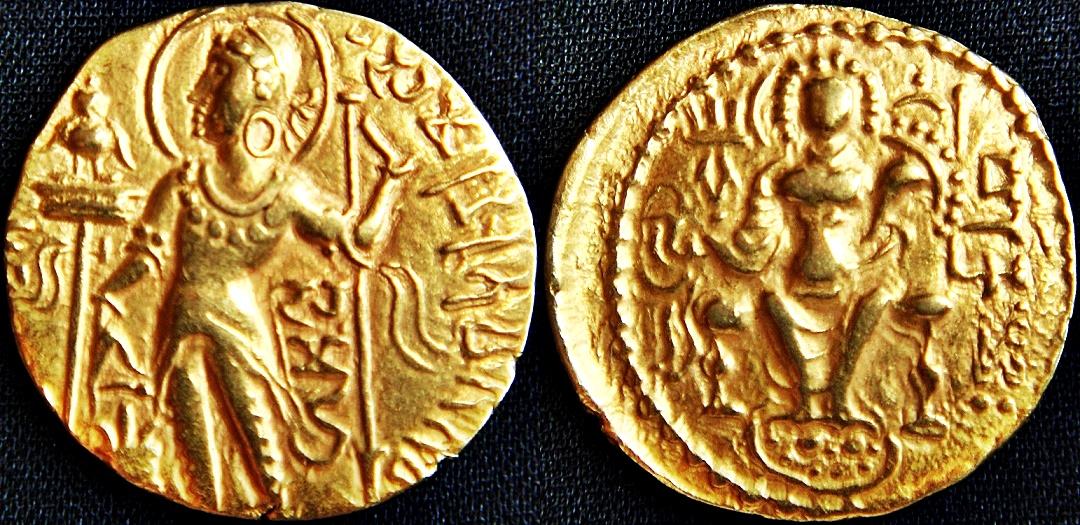
Gupta Empire
A dynasty of the Ganga valley whose kings, through conquest, tribute and marriage alliance, dominated north India from the 4th to the 6th century CE.
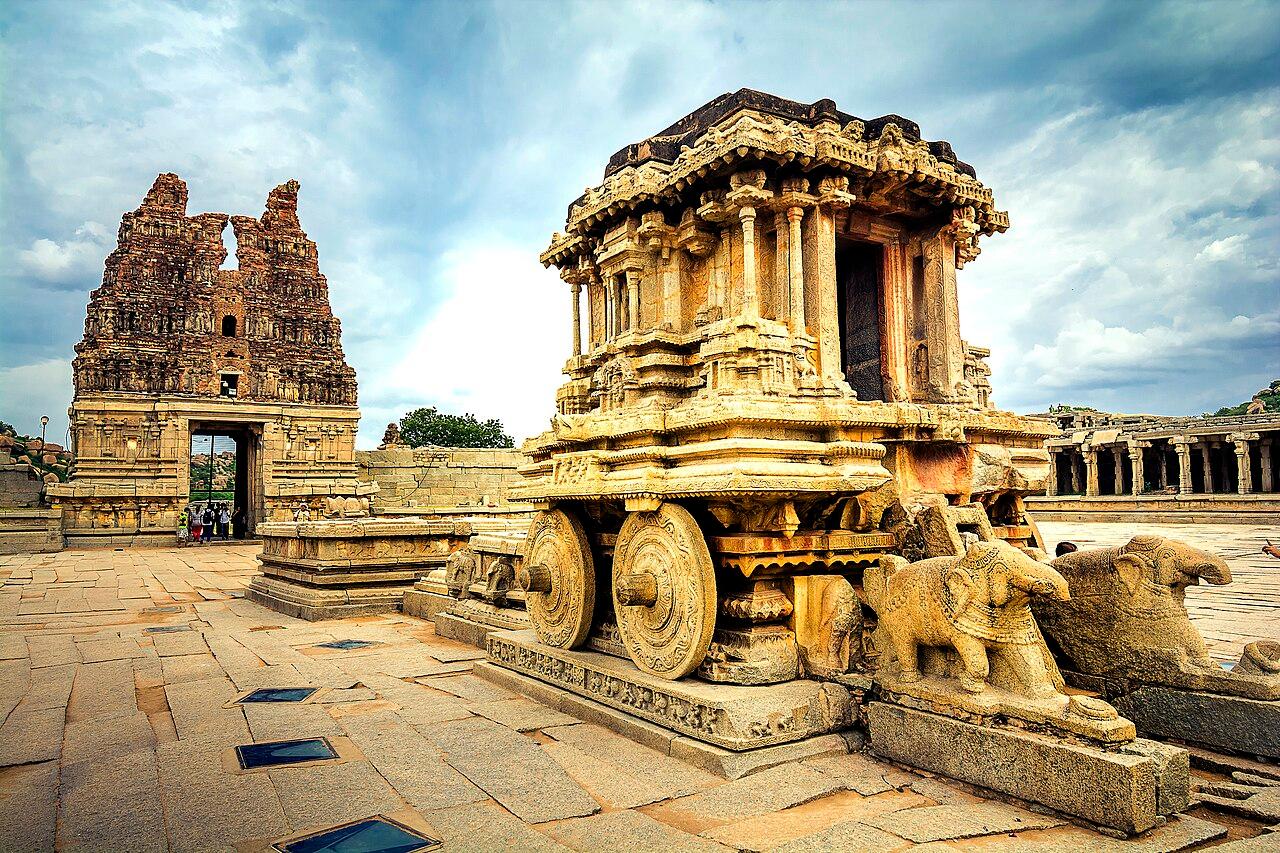
Vijayanagara Empire
A south Indian empire founded in 1336, with its capital at Hampi, that dominated the peninsula until its defeat in 1565.
Sites · 46
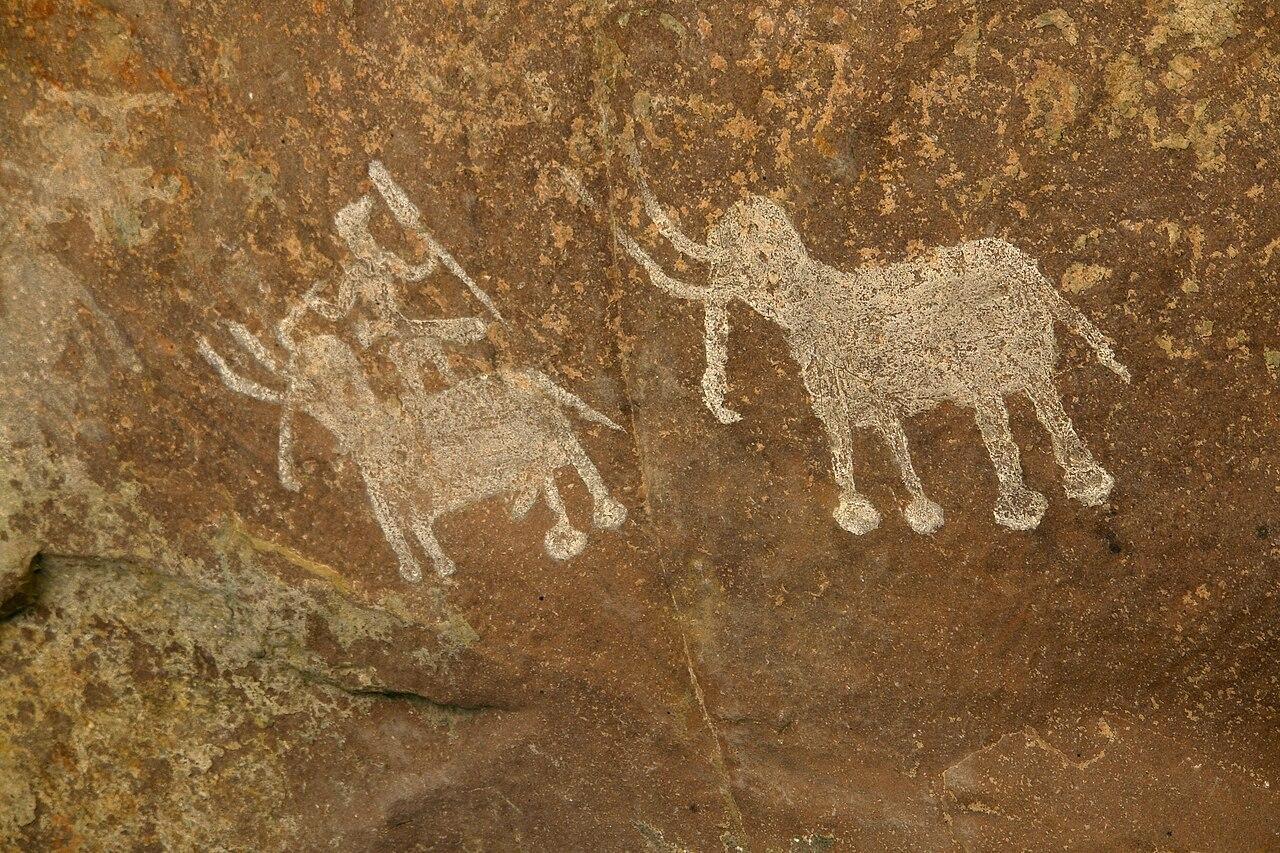
Bhimbetka
A dense cluster of sandstone rock shelters in the foothills of the Vindhyas, with stone-tool deposits reaching back to the Acheulian and paintings spanning from the Mesolithic into historical times.
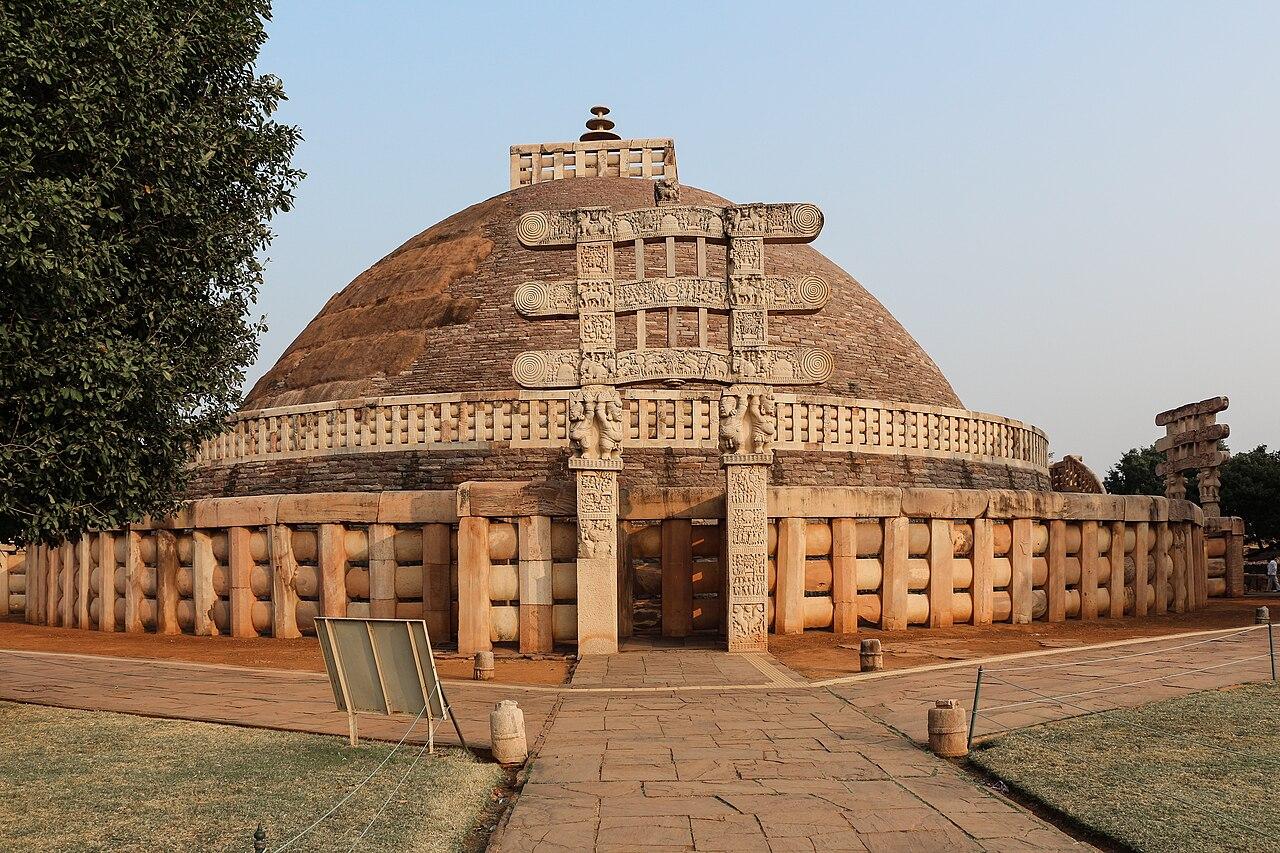
Sanchi
A hilltop Buddhist complex whose Great Stupa originated under Ashoka and was enlarged in the following centuries, with four carved gateways.
Sarnath
The place where, according to Buddhist tradition, the Buddha gave his first sermon. Site of the Ashokan pillar whose capital became India's national emblem.
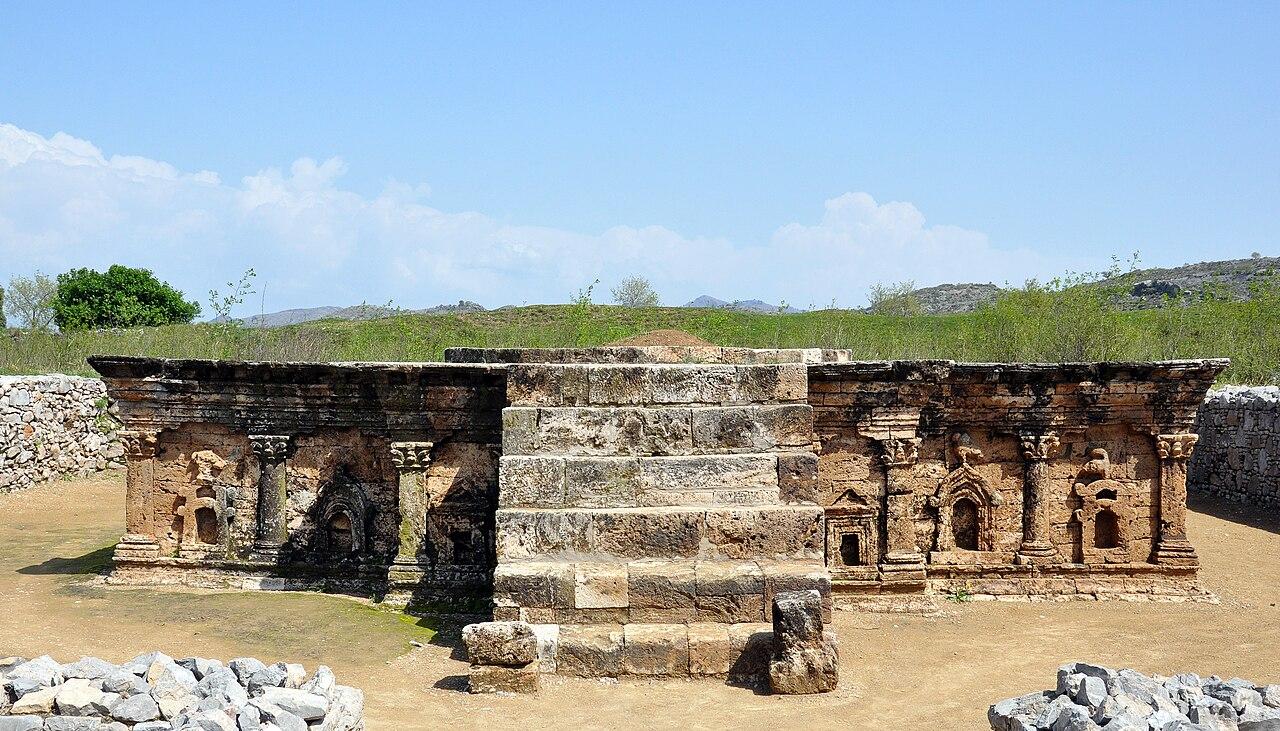
Taxila
A cluster of cities and Buddhist monasteries at the crossroads of South and Central Asia, successively under Achaemenid, Mauryan, Indo-Greek, Saka-Parthian and Kushan rule.
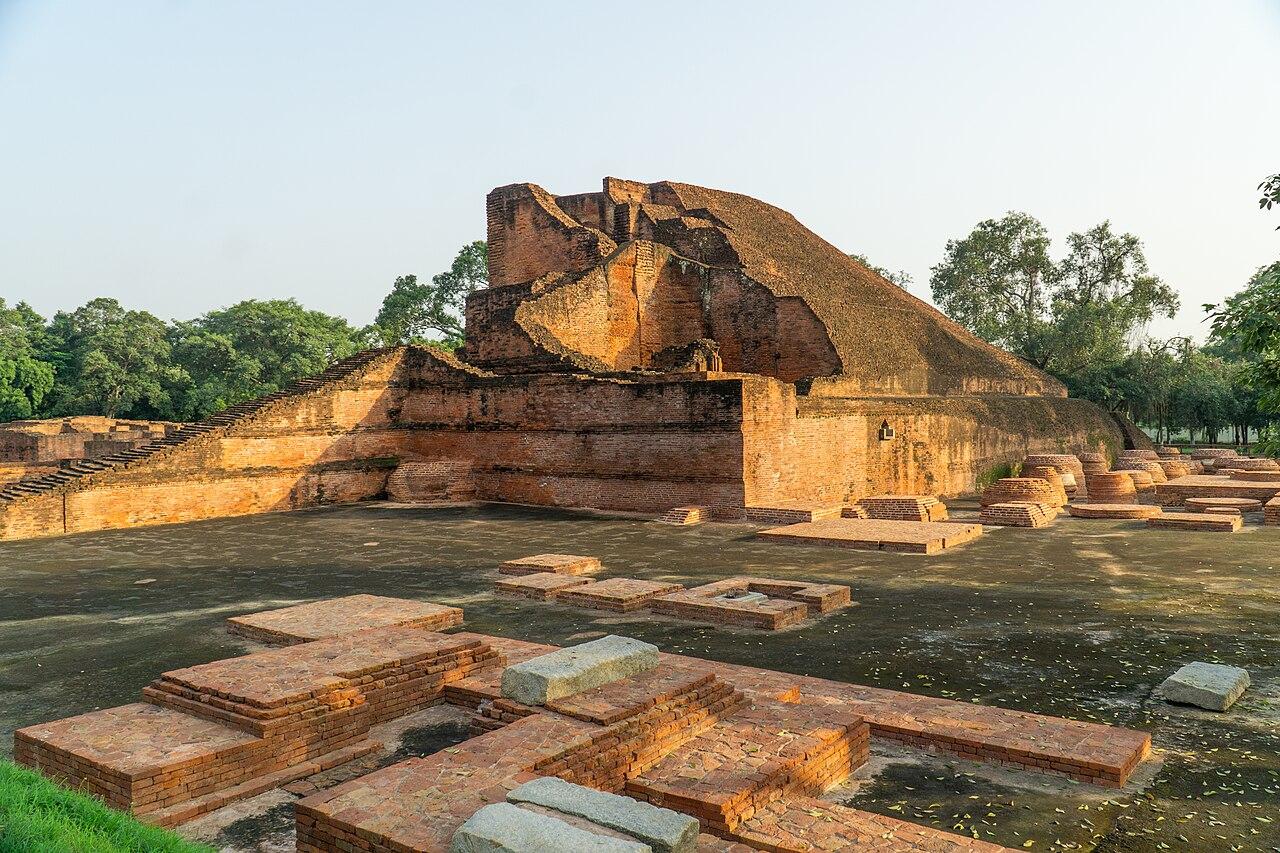
Nalanda Mahavihara
A great Buddhist monastic university that flourished from the Gupta period to the 12th century, visited by the Chinese pilgrim Xuanzang.
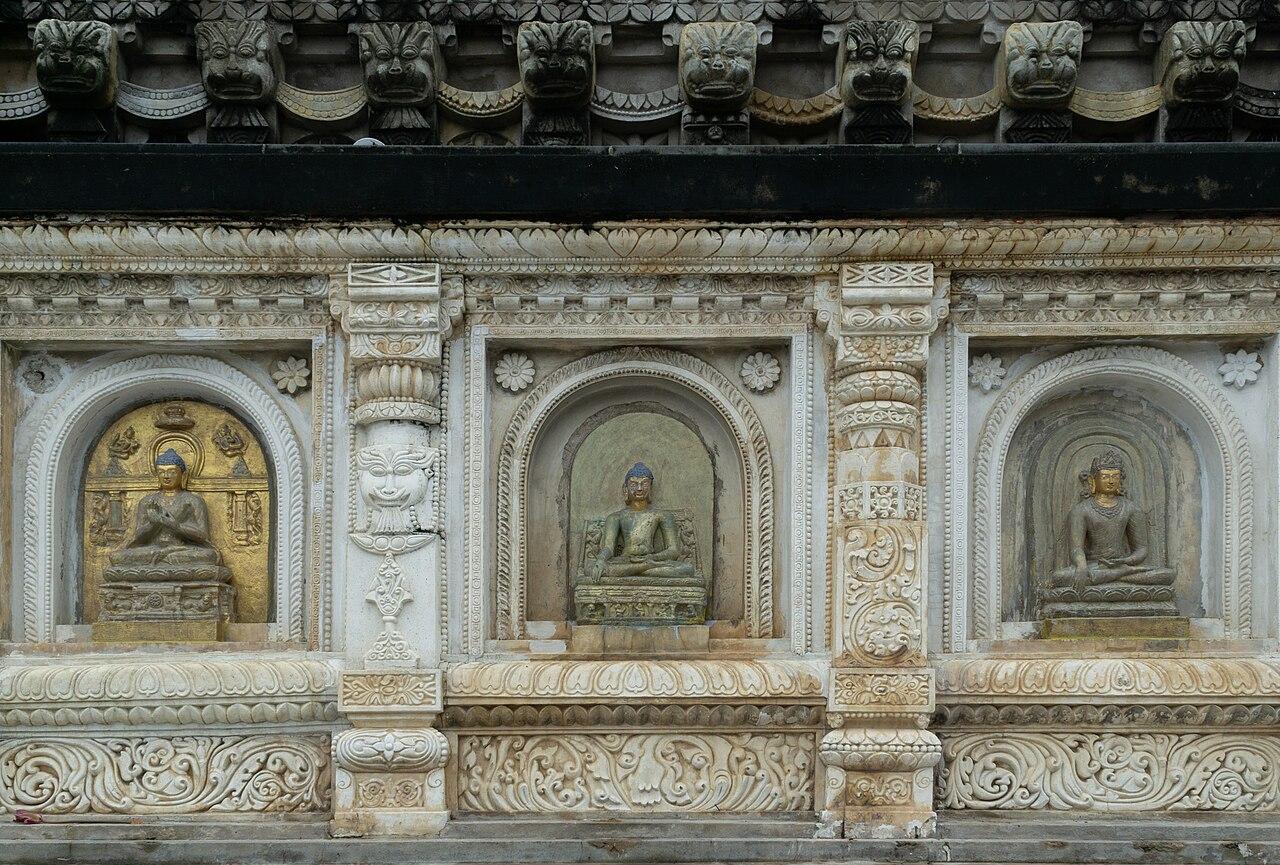
Bodh Gaya
Site of the Buddha's enlightenment in Buddhist tradition. The present brick Mahabodhi Temple dates in its core to the 5th–6th century CE.
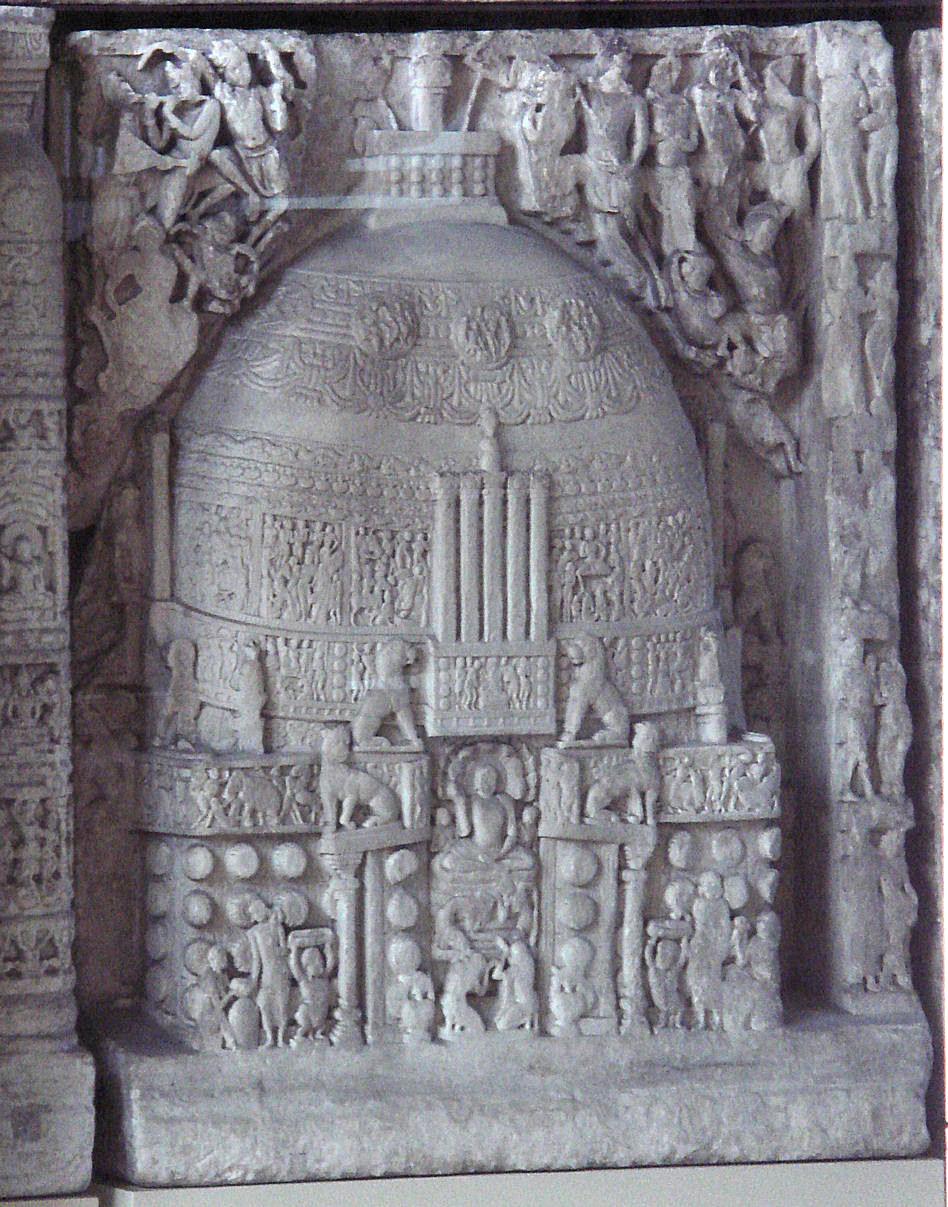
Amaravati
Site of a great stupa in the lower Krishna valley whose carved limestone reliefs are among the masterpieces of early Buddhist art.
Hampi
The capital of the Vijayanagara Empire, set among granite boulders on the Tungabhadra; sacked after the battle of 1565.
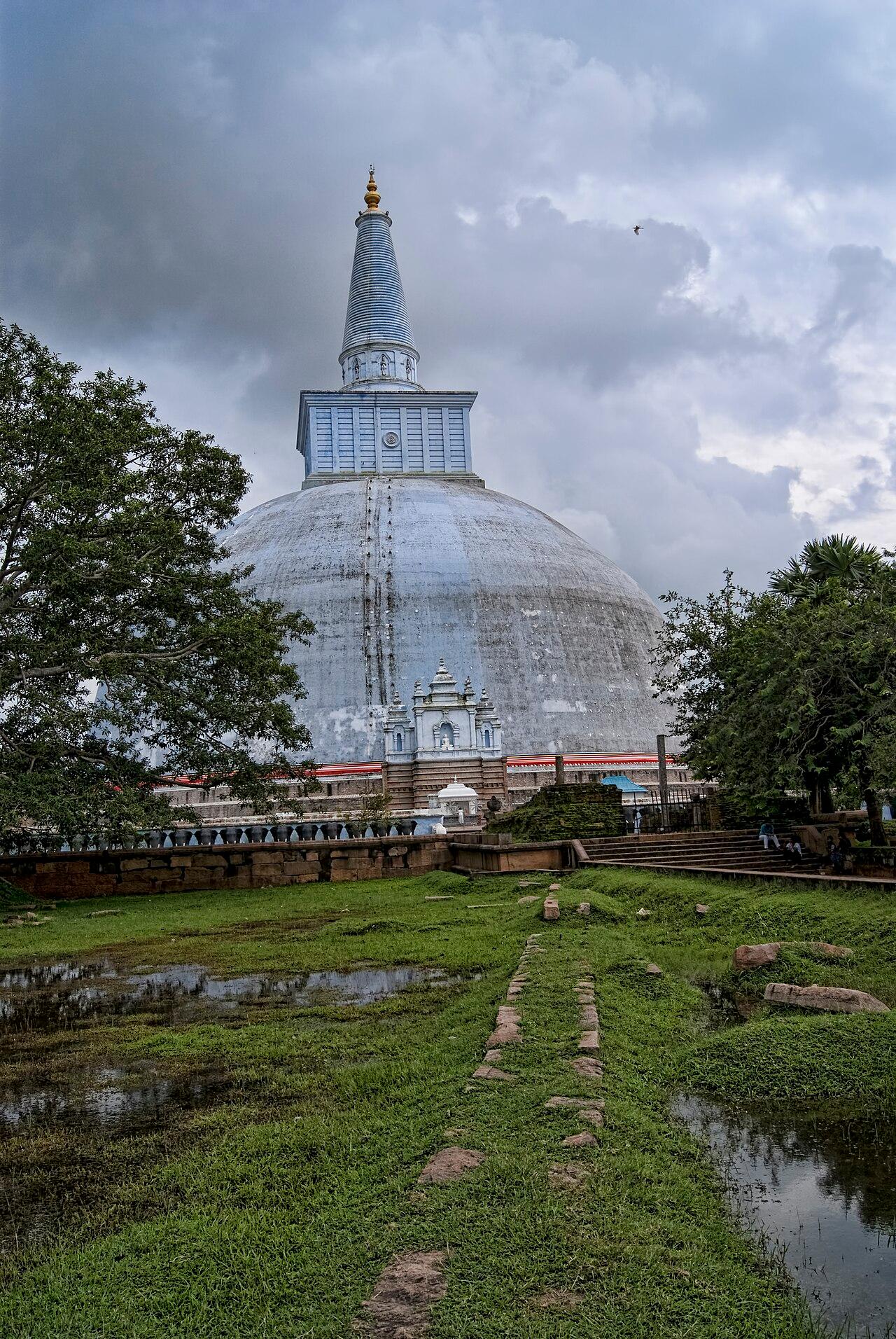
Anuradhapura
The first great capital of Sri Lanka, with monumental stupas and early Brahmi inscriptions; a centre of Theravada Buddhism.
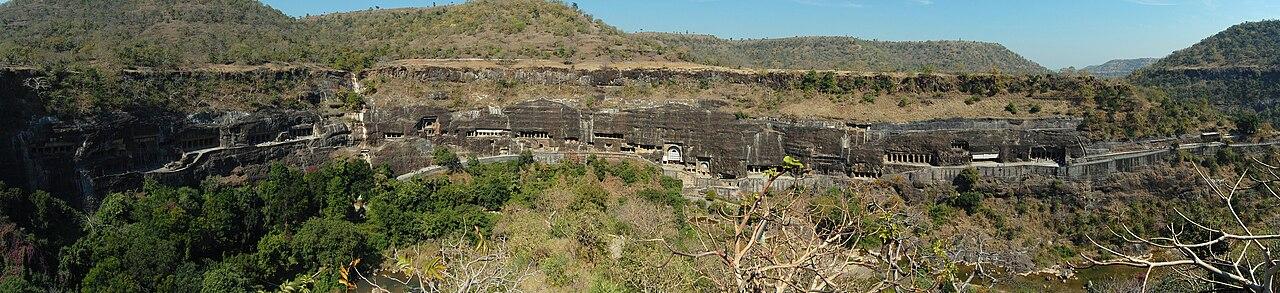
Ajanta
About thirty rock-cut Buddhist monasteries and shrines in a horseshoe gorge, made in two phases — around the 2nd–1st centuries BCE and in the later 5th century CE — with the finest surviving early Indian wall paintings.
Udayagiri Caves (Vidisha)
Rock-cut shrines near Vidisha with a monumental Varaha panel and an inscription dated in the reign of Chandragupta II.
Thanjavur
Capital of the imperial Cholas. The Brihadisvara temple, built by Rajaraja I and completed around 1010 CE, is covered with inscriptions recording its endowments.
Hire Benakal
One of the largest megalithic necropolises in South India, with hundreds of dolmens, cists and other stone monuments on a granite hill.
Ellora
Thirty-four rock-cut monasteries and temples — Buddhist, Hindu and Jain — cut side by side into a basalt escarpment between about 600 and 1000 CE, including the monolithic Kailasa temple.
Sigiriya
A palace complex on a granite monolith built by King Kashyapa I (r. 477–495 CE), with water gardens and painted figures on the rock face.
Polonnaruwa
Sri Lanka's capital in the 11th–13th centuries, with Chola-period Hindu shrines, Parakramabahu I's palace and the Gal Vihara rock-cut Buddhas.
Varanasi (Kashi)
A sacred city and long-standing centre of Sanskrit learning.
Kanchipuram
Pallava capital, temple city and centre of learning visited by Xuanzang.
Madurai
Pandya capital and, in Tamil tradition, the seat of the Sangam literary academies.
Valabhi
Maitraka capital and a famed monastic centre of learning; a Jain council was held here.
Mithila (Darbhanga)
Centre of the Navya-Nyaya school of logic and Maithili literature (Vidyapati).
Nabadwip
Seat of Navya-Nyaya scholarship and birthplace of the Vaishnava saint Chaitanya.
Fatehpur Sikri
Akbar's capital, setting of the Ibadat Khana debates among representatives of many religions.
Bijapur court
Adil Shahi court culture: painting, music and Dakhni literature.
Murshidabad
Capital of the Bengal Nawabs and a centre of painting and silk.
Lucknow
The Awadh court: Urdu poetry, music and architecture.
Sharada Peeth
A temple and centre of learning in Kashmir, giving its name to the Sharada script.
Gwalior Fort
Sandstone hill fort above Gwalior. A temple inscription of 876 CE here contains an early dated use of a written zero; the Sas-Bahu temples are dated to 1093; and Man Singh Tomar built the tiled Man Mandir palace around 1500. Under the Mughals it was a state prison.
Kalinjar Fort
Hill fort of the Chandelas on the edge of the Vindhyas. Qutb-ud-din Aibak took it in 1202–03, and Sher Shah Sur was fatally burned by an exploding gunpowder store while besieging it in 1545.
Chittorgarh
Long table-topped hill fort, the old capital of Mewar. It was taken by Ala-ud-din Khalji in 1303, by Bahadur Shah of Gujarat in 1535 and by Akbar in 1568, after which the court stayed at Udaipur. The nine-storey Vijaya Stambha was raised by Rana Kumbha in the mid-15th century.
Ranthambore Fort
Chahamana stronghold in the eastern Aravallis. Ala-ud-din Khalji took it in 1301 after a long siege, and it surrendered to Akbar in 1569.
Daulatabad (Devagiri)
Rock citadel of Devagiri, capital of the Yadavas, with a moat cut into the hill. Muhammad bin Tughluq renamed it Daulatabad and in 1327 moved much of Delhi's elite here; the Chand Minar tower was added under the Bahmanis in the 15th century.
Tughlaqabad
Walled city and citadel built by Ghiyas-ud-din Tughluq on a rocky ridge south of Delhi, with his own tomb in a fortified outwork. It was largely given up within a generation.
Kumbhalgarh
Mountain fort built by Rana Kumbha of Mewar on the crest of the Aravallis, ringed by a wall many kilometres long.
Mehrangarh, Jodhpur
Citadel of Jodhpur, founded by Rao Jodha of the Rathors when he moved the capital of Marwar from Mandor.
Golconda Fort
Fortress capital of the Qutb Shahi sultans until Hyderabad was founded in 1591, and their last refuge. It fell to Aurangzeb in 1687 after a siege of eight months. The dynasty's domed tombs stand just to the north.
Rohtas Fort
Built by Sher Shah Sur after he drove Humayun from India, to hold the road through the Salt Range and overawe the Gakkhar chiefs.
Agra Fort
Red sandstone fort rebuilt by Akbar from 1565. Shah Jahan replaced much of the interior with marble palaces and the Moti Masjid, and was later confined here by Aurangzeb.
Lahore Fort
Citadel rebuilt in brick under Akbar and enlarged by Jahangir, Shah Jahan, who added the mirrored Shish Mahal, and Aurangzeb, who added the Alamgiri Gate. It was later Ranjit Singh's seat.
Red Fort, Delhi
Palace-fortress of Shahjahanabad, the new capital Shah Jahan built at Delhi. It remained the seat of the Mughal emperors until 1857.
Raigad
Hill fort in the Sahyadris where Shivaji was crowned Chhatrapati in June 1674 and where he died in 1680. The Mughals took it in 1689.
Diu Fort
Portuguese sea fortress built in 1535 by agreement with Bahadur Shah of Gujarat. It withstood sieges in 1538 and 1546 and remained Portuguese until 1961.
Bassein (Vasai) Fort
Walled Portuguese town north of Bombay, ceded by the sultan of Gujarat in 1534 and capital of their northern province. The Marathas under Chimaji Appa took it in 1739.
Galle Fort
Portuguese fort taken by the Dutch in 1640 and rebuilt with bastioned ramparts around a grid of streets. It is among the best preserved European fortified towns in South Asia.
Fort St George, Madras
English East India Company fort built on a strip of the Coromandel coast granted in 1639. The city of Madras grew around it.
Fort William, Calcutta
The Company's first fort at Calcutta was begun in 1696 and taken by Siraj-ud-daula in 1756. After Plassey a far larger fort was built on a new site beside the Hugli, begun in 1758; the marker shows this second fort.
Artefacts · 5
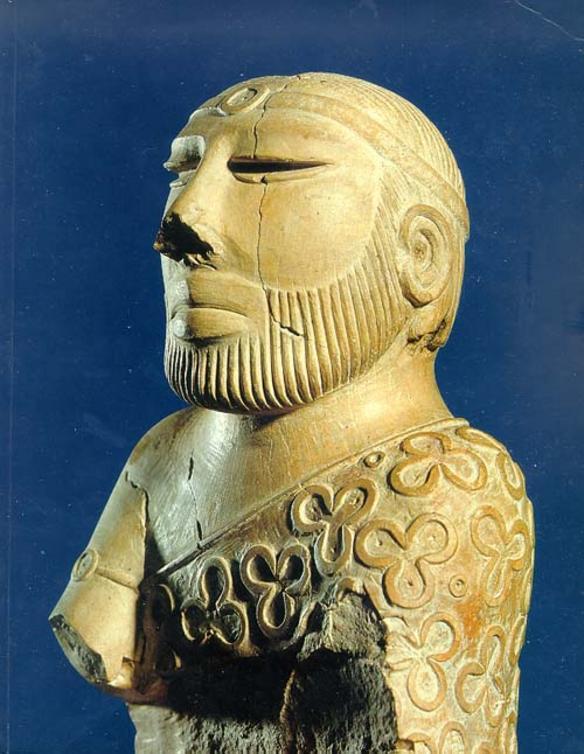
'Priest-King' sculpture
A bearded male figure in steatite wearing a trefoil-patterned robe, the best-known stone sculpture from the Indus civilisation.
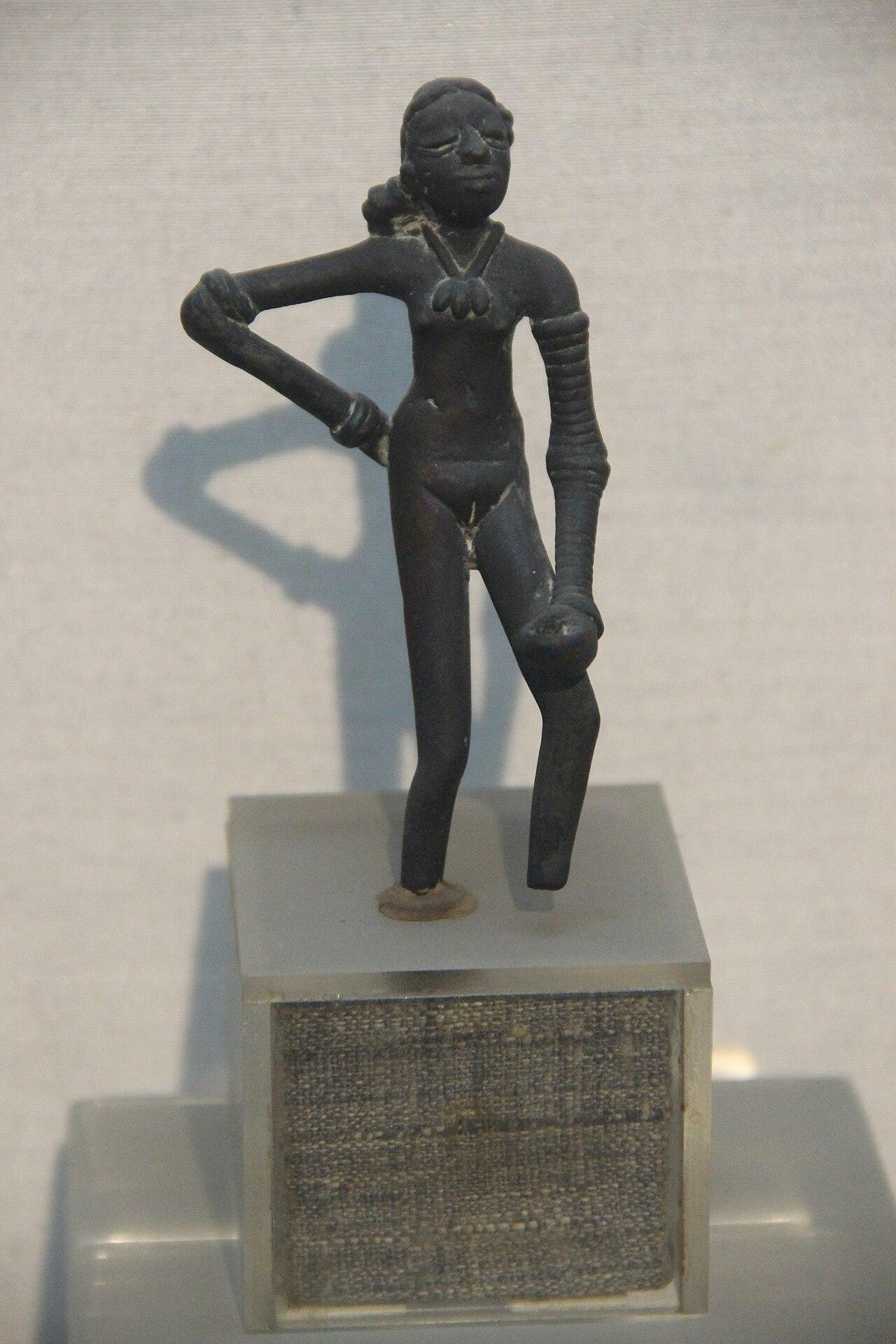
Bronze 'Dancing Girl'
A small cast copper-alloy figurine of a standing young woman with bangles covering one arm.
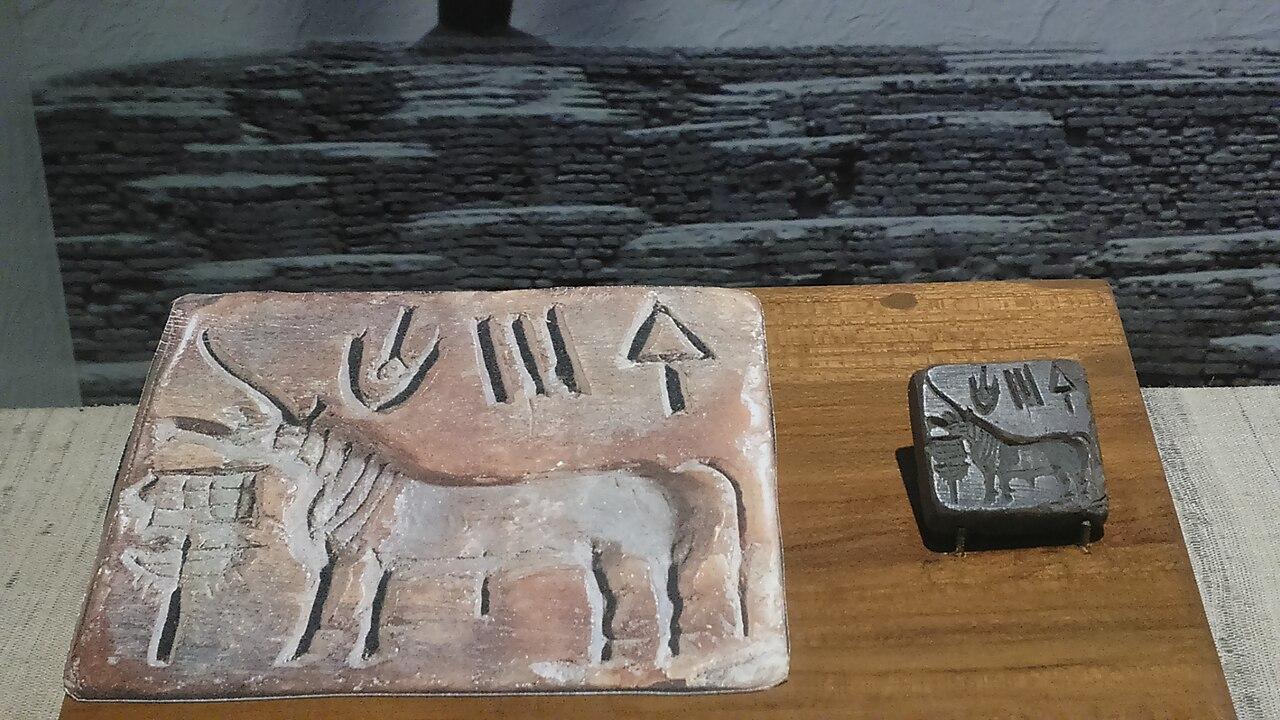
Indus 'unicorn' seal
Square steatite stamp seals showing a single-horned bovine before a stand, with a line of Indus signs above. The unicorn is the most common motif on Indus seals.
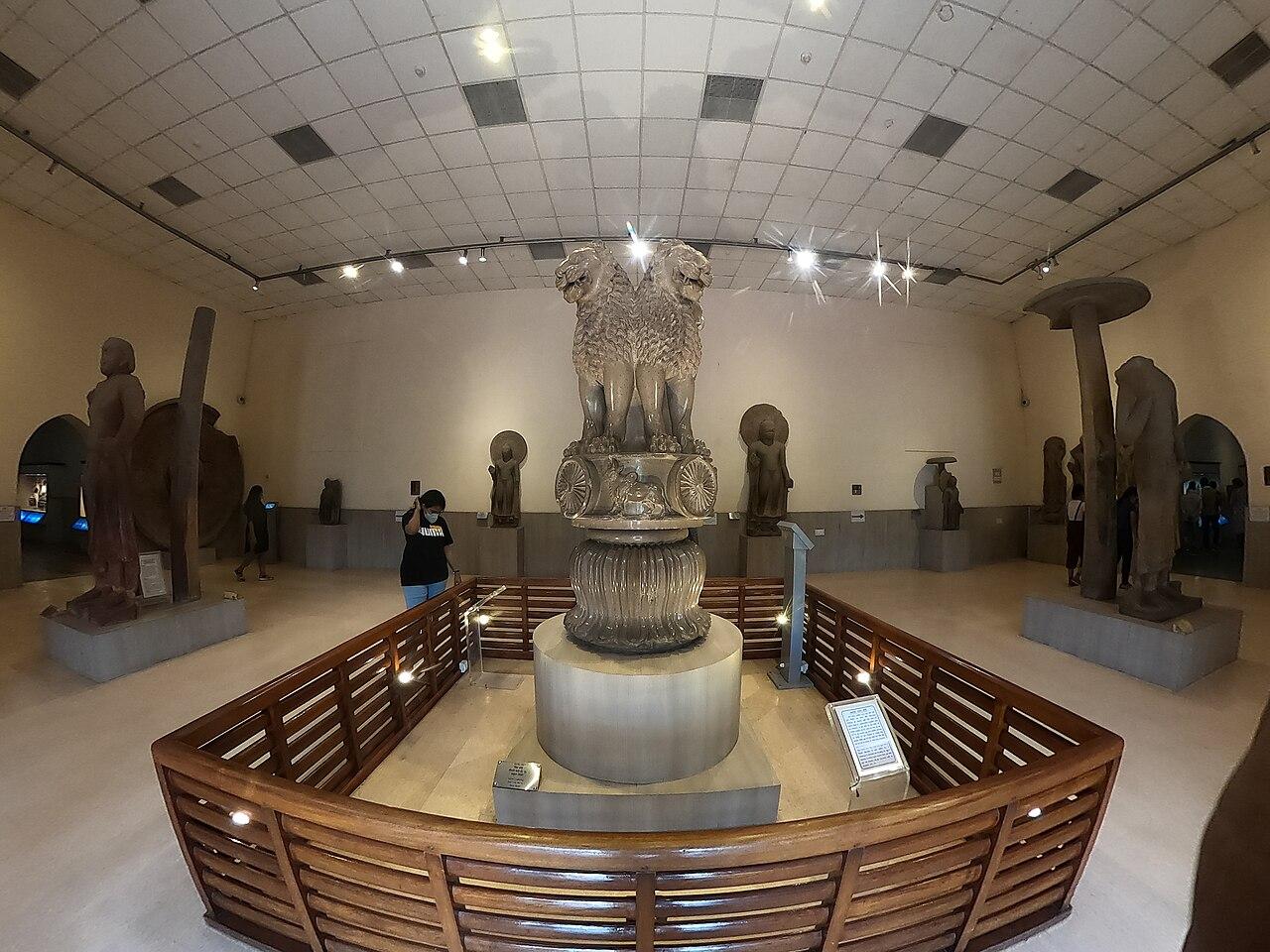
Lion Capital of Ashoka
Four addorsed lions on a drum carved with a horse, bull, elephant and lion separated by wheels, from the Ashokan pillar at Sarnath.
Gold coin of Samudragupta
A gold dinara of the 'javelin' (standard) type, showing the king holding a standard and making an offering at an altar.