Subject
Archaeology
Sites, trenches and the methods that turn soil into history.
80 connected entries
Articles · 2
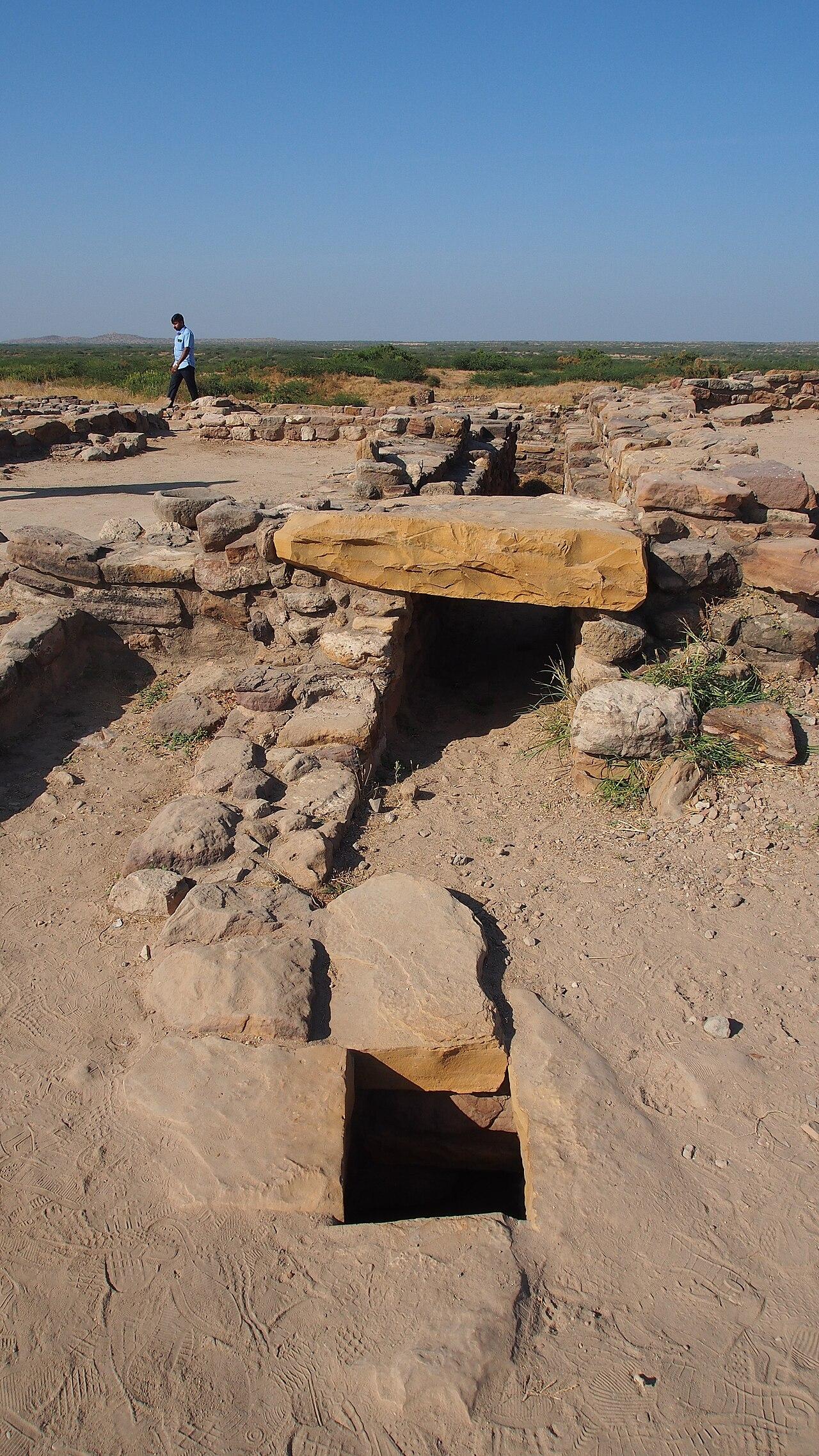
The Water Engineers of the Indus
Drains, wells and reservoirs at Mohenjo-daro and Dholavira, and what they reveal about Indus urban life.
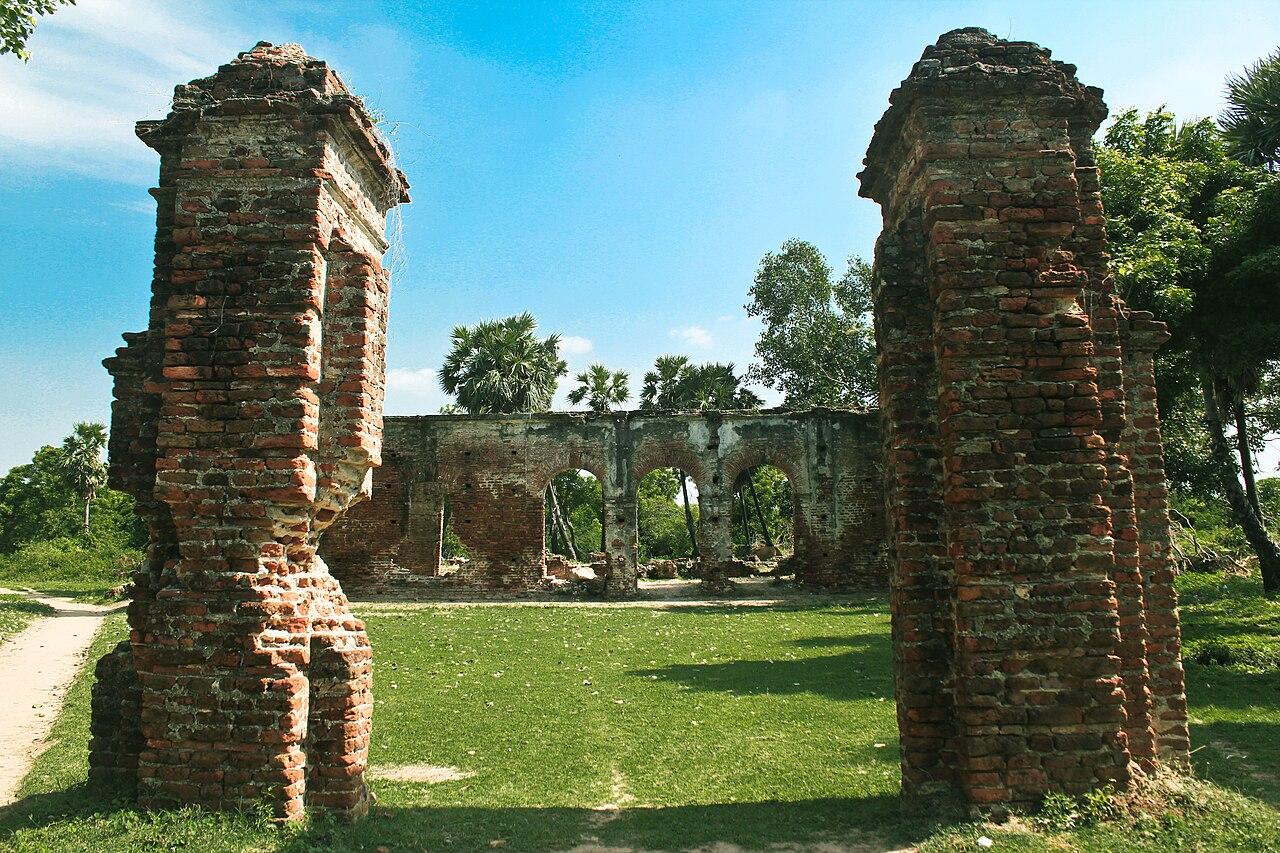
Rome on the Coromandel Coast
Evidence for Indo-Roman trade from archaeology, texts and coins.
Politys · 7
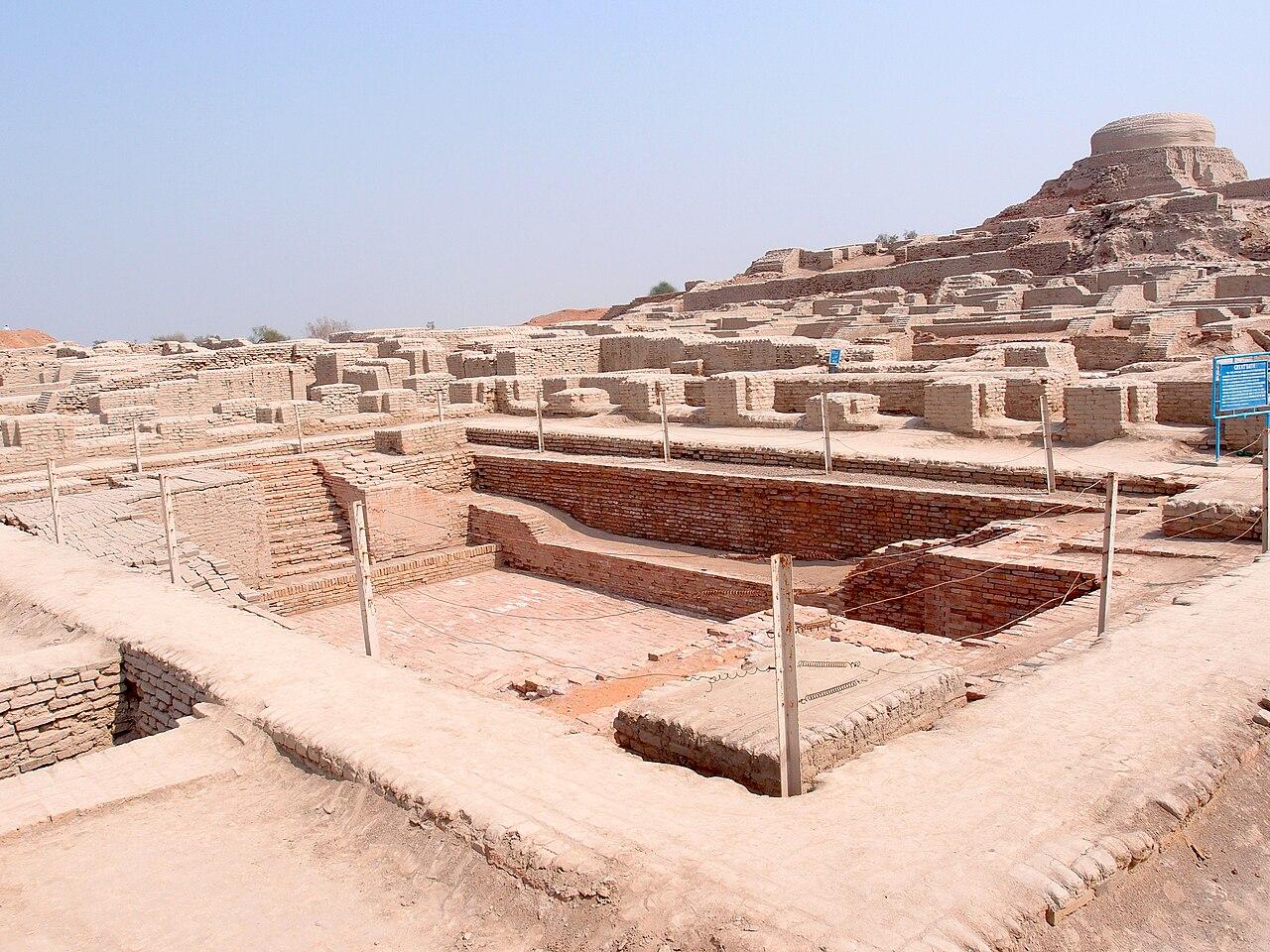
Indus Valley Civilisation
A Bronze Age urban tradition spanning more than a million square kilometres, known for planned cities, standardised weights, craft specialisation and an undeciphered script.
Chalcolithic Cultures of Western and Central India
Regional farming cultures using copper alongside stone — Ahar-Banas, Kayatha, Malwa, Jorwe and others — defined by pottery traditions rather than political units.
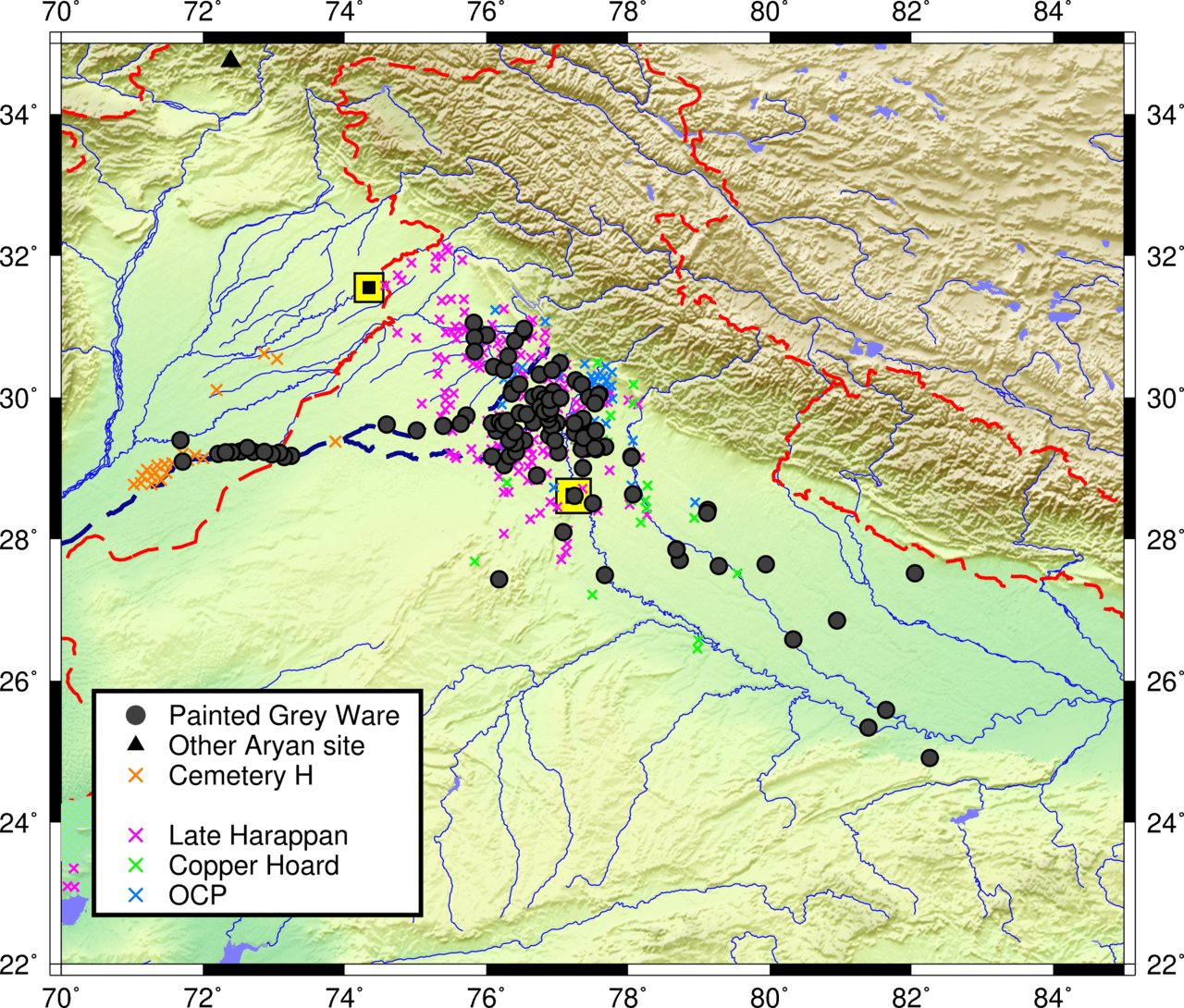
Painted Grey Ware Culture
An Iron Age archaeological culture of the Ganga–Yamuna plain, named after its fine grey pottery with black painted designs.
Ganga Plain Mesolithic
Forager communities of the early and middle Holocene who camped and buried their dead beside ox-bow lakes in the middle Ganga plain.
South Indian Iron Age – Megalithic culture
A long-lived tradition of monumental burial across the peninsula — cists, dolmens, stone circles, urn fields, rock-cut chambers and umbrella stones — associated with iron, Black-and-Red Ware and, later, early writing and trade.
Swat protohistoric graves ('Gandhara Grave Culture')
Late Bronze and Iron Age cemeteries of the Swat and Peshawar valleys, the source of the earliest direct ancient-DNA evidence for steppe-related ancestry in South Asia.
Bactria–Margiana Archaeological Complex (BMAC)
A Bronze Age urban culture of southern Central Asia, in contact with the Indus world, through which some models route Indo-Iranian speakers.
Sites · 60
Bhimbetka
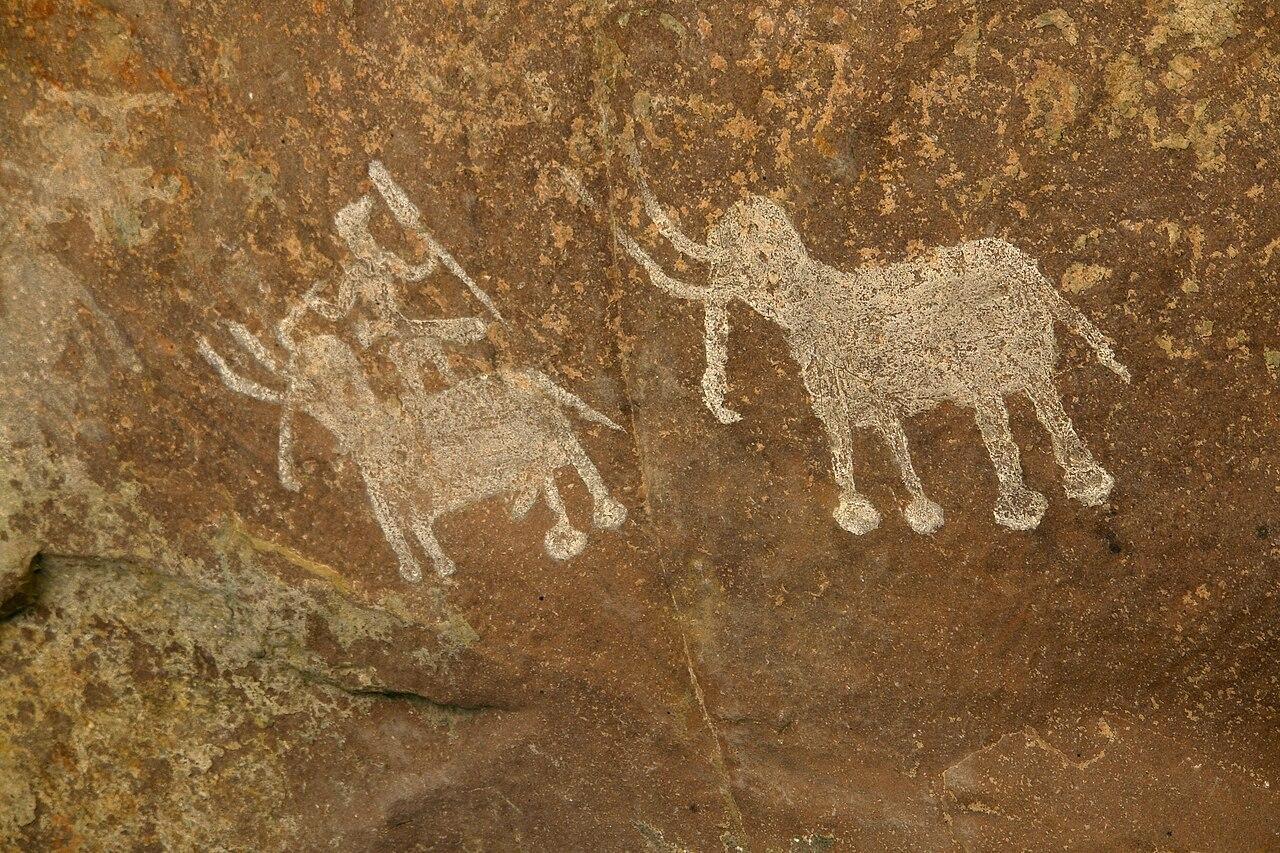
A dense cluster of sandstone rock shelters in the foothills of the Vindhyas, with stone-tool deposits reaching back to the Acheulian and paintings spanning from the Mesolithic into historical times.
Attirampakkam
An open-air Palaeolithic site near Chennai that has produced some of the oldest dated Acheulian stone tools in South Asia, and later Middle Palaeolithic assemblages.
Mehrgarh
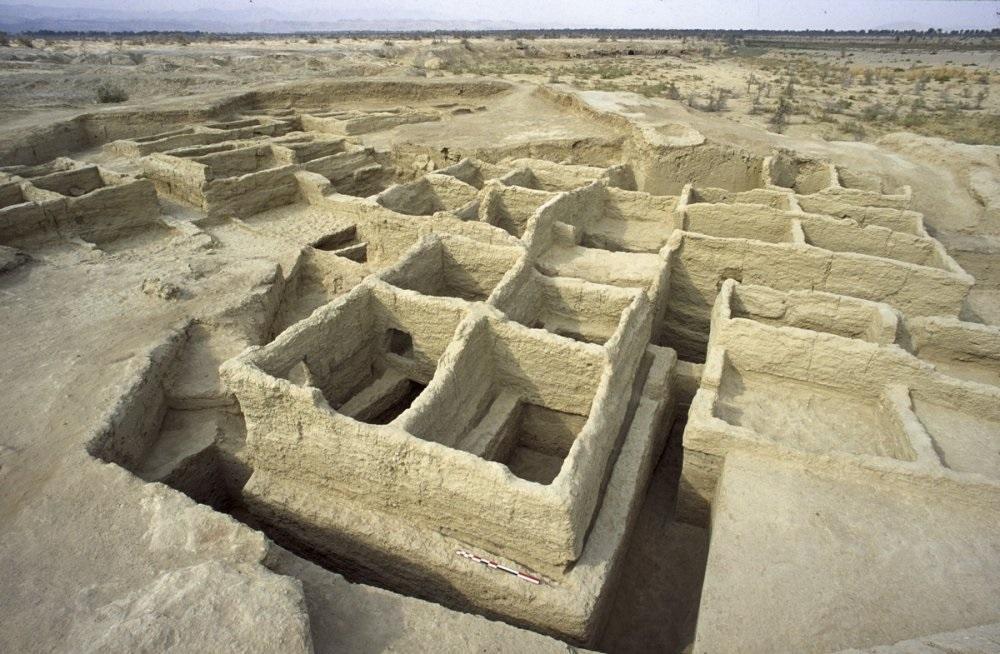
A Neolithic settlement at the foot of the Bolan Pass with some of the earliest evidence in South Asia for farming, herding and permanent mud-brick architecture.
Burzahom
A Neolithic site in the Kashmir Valley known for pit dwellings and burials in which dogs were interred with humans.
Harappa
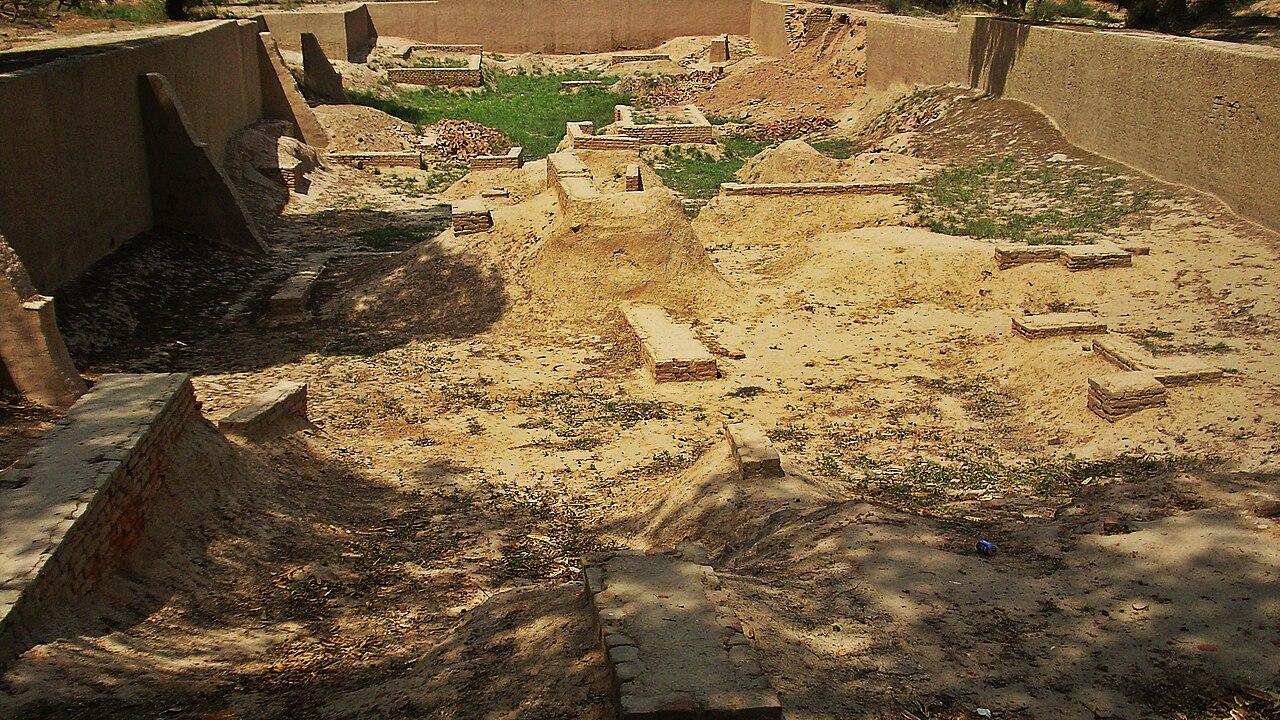
The first Indus city to be excavated, giving its name to the Harappan civilisation. A long occupation sequence from the Ravi phase to the Late Harappan period.
Mohenjo-daro
The largest excavated Indus city, laid out on a citadel mound and a lower town with baked-brick houses, wells, covered drains and the Great Bath.
Dholavira
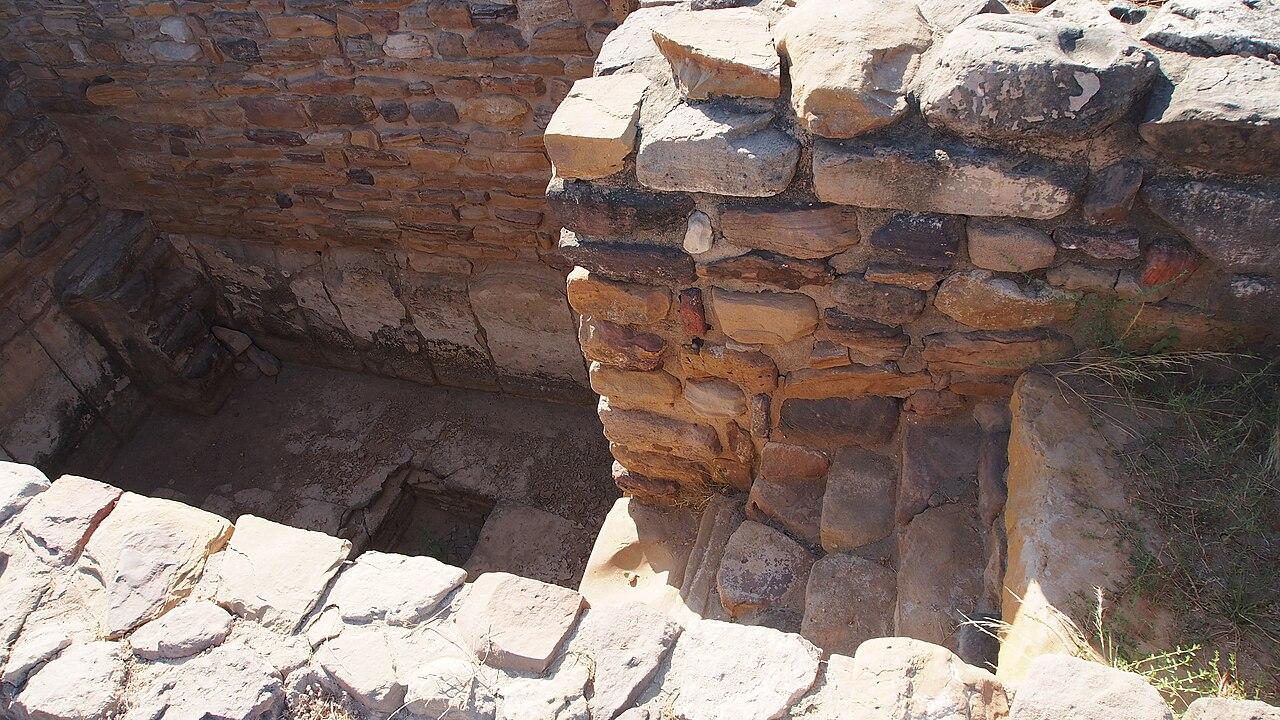
A walled Harappan city on Khadir Bet in the Rann of Kutch, notable for its stone architecture and a sophisticated system of reservoirs for capturing seasonal water.
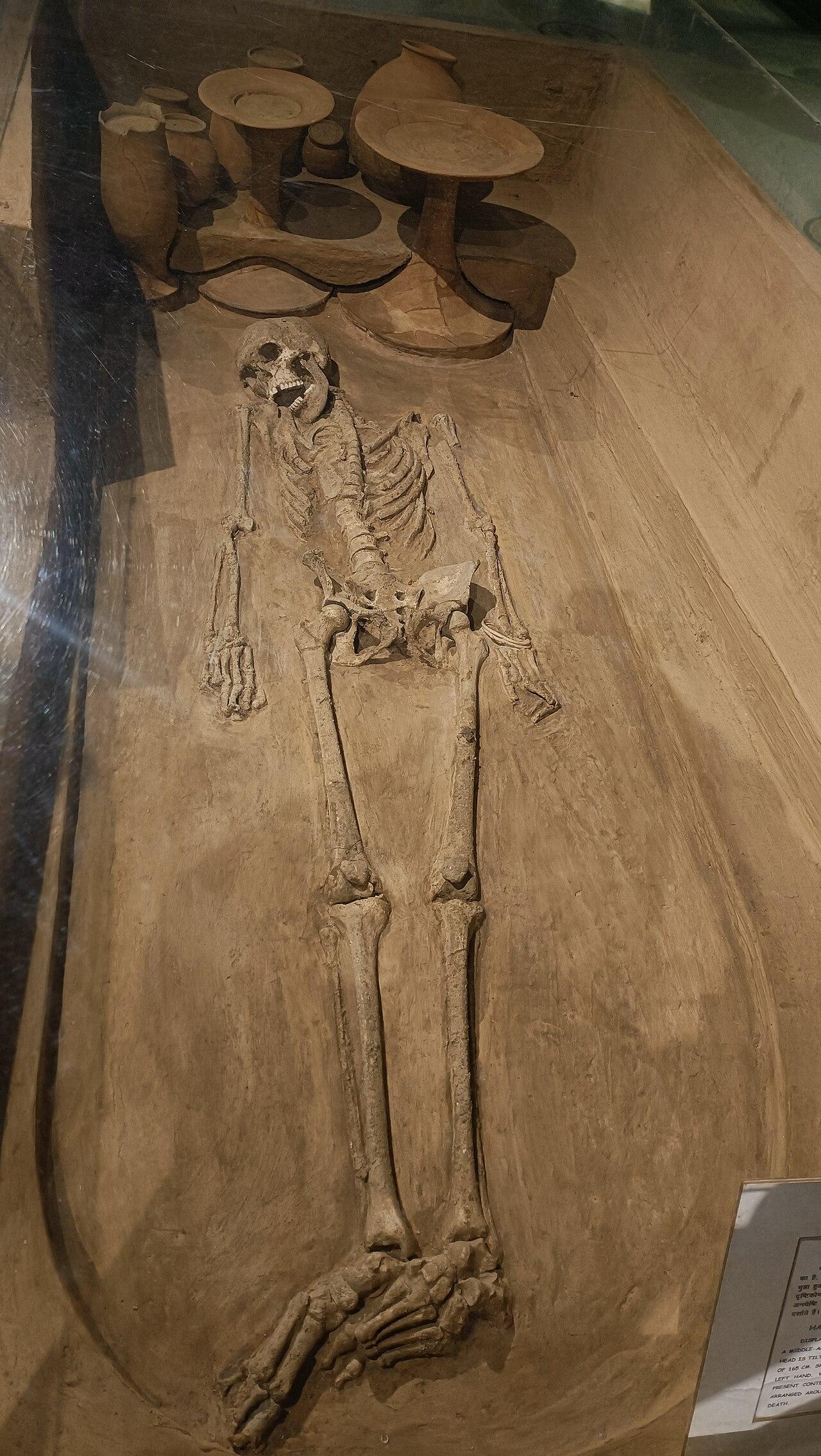
Rakhigarhi
One of the largest Harappan settlements, in the Ghaggar basin of Haryana. Its cemetery produced the first published ancient genome from an Indus-associated individual.
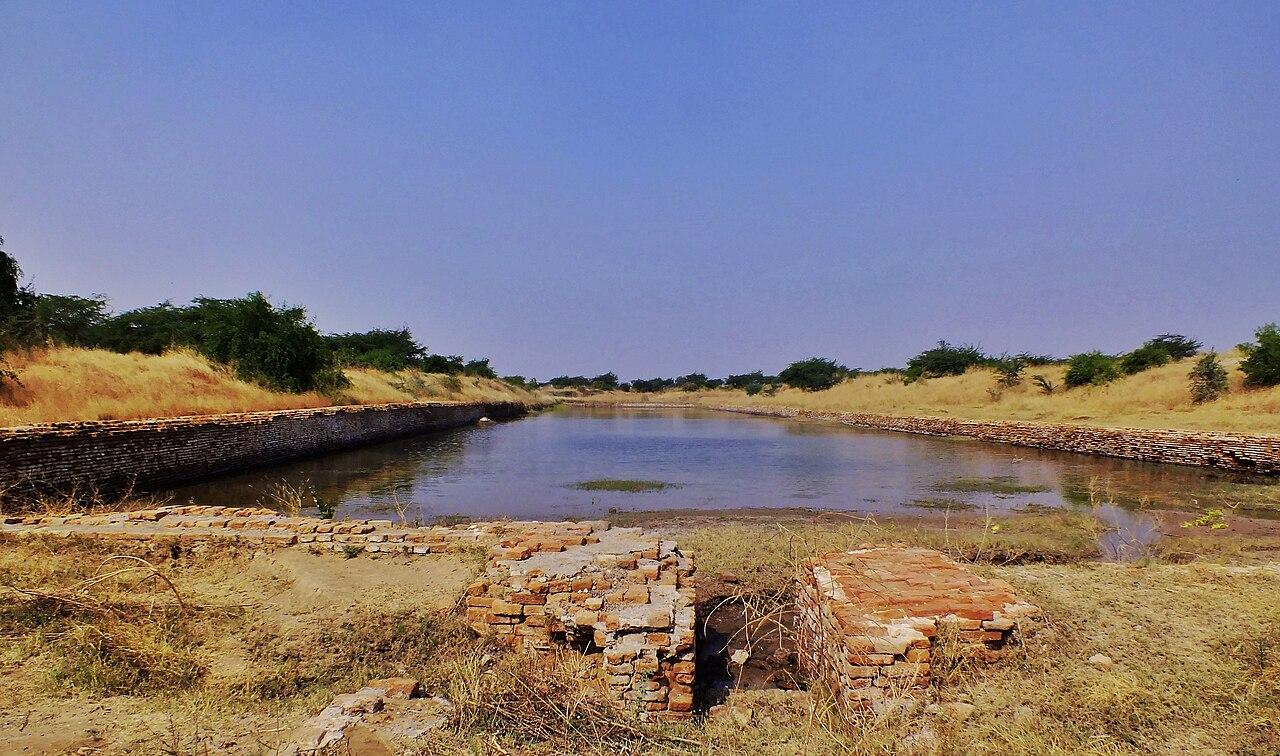
Lothal
A small Harappan town near the Gulf of Khambhat with a bead-making quarter and a large brick basin interpreted by its excavator as a dockyard.
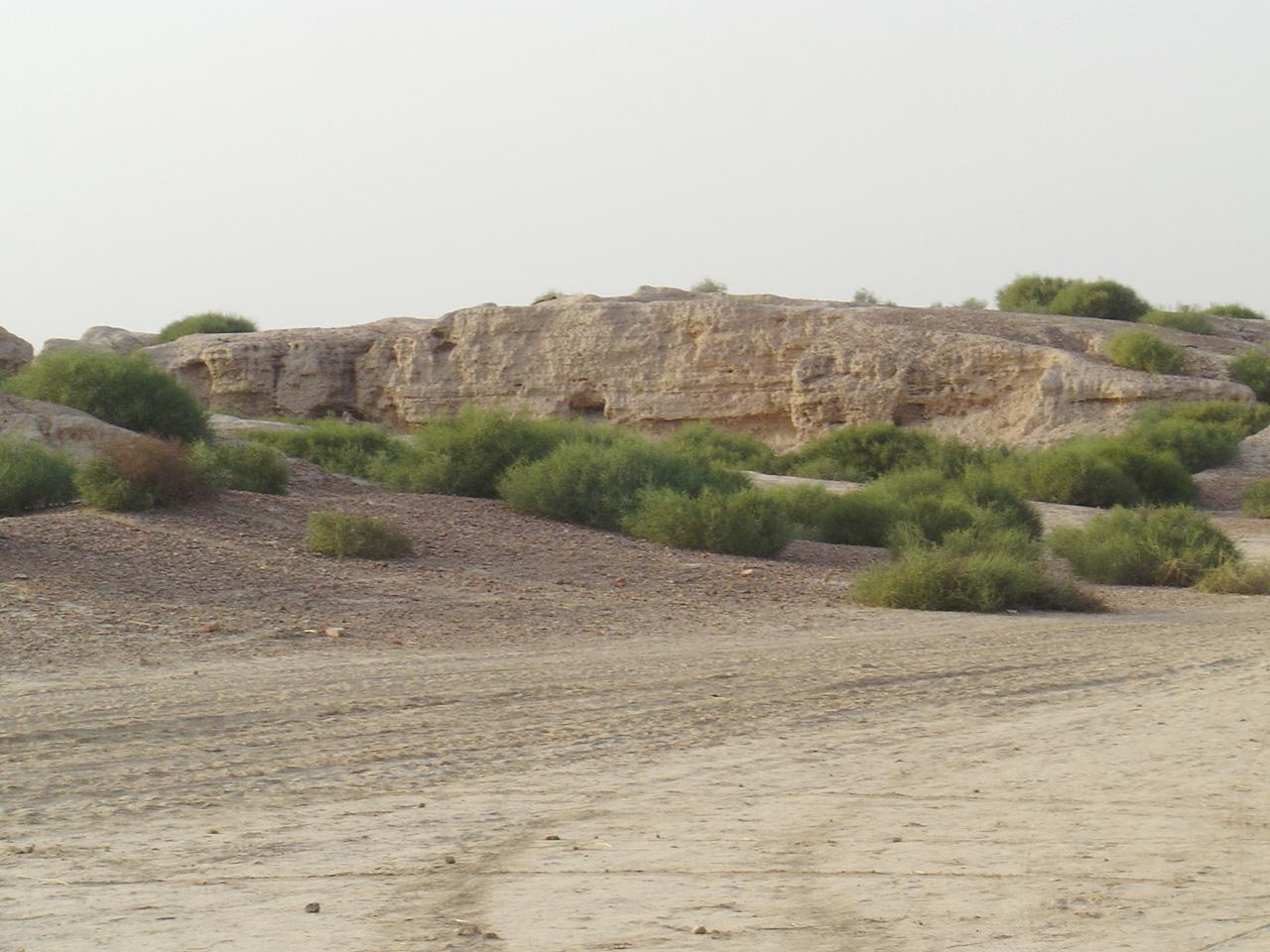
Kalibangan
A Harappan town on the dry bed of the Ghaggar with an Early Harappan settlement beneath it, including a ploughed field surface.
Shortughai
A Harappan settlement far to the north, near the Amu Darya — usually interpreted as a trading outpost linked to lapis lazuli sources in Badakhshan.
Atranjikhera
A multi-period mound in the upper Ganga plain whose Painted Grey Ware levels yielded early iron objects and were central to debates on the beginnings of iron in north India.
Kausambi
Capital of the Vatsa mahajanapada, with massive earthen and brick ramparts.
Pataliputra
Capital of Magadha from the late 5th or 4th century BCE and of the Mauryan Empire. Its remains lie beneath modern Patna.
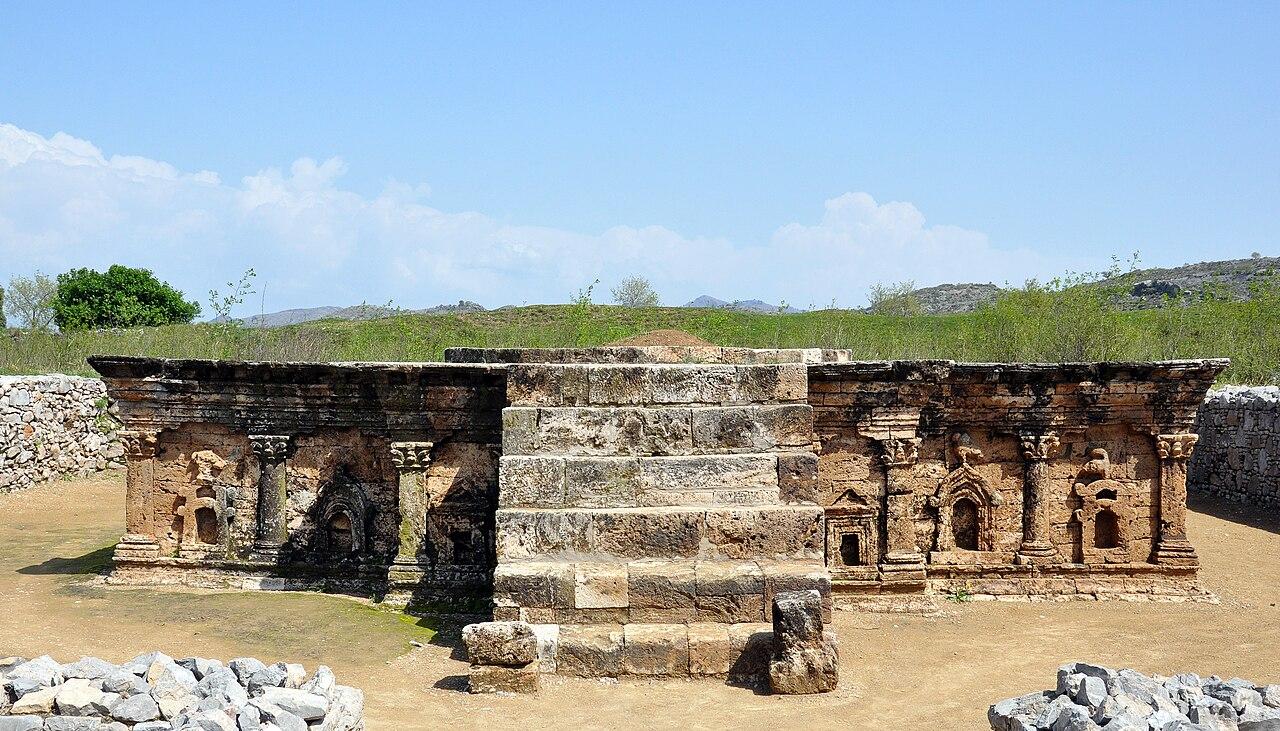
Taxila
A cluster of cities and Buddhist monasteries at the crossroads of South and Central Asia, successively under Achaemenid, Mauryan, Indo-Greek, Saka-Parthian and Kushan rule.
Arikamedu
A coastal settlement on the Ariyankuppam river where Mediterranean pottery and amphorae document trade with the Roman world, alongside a long-lived local bead industry.
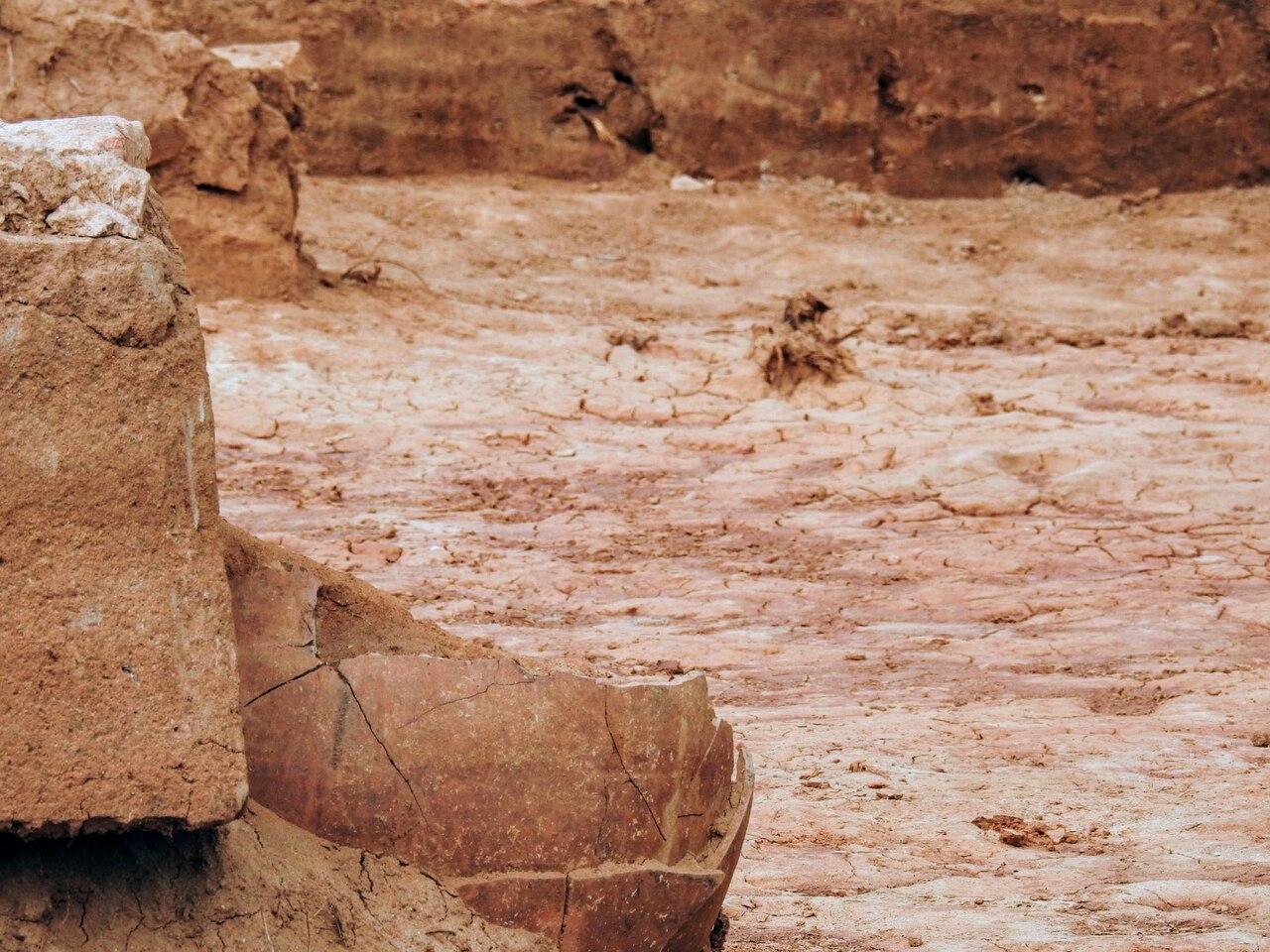
Keeladi
An Early Historic urban settlement on the Vaigai with brick structures, ring wells and potsherds inscribed in Tamil-Brahmi.
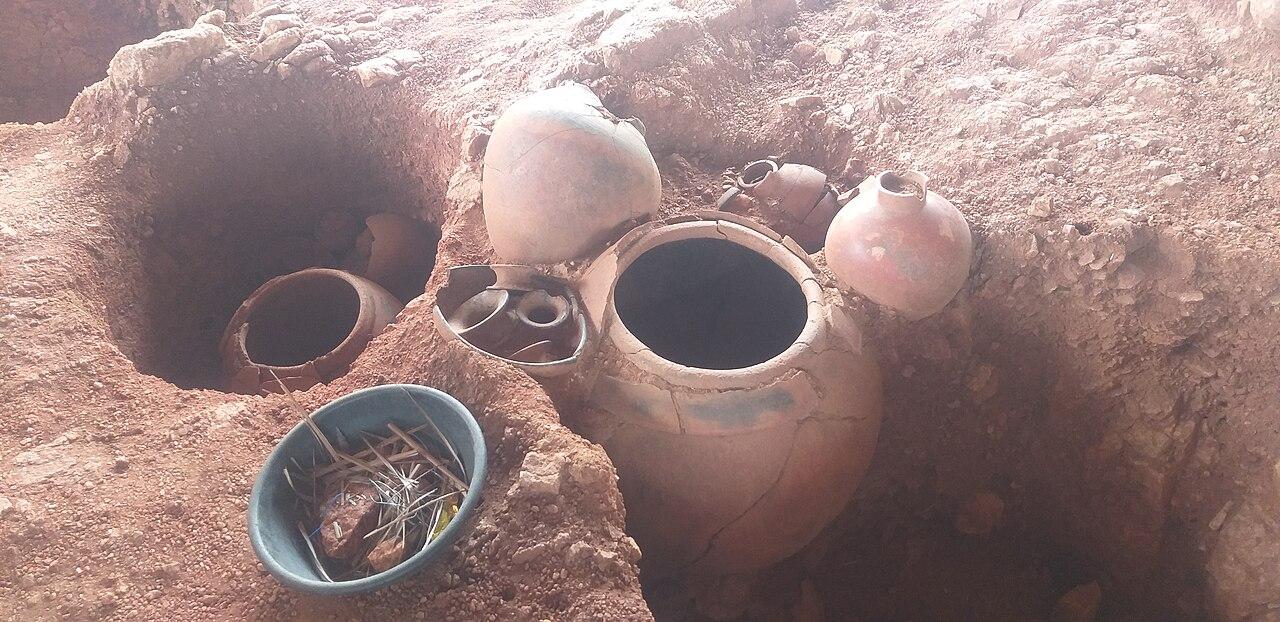
Adichanallur
An extensive urn-burial site on the Tamirabarani river with iron objects, bronze and pottery.
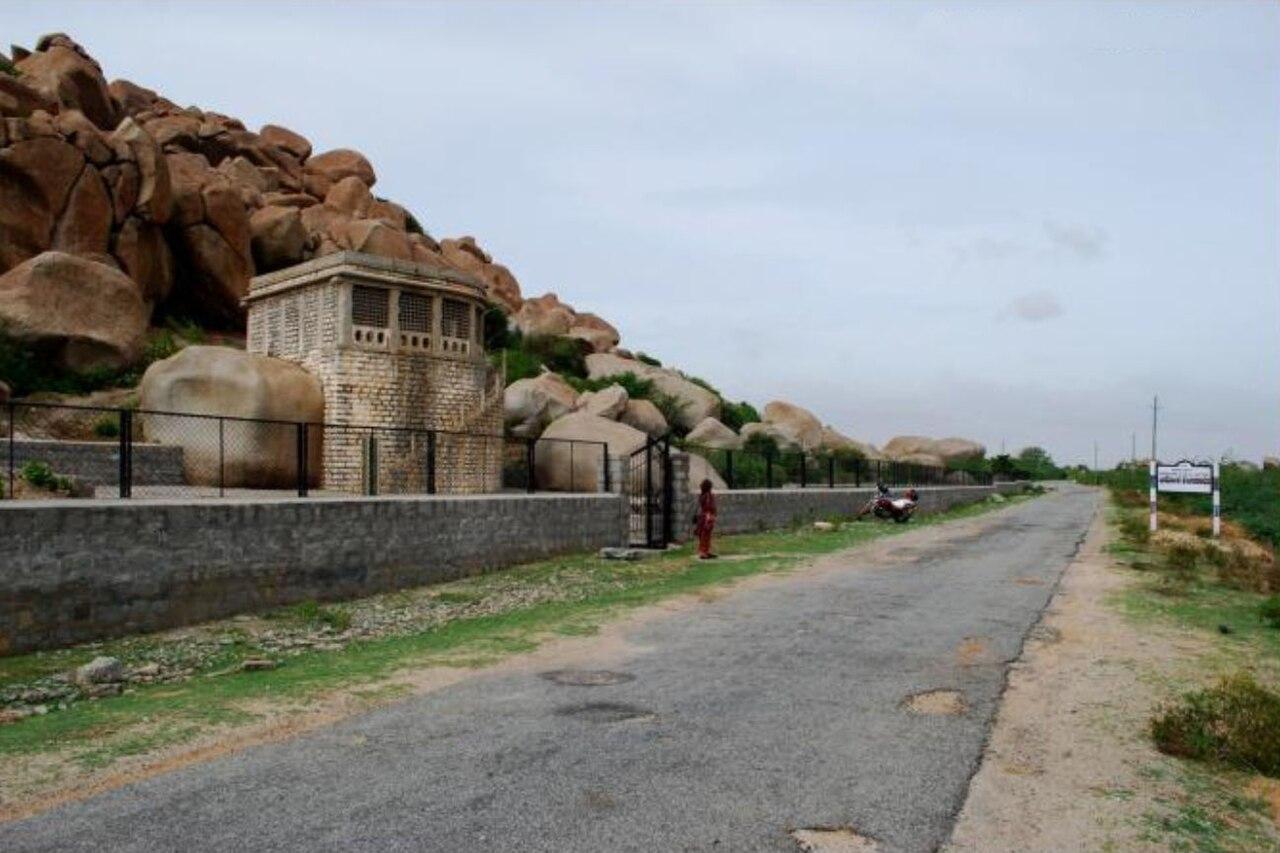
Brahmagiri
A site in Karnataka with an Ashokan minor rock edict and a stratified sequence — Neolithic-Chalcolithic, Megalithic and Early Historic — established by Wheeler's 1947 excavation.
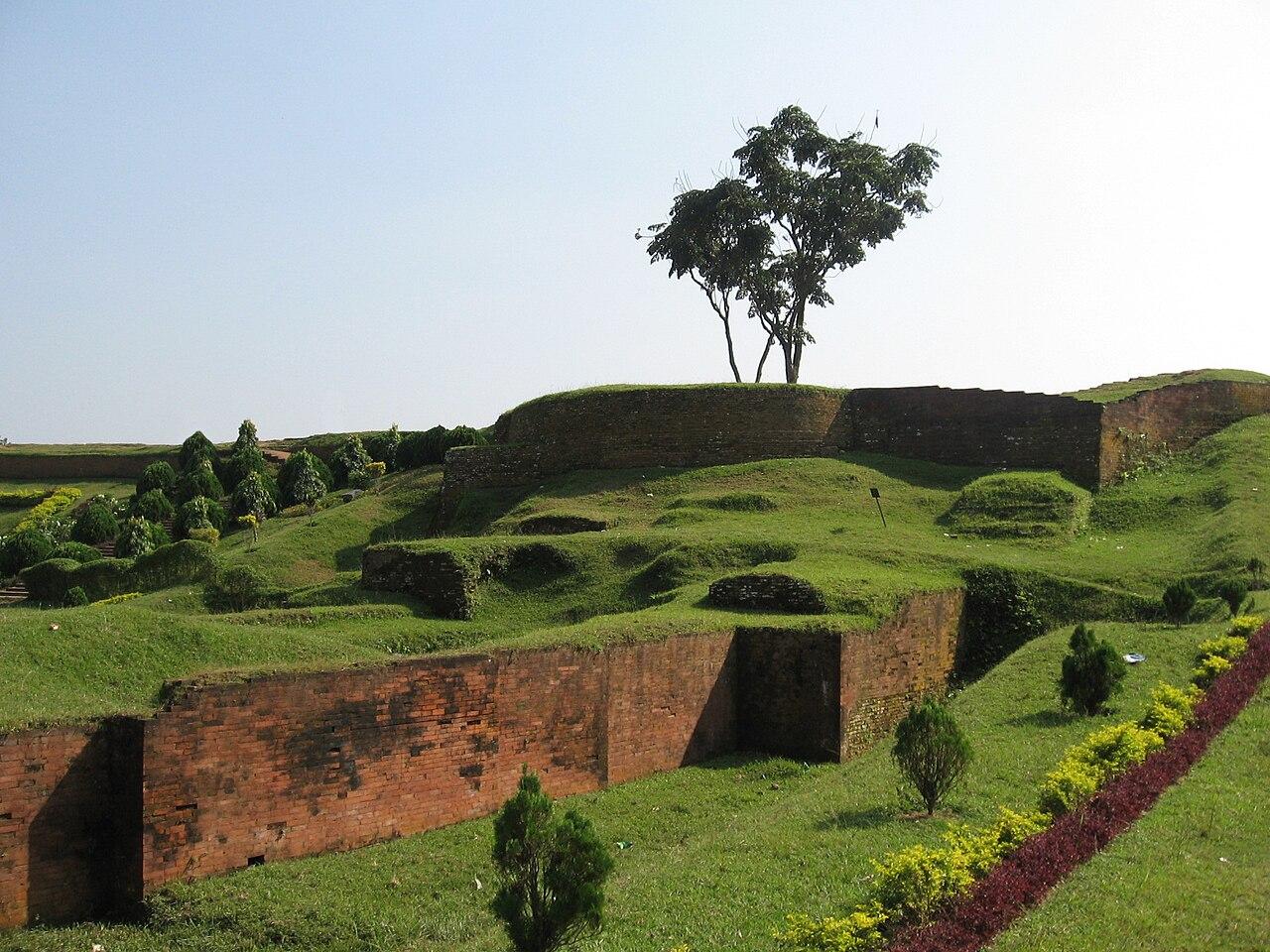
Mahasthangarh
A fortified early historic city in northern Bangladesh, identified with Pundranagara. A Brahmi inscription found here is often attributed to the Mauryan period.
Sarai Nahar Rai
A Mesolithic camp on an ox-bow lake in the Ganga plain with some of the earliest human burials known from South Asia — a key site for the foragers who lived in the region before farming.
Mahadaha
A Mesolithic lakeside site near Sarai Nahar Rai with numerous human burials, hearths and a butchering area.
Damdama
A Mesolithic settlement in the same lake district with dozens of human burials, some of them double burials.
Chopani-Mando
A site in the Belan valley with a long Epipalaeolithic-to-Mesolithic sequence, including round hut floors and early pottery whose dating is debated.
Hire Benakal
One of the largest megalithic necropolises in South India, with hundreds of dolmens, cists and other stone monuments on a granite hill.
Kodumanal
An Iron Age industrial village on the Noyyal with iron-smelting, gemstone (beryl and quartz) working, megalithic cist burials and Tamil-Brahmi inscribed sherds.
Porunthal
A habitation-cum-burial site in the Palani hills where a grave contained a jar of rice; AMS dates on associated material have been used to argue for an early date for Tamil-Brahmi.
Sivagalai
An urn-burial and habitation complex on the Tamirabarani near Adichanallur. A 2025 state report published very early radiometric dates for iron here, which await independent scrutiny.
Junapani
A field of megalithic stone circles near Nagpur, part of the Vidarbha megalithic tradition known for horse ornaments and iron.
Porkalam
A Kerala Iron Age site with a rock-cut burial cave and stone monuments typical of the region's distinctive megaliths — umbrella stones and hood stones.
Konthagai
The burial ground of the Keeladi cluster: a field of urn burials, some with skeletal remains suitable for scientific study, excavated with Keeladi since 2020.
Agaram
A habitation site within the Keeladi cluster with ring wells, terracotta and bead finds.
Manalur
A site of the Keeladi cluster on the Vaigai, investigated for industrial activity including furnaces.
Fa-Hien Lena
A large rainforest cave in south-western Sri Lanka with evidence of Homo sapiens from around 48,000 years ago, including specialised hunting of monkeys and squirrels.
Batadomba-lena
A rock shelter whose human remains and food debris document modern humans living from tropical rainforest resources in the late Pleistocene.
Swat protohistoric graveyards
Cemeteries in the Swat valley of the late 2nd and early 1st millennia BCE whose individuals provided direct ancient-DNA evidence for steppe-related ancestry in South Asia.
Pirak
A settlement on the Kachi plain near Mehrgarh, occupied after the Indus cities declined, with early evidence of horses, camels and new crops such as rice and sorghum.
Sinauli (Sanauli)
A cemetery near Delhi where excavations from 2005 and 2018 found burials with copper objects, a wooden coffin decorated with copper, and the remains of solid-wheeled vehicles. Their interpretation is strongly debated.
Gonur Depe
A Bronze Age walled centre of the Bactria–Margiana Archaeological Complex (BMAC), where several individuals with Indus Periphery-related ancestry were found.
Kota Formation (Barapasaurus)
Early Jurassic rocks of the Pranhita–Godavari valley that yielded Barapasaurus tagorei, one of the earliest known sauropod dinosaurs, from several partial skeletons.
Jabalpur (Bara Simla hill)
The first dinosaur bones reported from India were found here in 1828 by William Sleeman; Richard Lydekker later named Titanosaurus indicus from Jabalpur material.
Rahioli (Balasinor dinosaur site)
Lameta Formation beds in Gujarat with abundant dinosaur eggs and the remains of Rajasaurus narmadensis, a horned abelisaurid predator.
Bagh–Kukshi titanosaur nesting grounds
Ninety-two nesting sites with 256 titanosaur eggs reported from the Lameta Formation of the lower Narmada valley — evidence of colonial nesting by giant sauropods.
Chorlakki (Pakicetus)
Early Eocene river deposits in northern Pakistan that yielded Pakicetus, a land-dwelling early whale relative.
Kalakot (Indohyus)
Eocene rocks in Jammu that yielded Indohyus, a small deer-like semi-aquatic mammal identified as the closest known relative of whales.
Potwar Plateau (Sivapithecus)
Miocene Siwalik deposits that produced the Sivapithecus face GSP 15000, which linked this ape to the orangutan lineage. The specimen is assigned to Sivapithecus indicus, a species dated to roughly 12.5–10.5 million years ago.
Masol (Quranwala zone)
Siwalik fossil beds where bovid bones with marks interpreted as butchery cut marks were dated to about 2.6 million years ago — a claim of very early hominin presence that is strongly debated.
Riwat
A site in the Soan valley where flaked quartzite pieces were reported from deposits dated to about 1.9–2 million years ago — another debated early-tool claim.
Isampur
An Acheulian quarry-workshop in the Hunsgi valley where handaxe makers exploited limestone blocks, dated to about 1.2 million years ago.
Hathnora (Narmada hominin)
Where Arun Sonakia of the Geological Survey of India found a fossil human skull cap in Narmada valley gravels in 1982 — the only fossil cranium of an archaic (pre-modern) human yet found in South Asia.
Jwalapuram
Sites in the Jurreru valley where Middle Palaeolithic tools lie both below and above the ash of the Toba super-eruption (c. 74,000 years ago), suggesting people persisted through it.
Dhaba
A site in the Middle Son valley with a stone-tool sequence spanning about 80,000 to 65,000 years ago, across the Toba eruption.
Sisupalgarh
Square walled city with eight evenly spaced gateways, one of the most regularly planned early historic towns in South Asia. B. B. Lal excavated it in 1948; work resumed in 2005.
Chandraketugarh
Early historic town in the Ganga delta, known for finely moulded terracotta plaques. It is sometimes linked with the port of Gange named by Greek and Roman writers; that identification is not settled.
Kaveripattinam (Puhar)
Chola port at the mouth of the Kaveri, praised in the Pattinappalai and the Silappadikaram. Excavation has found a brick wharf and the remains of a Buddhist monastery.
Heliodorus pillar, Besnagar
Stone pillar set up in honour of Vasudeva by Heliodorus of Taxila, son of Dion, ambassador of the Indo-Greek king Antialkidas to king Bhagabhadra. Heliodorus calls himself a Bhagavata. It is early dated evidence for the worship of Vasudeva-Krishna.
Land link between India and Sri Lanka
The sea between India and Sri Lanka is shallow; Adam's Bridge is a chain of shoals only a few metres deep. While sea level stood lower in the last ice age, the two were one landmass. In the coastline model used on this atlas, the link is cut once the sea rises to between about 10 and 5 metres below today, which the sea-level curve places roughly 8,000 to 6,500 years ago.
The Sutlej leaves the Ghaggar-Hakra
The dry Ghaggar-Hakra channel was once a course of the Sutlej. Dating of its sands shows the Sutlej had shifted away shortly after about 8,000 years ago, long before the Harappan towns along it were built. Those towns grew along an abandoned Himalayan river valley, not beside an active Himalayan river.
The Kosi swings west across its fan
The Kosi, coming down from Nepal onto the plains of north Bihar, shifted its main channel about 110 kilometres westward across its sediment fan between the 18th and mid-20th centuries. Later work argues this was a series of sudden jumps rather than a steady one-way migration. Embankments built from the 1950s now confine it; a breach in August 2008 caused severe floods.
The Ganga moves east into the Padma
Between the 13th and 17th centuries, and decisively in the late 16th, the main flow of the Ganga moved from the Bhagirathi-Hugli channels in the west of the delta to the Padma in the east. Western channels silted up, the old port of Satgaon declined, and new land opened for farming in eastern Bengal.
Persons · 6
Alexander Cunningham
British army engineer who became the first Archaeological Surveyor of India in 1861 and identified many Buddhist sites using Chinese pilgrims' accounts.
John Marshall
Director-General of the Archaeological Survey of India (1902–1928) who announced the discovery of the Indus civilisation in 1924.
Rakhal Das Banerji
Archaeologist who began excavations at Mohenjo-daro in 1922.
Daya Ram Sahni
Archaeologist who directed the first excavations at Harappa in 1920–21, and later became Director-General of the ASI.
R. E. Mortimer Wheeler
Director-General of the ASI (1944–48) who introduced stratigraphic excavation methods and excavated Arikamedu, Brahmagiri and Harappa.
Vishnu Shridhar Wakankar
Archaeologist who brought the rock shelters of Bhimbetka to scholarly attention in 1957.