Subject
Kingdoms and Empires
Political entities of every form, not only kingdoms.
188 connected entries
Articles · 1
Politys · 162
Kuru
A polity of the later Vedic period in the upper Ganga–Yamuna region, which later Vedic texts associate with the codification of ritual and early forms of kingship.
Panchala
A janapada east of the Kurus in the Ganga–Yamuna doab, later divided into northern and southern Panchala.
Kosala
A powerful kingdom of the middle Ganga plain in the age of the Buddha, eventually absorbed by Magadha.
Magadha
The kingdom of south Bihar that expanded, through conquest and alliance, to become the core of successive Nanda and Mauryan empires.
Avanti
A mahajanapada of the Malwa plateau, controlling routes between the Ganga valley, the western coast and the Deccan.
Vajji (Vrijji) Confederacy
A gana-sangha — a polity governed by an assembly of clan heads rather than a hereditary monarch — centred on Vaishali, with the Licchavis as its leading clan.
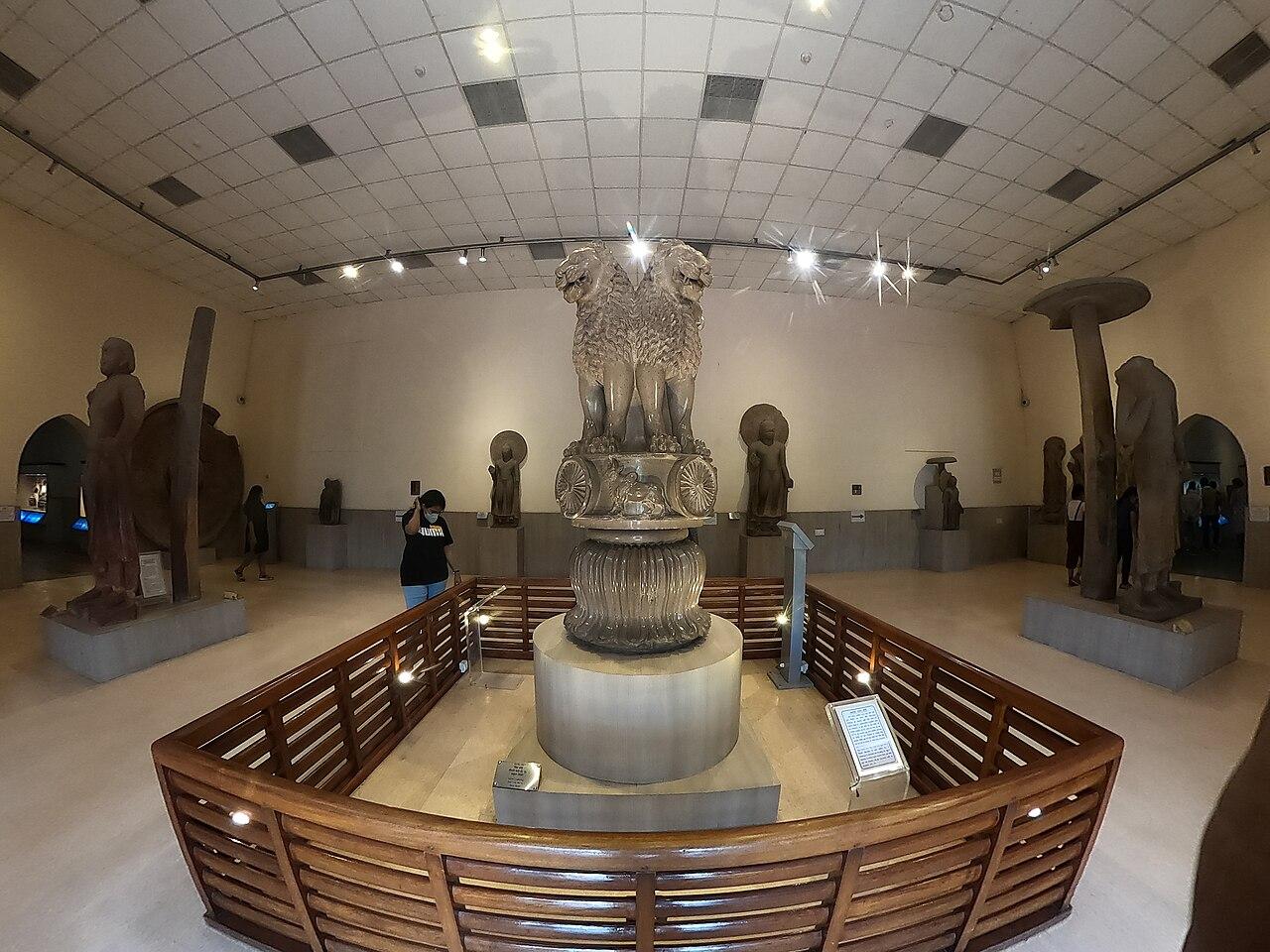
Mauryan Empire
An empire centred on Pataliputra that, under Ashoka, extended from Afghanistan to the Deccan. It left the subcontinent's earliest securely dated inscriptions.
Shunga Dynasty
The dynasty that succeeded the Mauryas in the Ganga valley and central India, founded by Pushyamitra.
Satavahana Dynasty
A Deccan dynasty whose inscriptions, coins and patronage of Buddhist sites mark the political consolidation of the peninsula between the Narmada and the Krishna.
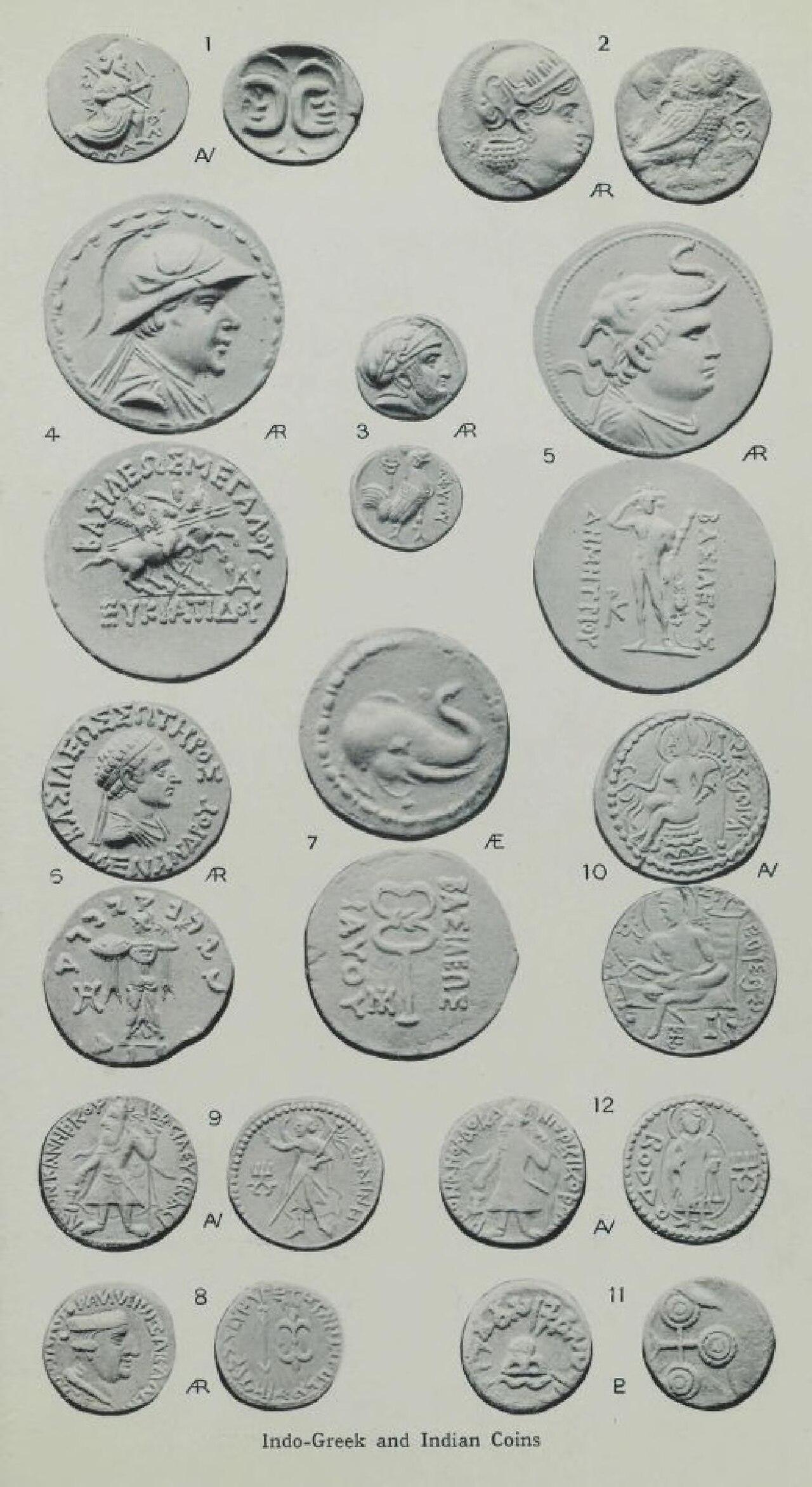
Indo-Greek Kingdoms
Kingdoms ruled by Greek-speaking dynasties from Bactria and the northwest, known largely from bilingual coins in Greek and Kharoshthi.
Kushan Empire
An empire of Central Asian origin that controlled Bactria, Gandhara and the Ganga plain, linking the Silk Road with Indian trade networks.
Early Cholas
One of the three crowned lineages (muvendar) of early Tamilakam, associated with the Kaveri delta in Sangam literature.
Early Pandyas
The southernmost of the muvendar, centred on Madurai; a Pandya king is named in Tamil-Brahmi inscriptions at Mangulam.
Early Cheras
The muvendar lineage of the western coast, associated with the pepper trade through ports such as Muziris.
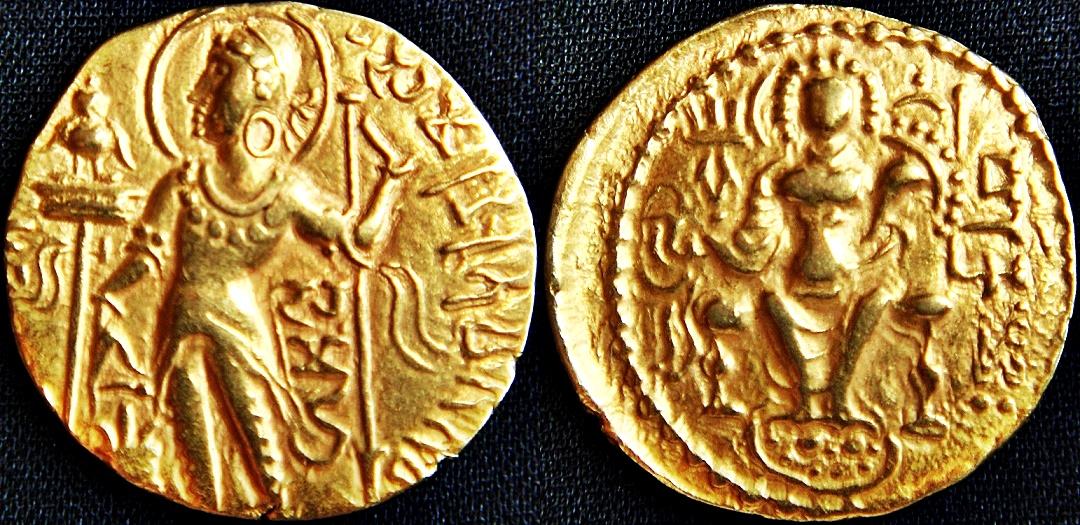
Gupta Empire
A dynasty of the Ganga valley whose kings, through conquest, tribute and marriage alliance, dominated north India from the 4th to the 6th century CE.
Imperial Cholas
A Tamil dynasty that from the 9th century built a powerful state in the Kaveri delta, with naval expeditions to Sri Lanka and Southeast Asia.
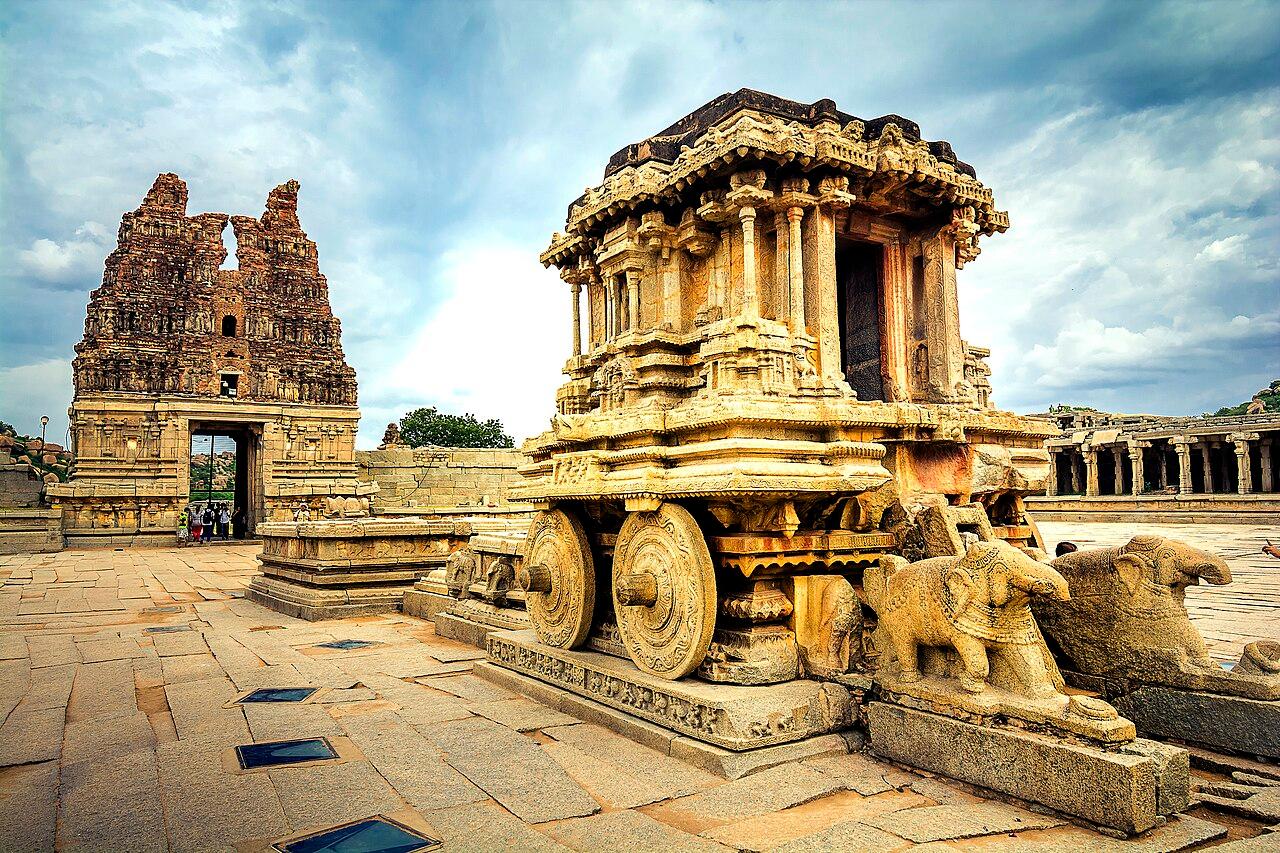
Vijayanagara Empire
A south Indian empire founded in 1336, with its capital at Hampi, that dominated the peninsula until its defeat in 1565.
Delhi Sultanate
A succession of five dynasties ruling from Delhi between 1206 and 1526.
Mughal Empire
Founded by Babur after the first battle of Panipat in 1526; at its height under Akbar and Aurangzeb it ruled most of the subcontinent.
Gandhara
A mahajanapada of the Peshawar valley and Taxila region, later an Achaemenid province before Alexander's campaign.
Kashi
A mahajanapada centred on Varanasi, absorbed by Kosala and then Magadha.
Vatsa
A mahajanapada with its capital at Kausambi, known for its massive ramparts.
Anga
A mahajanapada east of Magadha, centred on Champa near modern Bhagalpur, annexed by Magadha under Bimbisara according to tradition.
Malla
A gana-sangha whose territory included Kushinagara, where Buddhist tradition places the Buddha's death.
Shakya
The gana-sangha into which the Buddha was born, according to Buddhist tradition. The location of its town Kapilavastu is debated between Tilaurakot (Nepal) and Piprahwa (India).
Surasena
A mahajanapada centred on Mathura.
Matsya
A mahajanapada with its centre at Viratanagara (Bairat), later the site of an Ashokan edict.
Assaka (Ashmaka)
The only mahajanapada placed south of the Vindhyas in Buddhist lists. Its centre is uncertain; Bodhan in Telangana is one proposed location.
Mahameghavahana (Kharavela of Kalinga)
A Kalinga dynasty best known from the Hathigumpha inscription of Kharavela, a Jain-patronising king whose date is debated.
Western Kshatrapas
Saka rulers of western India, rivals of the Satavahanas, whose Rudradaman I left the Junagadh inscription. Their rule ended with the Gupta conquest of the west.
Ikshvakus of Vijayapuri
Successors of the Satavahanas in Andhra whose capital Vijayapuri, at Nagarjunakonda, held major Buddhist monasteries.
Vakataka
A Deccan dynasty allied by marriage to the Guptas; a Vakataka minister's inscription is in Ajanta Cave 16, and the later Ajanta caves are usually dated to the reign of Harishena.
Kadambas of Banavasi
Early Karnataka dynasty whose Halmidi inscription is often cited as the oldest Kannada inscription; later overtaken by the Chalukyas of Badami.
Western Gangas of Talakad
A long-lived dynasty of southern Karnataka, frequently subordinate to larger neighbours; its minister Chavundaraya commissioned the Gommateshvara colossus at Shravanabelagola.
Pallavas
A dynasty of Kanchipuram whose rock-cut and structural temples at Mamallapuram and Kanchi are landmarks of early Dravidian architecture.
Chalukyas of Badami
A Deccan power whose Pulakeshin II checked Harsha on the Narmada; temples at Aihole, Badami and Pattadakal mix northern and southern styles.
Eastern Chalukyas of Vengi
A branch of the Badami Chalukyas that ruled Vengi for over four centuries, tied by marriage to the Cholas until the two lines merged under Kulottunga I.
Maitrakas of Valabhi
A Gujarat dynasty whose capital Valabhi was a noted centre of learning, recorded by Xuanzang.
Pushyabhutis (Harsha)
The dynasty of Harshavardhana (r. 606–647), who ruled from Kannauj; known from Banabhatta's Harshacharita, Xuanzang's account and inscriptions.
Kamarupa
The early historic kingdom of Assam under the Varman, Mlechchha and Pala dynasties of Kamarupa, recorded in copper-plate grants and by Xuanzang.
Licchavis of Nepal
Rulers of the Kathmandu valley whose Sanskrit inscriptions begin with Manadeva's pillar at Changu Narayan (464 CE).
Anuradhapura Kingdom
The first great Sri Lankan kingdom, centred on Anuradhapura, whose history is recorded in the Pali chronicles (Dipavamsa, Mahavamsa) and in Brahmi inscriptions. Its early dates follow the chronicles' chronology.
Karkota dynasty of Kashmir
Kashmiri dynasty of Lalitaditya Muktapida, builder of the Martand sun temple and Parihasapura, known chiefly from Kalhana's Rajatarangini.
Utpala and Lohara dynasties of Kashmir
Successive Kashmiri dynasties from Avantivarman, founder of Avantipura, to the establishment of the Shah Mir sultanate.
Pala Empire
A Buddhist-patronising dynasty of eastern India, patrons of Nalanda, Vikramashila and Somapura, which at its height contested Kannauj with the Pratiharas and Rashtrakutas.
Gurjara-Pratiharas
A dynasty that ruled from Kannauj in the 9th–10th centuries and was one of the three powers in the 'tripartite struggle' for the Ganga valley.
Rashtrakutas of Manyakheta
A Deccan empire that displaced the Badami Chalukyas; Krishna I is credited with the monolithic Kailasa temple at Ellora.
Western Chalukyas of Kalyani
A revived Chalukya line that fought the Cholas for the Deccan; its feudatories included the Hoysalas, Kakatiyas and Yadavas, who all later became independent.
Chera Perumals of Mahodayapuram
Rulers of Kerala known from copper plates such as the Tharisapalli grant (849 CE) from Kollam.
Hindu Shahis
Rulers of Kabul and Gandhara, later of the Punjab from Udabhandapura, defeated by the Ghaznavids in the early 11th century.
Ghaznavids (in the Punjab)
A Turkic dynasty of Ghazni whose raids under Mahmud reached Somnath; after losing Ghazni, its last rulers held Lahore until 1186.
Eastern Gangas
Rulers of Kalinga whose Anantavarman Chodaganga began the Jagannatha temple at Puri; Narasimhadeva I built the Konark sun temple in the 13th century.
Chandelas of Jejakabhukti
Builders of the temples of Khajuraho, ruling from strong forts at Kalinjar and Mahoba.
Paramaras of Malwa
A Malwa dynasty whose best-known ruler, Bhoja (r. c. 1010–1055), was famed as a patron and author.
Chahamanas of Shakambhari
A Rajasthan dynasty whose last major ruler, Prithviraja III, was defeated at the second battle of Tarain in 1192.
Chaulukyas of Gujarat
Rulers of Gujarat from Anahilapataka, patrons of the Modhera sun temple and the Rani-ki-Vav stepwell; Mahmud of Ghazni sacked Somnath in their time.
Kalachuris of Tripuri
A dynasty of central India ruling near Jabalpur; the Chausath Yogini temple at Bheraghat dates to their time.
Gahadavalas
Rulers of Kannauj and Varanasi in the 12th century, ended by the Ghurid conquest.
Senas of Bengal
Successors of the Palas in Bengal, displaced from western Bengal by Bakhtiyar Khalji around 1204 but surviving in the east for a few decades.
Polonnaruwa Kingdom
After Vijayabahu I expelled the Cholas, Polonnaruwa became Sri Lanka's capital; Parakramabahu I (r. 1153–1186) built its great reservoirs and monuments.
Hoysalas
A Karnataka dynasty, at first feudatories of the Kalyani Chalukyas, whose star-shaped temples at Belur, Halebidu and Somanathapura are UNESCO-listed.
Kakatiyas
An Andhra dynasty ruling from Orugallu (Warangal); Rudramadevi was one of the few women to rule in her own name. Their kingdom fell to the Delhi Sultanate in 1323.
Recherla Nayakas (Kakatiya period)
A warrior lineage serving the Kakatiyas as generals and subordinate rulers. Recherla Rudra built the Ramappa (Rudreshwara) temple at Palampet in 1213 CE.
Padmanayakas (Recherla Velamas) of Rachakonda
Nayaka rulers who emerged after the fall of the Kakatiyas, governing from the hill forts of Rachakonda and Devarakonda between the Bahmani and Vijayanagara powers.
Musunuri Nayakas
Nayaka chiefs who drove the Delhi Sultanate out of Warangal after 1323 and held it until the Bahmanis and Padmanayakas overcame them.
Reddi kingdom
A post-Kakatiya kingdom ruling from Addanki and Kondavidu, later Rajahmundry, eventually absorbed by the Gajapatis.
Yadavas (Seunas) of Devagiri
A Deccan dynasty ruling from the fortress of Devagiri, which became the Delhi Sultanate's Daulatabad.
Later Pandyas
A Pandya revival that, under Jatavarman Sundara Pandya (r. 1251–1268), became the leading power of the south; Marco Polo described their port Kayal.
Bahmani Sultanate
A Deccan sultanate founded in revolt against the Tughluqs, ruling from Gulbarga and then Bidar; it fragmented into the five Deccan sultanates.
Gajapatis of Odisha
A dynasty founded by Kapilendra Deva that pushed down the eastern coast as far as the Krishna and beyond for a time.
Bengal Sultanate
An independent sultanate whose brick mosques at Pandua, Gaur and Bagerhat define a distinctive Bengali architecture.
Gujarat Sultanate
A rich maritime sultanate that founded Ahmedabad in 1411 and was annexed by Akbar in 1573.
Malwa Sultanate
A central Indian sultanate ruling from the plateau fortress of Mandu.
Jaunpur Sultanate
The Sharqi sultanate of Jaunpur, known for its monumental Atala mosque, ended by the Lodis.
Kashmir Sultanate
The Shah Mir and Chak dynasties of Kashmir, until annexation by Akbar.
Mewar (Sisodia Ranas)
A Rajput kingdom ruled from Chittor and later Udaipur; Rana Kumbha built Kumbhalgarh, and Mewar resisted Mughal overlordship until 1615.
Marwar (Rathores of Jodhpur)
A Rajput kingdom whose capital Jodhpur was founded by Rao Jodha in 1459.
Ahom Kingdom
Founded by Sukaphaa in 1228, the Ahom state ruled the Brahmaputra valley for six centuries, resisted Mughal expansion (Saraighat, 1671) and kept court chronicles called buranjis.
Jaffna Kingdom
A Tamil kingdom of the Jaffna peninsula under the Aryacakravarti rulers, annexed by the Portuguese in 1619.
Dambadeniya to Gampola kingdoms
After the fall of Polonnaruwa the Sinhala capital moved south-west in stages: Dambadeniya, Yapahuwa, Kurunegala and Gampola.
Kingdom of Kotte
The lowland Sinhala kingdom that met the Portuguese in 1505 and was absorbed by them in 1597.
Kingdom of Kandy
The highland kingdom that outlasted Portuguese and Dutch coastal rule and fell to the British in 1815.
Ahmadnagar Sultanate (Nizam Shahis)
One of the five Deccan successor states of the Bahmanis, finally absorbed by the Mughals.
Bijapur Sultanate (Adil Shahis)
A Deccan sultanate whose Gol Gumbaz is among the largest domes of the pre-modern world; annexed by Aurangzeb in 1686.
Golconda Sultanate (Qutb Shahis)
A diamond-rich Deccan sultanate that founded Hyderabad in 1591; annexed by Aurangzeb in 1687.
Bidar Sultanate (Barid Shahis)
The smallest Bahmani successor, holding the old capital Bidar until Bijapur absorbed it.
Berar Sultanate (Imad Shahis)
A Bahmani successor in Berar, absorbed by Ahmadnagar in 1574.
Zamorins of Calicut
Rulers of the trading port of Calicut, where Vasco da Gama landed in 1498.
Keladi Nayakas (Ikkeri)
Former Vijayanagara subordinates who ruled the pepper-producing hills and coast of Karnataka until Hyder Ali took Bednur.
Nayakas of Madurai
Vijayanagara governors who became effectively independent; Tirumala Nayaka rebuilt much of the Meenakshi temple complex.
Nayakas of Thanjavur
A Vijayanagara successor state in the Kaveri delta, followed by a Maratha dynasty at Thanjavur.
Sur Empire
The Afghan empire of Sher Shah Sur, who drove Humayun out of India in 1540; his administrative and revenue reforms were continued by the Mughals.
Maratha Confederacy
From Shivaji's coronation in 1674 to the last Anglo-Maratha war, a Maratha state that became, under the Peshwas, a confederacy of houses — Scindia, Holkar, Gaekwad and Bhonsle — reaching Delhi, Bengal and the Punjab.
Sikh Empire
The state built by Ranjit Singh after he took Lahore in 1799, annexed by the British after the Anglo-Sikh wars.
Kingdom of Mysore
A Vijayanagara successor that, under Hyder Ali and Tipu Sultan, became a major military power until the fall of Srirangapatna in 1799.
Hyderabad (Asaf Jahi Nizams)
A Mughal successor state founded by Asaf Jah I; it became the largest princely state under British paramountcy.
Nawabs of Bengal
Mughal governors of Bengal who ruled autonomously from Murshidabad until Plassey.
Awadh (Nawabs)
A Mughal successor state ruled from Faizabad and Lucknow, annexed by the East India Company in 1856.
Travancore
A kingdom consolidated by Marthanda Varma, who defeated the Dutch at Colachel in 1741.
English East India Company (core presidencies)
From Plassey to the transfer of power to the Crown, the Company's three presidencies were the base from which it conquered most of the subcontinent.
Estado da Índia (Portuguese enclaves)
Portuguese holdings centred on Goa, taken from Bijapur in 1510, with Daman and Diu on the Gujarat coast.
Dutch Ceylon (VOC)
The Dutch East India Company held Sri Lanka's coastal belt after expelling the Portuguese, while Kandy remained independent.
French India
French trading settlements, chiefly Pondicherry, with Chandernagore in Bengal.
Indo-Scythians (Sakas)
Saka rulers who displaced the Indo-Greeks in Gandhara under Maues and later governed Mathura through satraps.
Indo-Parthians (Gondophares)
Parthian rulers of the northwest, best known from Gondophares and the Takht-i-Bahi inscription.
Yaudheya republic
A gana-sangha known from its coins and seals and named among the peoples who submitted to Samudragupta — a reminder that republics outlived the age of the Buddha.
Vishnukundinas
An Andhra dynasty, patrons of the Undavalli caves, displaced by the Eastern Chalukyas.
Alchon Huns (Hunas)
Central Asian rulers whose kings Toramana and Mihirakula left inscriptions at Eran and Gwalior; their incursions weakened the Gupta state.
Aulikaras of Dashapura
A Malwa dynasty whose Yashodharman claimed victory over the Huna Mihirakula in the Mandasor pillar inscriptions.
Gauda kingdom of Shashanka
Shashanka's kingdom of Gauda, rival of Harsha, ruled from Karnasuvarna.
Bhauma-Karas of Odisha
A dynasty of Odisha known from copper plates, patrons of both Buddhist and Brahmanical institutions.
Somavamshis of Odisha
Rulers of Odisha associated with the early temples of Bhubaneswar.
Arab Sindh (Umayyad–Abbasid province)
After Muhammad bin Qasim's conquest in 712, Sindh was a province of the caliphate, later ruled by local emirates at Mansura and Multan until the Ghaznavid period.
Shilaharas
Branches of the Shilahara family ruled the northern and southern Konkan and Kolhapur, often as feudatories of larger Deccan powers.
Kadambas of Goa
A coastal dynasty ruling from Chandor and then Gopakapattana, a busy port.
Ghurids (in India)
Muhammad of Ghur's campaigns took Lahore (1186), defeated Prithviraja at Tarain (1192) and reached Bihar and Bengal; his generals founded the Delhi Sultanate.
Kampili kingdom
A short-lived kingdom on the Tungabhadra destroyed by Muhammad bin Tughluq; its former officers are traditionally linked to the founding of Vijayanagara.
Madurai Sultanate
A sultanate founded by the Tughluq governor Jalaluddin Ahsan Khan, described by Ibn Battuta, and ended by Vijayanagara's Kumara Kampana.
Sambuvarayars of Padaividu
A chiefly lineage of the Palar valley that asserted independence after the Chola decline and was subdued by Vijayanagara's Kumara Kampana.
Venad
The southern Kerala kingdom centred on Kollam that emerged after the Chera Perumals and was reorganised as Travancore by Marthanda Varma.
Kingdom of Cochin (Perumpadappu)
A Kerala kingdom that allied with the Portuguese against the Zamorin and later came under Dutch and British influence.
Kolathunad
The northern Malabar kingdom of the Kolathiris, centred near Kannur.
Vanni chieftaincies
Semi-independent chiefs (vanniyar) of the dry zone between the Jaffna kingdom and the Sinhala kingdoms, finally subdued by the British.
Nayakas of Gingee
Vijayanagara Nayaka governors of the Gingee fortress, later taken by Bijapur and then the Marathas.
Samma Sultanate of Sindh
A Sindhi dynasty ruling from Thatta; its royal necropolis on the Makli hills is a World Heritage site.
Langah Sultanate of Multan
An independent sultanate of Multan between the Delhi Sultanate's decline and the Mughal conquest.
Khandesh (Farooqi Sultanate)
A sultanate of the Tapti valley whose fortress of Asirgarh fell to Akbar in 1601.
Garha–Mandla (Gond kingdom)
A Gond kingdom of the upper Narmada; its queen Rani Durgavati died resisting the Mughals in 1564.
Tripura (Manikya dynasty)
A kingdom of the Manikya rulers, chronicled in the Rajmala, that at times held much of eastern Bengal.
Manipur (Meitei kingdom)
The Meitei kingdom of the Imphal valley, recorded in the royal chronicle Cheitharol Kumbaba; it became a British protectorate after 1891.
Mrauk U (Arakan)
A coastal kingdom that held Chittagong for long periods and had close ties with the Bengal Sultanate.
Garhwal kingdom
A Himalayan kingdom of the upper Ganga, ruled from Srinagar (Garhwal) until the Gorkha conquest.
Kumaon (Chand dynasty)
The Chand kingdom of Kumaon, later ruled from Almora, conquered by the Gorkhas in 1790.
Kingdom of Nepal (Gorkha)
The kingdom unified by Prithvi Narayan Shah, who took the Kathmandu valley in 1768; it expanded across the central Himalaya until the Anglo-Nepalese war (1814–16).
Bundelas of Orchha
A Rajput dynasty whose capital Orchha preserves palaces and temples of the 16th–17th centuries.
Amber / Jaipur (Kachwahas)
A Rajput kingdom closely allied to the Mughals; Jai Singh II founded Jaipur in 1727 and built its observatories.
Bikaner
A Rathore kingdom of the Thar desert founded by Rao Bika in 1488.
Jaisalmer
A Bhati Rajput kingdom on desert caravan routes, ruled from the hill fort founded in 1156.
Nanda dynasty
Rulers of Magadha before the Mauryas, remembered in Indian and Greek accounts for a very large army and great wealth. Their own dates rest on later king-lists and are approximate; Chandragupta Maurya overthrew them around 321 BCE.
Kalinga
Coastal region between the Mahanadi and Godavari deltas. Ashoka's Thirteenth Rock Edict records its conquest in his eighth regnal year, about 261 BCE, and the suffering the war caused; the Mauryan administration then governed it from Tosali. Its political form before the conquest is poorly documented.
Greco-Bactrian Kingdom
Hellenistic kingdom north of the Hindu Kush that broke from the Seleucids in the mid-3rd century BCE. Its kings pushed south into Gandhara and the Punjab in the early 2nd century BCE, where the Indo-Greek kingdoms followed; Bactria itself fell to nomadic groups by about 130 BCE. The chronology is reconstructed largely from coins.
Kanva dynasty
Short-lived line that replaced the Shungas in Magadha. The Puranas give four kings and forty-five years; the dates are the conventional reckoning from those lists, and almost nothing else about the dynasty is independently attested.
Kidarites
A Hunnic group, named after a ruler Kidara, that took over former Kushan lands in Bactria and Gandhara and issued coins in the Kushan manner. Their chronology depends on coins and brief Chinese and Roman notices, and scholars place it differently.
Maukharis of Kanauj
Former Gupta subordinates who made Kanauj the leading city of the Ganga plain in the later 6th century. After the death of Grahavarman the kingdom passed to his brother-in-law Harsha of the Pushyabhutis.
Kanauj under Yashovarman
Yashovarman ruled Kanauj in the second quarter of the 8th century; the Prakrit poem Gaudavaho celebrates his campaigns. The Rajatarangini says he was defeated by Lalitaditya of Kashmir. Little is known of his successors.
Turk Shahis
Rulers of Kabul and Gandhara who held the passes against the early Arab advance for some two centuries. They were supplanted in the 9th century by the line known as the Hindu Shahis. Their dates come from coins and Arabic and Chinese notices and are approximate.
Pandyas of Madurai (early medieval)
The Pandya line revived under Kadungon around the end of the 6th century and contested the far south with the Pallavas and Cheras. Parantaka I Chola took Madurai in the early 10th century, and Pandya country stayed under Chola control until the 13th-century revival.
Chandras of eastern Bengal
Buddhist dynasty of south-eastern Bengal, known from copper-plate grants issued from Vikramapura. The Chola inscription describing Rajendra I's northern expedition names Govindachandra among the rulers it defeated.
Malla kingdoms of the Kathmandu valley
The Mallas ruled the Nepal valley from about 1200. After the late 15th century the valley was divided among three courts at Kathmandu, Patan and Bhaktapur, whose rivalry produced the palace squares that survive today. Prithvi Narayan Shah of Gorkha conquered all three in 1768–69.
Timurid Empire
Founded by Timur from Samarkand. His invasion of 1398 sacked Delhi and broke the Tughluq sultanate. His descendants ruled from Samarkand and Herat until the Uzbeks took both; one of them, Babur, went on from Kabul to found the Mughal empire in 1526.
Portuguese Ceylon
The Portuguese built a fort at Colombo in 1518 and drew the Kotte kings into dependence. On the death of Dharmapala in 1597 the Portuguese crown claimed Kotte outright, and Jaffna was annexed in 1619. The Dutch, allied with Kandy, took Colombo in 1656 and the last Portuguese posts in 1658.
Bhutan (Druk Yul)
The western valleys were unified in the 17th century under Zhabdrung Ngawang Namgyal, a Drukpa hierarch who came from Tibet in 1616 and set up a dual system of religious and civil rule based in fortress-monasteries (dzongs). A hereditary monarchy under the Wangchuck house was established in 1907.
Maratha kingdom of Thanjavur
Ekoji (Venkoji) Bhonsle, half-brother of Shivaji, took Thanjavur from its Nayaka rulers in the mid-1670s. His line ruled the delta as a centre of music and letters until a treaty of 1799 left the raja only the fort; the title lapsed to the British in 1855.
Nawabs of the Carnatic (Arcot)
Mughal governors of the Karnatak Payanghat who became hereditary rulers at Arcot in the early 18th century. Rival claims to the nawabship drew in the French and English companies in the Carnatic Wars. The British took over the administration in 1801.
Durrani Empire
Ahmad Shah Abdali was chosen king at Kandahar in 1747 and invaded north India repeatedly, defeating the Marathas at Panipat in 1761. The capital moved to Kabul under Timur Shah. The empire lost Multan, Kashmir and the Punjab to the Sikhs and broke up in the 1820s; Peshawar followed in 1834.
Sikh misls
Sikh warrior bands, organised as the Dal Khalsa from 1748, divided the Punjab among a dozen misls as Mughal and Afghan control failed. They met at Amritsar to take common decisions. Ranjit Singh of the Sukerchakia misl took Lahore in 1799 and absorbed the others west of the Sutlej into his kingdom.
Danish India
The Danish East India Company obtained Tranquebar from the Nayaka of Thanjavur in 1620 and built Fort Dansborg there. A second post at Serampore on the Hugli followed in 1755. Both were sold to the British East India Company in 1845.
Talpur Mirs of Sindh
Baloch chiefs who displaced the Kalhoras in 1783 and ruled Sindh from Hyderabad, with related lines at Khairpur and Mirpur Khas. The British defeated them at Miani in 1843 and annexed Sindh; the Khairpur branch continued as a princely state.
British Ceylon
The British took the Dutch possessions in 1796 and made them a crown colony in 1802. The Kandyan kingdom was annexed under the convention of 1815, bringing the whole island under one government for the first time in centuries. Ceylon became independent in 1948.
Jammu and Kashmir (Dogra state)
Created by the Treaty of Amritsar in 1846, when the British transferred Kashmir to Gulab Singh of Jammu after the first Anglo-Sikh war. The largest princely state by area, it came to join Jammu, the Kashmir valley, Ladakh and Gilgit under the Dogra house. Its accession in October 1947 opened the dispute between India and Pakistan.
British Raj
After the rebellion of 1857 the Government of India Act of 1858 transferred the East India Company's territories to the British crown. British India was governed through provinces, while several hundred princely states remained under their own rulers subject to British paramountcy. The capital moved from Calcutta to Delhi after 1911. Crown rule ended with independence and partition in August 1947.
Maldives Sultanate
The Maldives converted to Islam, by tradition in 1153, and remained a sultanate until 1968; Ibn Battuta served there as a judge.
Sites · 4
Kausambi
Capital of the Vatsa mahajanapada, with massive earthen and brick ramparts.
Rajagriha (Rajgir)
The early capital of Magadha, ringed by hills and a long dry-stone wall, closely associated with the Buddha and Mahavira in early texts.
Pataliputra
Capital of Magadha from the late 5th or 4th century BCE and of the Mauryan Empire. Its remains lie beneath modern Patna.
Hampi
The capital of the Vijayanagara Empire, set among granite boulders on the Tungabhadra; sacked after the battle of 1565.
Persons · 15
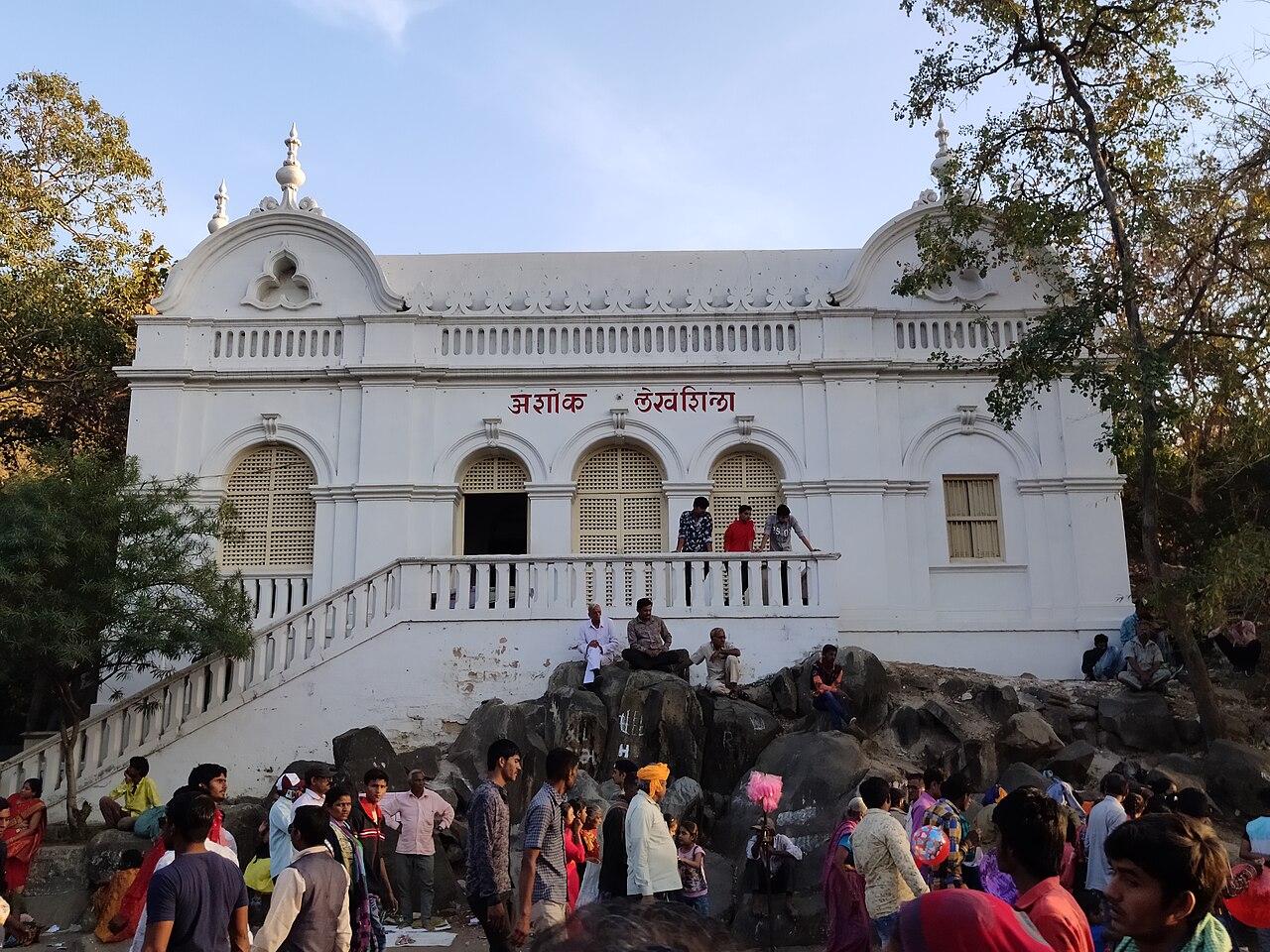
Ashoka
Mauryan emperor whose inscriptions, issued across the subcontinent, are the earliest substantial body of dated writing from South Asia after the Indus script.
Harsha
Pushyabhuti king of Thanesar and Kanauj (r. 606–647 CE), known from Banabhatta's Harshacharita, Xuanzang's travel account and his own inscriptions.
Pulakeshin II
Chalukya king of Vatapi (Badami) (r. c. 610–642 CE) whose achievements are recorded in the Aihole inscription of 634 CE.
Rajendra I
Chola king (r. 1014–1044 CE) who led a campaign to the Ganga, founded Gangaikondacholapuram and sent a naval expedition against Srivijaya.
Rudramadevi
Kakatiya ruler of Warangal (r. c. 1262–1289 CE), one of the few women to rule a major medieval Indian kingdom in her own name.
Alauddin Khalji
Delhi sultan (r. 1296–1316 CE) who repelled Mongol invasions, introduced market and revenue controls and sent armies deep into the Deccan.
Muhammad bin Tughluq
Delhi sultan (r. 1325–1351 CE) whose transfer of the capital to Daulatabad and token copper currency are among the best-documented experiments of the Sultanate.
Krishnadevaraya
Tuluva king of Vijayanagara (r. 1509–1529 CE), a successful general and patron of Telugu, Kannada, Tamil and Sanskrit literature.
Rani Durgavati
Regent of the Gond kingdom of Garha-Mandla who died in 1564 resisting a Mughal army.
Shah Jahan
Mughal emperor (r. 1628–1658) under whom the Taj Mahal and the new capital Shahjahanabad (Delhi) were built.
Aurangzeb
Mughal emperor (r. 1658–1707) under whom the empire reached its largest extent while spending decades in war in the Deccan.
Shivaji
Founder of the Maratha state (1630–1680), crowned at Raigad in 1674.
Ahilyabai Holkar
Holkar ruler of Malwa from Maheshwar (r. 1767–1795), noted for her administration and patronage of temples across India.
Tipu Sultan
Ruler of Mysore (r. 1782–1799) who fought four wars against the East India Company and died defending Srirangapatna.
Ranjit Singh
Founder of the Sikh kingdom of Punjab, who took Lahore in 1799 and ruled as Maharaja until 1839.
Routes · 2
Chola expedition to Srivijaya, c. 1025 CE
Schematic: the sea lane between the Coromandel coast and the Straits of Malacca, along which Rajendra I Chola sent a fleet that raided Kadaram (Kedah) and other ports of Srivijaya. His inscriptions list the places taken. The same lane carried Tamil merchant guilds to Sumatra and the Malay peninsula.
The Tai-Ahom crossing into Assam, 1228 CE (schematic)
Schematic: by the account of the Ahom chronicles, the Tai prince Sukaphaa left Mong Mao, crossed the Patkai hills with his followers, entered the upper Brahmaputra valley in 1228 and later fixed his seat at Charaideo. The founding group was small and merged over centuries with the people of the valley. The path through the hills is not known in detail.