Subject
Languages and Scripts
Writing systems, inscriptions and language history.
41 connected entries
Articles · 1
Politys · 1
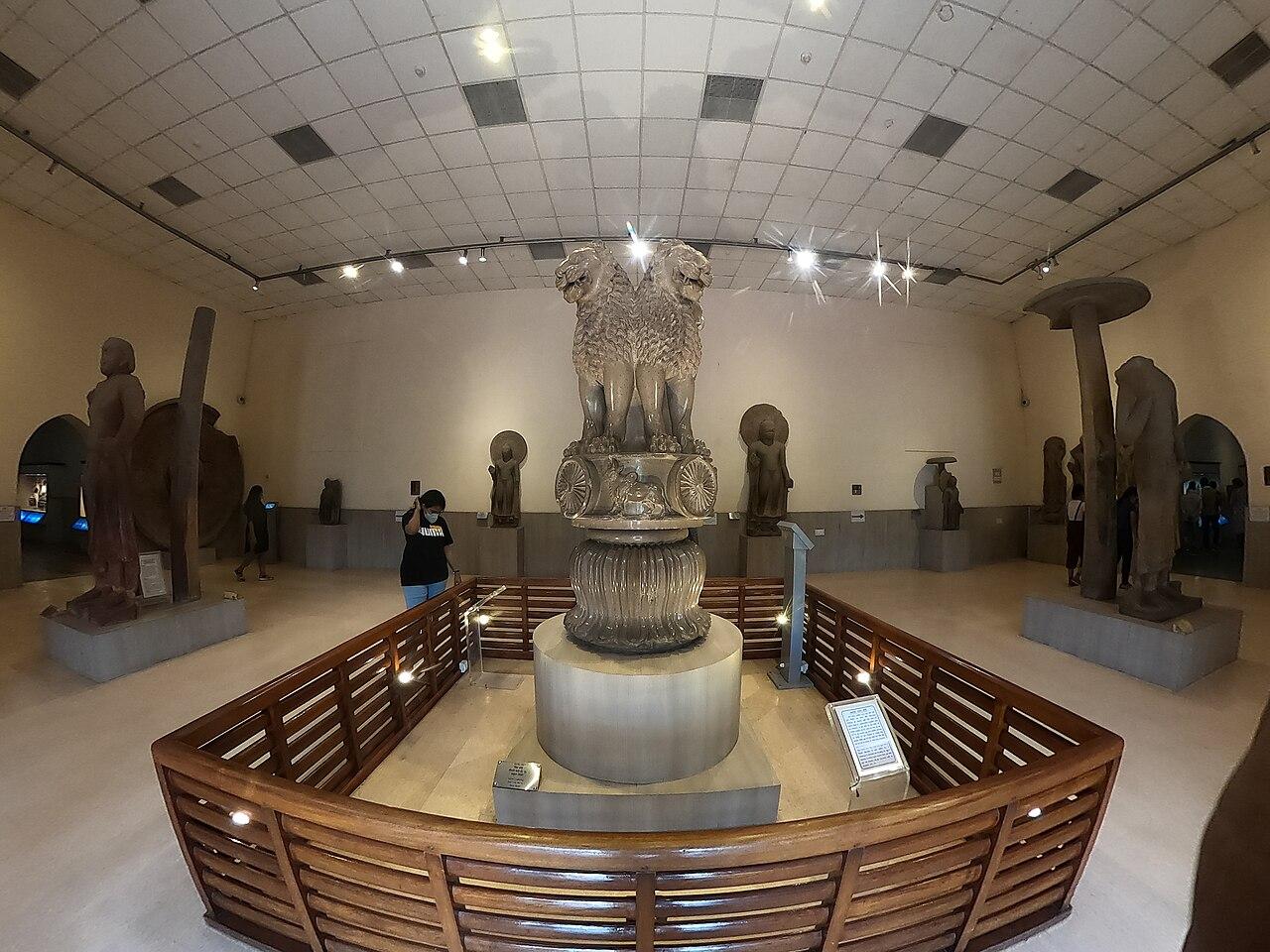
Sites · 19
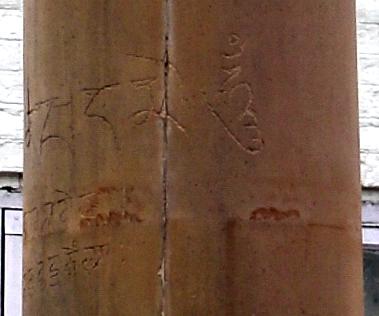
Lumbini
Birthplace of the Buddha in Buddhist tradition. An Ashokan pillar inscription records the emperor's visit and names the village as the Buddha's birthplace.
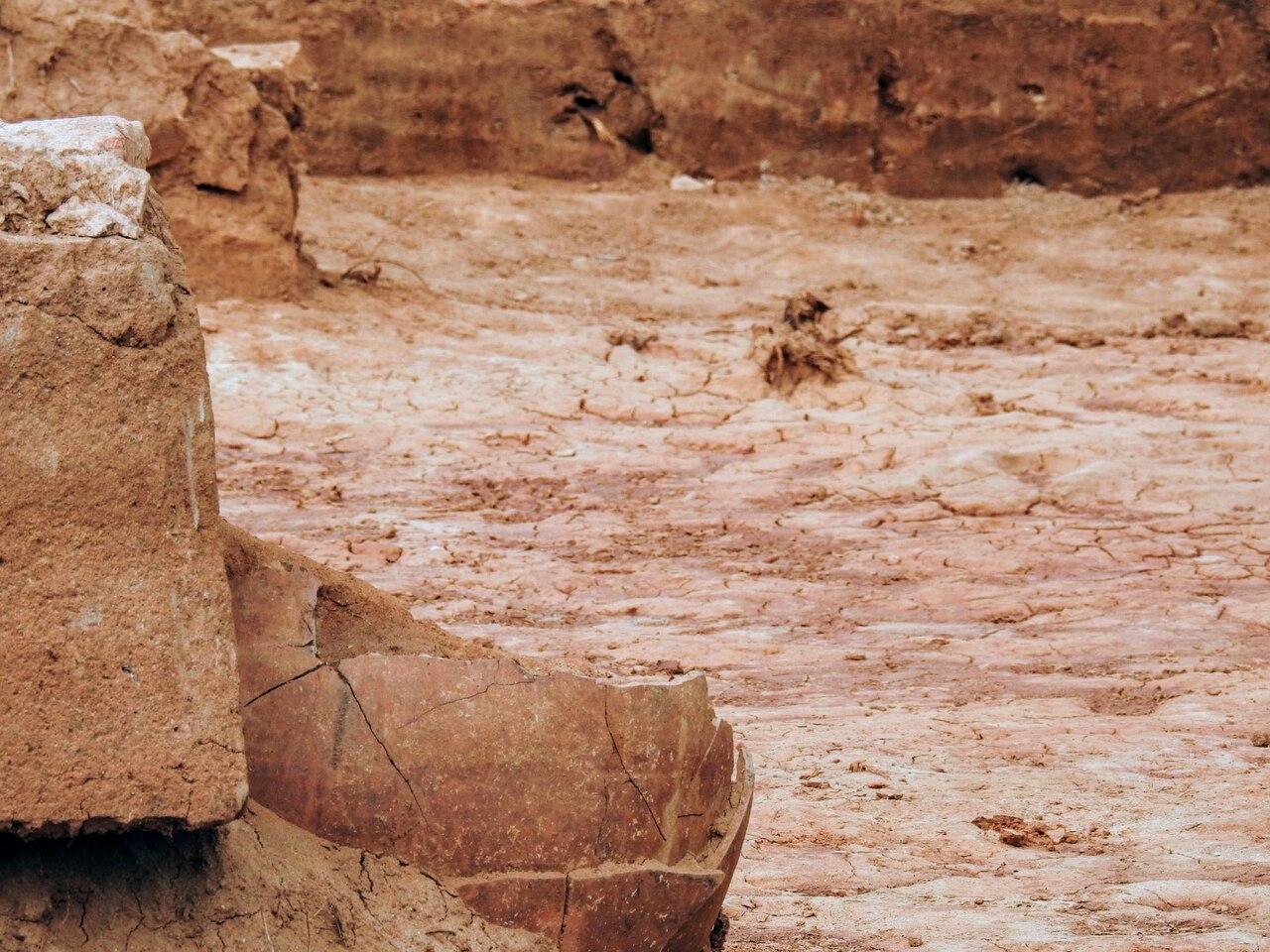
Keeladi
An Early Historic urban settlement on the Vaigai with brick structures, ring wells and potsherds inscribed in Tamil-Brahmi.
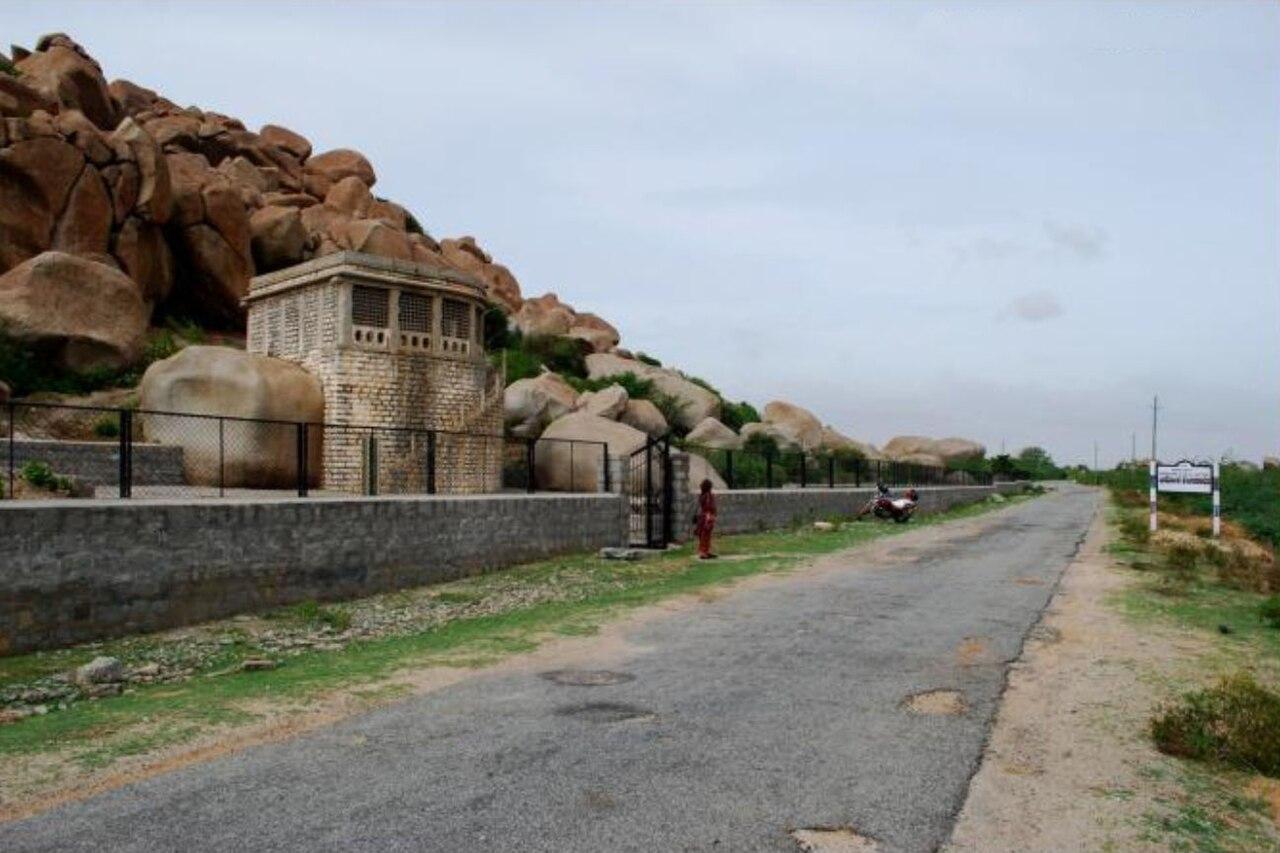
Brahmagiri
A site in Karnataka with an Ashokan minor rock edict and a stratified sequence — Neolithic-Chalcolithic, Megalithic and Early Historic — established by Wheeler's 1947 excavation.
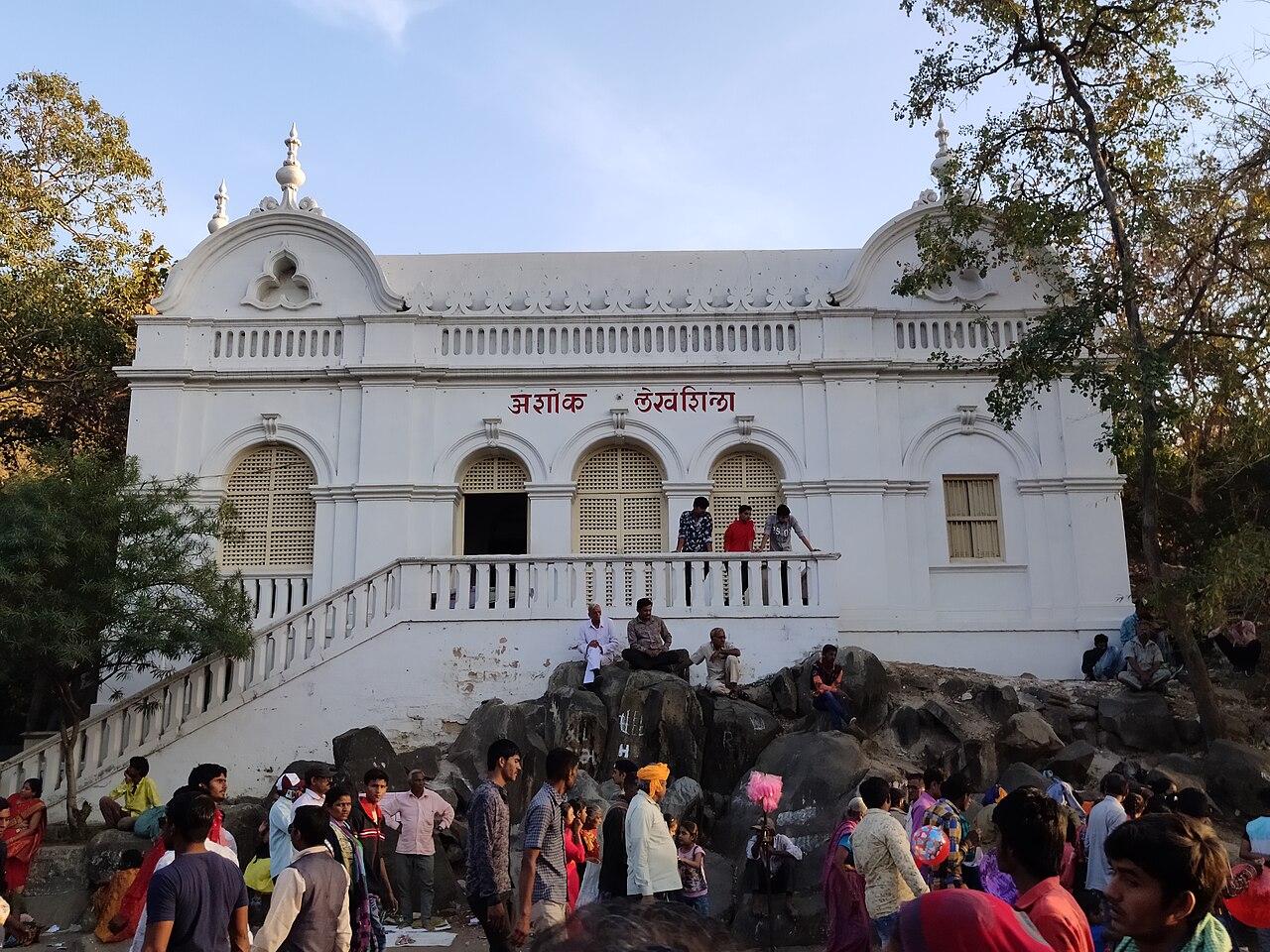
Junagadh Rock (Girnar)
A single granite boulder carrying three layers of history: Ashoka's fourteen major rock edicts, Rudradaman's Sanskrit inscription (c. 150 CE) and Skandagupta's record (mid-5th century CE).
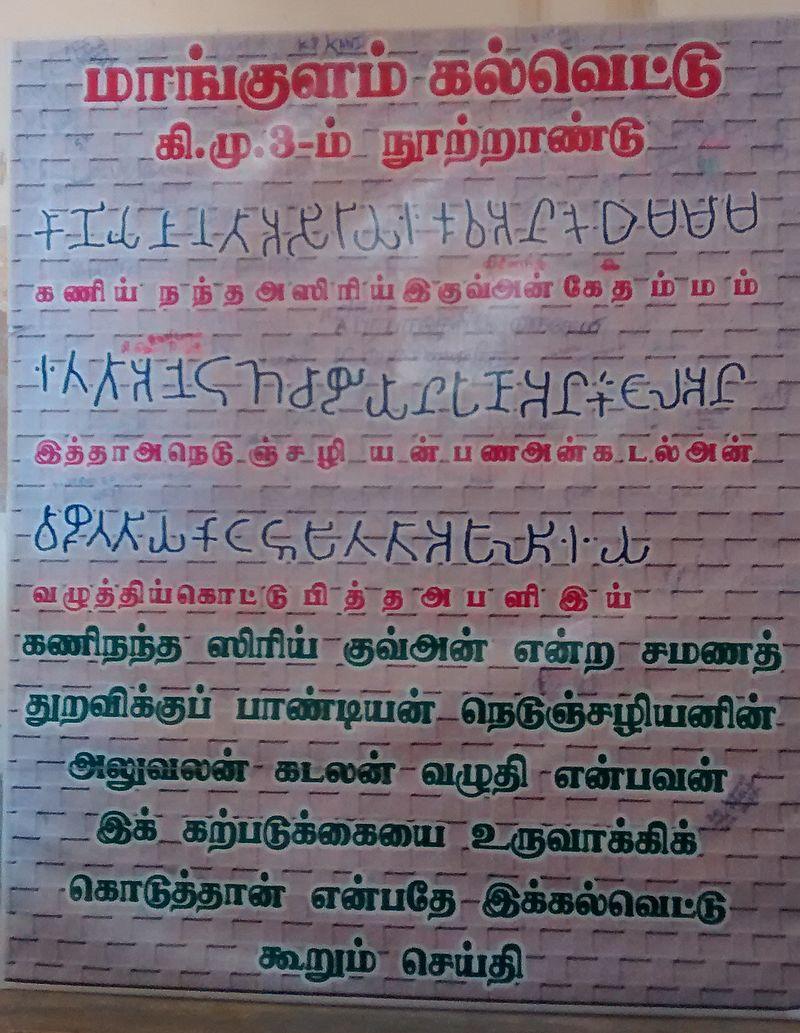
Mangulam
Natural caverns near Madurai with Tamil-Brahmi inscriptions recording gifts of rock beds to Jain monks, one naming a Pandya king Nedunchezhiyan.
Porunthal
A habitation-cum-burial site in the Palani hills where a grave contained a jar of rice; AMS dates on associated material have been used to argue for an early date for Tamil-Brahmi.
Prakrit — Ashokan edicts
Middle Indo-Aryan Prakrits in Brahmi and Kharoshthi: the earliest securely dated writing after the Indus script.
Greek and Aramaic — Kandahar
Ashoka's edicts in Greek and Aramaic for the empire's northwestern subjects.
Sinhala Prakrit — early Brahmi caves
Donative cave inscriptions in an early form of Sinhala Prakrit.
Tamil — Tamil-Brahmi
Earliest written Tamil, in caves and on pottery.
Sanskrit — Junagadh inscription of Rudradaman
The earliest long royal inscription in Sanskrit.
Kannada — Halmidi inscription
Often cited as the earliest Kannada inscription; its date has been questioned.
Telugu — Kalamalla inscription
Inscription of the Renati Chodas, usually cited as the earliest wholly Telugu inscription.
Arabic — Banbhore mosque
Arabic building inscription at the port of Daybul.
Malayalam — Vazhappally copper plate
Copper plate of the Chera Perumal period, the earliest Malayalam record.
Marathi — Akshi inscription
A Shilahara-period stone inscription, the earliest dated Marathi.
Odia — Urajam inscription
An Eastern Ganga record often cited as the earliest Odia inscription.
Persian — court and inscriptions in Delhi
Persian becomes the language of administration and high culture under the Delhi Sultanate and Mughals.
Punjabi — Adi Granth
The Sikh scripture compiled in Gurmukhi script.
Artefacts · 1
Concepts · 2
The Indo-Aryan migration
The model that Indo-Aryan languages entered South Asia from Central Asia in the 2nd millennium BCE, carried by people with steppe-related ancestry who mixed with existing populations — not an 'invasion' or a single event.
Austroasiatic (Munda) ancestry
Munda-speaking groups of eastern and central India speak Austroasiatic languages related to those of mainland Southeast Asia, and carry ancestry from a related East/Southeast Asian source mixed with South Asian ancestry.
Script / languages · 6
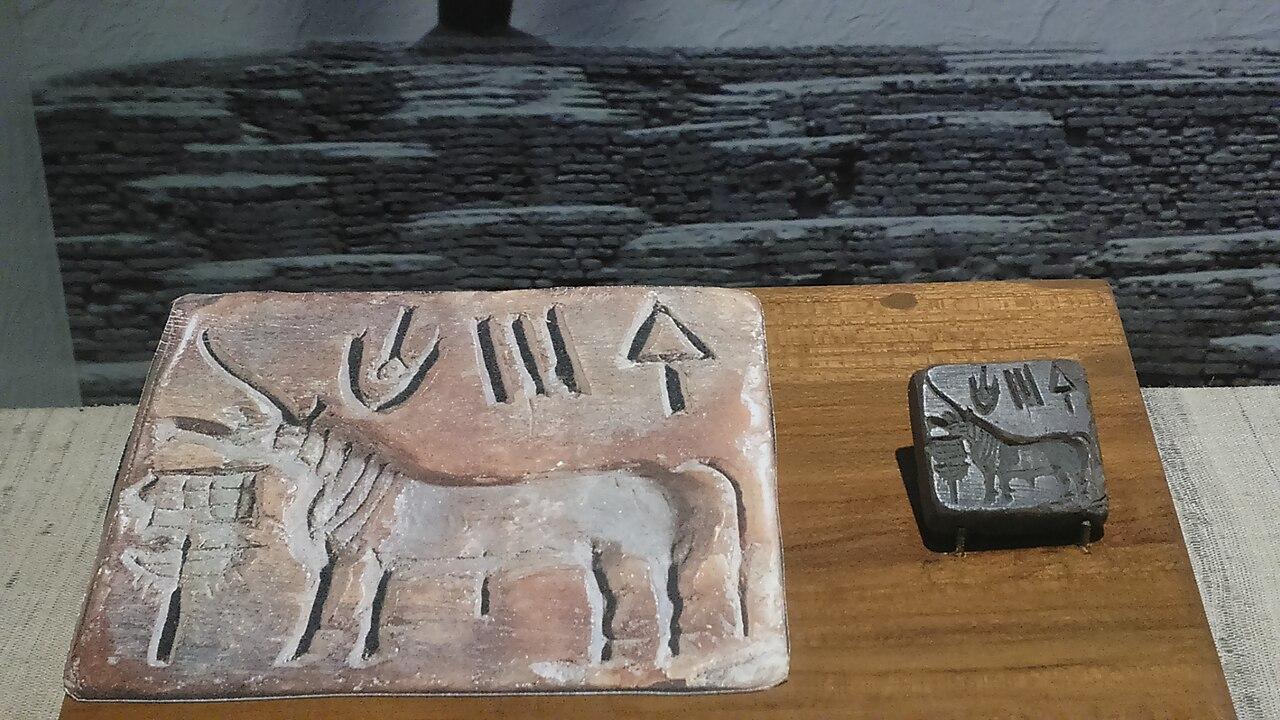
Indus script
Short sequences of signs on seals, tablets and pottery from the Indus civilisation. Undeciphered.
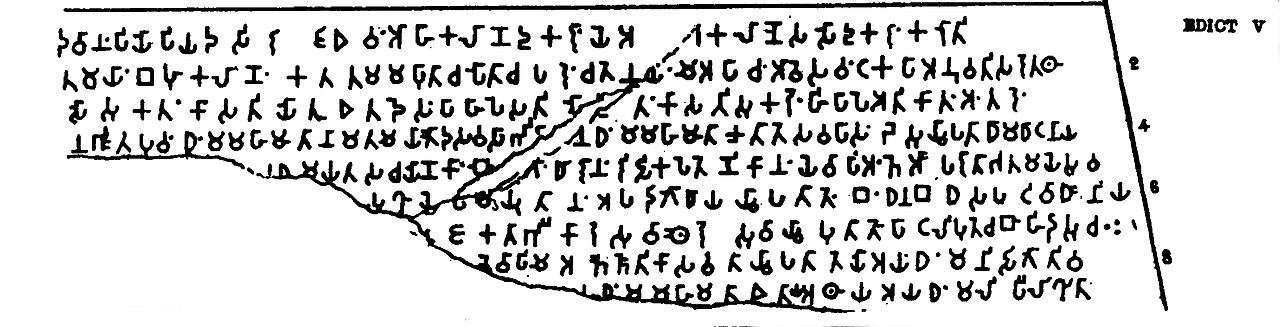
Brahmi
The script of most of Ashoka's edicts and the ancestor of nearly all later scripts of South and Southeast Asia, from Devanagari to Tamil and Thai.
Kharoshthi
A script derived from Aramaic, used in Gandhara and adjoining regions from the 3rd century BCE to around the 3rd–4th century CE.
Tamil-Brahmi
An adaptation of Brahmi to write Old Tamil, found in cave inscriptions and on pottery across Tamil Nadu and beyond.
Prakrit
The Middle Indo-Aryan vernaculars in which Ashoka's edicts and most early inscriptions were written.
Sanskrit
An Old Indo-Aryan language, the language of the Vedas in its earliest form, which became dominant in royal inscriptions from the Gupta period.
Persons · 8
Rudradaman I
Western Kshatrapa ruler whose Junagadh inscription is the earliest long royal inscription in Sanskrit.
Iravatham Mahadevan
Epigraphist whose corpus of Tamil-Brahmi inscriptions and concordance of Indus signs are standard references.
James Prinsep
Assay master at the Calcutta Mint and secretary of the Asiatic Society who deciphered Brahmi in 1837, making Ashoka's edicts readable.
Kalidasa
The most celebrated poet and dramatist of classical Sanskrit, author of the play Abhijnanashakuntalam and the poem Meghaduta.
Amir Khusrau
Persian poet of the Delhi Sultanate courts and disciple of the Sufi Nizamuddin Auliya, remembered also for verse in Hindavi.
Kabir
Weaver-poet of Benares whose verses reject the authority of both Brahmin and mulla in favour of devotion to a formless god.
Mirabai
Rajput princess and devotional poet of Krishna, whose songs are among the most widely sung in north India.
Tulsidas
Poet whose Awadhi Ramcharitmanas, begun in 1574, became the most influential telling of the Rama story in north India.