Event · cultural
Kailasa temple cut at Ellora
The monolithic Kailasa temple (Ellora Cave 16) is excavated, generally attributed to the Rashtrakuta Krishna I.
Historical significance
One of the largest monolithic rock-cut monuments in the world.
The Map Check
Where it happened
Loading atlas…
Supporting evidence
Sites and finds
Archaeological evidence
Connected to Kailasa temple cut at Ellora
Continue exploring
Site
Ellora
Thirty-four rock-cut monasteries and temples — Buddhist, Hindu and Jain — cut side by side into a basalt escarpment between about 600 and 1000 CE, including the monolithic Kailasa temple.
c. 600 – 1000 CE(Approximate)
Polity
Rashtrakutas of Manyakheta
A Deccan empire that displaced the Badami Chalukyas; Krishna I is credited with the monolithic Kailasa temple at Ellora.
753 – 982 CE(Conventional date)
Collection
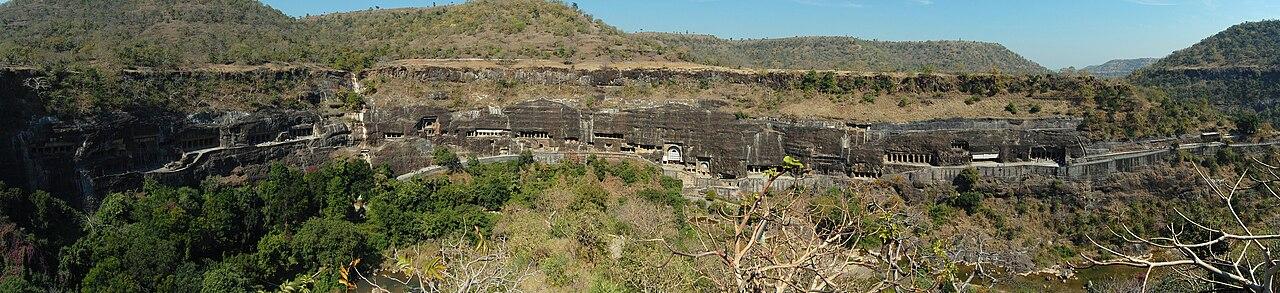
Carved from the Mountain: Ajanta and Ellora
Buddhist, Hindu and Jain sanctuaries cut into the Deccan basalt.
Sources & Further Reading
Sources & further reading
- unescoUNESCO World Heritage Centre (1983). Ellora Caves (List no. 243). whc.unesco.org/en/list/243